By Bernadette Martin | Corporate Engagement Manager
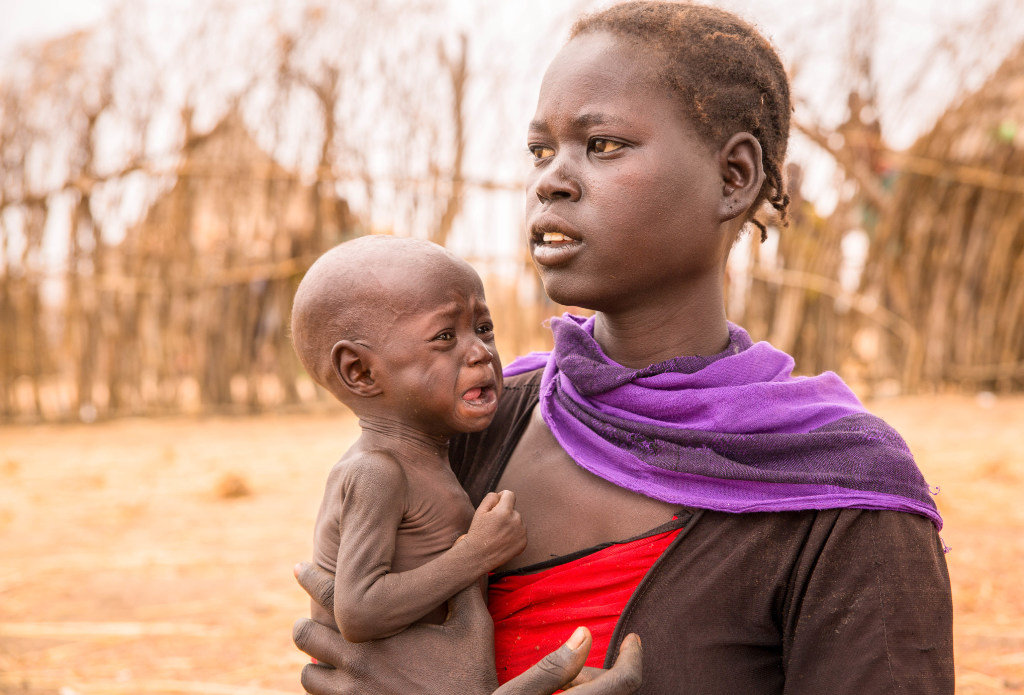
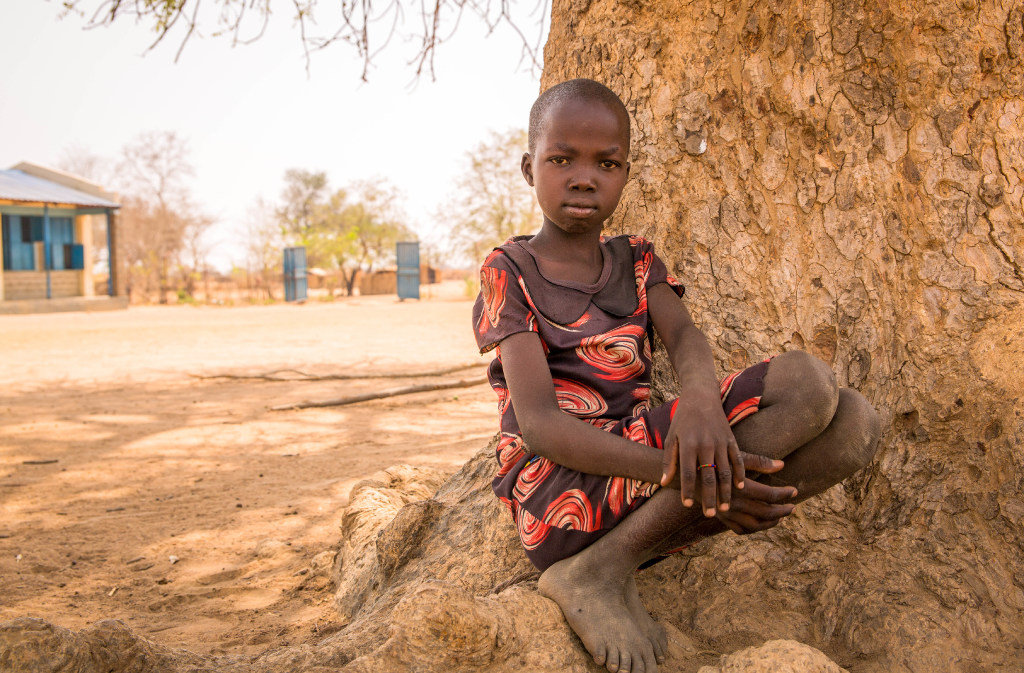
The story of this family is one that has been experienced across refugee settlements throughout northern Uganda. Children recall being attacked with tear gas, finding their dead parents, running for days, hiding from armed militia, and being hungry and frightened during their escape from South Sudan.
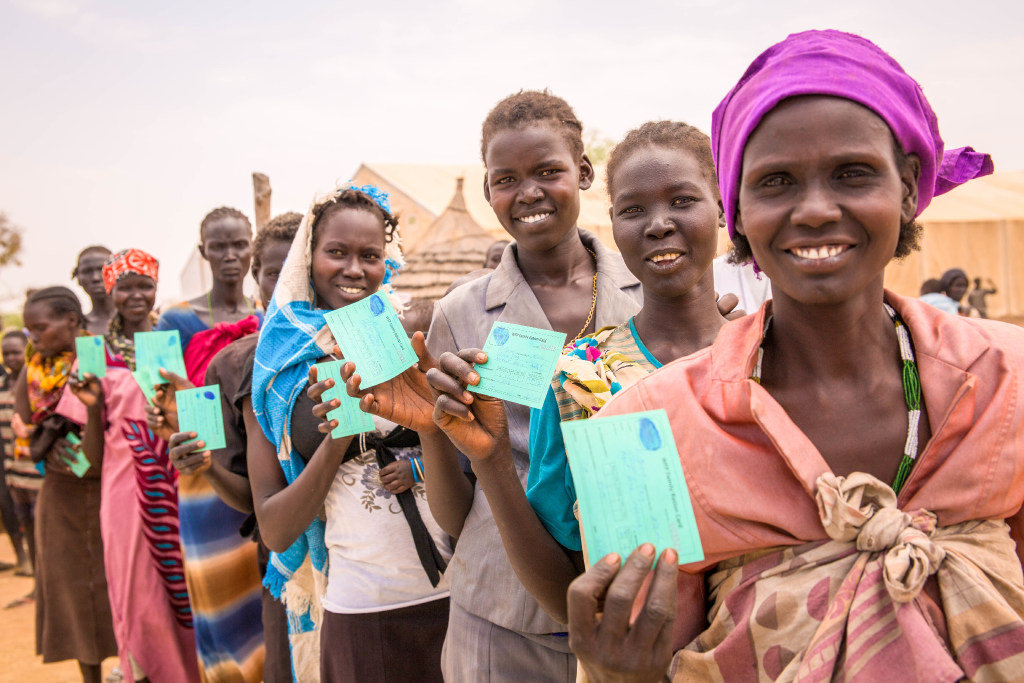
After being picked up at border points in northern Uganda, refugees are brought by bus to reception centers where they’re officially registered to receive aid. Here, they come in contact with World Vision. We give them hot meals and connect them with child protection services, and also place unaccompanied children with a foster family.
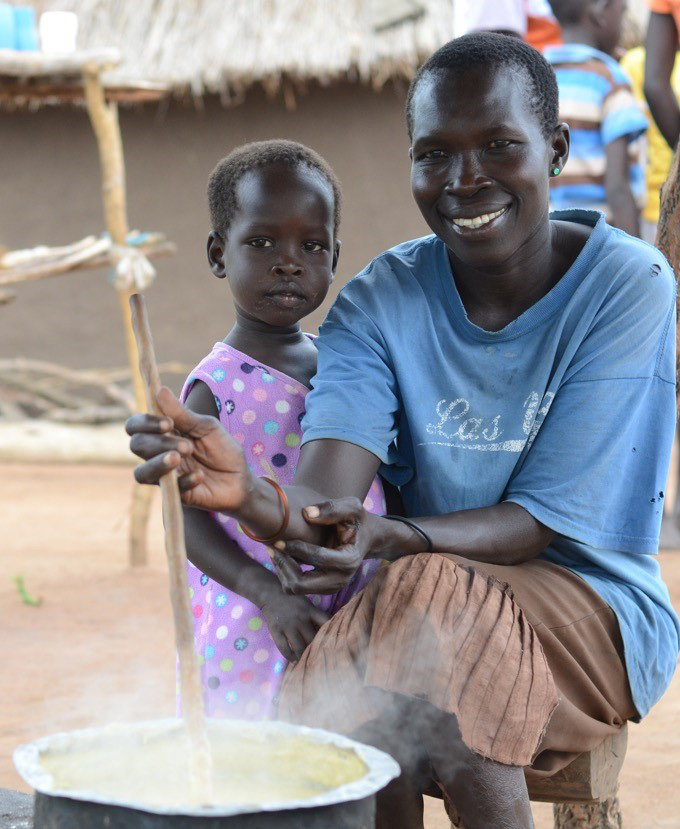
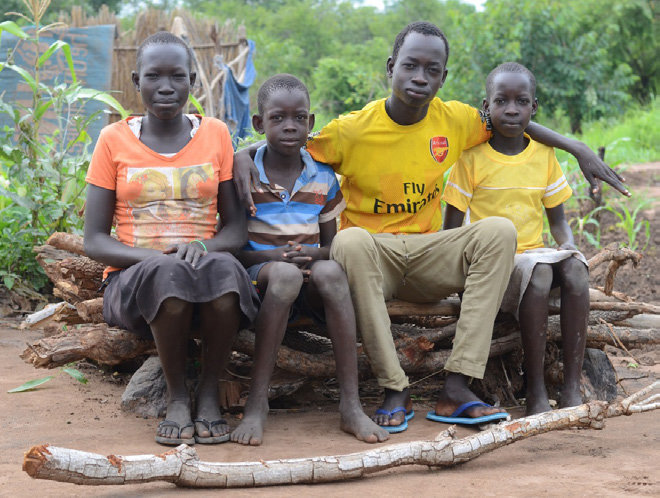
When 16-year-old Stephen and his three younger siblings arrived in Uganda, they found thousands of other refugees at the reception center. Then Stephen saw a familiar face. Mary, a mother of four, was an acquaintance from a neighboring village in South Sudan.
“When we met at the transit center, they came directly to me and asked if they could set up their shelter next to ours,” Mary said. The Ugandan government gives refugee families a plot of land where they can build their own home, so when Mary’s family received their land, Stephen and his siblings joined them.
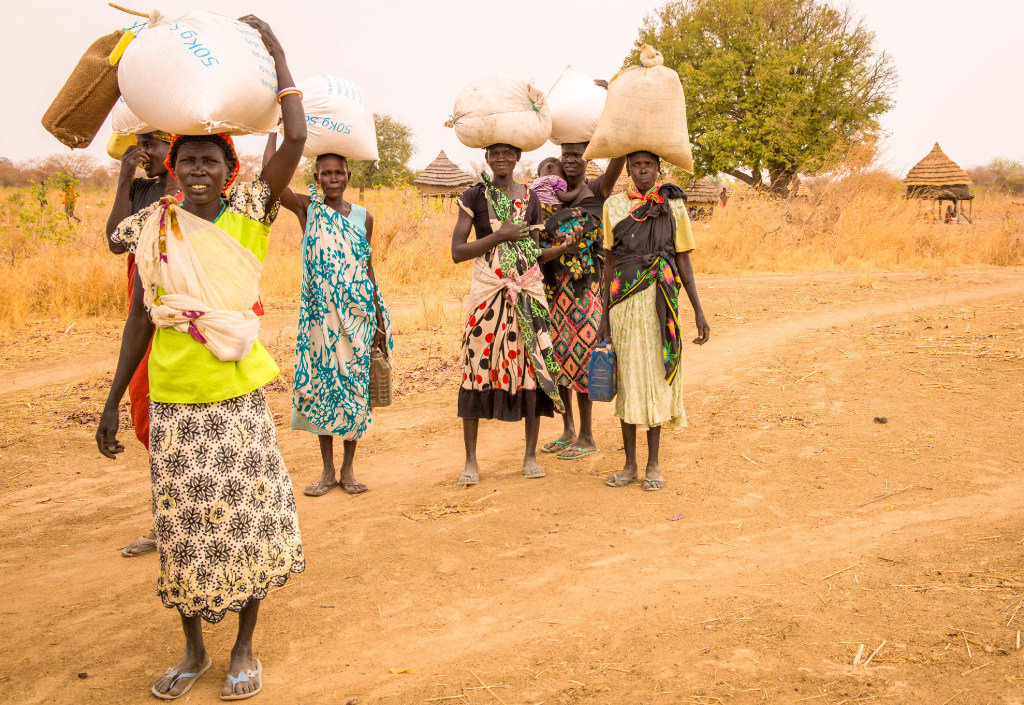
Each day, Mary cooks, cleans, and cares for all eight children, and Stephen and his siblings help her with chores. World Vision provides foster families like Mary’s with essential household items and partners with the World Food Program to provide refugees with monthly food rations. The children also have opportunities to attend a nearby school. With a new family and support system, Stephen and his siblings are eager to build a new life in Uganda.
-------------------------------------------------------------------------------------------------------------------------------------------------------------------
Since 2016, Uganda has been hosting more than 1 million refugees from DRC and South Sudan, straining the resources of humanitarian aid organizations and placing pressure on host communities and local infrastructure. The North and West Nile regions, where most refugees live, are among the poorest and most underdeveloped areas of Uganda.
Accomplishments over the past 18 months included the following:
Evidence of sustainable progress among refugees is the transition from dependency on aid to self-reliance. We are encouraged that an increasing number of refugees are engaging in income-generating activities to support their families—the most common enterprises being grocery stores, hair salons, crop production, retail shops, and restaurants. Vocational training, particularly for youth and women, is giving people skills to secure work and earn an income.
Financial services also are vital to helping families earn an income and build their future resilience. At the end of 2018, more than 12,000 refugees and members of host communities learned about savings and loan associations and cash-based assistance to improve their household’s resilience to future crises.
While we celebrate the transition of some refugees toward self-reliance, many remain in need of humanitarian assistance. World Vision assisted tens of thousands of people with relief packages consisting of kitchen supplies, blankets, soap, sleeping mats, mosquito nets, and solar lamps.
To address the needs of vulnerable children, World Vision is running 42 Child-Friendly Spaces, where more than 57,000 children are benefiting from educational and psychosocial support, as well as life-skills training. World Vision also is actively involved in helping unaccompanied or separated children connect with their families.
Thank you for supporting our work!
Project reports on GlobalGiving are posted directly to globalgiving.org by Project Leaders as they are completed, generally every 3-4 months. To protect the integrity of these documents, GlobalGiving does not alter them; therefore you may find some language or formatting issues.
If you donate to this project or have donated to this project, you can receive an email when this project posts a report. You can also subscribe for reports without donating.