By Mercy Corps | Mercy Corps
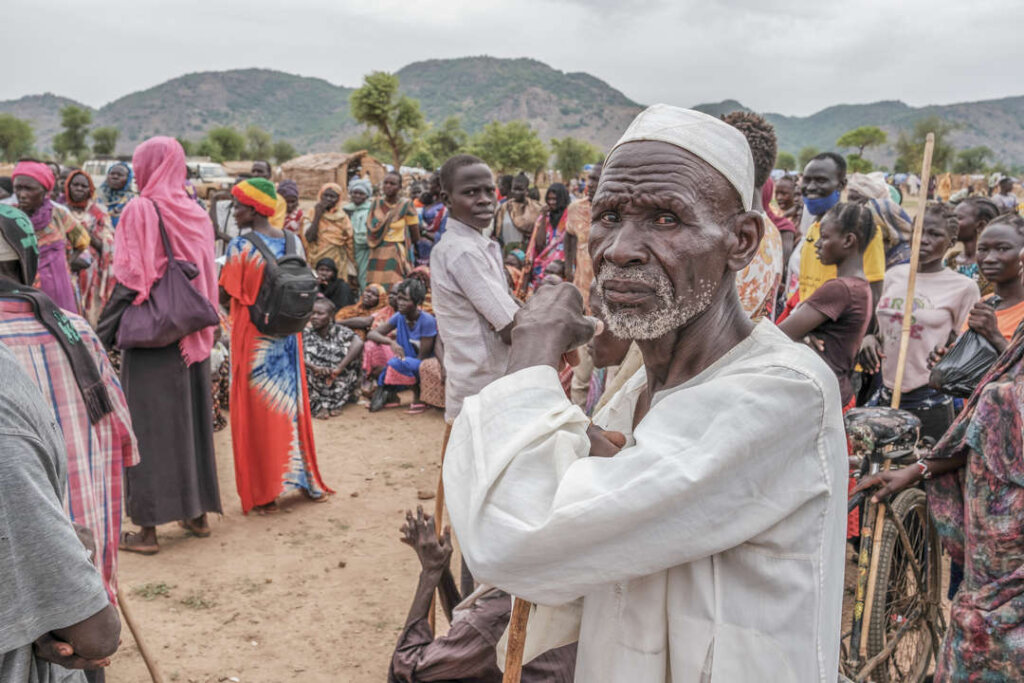
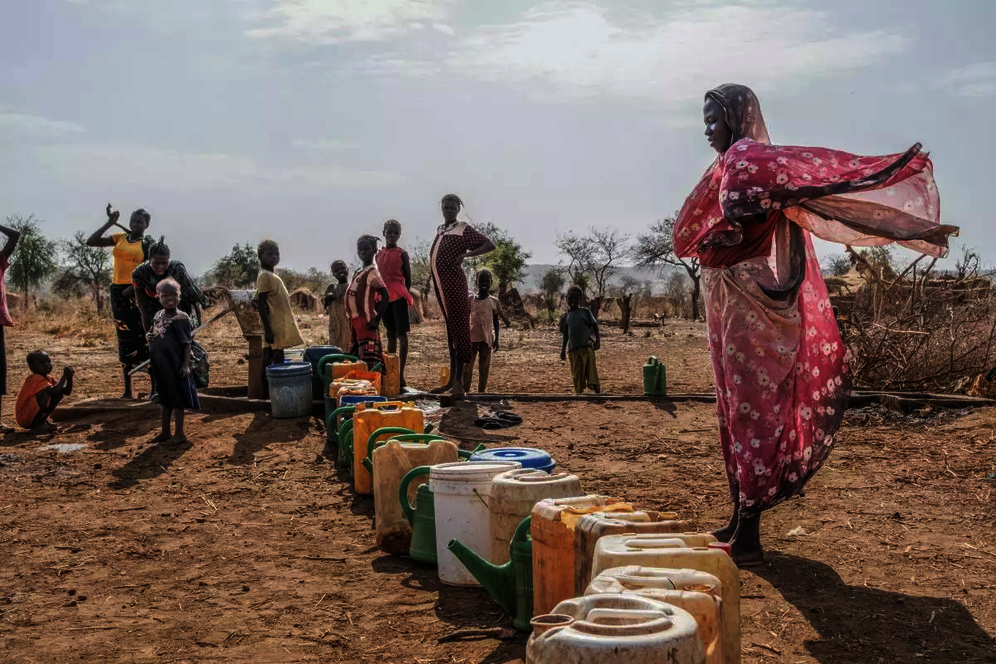
Three years into Sudan’s conflict, countless lives have been lost, millions displaced, and large parts of the population have been pushed toward catastrophic hunger and famine. Today, Sudan is the world’s largest humanitarian crisis.
The fierce fighting that began in April 2023 has compounded on pre-existing crises across the country. An estimated 33.7 million people in Sudan will require humanitarian aid this year, the highest globally, according to the United Nations.
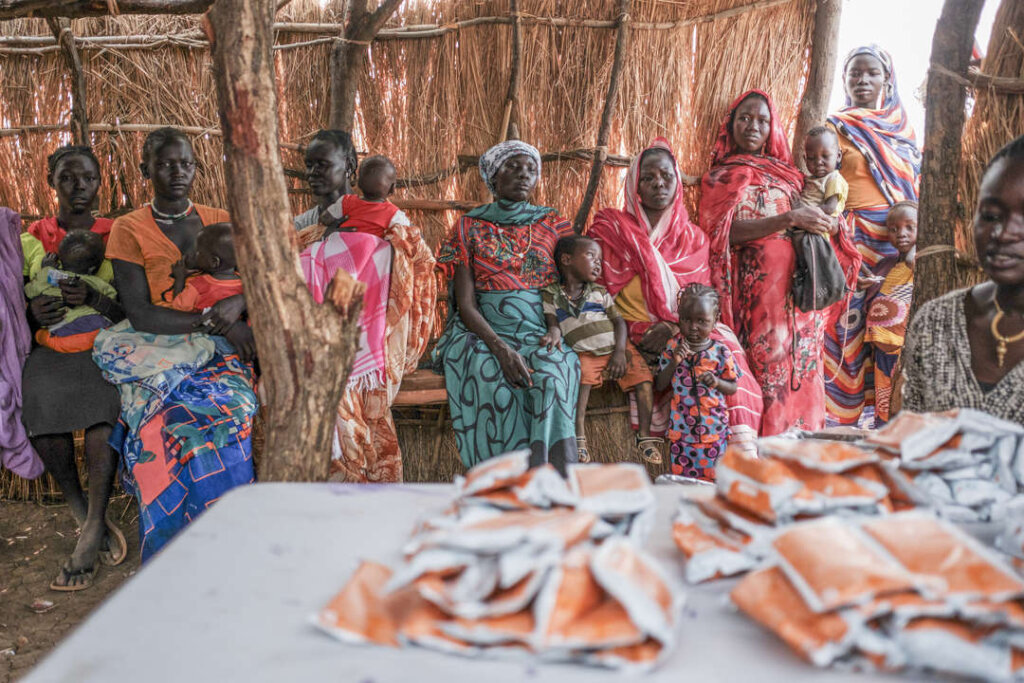
Millions of children and their families don’t have enough to eat, and over 20 localities are on the brink of famine.
“You are a mother. You leave your children in the house. You go out in the middle of gunfire. You risk your life just to bring them something to eat,” said a woman who has been internally displaced in North Darfur. Food systems have been disrupted and eroded by ongoing conflict. Many people are only able to eat one meal a day—or less. Others go days without eating. In the worst conditions, people have resorted to eating leaves, animal feed, and diluted food with just water to survive. This crisis is forcing impossible choices inside households.
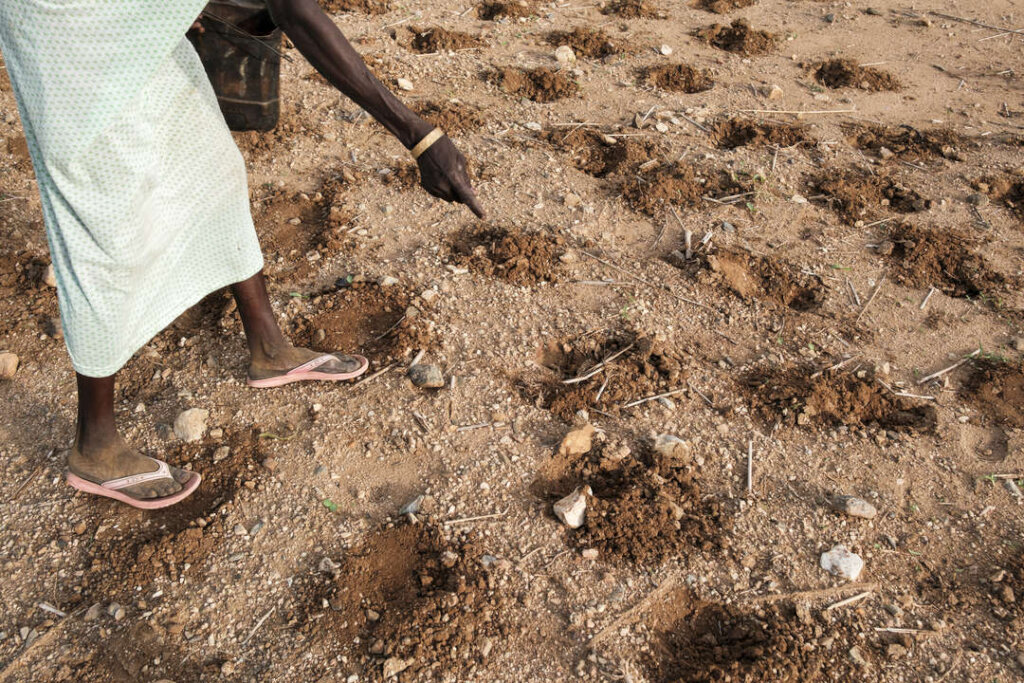
Sudan’s already severe hunger crisis is being worsened by conflict in the Middle East. Disruptions to fuel and fertilizer shipments, many routed through the Strait of Hormuz, have driven fuel prices up nearly 30 percent. With planting season approaching, rising costs and shortages could limit planting and put this year’s harvest at risk.
By every measure, Sudan is facing an extreme crisis though some regions have not been impacted as directly by active fighting. Although many major farming regions were first affected by the conflict, within the last year some farmers have regained a level of stability and security to grow staple crops and invest back into their land. Smallholder farmers continued to produce key crops where possible since fighting began in April 2023, feeding those within their immediate areas but not people in need across the country. Regions on the frontlines of the fighting continue to need sustained humanitarian and peacebuilding support.
What Mercy Corps is doing to help
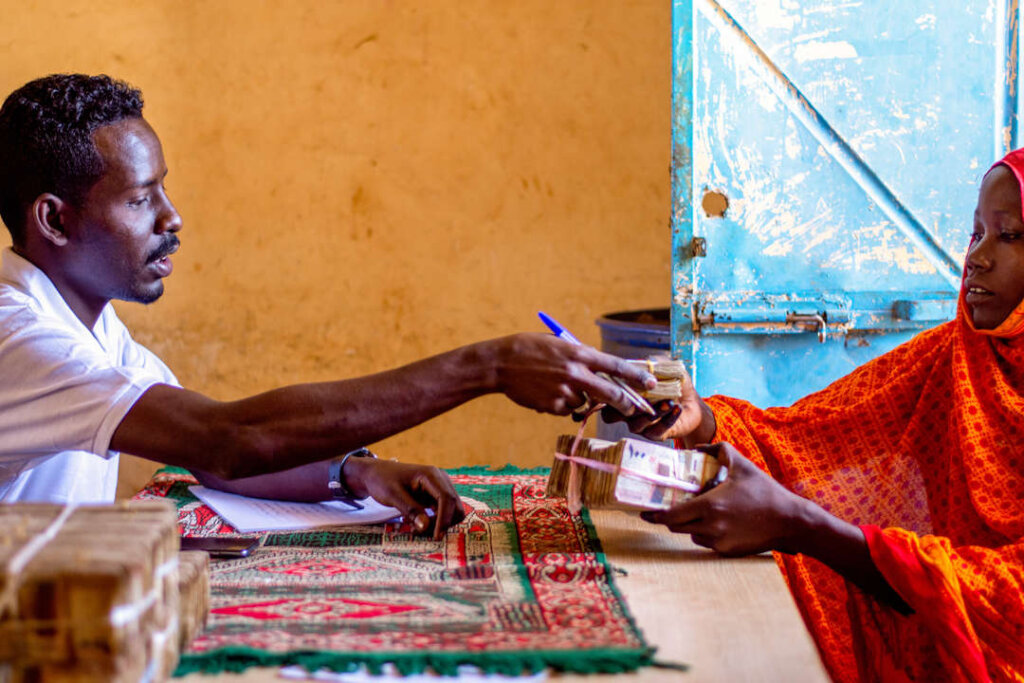
Recent cuts to foreign aid have impacted the scale and reach of some programs at a time when needs are growing. Even so, we continue working alongside communities, adapting our approach and pushing forward to deliver support wherever possible.
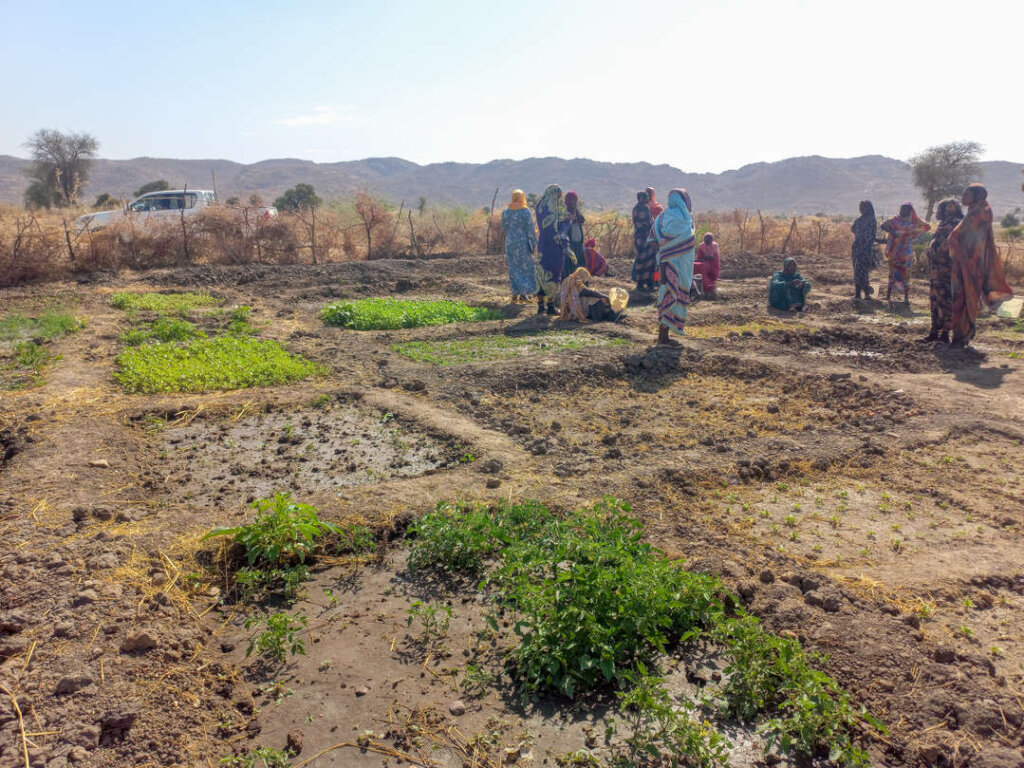
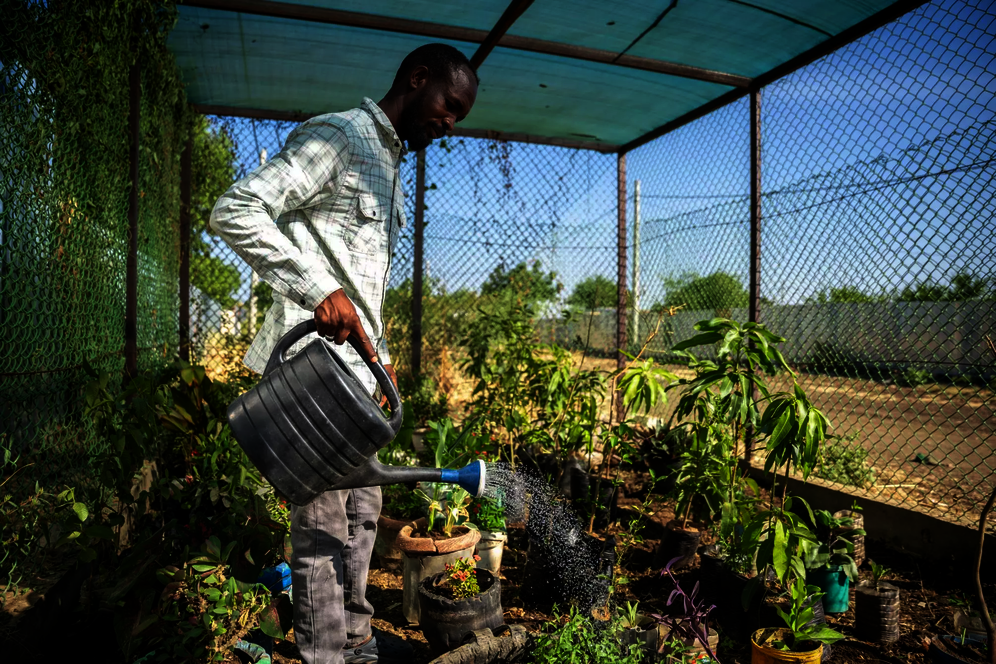
Mercy Corps works across 10 states, particularly in South Kordofan and Blue Nile, to support farmers and strengthen local food production as communities adapt to climate challenges. This program helps farmers grow more food despite droughts and floods, take care of their land and water, connect with buyers for crops after harvests, support women’s roles in farming and business, and better prepare for future shocks and emergencies.
Since 2019 until the end of the 2024 summer growing season, through just one program, over 25,000 farmers received training for more effective farming practices, nearly 40,000 farmers received seeds, and 71 farmer cooperatives—made up of over 36,000 members—were strengthened or formed during this period.
In another program, Mercy Corps supported almost 220,000 farmers and 10,000 cooperative members with seeds and other agricultural supplies to strengthen local markets, production, and trade.
Project reports on GlobalGiving are posted directly to globalgiving.org by Project Leaders as they are completed, generally every 3-4 months. To protect the integrity of these documents, GlobalGiving does not alter them; therefore you may find some language or formatting issues.
If you donate to this project or have donated to this project, you can receive an email when this project posts a report. You can also subscribe for reports without donating.



Support this important cause by creating a personalized fundraising page.
Start a Fundraiser