By Salik Ansar | Project Manager
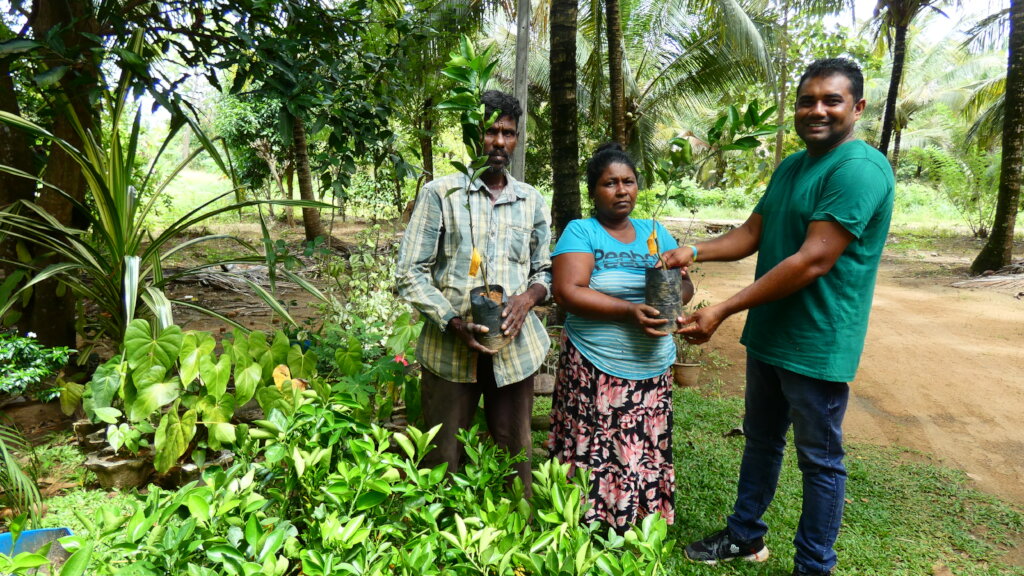
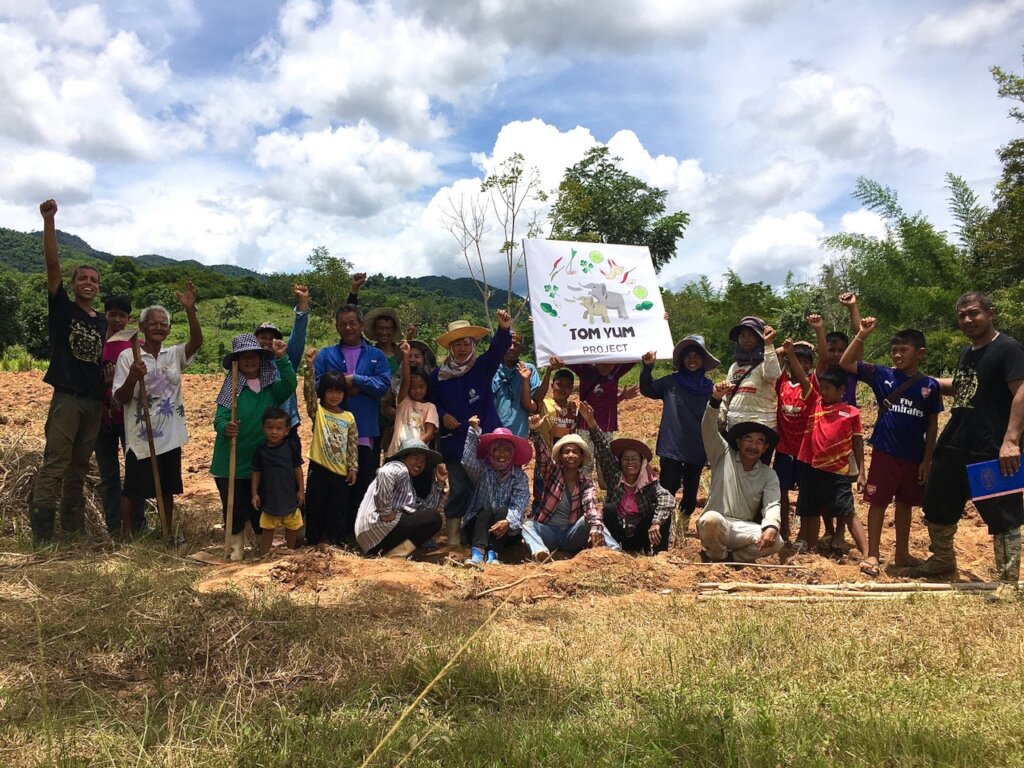
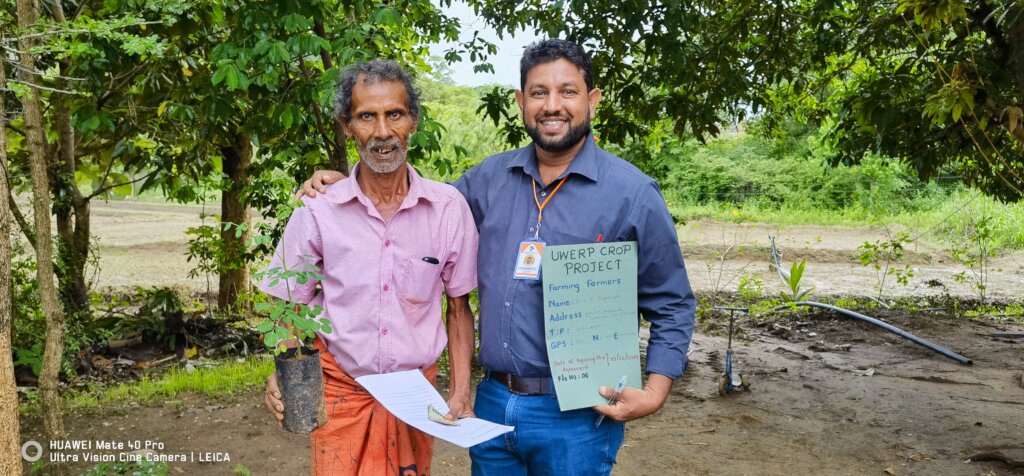
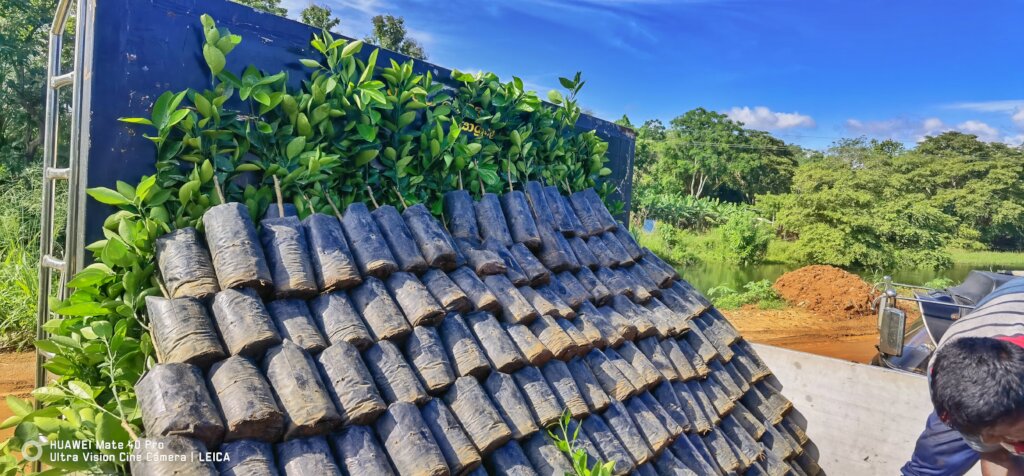
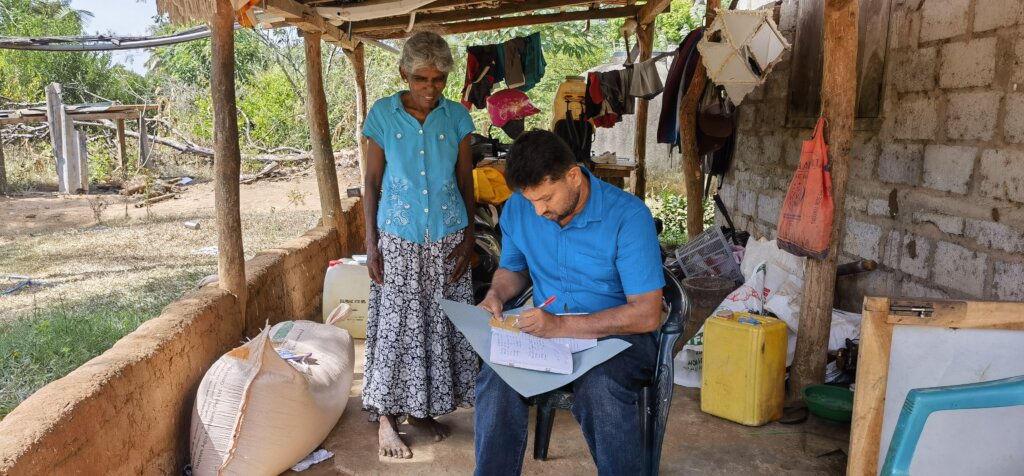
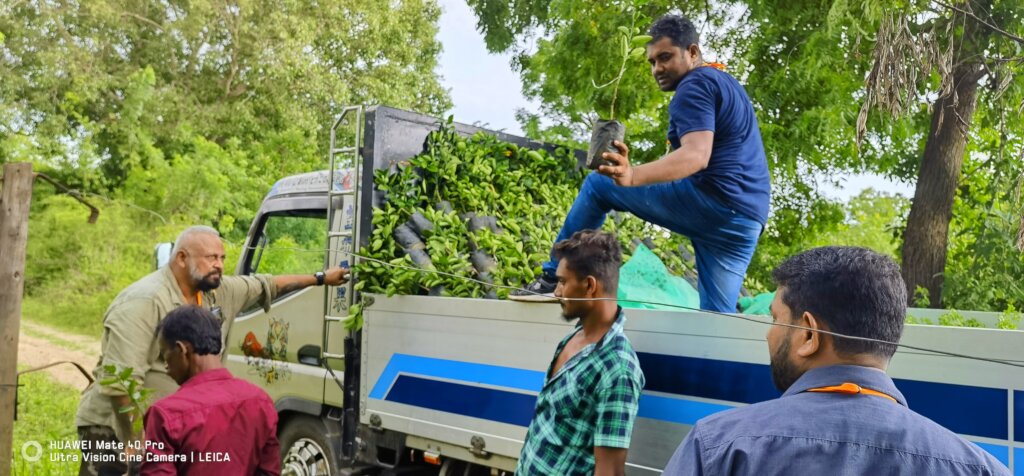
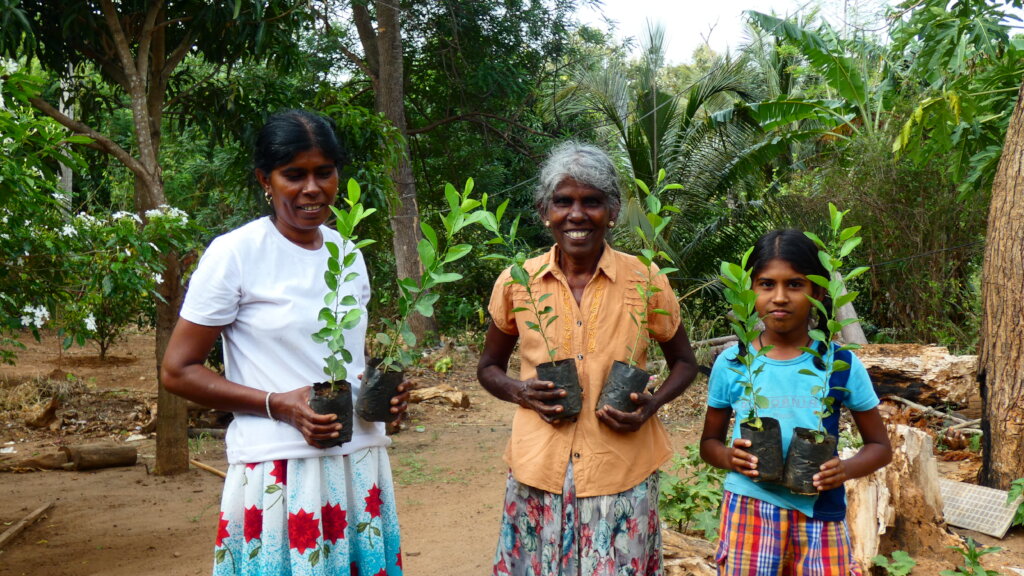
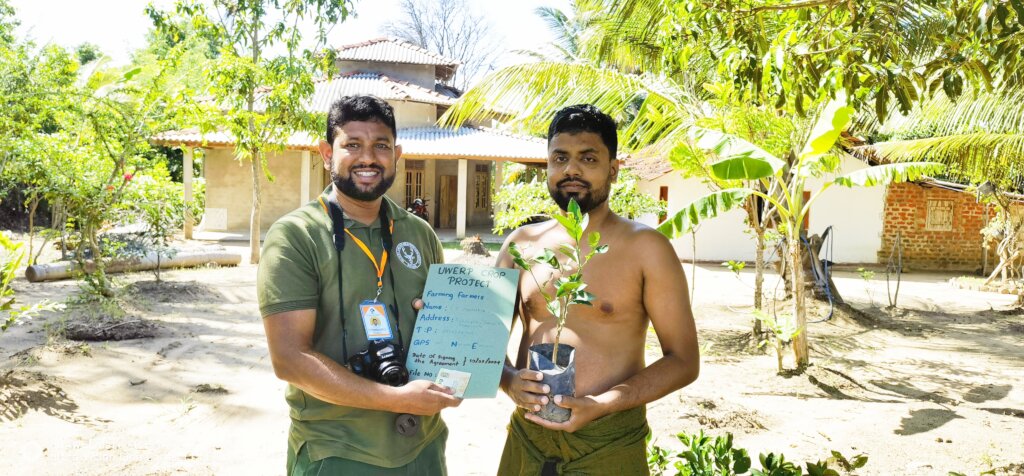
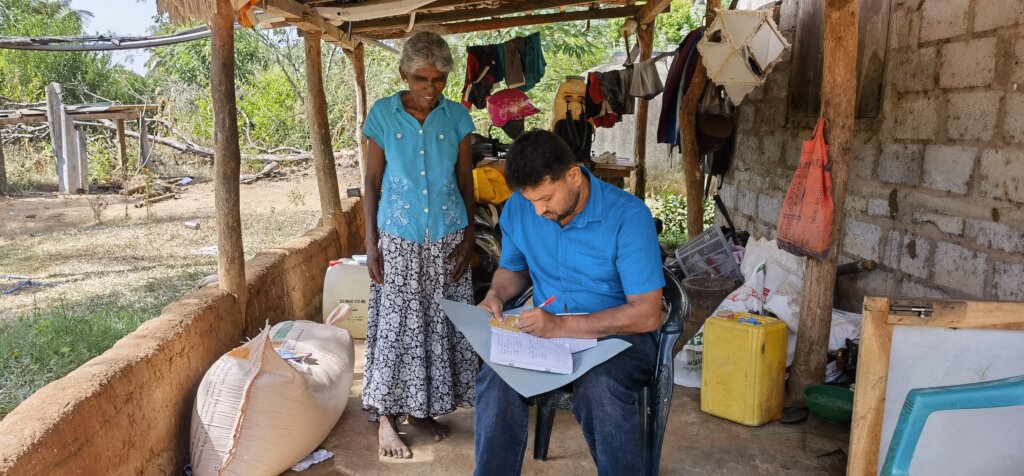
This reporting period marked continued progress in the implementation of the project, with activities advancing steadily despite a challenging national economic environment. We are pleased to report that the crop diversification component has continued successfully, and the distribution of all planned saplings has now been completed. To date, 124 farming households have been enrolled in the project and are actively participating in project activities, reflecting strong community interest and commitment to the initiative.
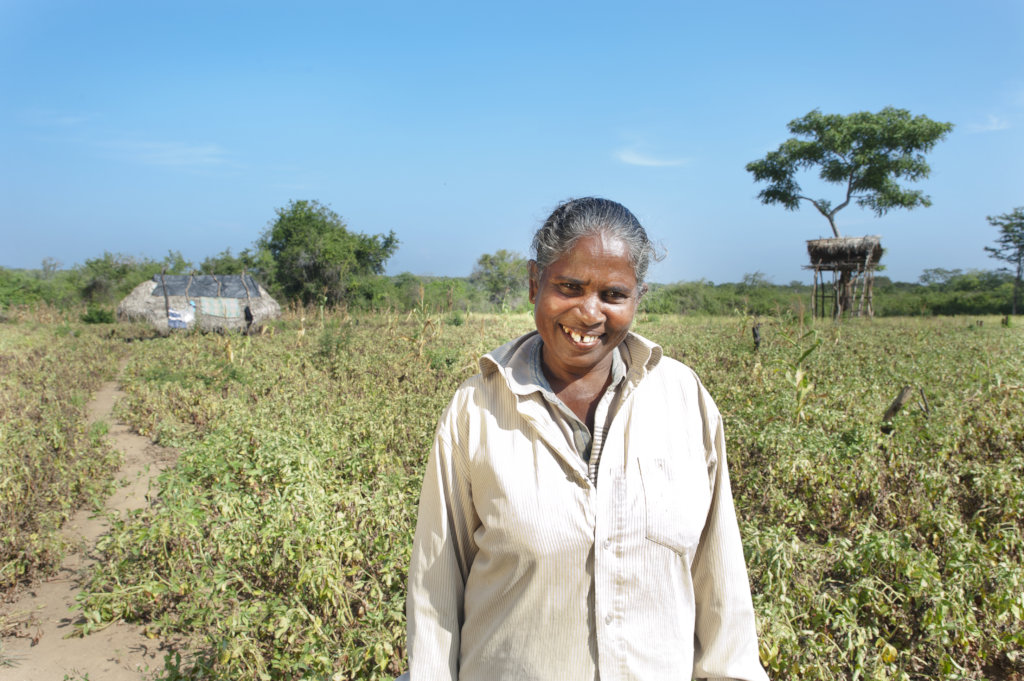
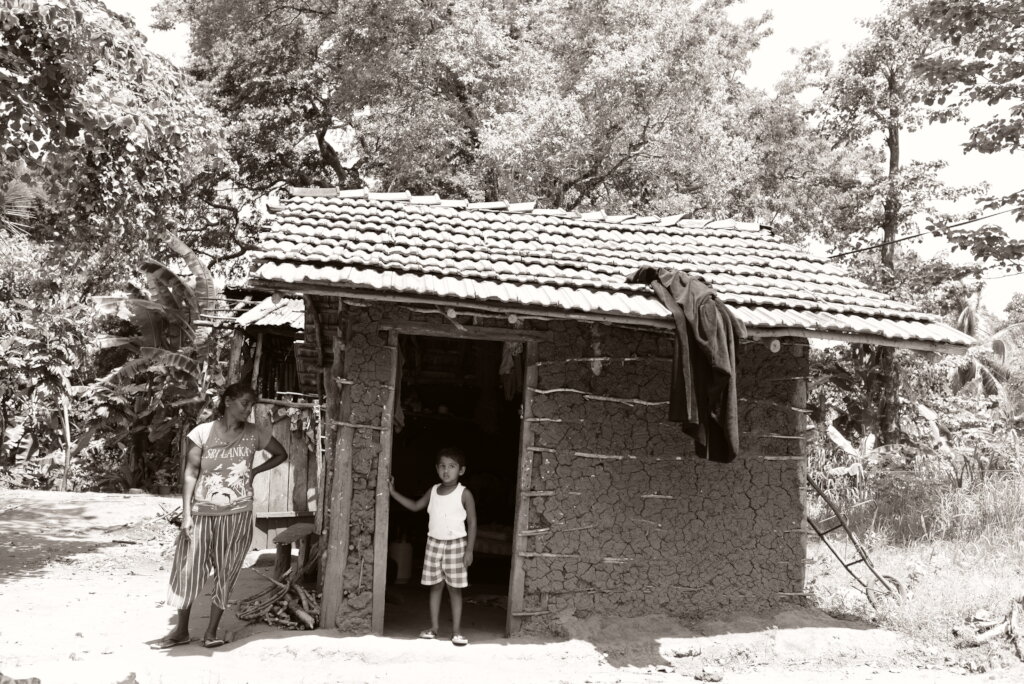
During this quarter, Sri Lanka experienced significant economic pressures stemming from global geopolitical instability, including the conflict in the Middle East. The resulting increases in fuel prices and transportation costs contributed to a rise in the overall cost of living, placing additional financial strain on rural communities. Farmers in the Udawalawe landscape have been particularly affected, facing higher costs for agricultural inputs, transportation, and household necessities.
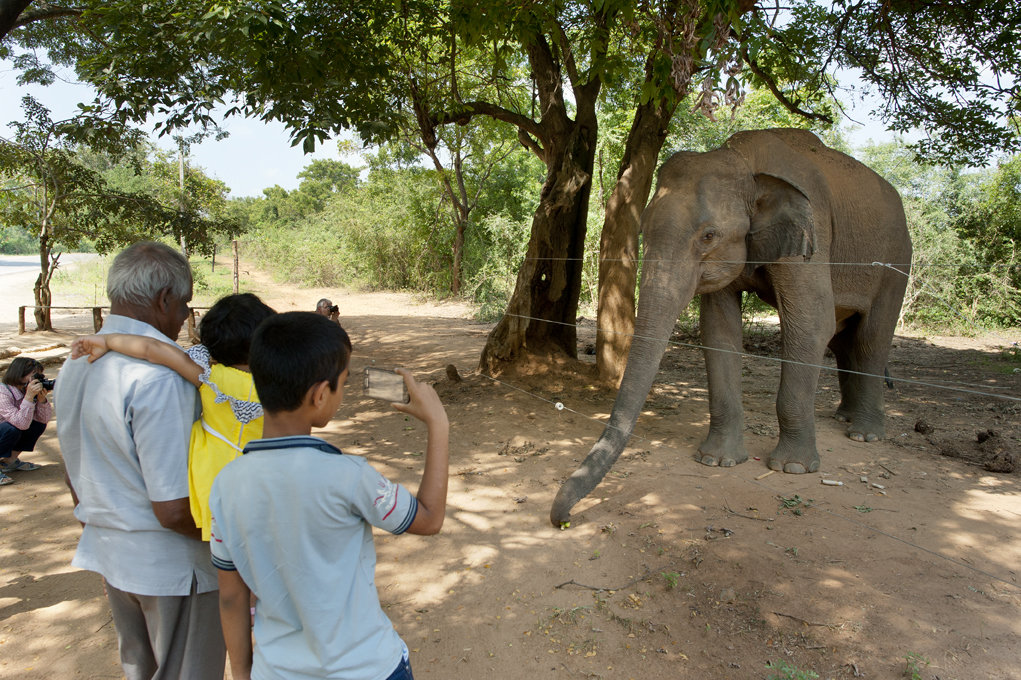
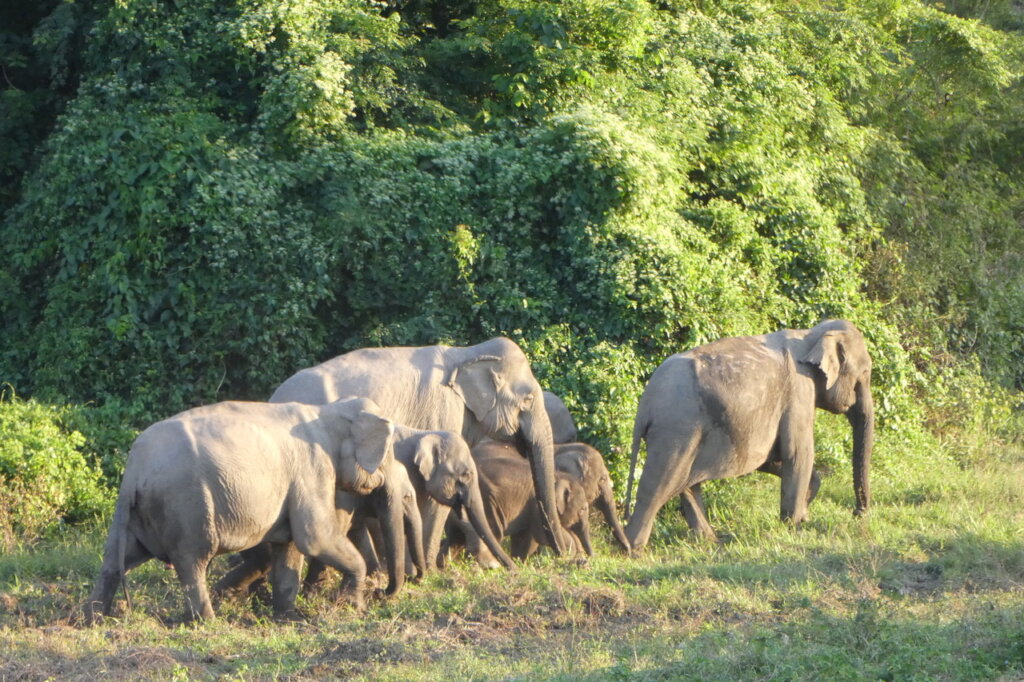
Despite these challenges, participating farmers have remained engaged and committed to the project. The continued implementation of the crop component has provided an important source of support and optimism for beneficiary households, helping to strengthen livelihood resilience while promoting practices that contribute to improved human-elephant coexistence.
As the project moves forward, attention will focus on ensuring the successful maintenance of distributed crops, monitoring farmer participation and outcomes, and continuing to build long-term livelihood resilience among communities living alongside elephants.
Alternative Crop Project: Supporting 124 Farming Households
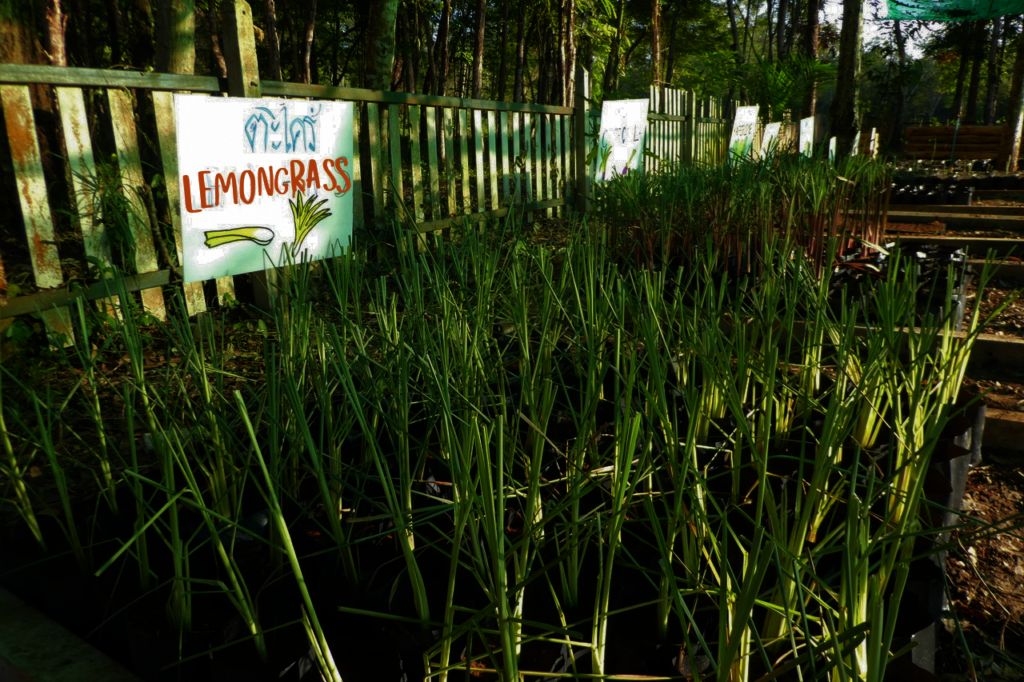
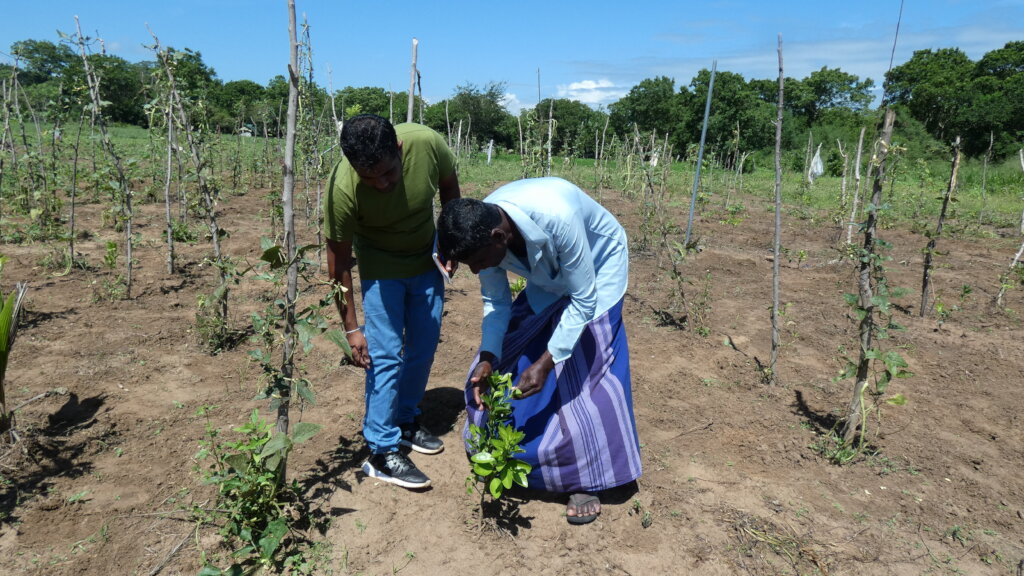
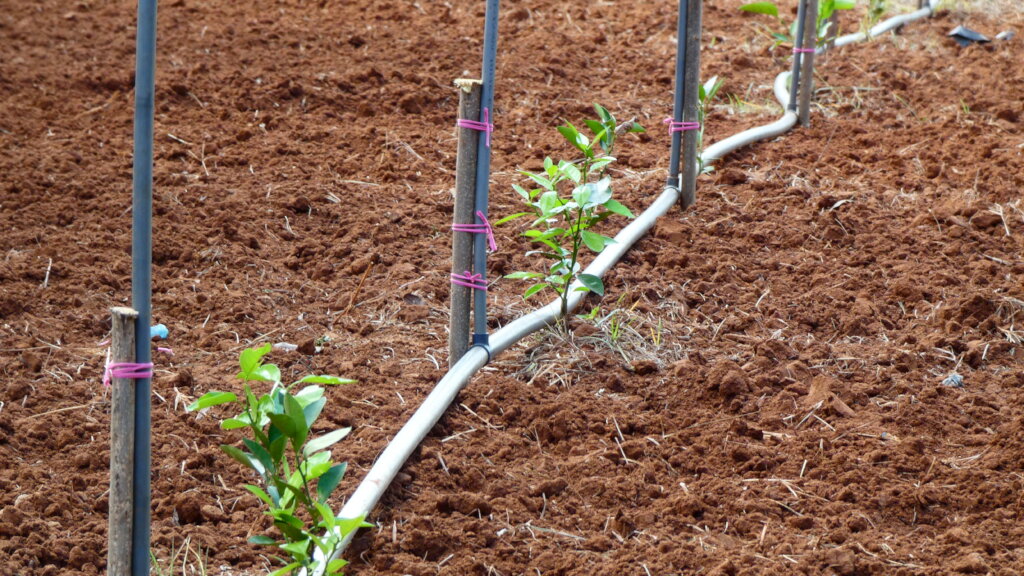
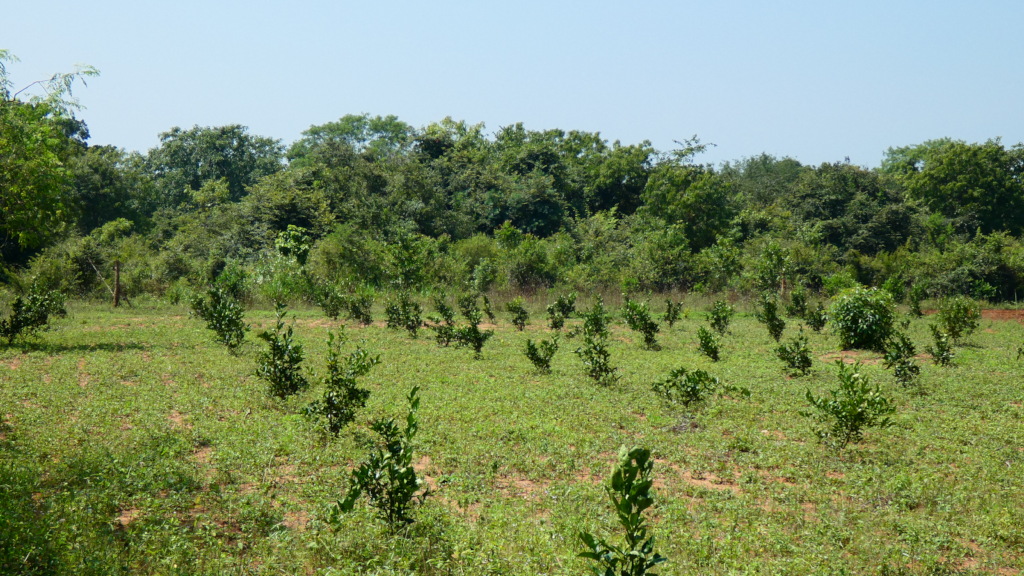
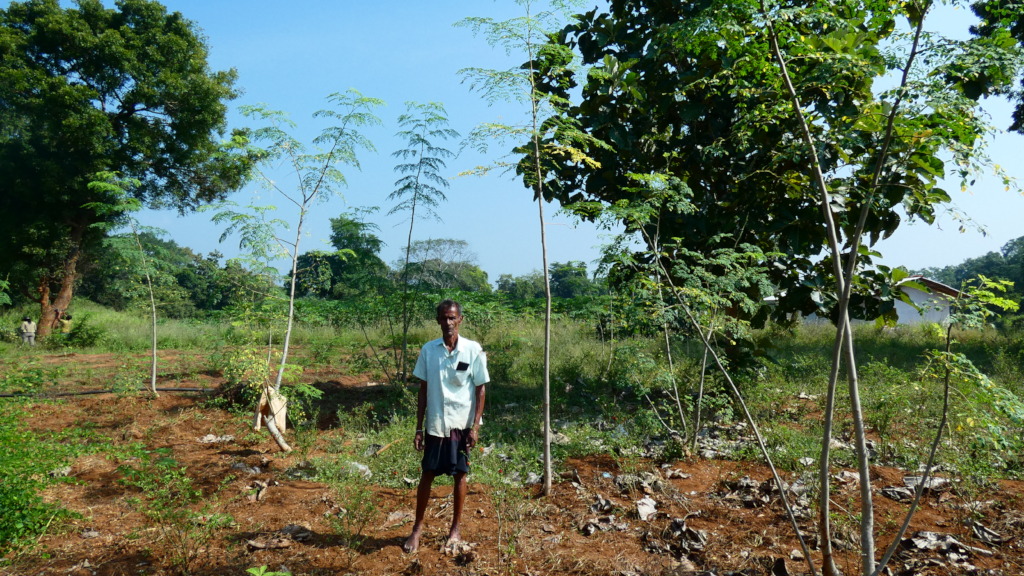
With your continued support, the alternative crop program continues to strengthen livelihoods and reduce human–elephant conflict. We are pleased to report that crop distribution has been completed for all 124 participating households. Of these, 46 farmers received lime saplings, 38 farmers received moringa saplings, and 40 farmers are cultivating local oranges.
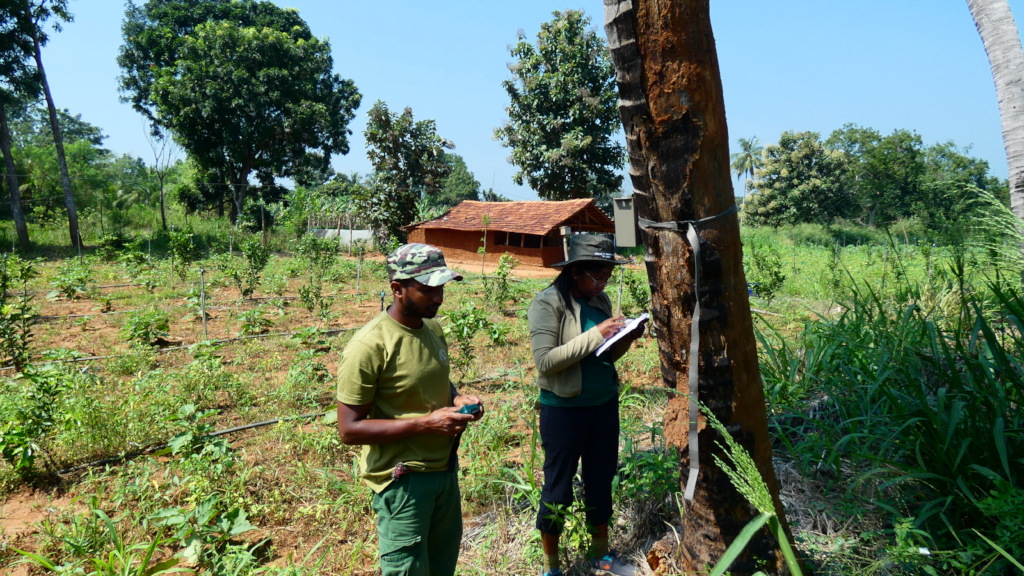
The project has now moved into the next phase, with field visits showing encouraging farmer participation and crop growth. As the Udawalawe region approaches the dry season, many farmers are expected to face irrigation challenges, compounded by rising fuel costs and broader economic pressures.
To support farmers during this critical period, the project team is planning to provide, the 2nd cash stipend to help cover crop maintenance costs. We remain hopeful that the crops have reached a stage where they can successfully withstand the upcoming dry season, and we will continue monitoring their progress in the months ahead.
Behavioral Study: Phase 3 ends!
During this reporting period, the team successfully obtained approval to operate the drone for the next four months, enabling the resumption of aerial monitoring activities. Planned surveys will focus on the original 40 participating farms, allowing the project to assess landscape-level changes and evaluate progress over the past year.
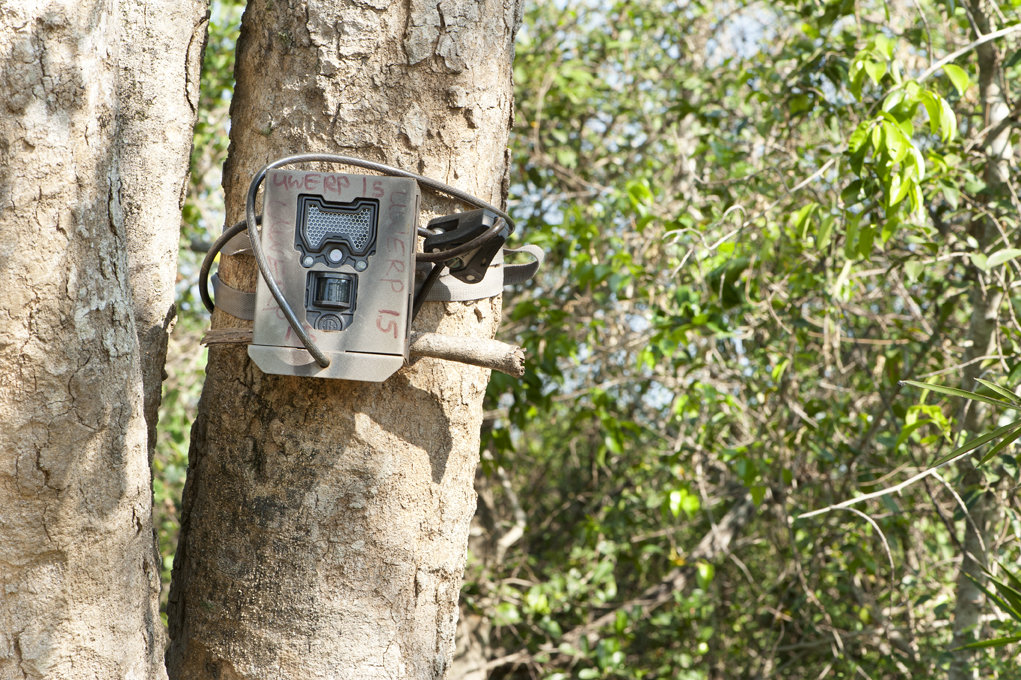
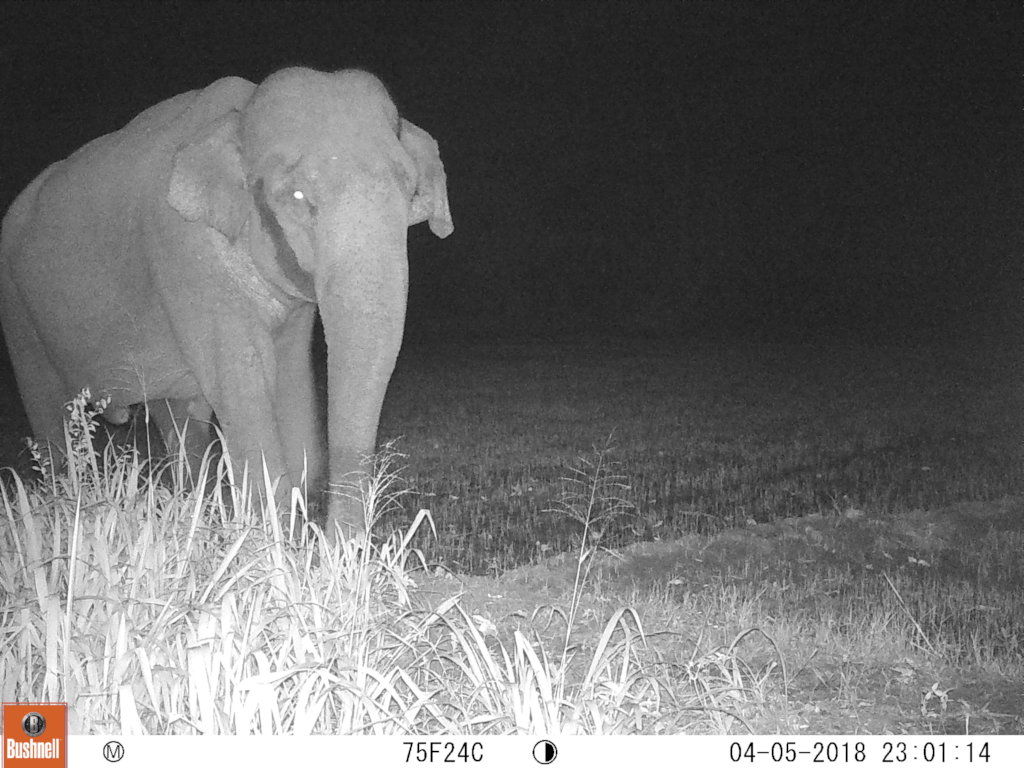
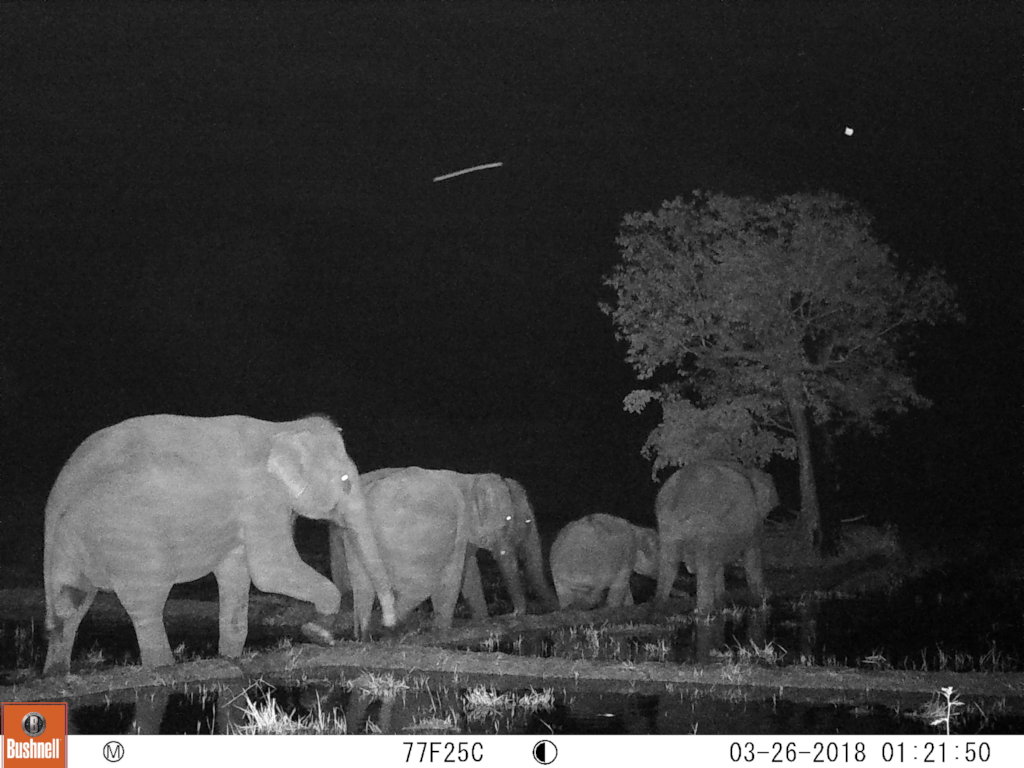
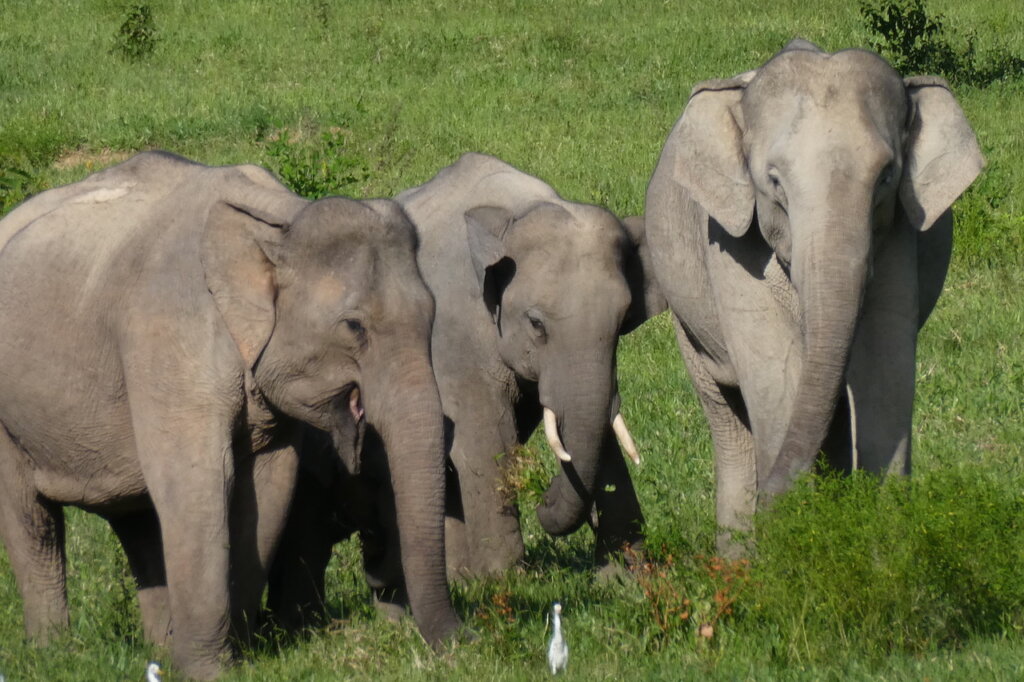
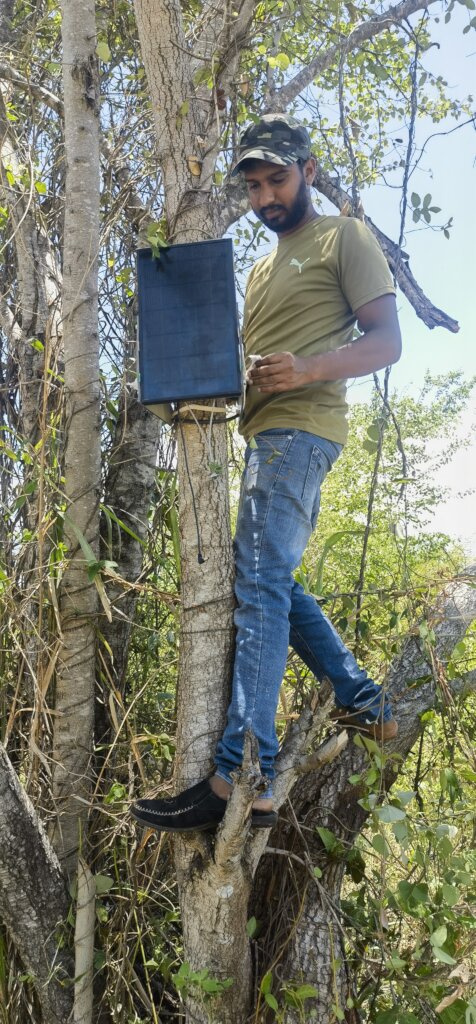
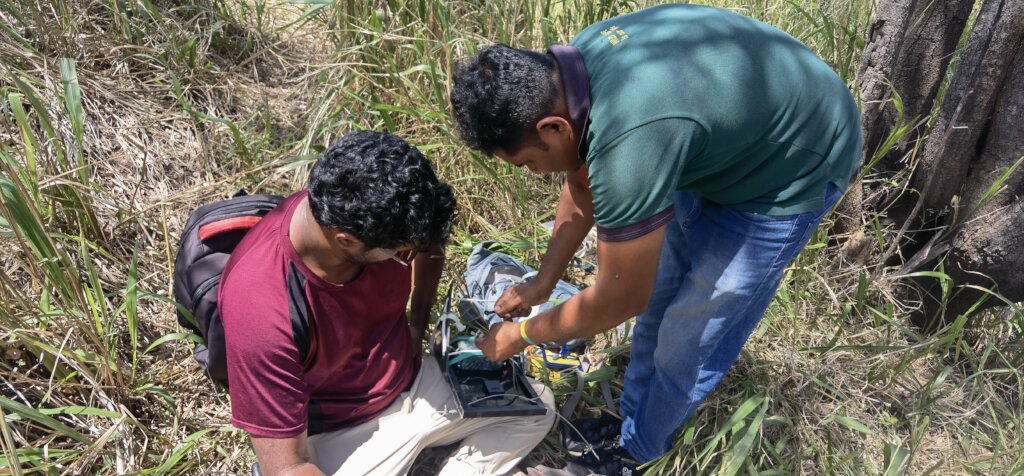
Camera trap monitoring also continued throughout the quarter, with devices deployed across key project areas for the past four months. The cameras have now been retrieved, and the team is looking forward to reviewing and analyzing the data collected. As with any long-term field monitoring effort, several technical issues were encountered, including equipment malfunctions and one camera trap that was damaged by an elephant. Despite these challenges, the monitoring program was largely successful and is expected to provide valuable insights into elephant activity and habitat use within the project landscape.
Strengthening Our Field Operations
Our field office has finally secured a stable and reliable internet connection, marking the end of ongoing connectivity challenges that have affected operations for some time. The office being situated in the remote part of Udawalawe, the team always had coverage issues. With terabytes of valuable field data previously constrained within local storage, we are now able to efficiently back up critical datasets and seamlessly upload field photos and monitoring outputs. This improvement significantly strengthens our data management capacity and enhances the overall efficiency of project reporting and field documentation.
Links:
Project reports on GlobalGiving are posted directly to globalgiving.org by Project Leaders as they are completed, generally every 3-4 months. To protect the integrity of these documents, GlobalGiving does not alter them; therefore you may find some language or formatting issues.
If you donate to this project or have donated to this project, you can receive an email when this project posts a report. You can also subscribe for reports without donating.



Support this important cause by creating a personalized fundraising page.
Start a Fundraiser