By Susan Berta | Program Coordinator
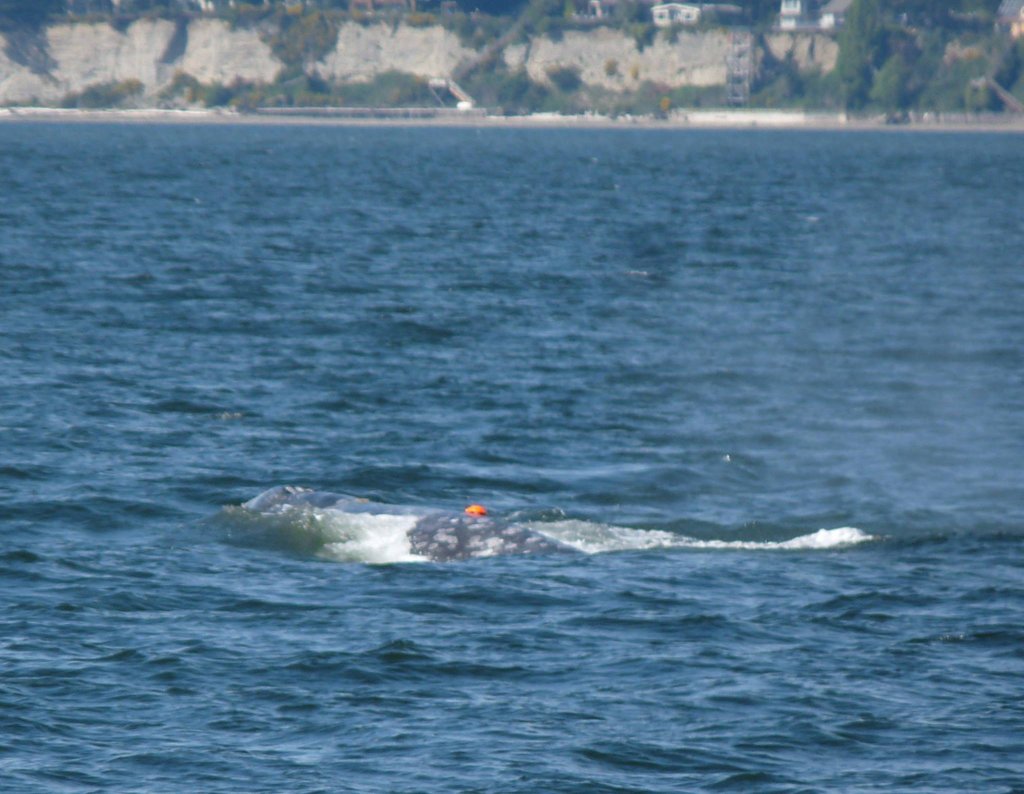
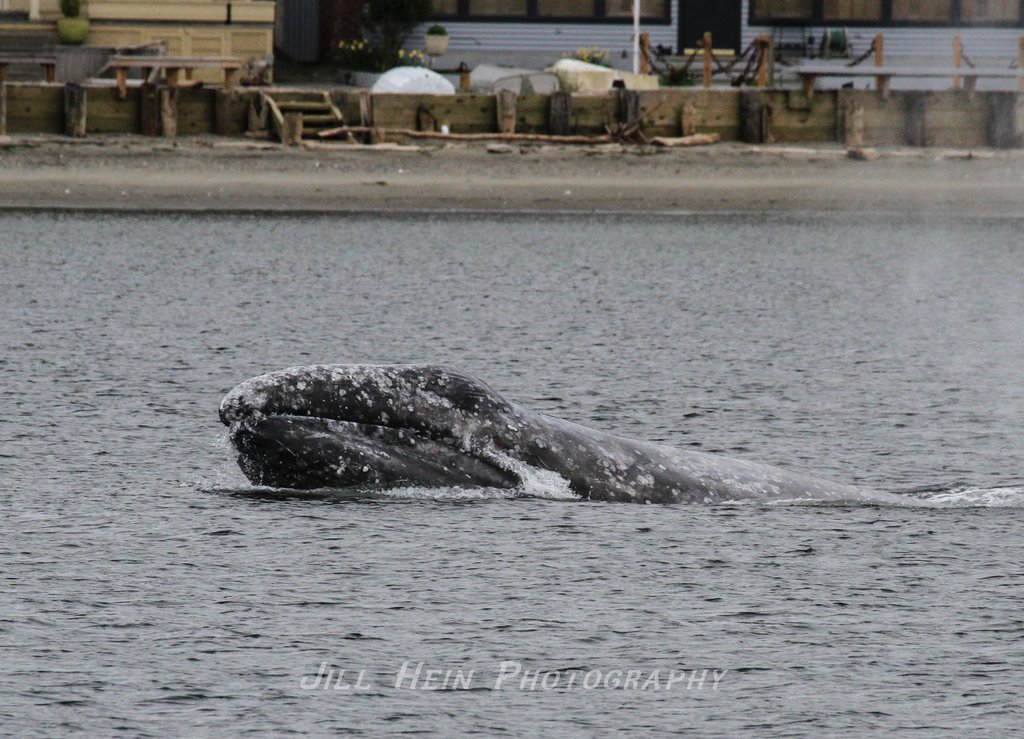
Though our name is Orca Network, our Whale Sighting Network tracks more than orcas - and each spring is when we welcome the North Puget Sound Gray whales to our Whidbey Island waters!
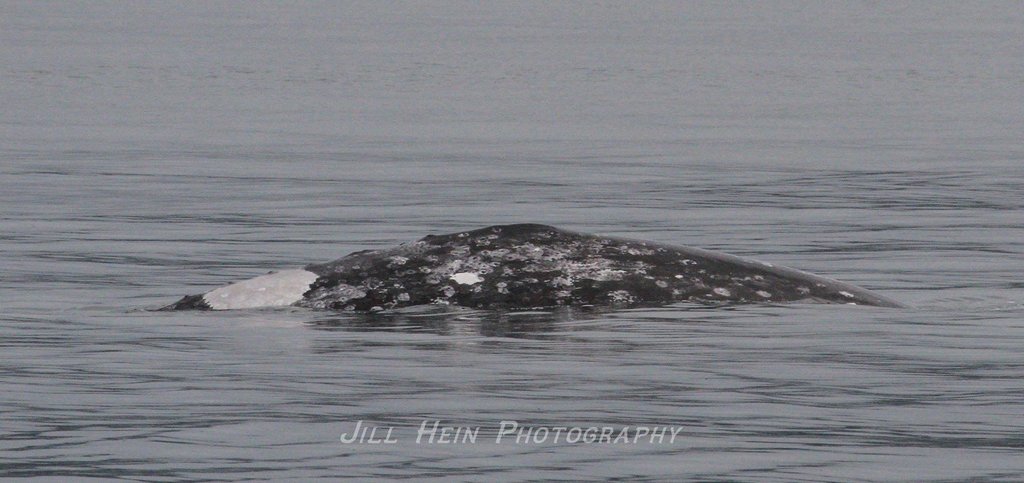
10 - 12 North Puget Sound Gray whales have been identified by Cascadia Research, and their comings and goings tracked since the early 1990s. Orca Network's Whale Sighting Network has greatly added to their whale sightings data for this small group of Gray whales, and with the advent of new technologies, more and more is being learned about them.
It was originally assumed these were all older male whales, who were not making the full migration south to the mating and birthing lagoons. But through DNA testing, we now know that at least several of this group are female, and looking back through the decades of sightings data, we can see years when they didn't come into Puget Sound, presumably the years they had a calf and lingered longer in the lagoons of Baja, Mexico (where Orca Network takes a group each year on a guided trip to a whale camp in San Ignacio Lagoon - more info. on our website).
This year Orca Network has worked with the City of Langley, Cascadia Research and the Dept. of Natural Resources to help determine whether the density of ghost shrimp, which is why these Gray whales come to our area, is enough to sustain both the whales and the commercial ghost shrimp harvesters, who harvest the shrimp for bait. The commercial harvest was temporarily halted by DNR this past year, and we have already seen a change in the whales' feeding patterns - they are returning to beaches that were once their favorites, but had been abandoned in the past five or six years. Thanks to Orca Network board member Fred Lundahl, we also have some great aerial photos of feeding pits, and are able to compare them from year to year, to see how much the whales have been feeding, and where. Cascadia Research also deployed suction cup tags onto several of the whales this year, to obtain dive data, track movements, and record video of the whales swimming and feeding, showing close underwater interaction between the whales, which is something we haven't seen from surface viewing.
Orca Network continues to partner with Cascadia Research to educate the public about this special group of Gray Whales that visits each spring, and are working on a new display for the Langley Whale Center about the whales and the decades of research done by Cascadia. And each April, Orca Network celebrates the return of these majestic Gray whales with our Welcome the Whales Day Parade and Festival, a fun family event which also includes a presentation on gray whales, this year's speaker being James Sumich, author of E. robustus: The Biology and Human History of Gray Whales.
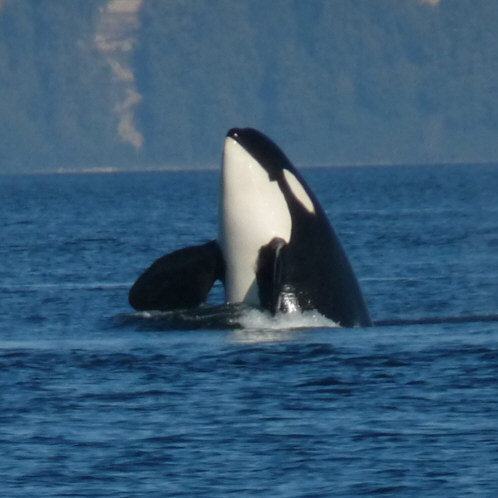
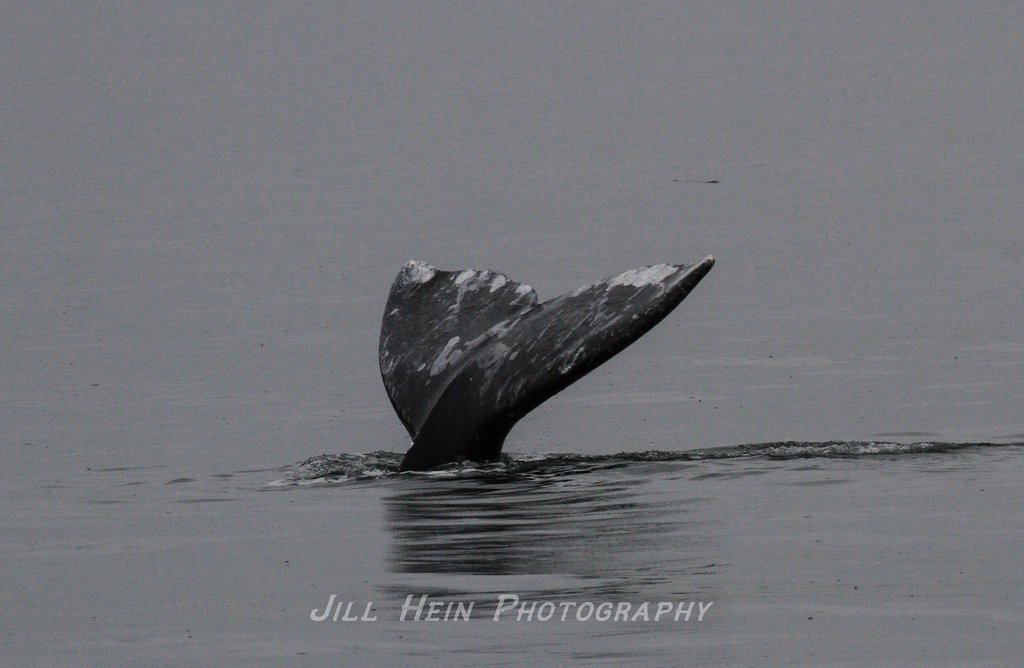
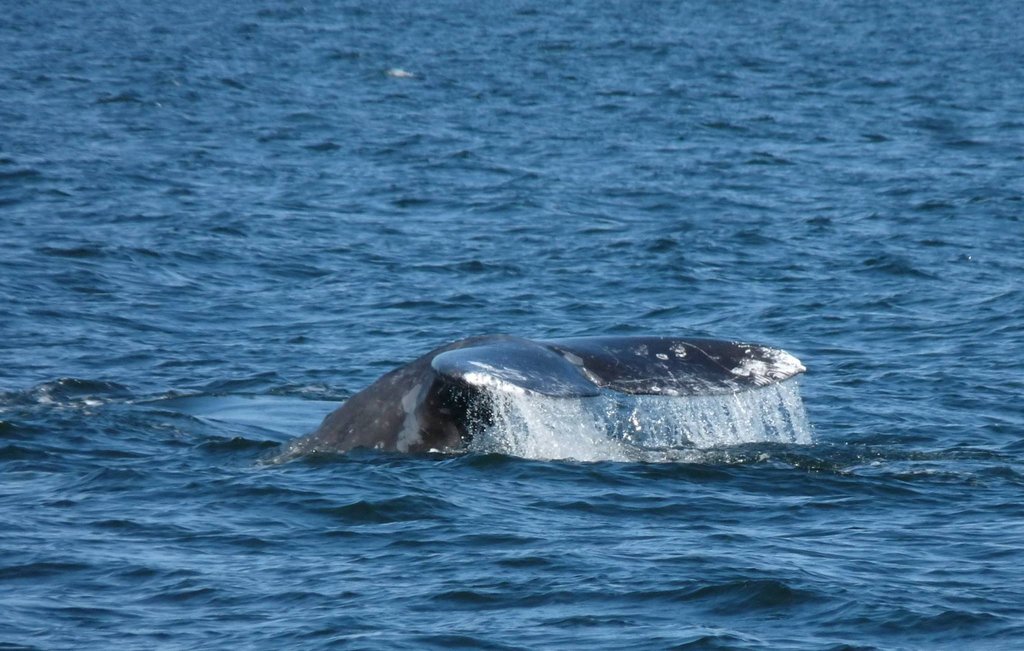
The Gray whales typically show up in Puget Sound waters around the beginning of March, and leave by sometime in mid to late May. It is not known why this small group of Grays comes in to feed on ghost shrimp each spring, or why other Gray whales don't seem to be aware of this food source here, but the arrival of the Grays each season is a delight to everyone on our stranding network, hoping to catch a glimpse of a spout, a fluke, spyhop, or whales feeding close to shore. In turn, each report we get of Gray whales from the people enjoying them from our many miles of shorelines, is important data used by researchers to monitor the health of the Gray whales, their habitat and their food sources.
Your support helps keep the Whale Sighting Network going, and we truly appreciate your help!
Links:
Project reports on GlobalGiving are posted directly to globalgiving.org by Project Leaders as they are completed, generally every 3-4 months. To protect the integrity of these documents, GlobalGiving does not alter them; therefore you may find some language or formatting issues.
If you donate to this project or have donated to this project, you can receive an email when this project posts a report. You can also subscribe for reports without donating.