By Susan Berta | Project Coordinator
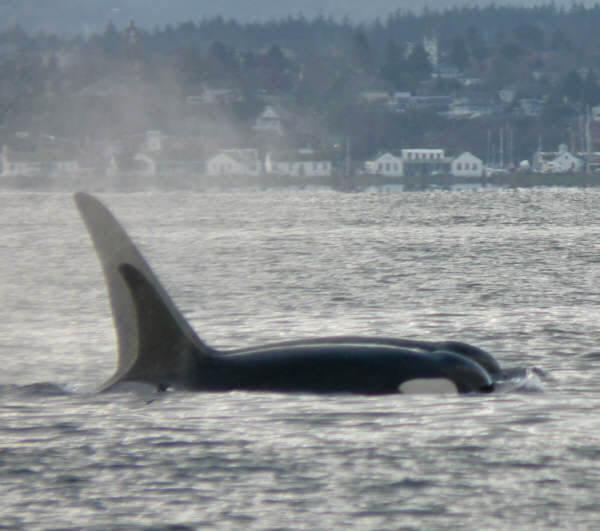
We prefer good news and stories of interest, but we have just learned that the Center for Whale Research has determined that two Southern Resident orcas, L53 Lulu and L100 Indigo, have not been seen with their families in 2014 and are presumed deceased. 37-year-old female L53 lost her mother, L7, in 2010, and had no siblings. L100, a 13-year-old male, was born to L54 Ino and had two siblings, L108, an 8-year-old brother, and L117, born in 2010, gender still unknown.
This brings the Southern Residents' overall population down to 78, the same number that led to their listing as endangered under the ESA in 2005. No newborns have been seen since August, 2012.
Many factors may influence birth and death rates, and our understanding of the causes of this decline is still evolving, but a strong correlation has been demonstrated between overall Chinook salmon abundance and resident orca birth and death rates. It's a refrain heard often among those who study and advocate for these precious orcas, but our most productive course of action continues to be to help in any way possible to restore salmon habitat throughout the known range of the Southern Resident orcas, which extends from SE Alaska to central California. This may involve some difficult conversations at times to present the case for more salmon-friendly lifestyles, but it alsocalls for widespread dedication to small or large restoration projects in neighborhood habitats and watersheds, and everyone in the Pacific Northwest lives near historic salmon habitat, and opportunities to help in any local area can be easily found.
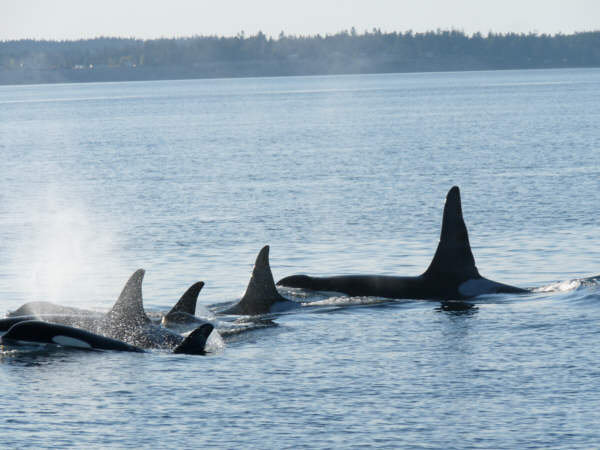
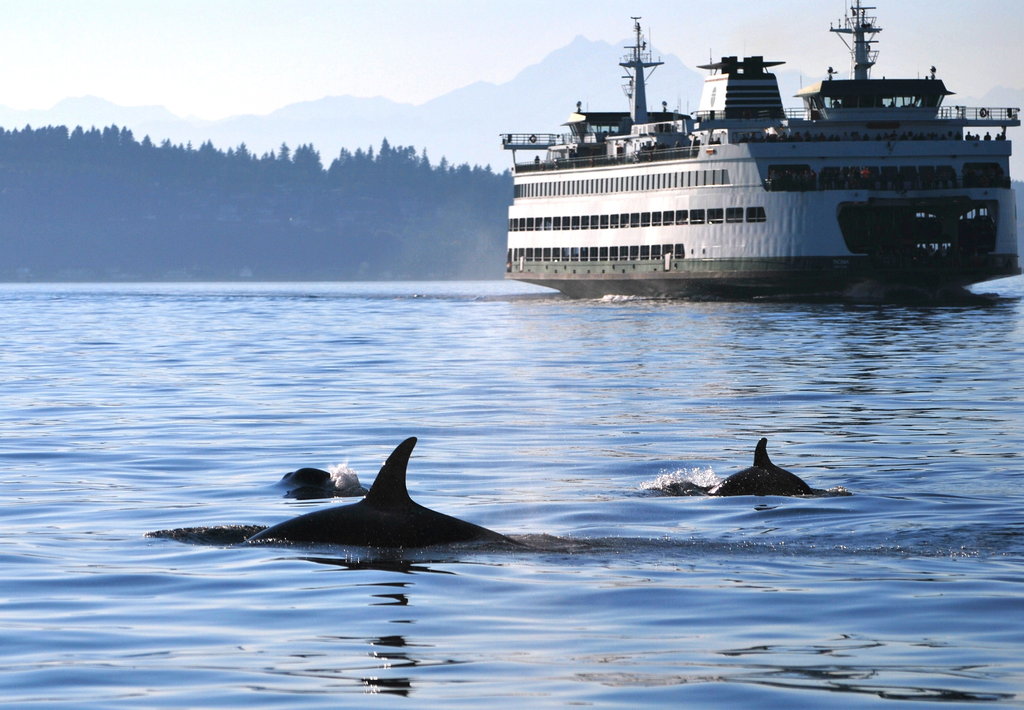
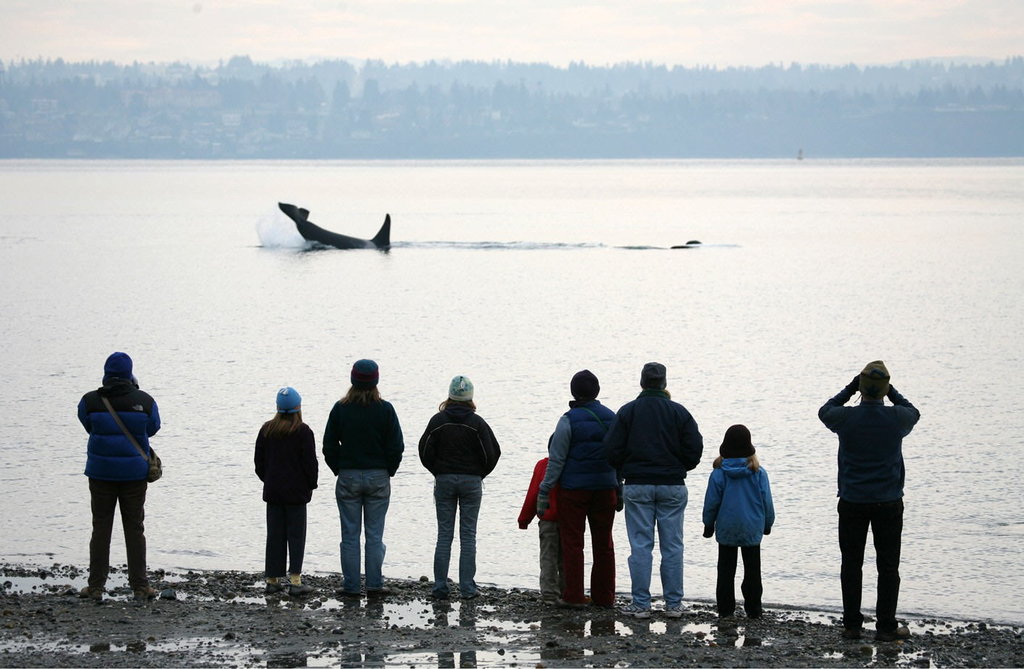
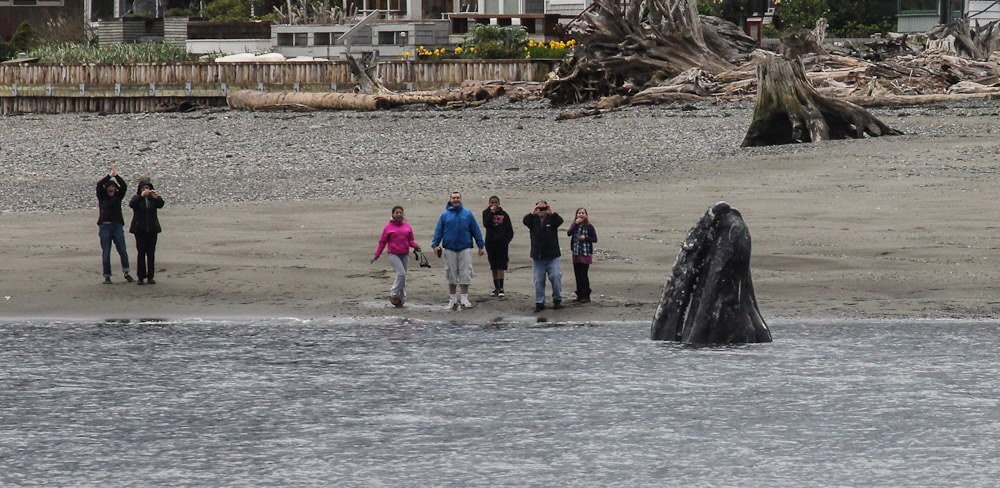
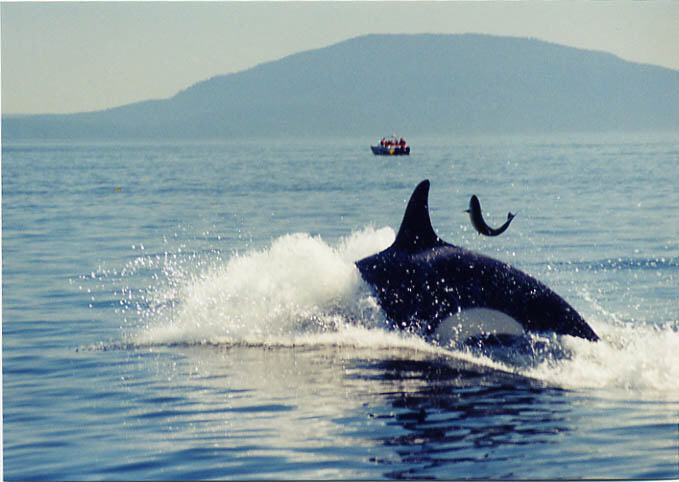
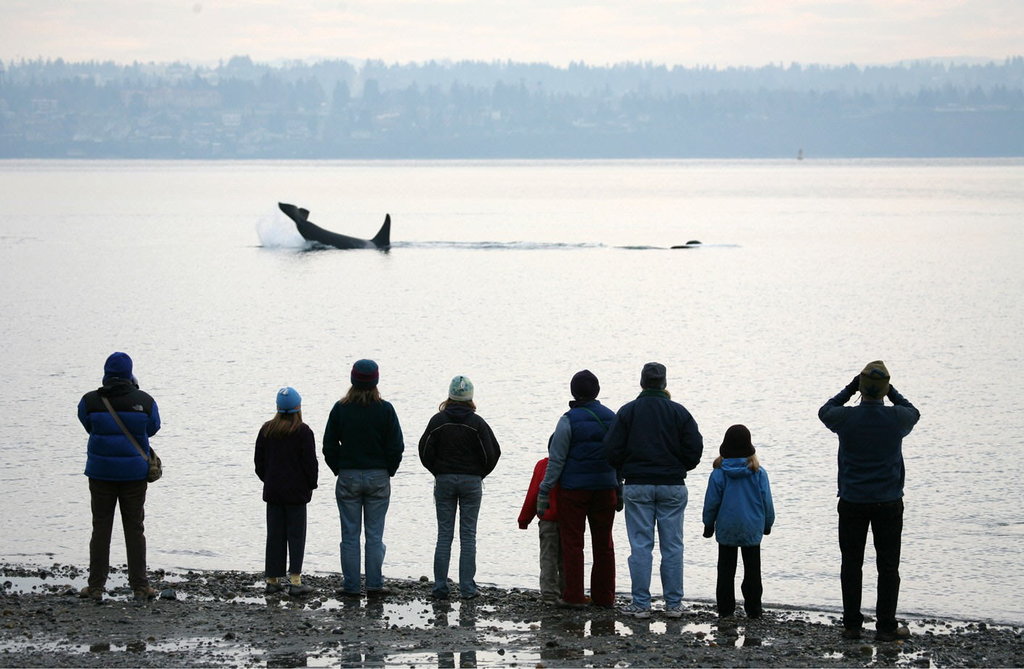
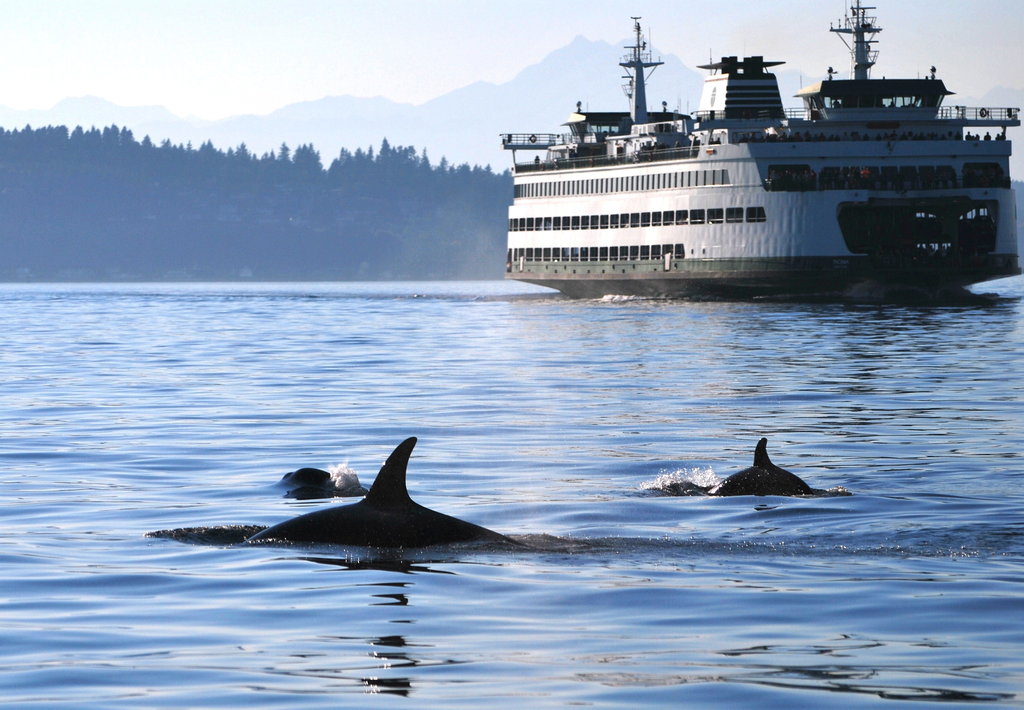
The good news is that this summer we have had sightings of all three pods regularly off the San Juan Islands in the US, and the Gulf Islands in British Columbia, appearing to be finding lots of food. This is a huge relief after last summer when the whales spent less time in the inland waters of the Salish Sea than had ever been witnessed in the 38 years this population of orcas has been intensely studied. We are hoping this fall the orcas show up often in Puget Sound, where they tend to follow salmon runs from October through January. This is where Orca Network's Whale Sighting Network plays its most important role - tracking the orcas (the Southern Residents, as well as the mammal-eating Transient orcas) to help determine which areas are important critical habitat and feeding areas for them, and to help researchers obtain information on which salmon stocks the orcas feed on during the fall/winter months.
You can sign up to receive our Whale Sighting Network updates on our website and/or follow sightings on a more real-time basis on our Facebook page. Citizens and volunteers play an important role in reporting sightings to our network, providing important data for researchers and agencies to work toward recovering this endangered population of orcas.
Your support helps us help the whales, and we truly appreciate your interest and donations ~
Links:
Project reports on GlobalGiving are posted directly to globalgiving.org by Project Leaders as they are completed, generally every 3-4 months. To protect the integrity of these documents, GlobalGiving does not alter them; therefore you may find some language or formatting issues.
If you donate to this project or have donated to this project, you can receive an email when this project posts a report. You can also subscribe for reports without donating.