By Susan Berta | Project Leader, Orca Network
This report brings some good news and some bad news. Our last report discussed the absence of our endangered Southern Resident orcas around the San Juan Islands and Salish Sea during the summer months, when they typically stay in the area feasting on Chinook salmon. The salmon were scarce, and so were the whales. The Fraser River Chinook salmon run was very low this year, but word is that Chinook salmon numbers off the Washington Coast were good, so it is likely the Southern Residents spent much of the summer off the coast of Washington and the west coast of Vancouver Island, where there were more salmon to sustain the pods over the summer.
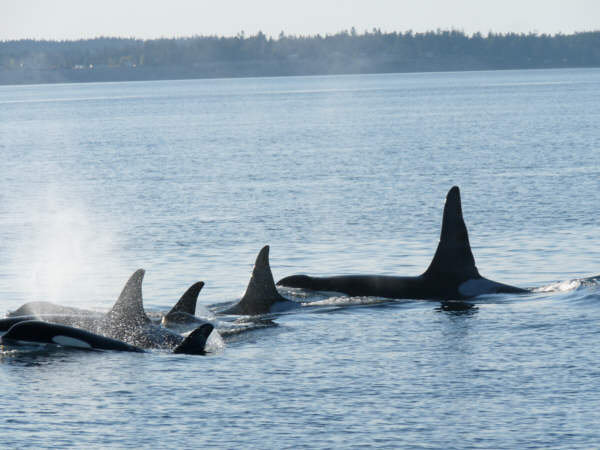
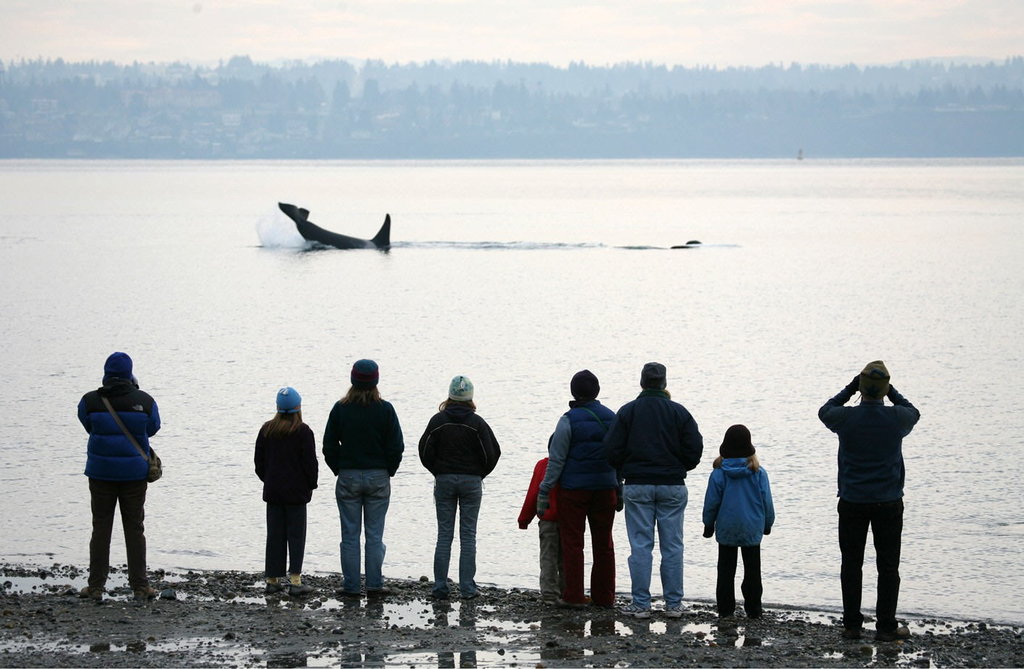
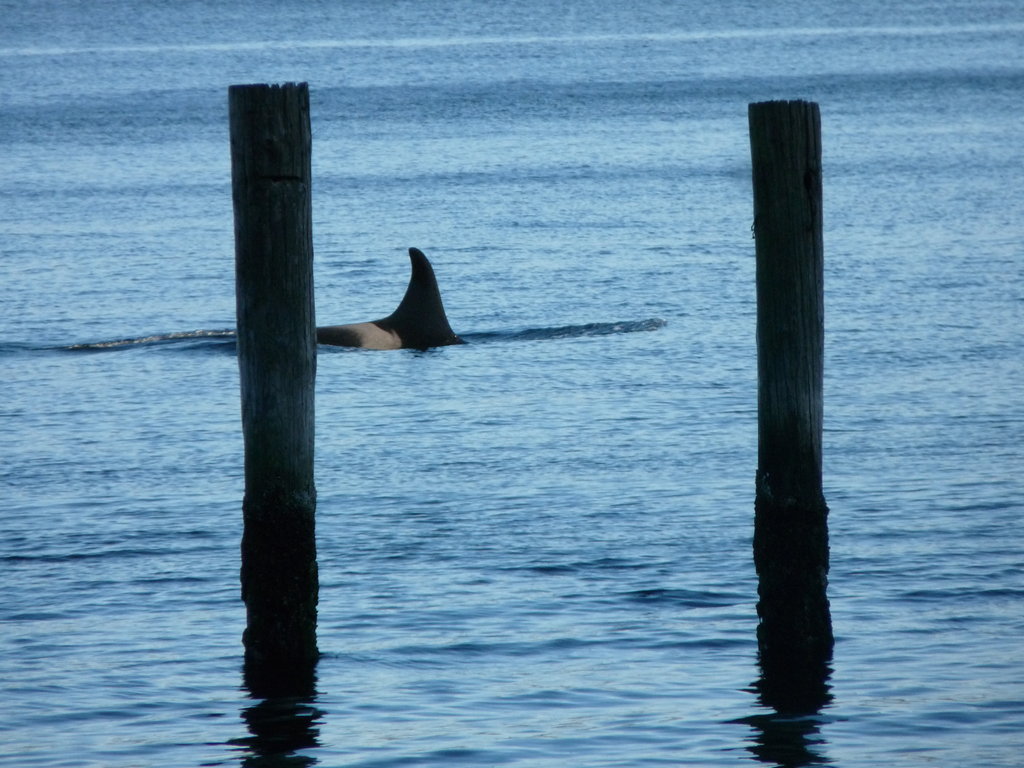
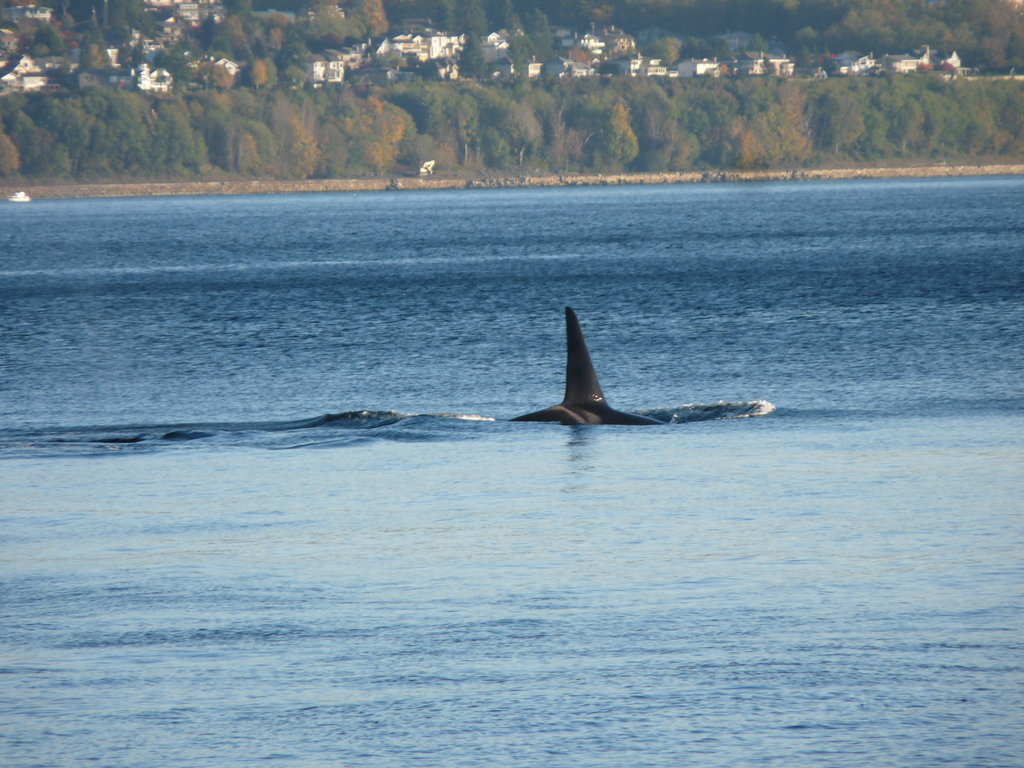
We wondered what the fall/winter season would be like after such an abnormal summer. The Southern Residents seem to switch to a diet of chum salmon during the winter season, and make forays into Puget Sound following the chum runs. We are happy to report that the Southern Residents have been coming through Admiralty Inlet, and into Puget Sound in their usual pattern, which brings some relief and likely means there are good chum runs to help make up for the lower numbers of Chinook in the Salish Sea this year. They first came into Puget Sound on Sept. 21st, then again at the end of October for a four day stay, then three days in early November, and again today, December 1st.
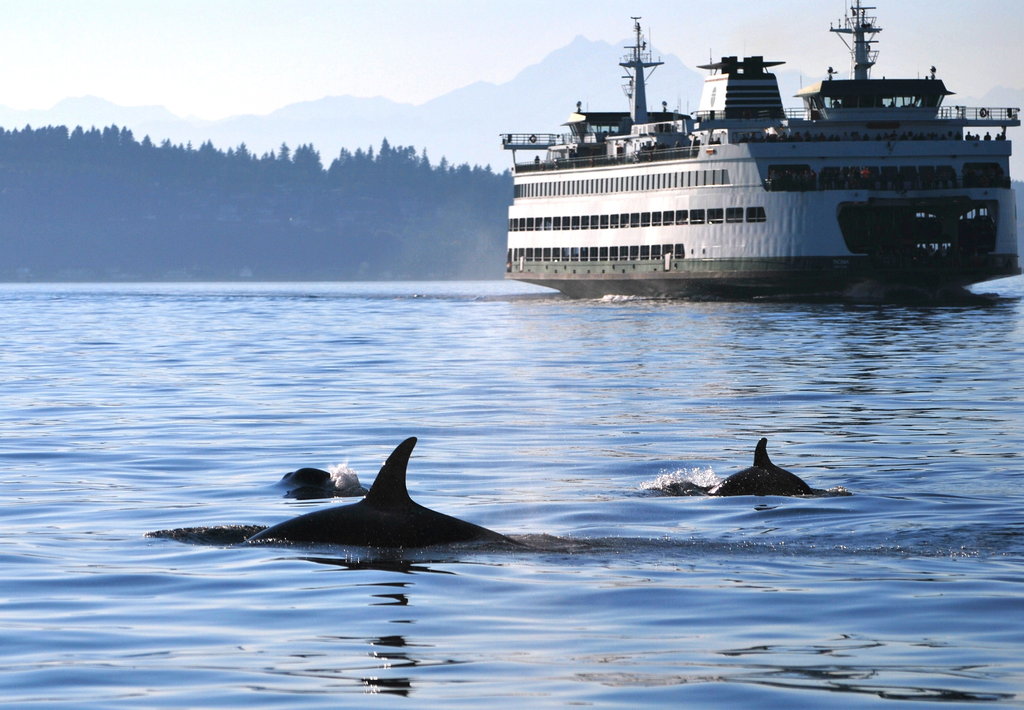
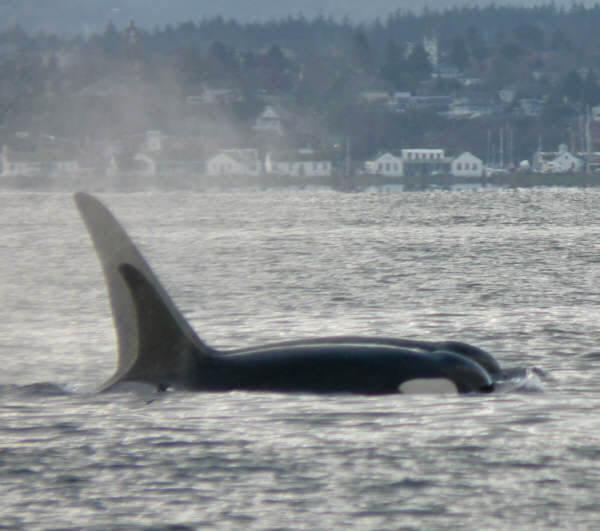
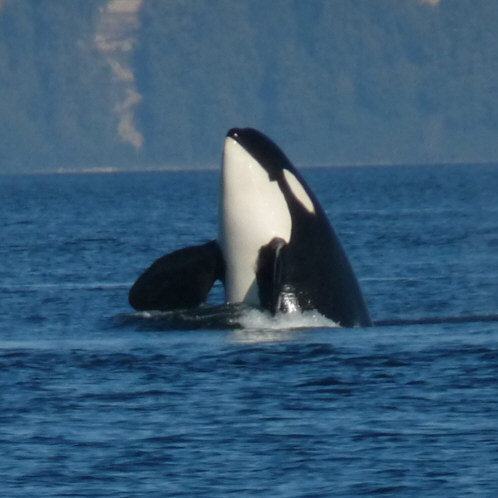
The sad news is that we have lost another Southern Resident orca, 80 year old J8. Though she lived a long and healthy life, she was a well known whale, with a distinctive "wheeze" to her blow, so you could always easily identify her. This loss brings the total population of the Southern Resident orcas down to just 80 whales - nearly as low as the last time their population tanked, in the late 1990s, when they were down to just 78 whales. The last dip in their population followed several years of steep declines for Chinook salmon, and triggered listing the Southern Residents under the Endangered Species Act. Much research has been done on all the elements that affect their health and survival - lack of food (mainly Chinook salmon, which are also endangered), toxins in the ocean and fish that they eat, loss of habitat and ocean noise (boats of all types, cargo ships, military ships and sonar, seismic airguns, etc).
But it all seems to come down to the salmon - during years when the Chinook salmon runs are the lowest, we see more deaths and fewer births in the Southern Resident orca community. Though much research has been done since the Southern Residents were listed under the ESA in 2005, there needs to be more action taken to preserve our endangered salmon runs, in order to preserve the Southern Resident orca population.
We worry and wait to see what happens next with the Southern Resident orcas - will more die? will we have some births this winter? Will we take action to increase Chinook salmon runs in time to save the orcas? One piece of good news to leave you with is that the Elwha River is already seeing large Chinook salmon return to the river after the removal of a dam, restoring a historic food source for the Southern Resident orcas. There is still work being done to complete removal of the 2nd dam on the Elwha, but the salmon are already returning, showing us that if we just give nature a chance, species often come back sooner than expected and thrive in newly restored habitats.
Orca Network continues to work to track the travels of the Southern Resident orcas, to educate people and raise awareness of the need for clean waters and healthy salmon runs, and to do all we can to preserve this fragile community of orcas in the Salish Sea.
Links:
Project reports on GlobalGiving are posted directly to globalgiving.org by Project Leaders as they are completed, generally every 3-4 months. To protect the integrity of these documents, GlobalGiving does not alter them; therefore you may find some language or formatting issues.
If you donate to this project or have donated to this project, you can receive an email when this project posts a report. You can also subscribe for reports without donating.