By Alisa Lemire Brooks | Whale Sighting Network Coordinator
Endangered Southern Resident Orcas
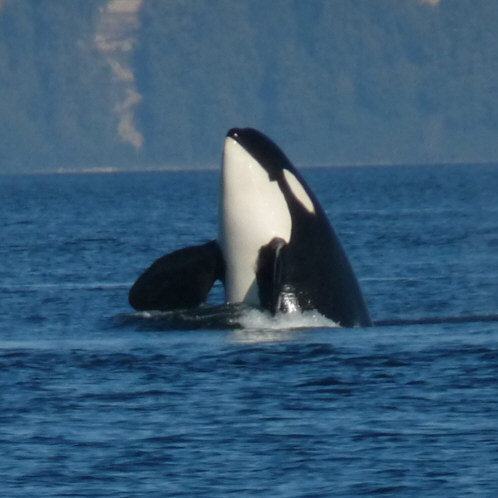
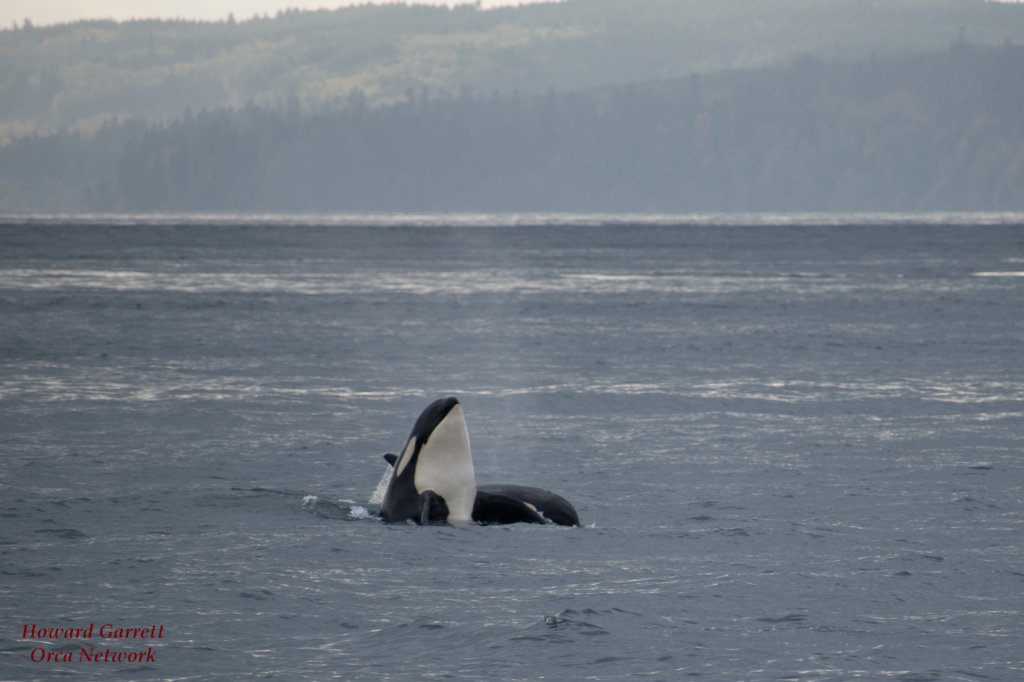
In our previous report, along with hopeful news on humpbacks and other species, 2017 brought forth sad realities of the seriously inadequate prey conditions affecting the Southern Resident killer whales; the dire situation of abysmal 2017 Fraser River chinook runs which resulted in a record low number of days J, K and L pods spent inland in their core summer habitat. Of note too, it has been another long period of no new calves born to this clan. The last surviving birth was over two years ago with L123 Lazuli, born November 2015.
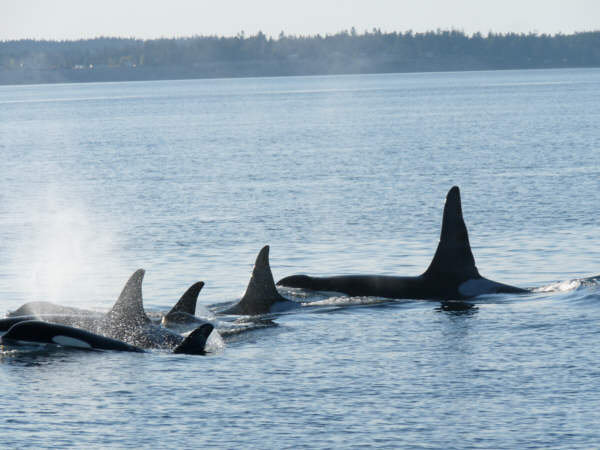
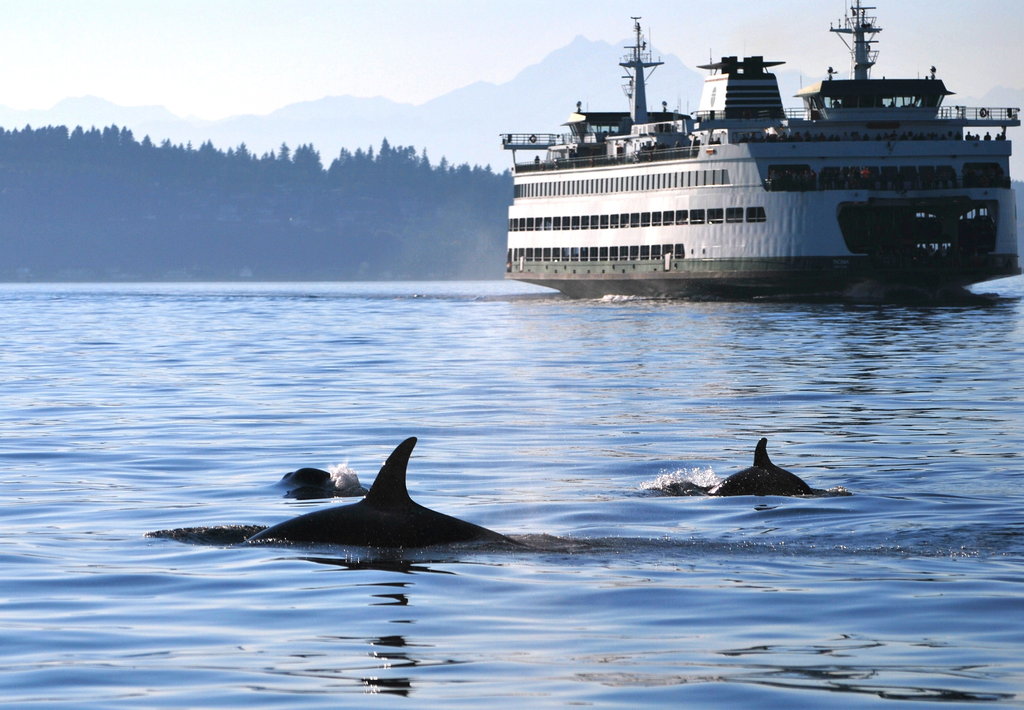
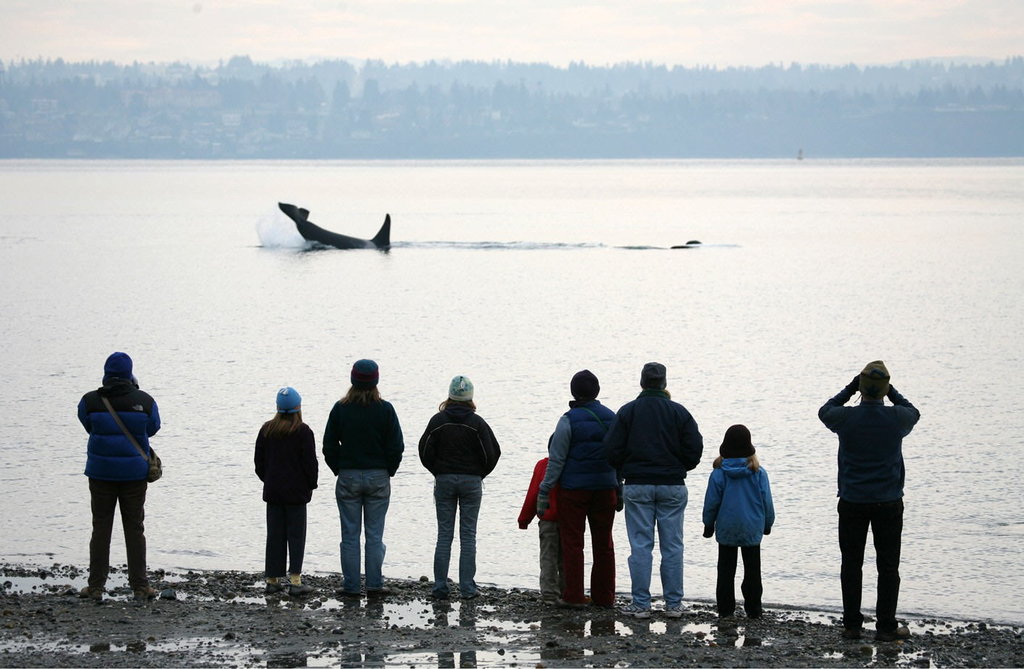
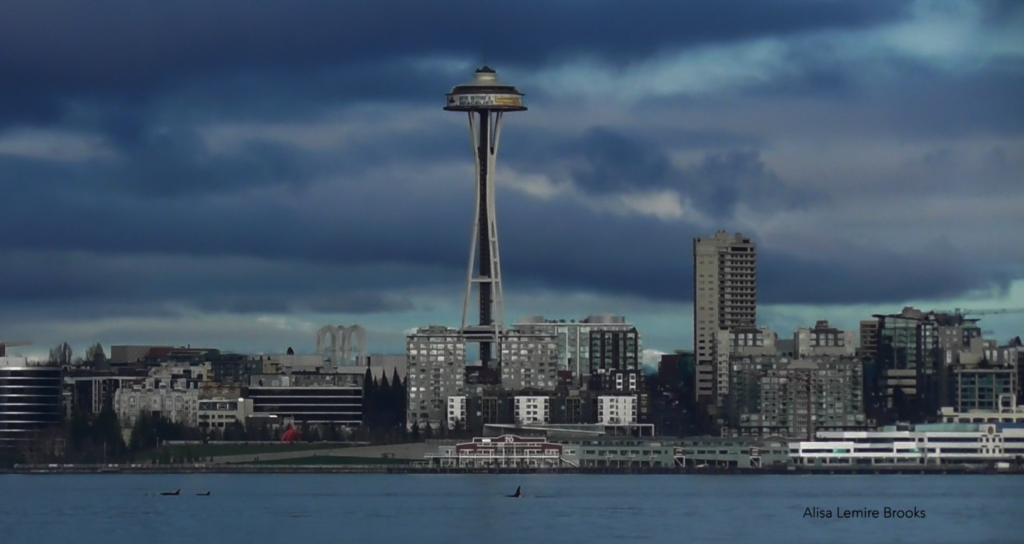
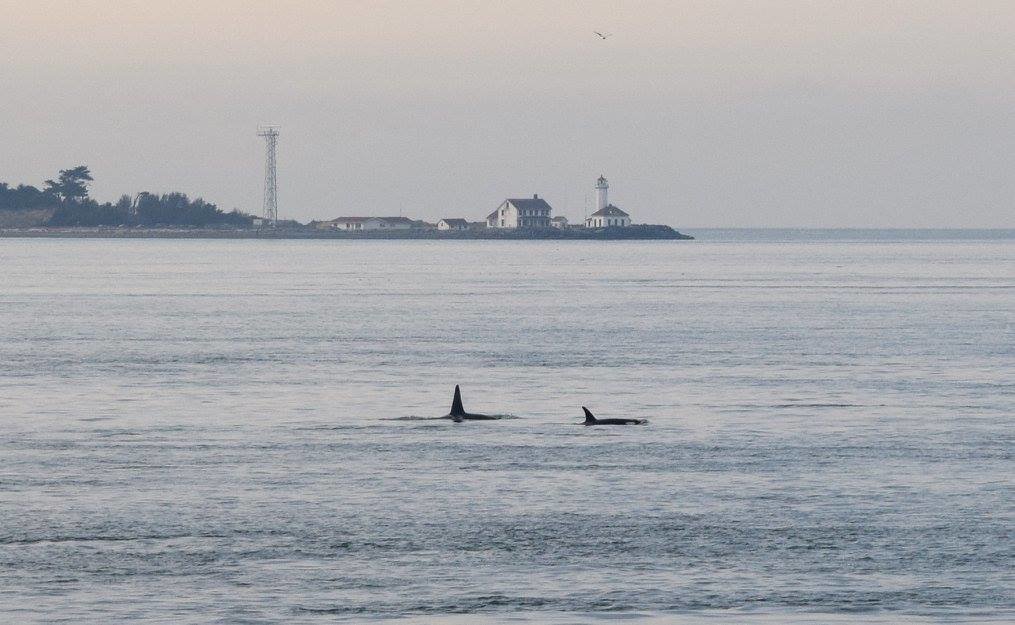
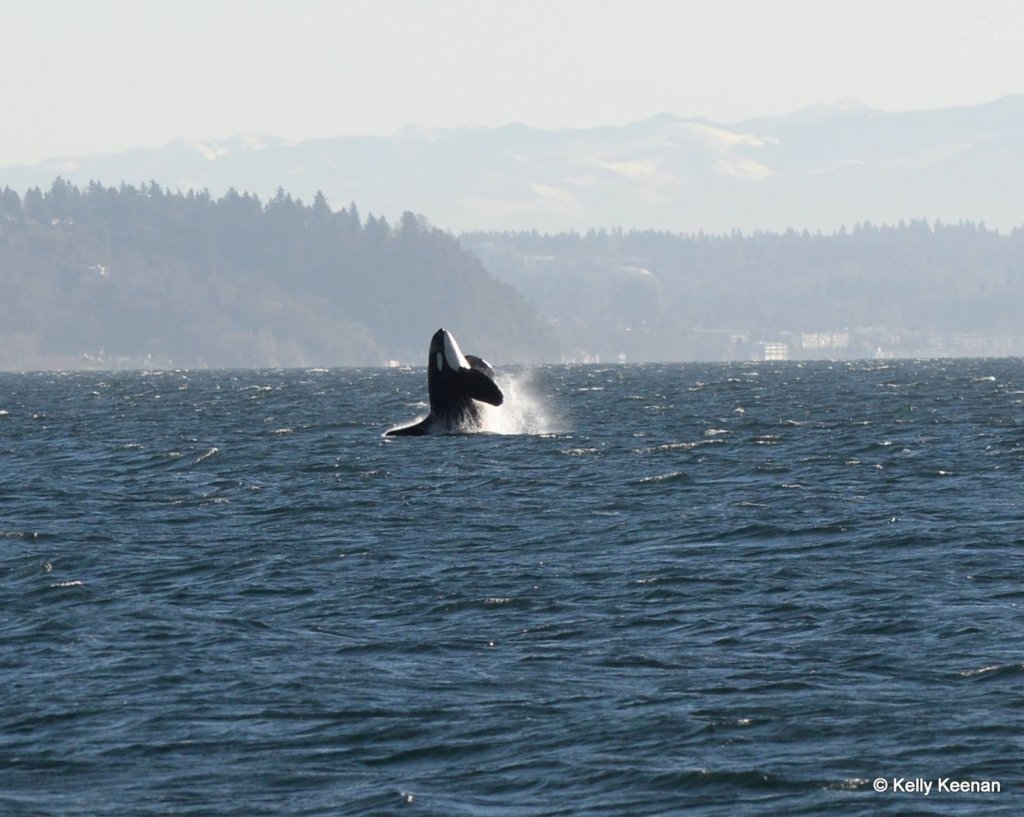
This Fall/winter season has brought the welcome surprise of more inland Puget Sound visits from the Southern Residents than we’ve seen in recent years, of which K pod (see Alisa's video from December) - who was barely seen at all spring/summer 2017 - has been the predominant. These past few months have been a busy time with all three pods coming and going with November being the busiest with some combinations of residents foraging and feasting on salmon from Admiralty Inlet and southward nearly half the days. We do hope they were finding plenty of salmon to help sustain them.
Transient/Bigg's Orcas
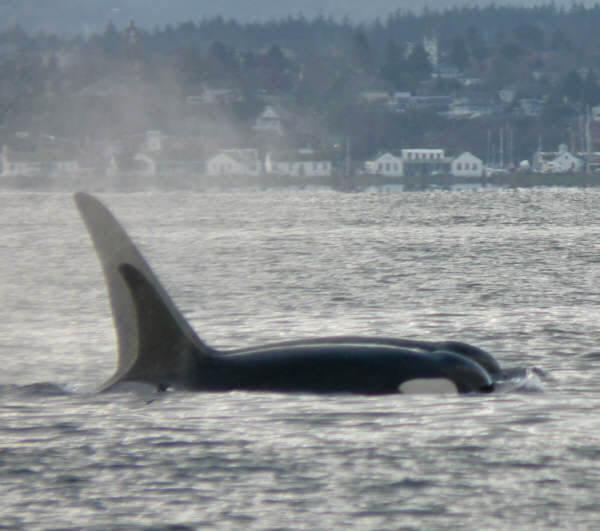
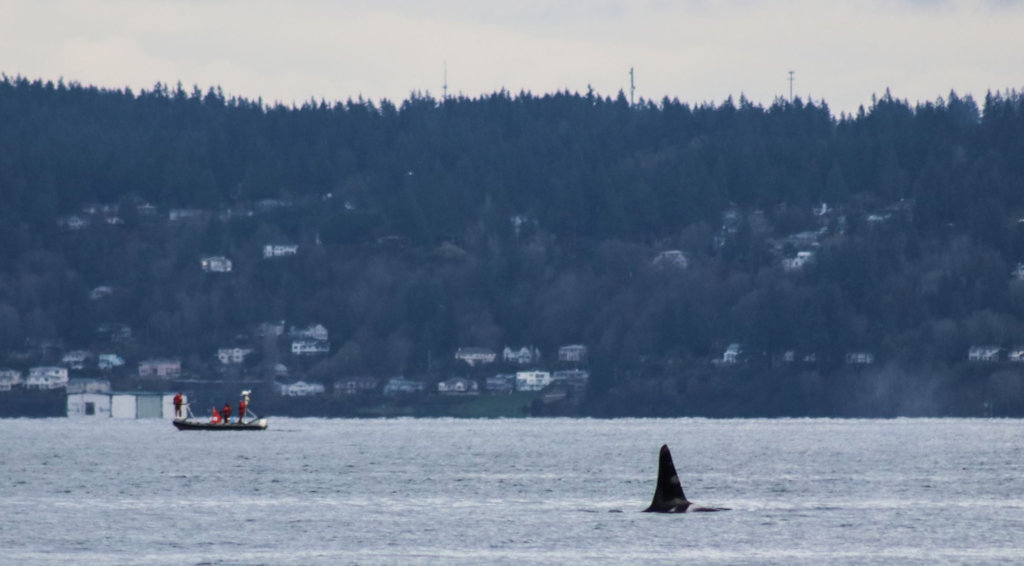
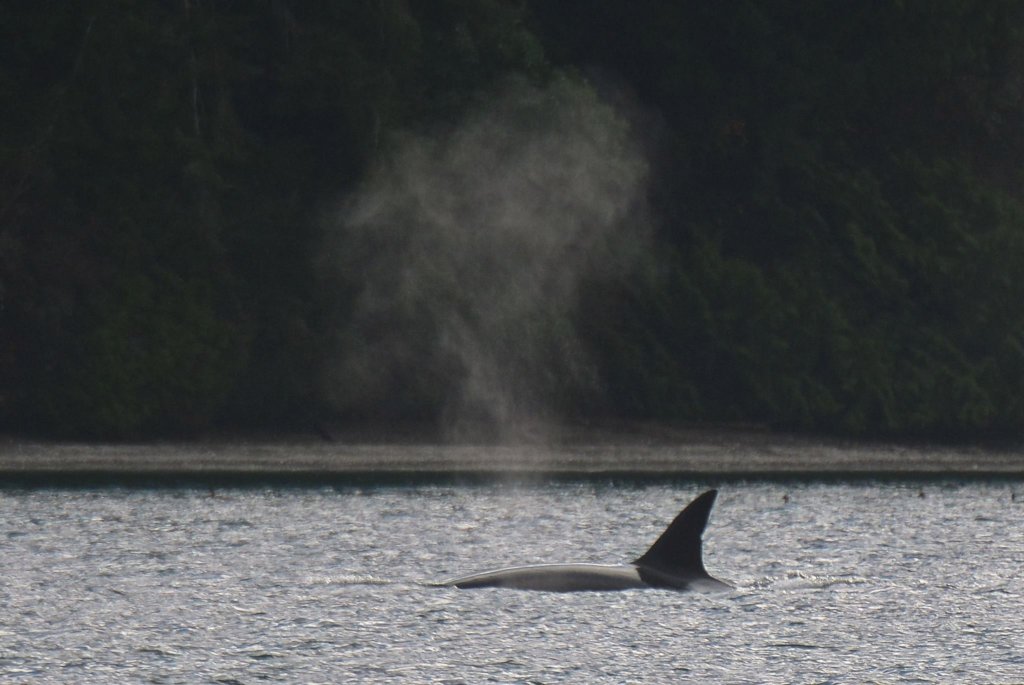
Mammal eaters are still finding plenty to eat in the inland waters of the Salish Sea and this fall/winter we have seen many matrilines coming and going in Puget Sound, sometimes in near proximity to the residents. Mid/late October had the T37s inland, they are one of the more resident of the Bigg’s matrilines to frequent our waters. T137s showed up again early November and spent around 10 days here, then were photographed and ID’d on November 30th by one of our volunteers. Mid December brought the exciting news the T137s had been ID’d along with the T36Bs off Mendocino, California! By the end of December they were back in the Salish Sea (see video of T90s and T100s by Alisa) and on New Years day were in Active Pass, BC. Such a wonderful example how through citizen science and cooperation of so many observers we can come to understand how far these apex predators can and do travel.
TWO MORE ID MATCH STORIES
“Google” the Humpback whale:
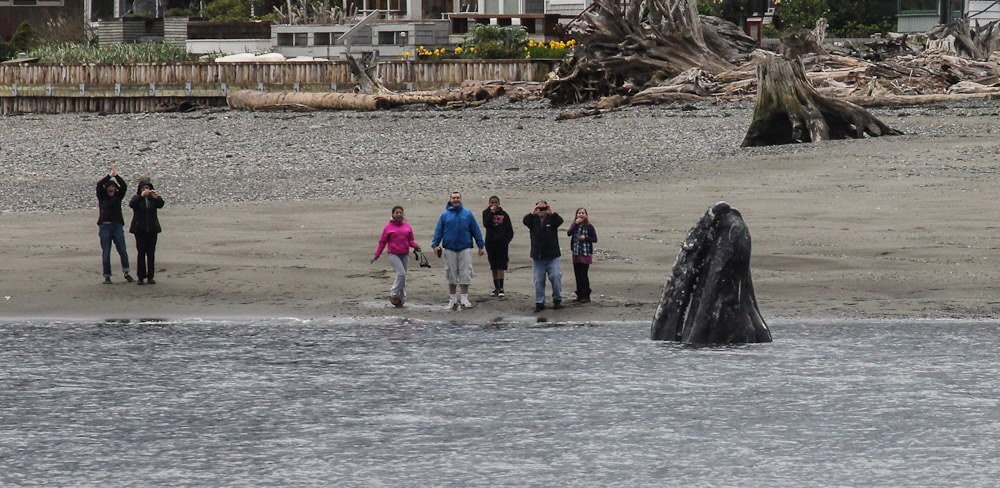
In early November during some quieter weeks, Alisa made a match with one of the humpbacks who spent over a month in south Puget Sound (Dorsal Dot) to a whale who was first recorded off the NE Coast of Vancouver Island as the 2016 calf of BCX1188. It was through the many photos shared by our volunteers and other contributors a match was possible to that of the calf in the Marine Education Research Society (MERS) catalogue. Researchers at MERS who first documented “Google” with his mom in NE Vancouver Island were thrilled. This is just one instance which highlights the importance of volunteers and citizen scientists and the importance of each contribution. You can read all about this exciting match on the MERS Facebook page.
“Miss” the Bottlenose dolphin:
September 30th one of our volunteers snapped a photo of who turned out to be a bottlenose dolphin. Periodically we get rare visitors who are outside their range. Sightings of several bottlenose continued to come in and by the end of November Cascadia Research in collaboration with their California Colleagues had enough documentation to positively ID an individual known as "Miss". She is part of a California coastal stock and is well known to researchers, first photographed in southern California in 1983! You can read more about this dolphin and ID match on the Cascadia Research website.
We are so grateful for the effort of everyone in helping to document these whales!
It is through the efforts and cooperation of many individuals that we get a sense of where these cetaceans go and what they are up to, and this information in turn is shared with researchers and natural resource managers who are working to help protect and preserve cetacean species, their prey sources and habitats.
And we are so grateful for your support of Orca Network’s Whale Sighting Network which helps this work continue ~ together we can all work to help the whales of the Salish Sea and beyond.
Links:
Project reports on GlobalGiving are posted directly to globalgiving.org by Project Leaders as they are completed, generally every 3-4 months. To protect the integrity of these documents, GlobalGiving does not alter them; therefore you may find some language or formatting issues.
If you donate to this project or have donated to this project, you can receive an email when this project posts a report. You can also subscribe for reports without donating.