By Bruce Gardiner | Project Director
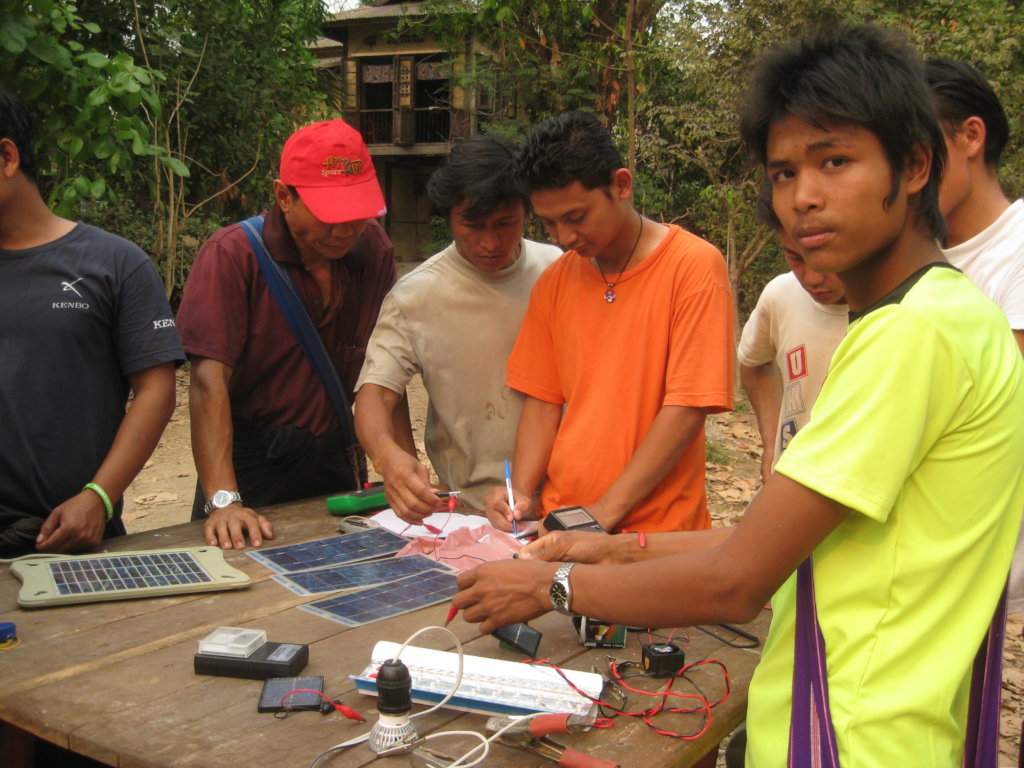
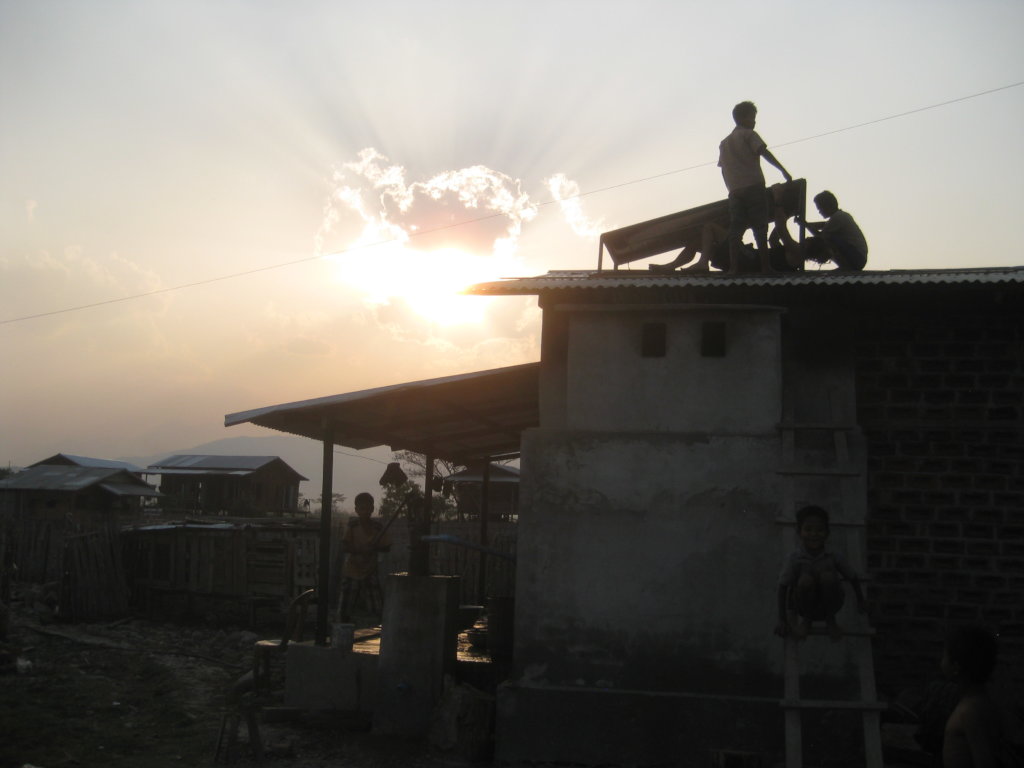
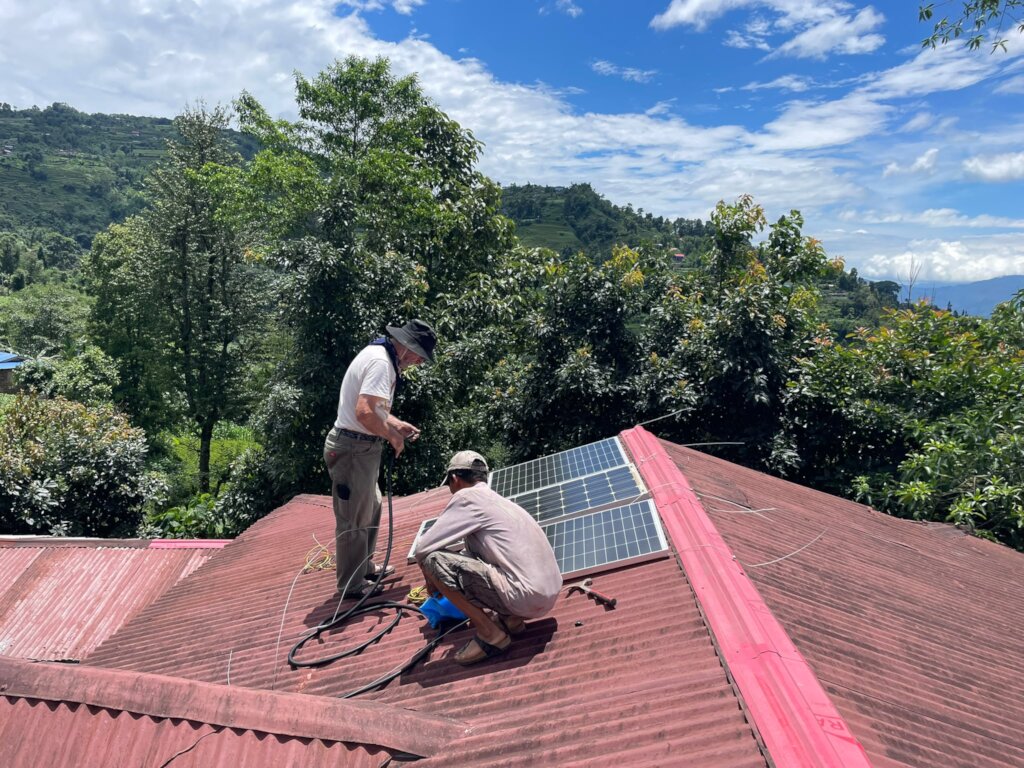
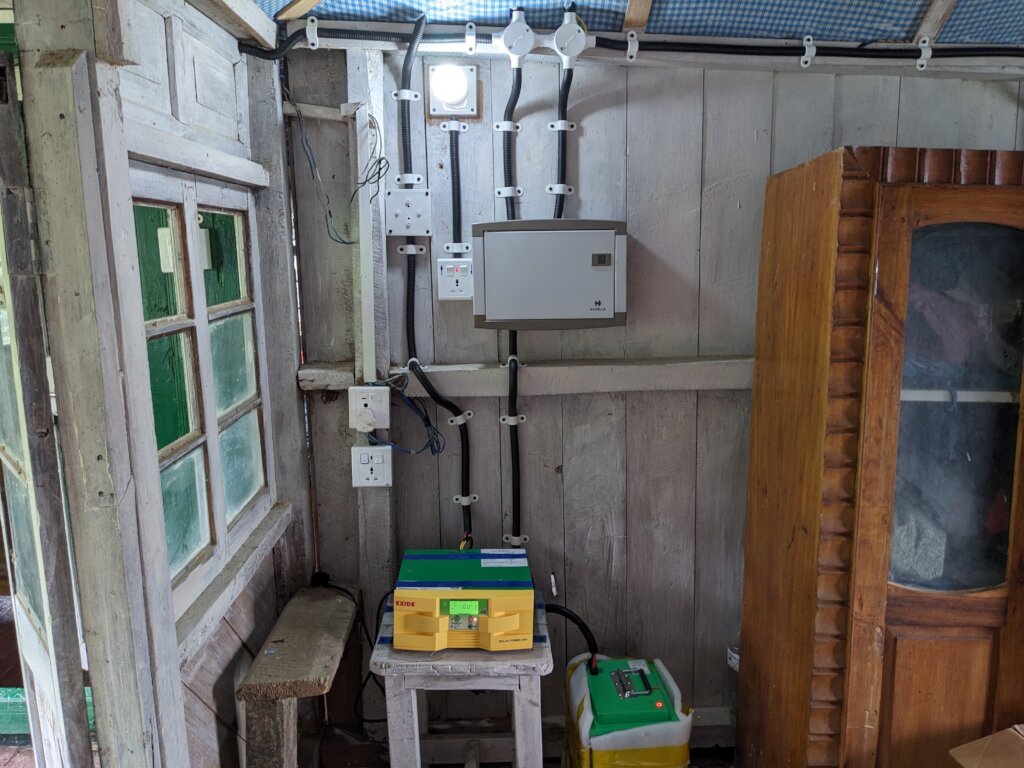
Workaway.com is a little hit or miss - I've been to some great places (see India trip Part 1) and some quite disappointing projects too. However, this year in Nepal, it was a great success. Before going, I told the owners, Deepak and Kausheela Kulung, about my skills and experience and they were fairly cool about the solar and really not interested in the vermiculture. They said that every house in their region had mains electricity and that solar was not popular. True, but not the full story. Mains power is available, but in monsoon season, it goes off about 10 times per day, usually at the most inconvenient time. So most people have a little back-up or UPS solar systems. However, these are mostly very small and so poorly installed as to be practically useless. The Kulung system was not working and the solar panel had been abused and needed a significant repair. Luckily, new equipment was available in the nearest large town, Birthamode, where we went on a shopping spree for panels, a Hybrid inverter and a lithium battery, all paid for by Solar Roots.
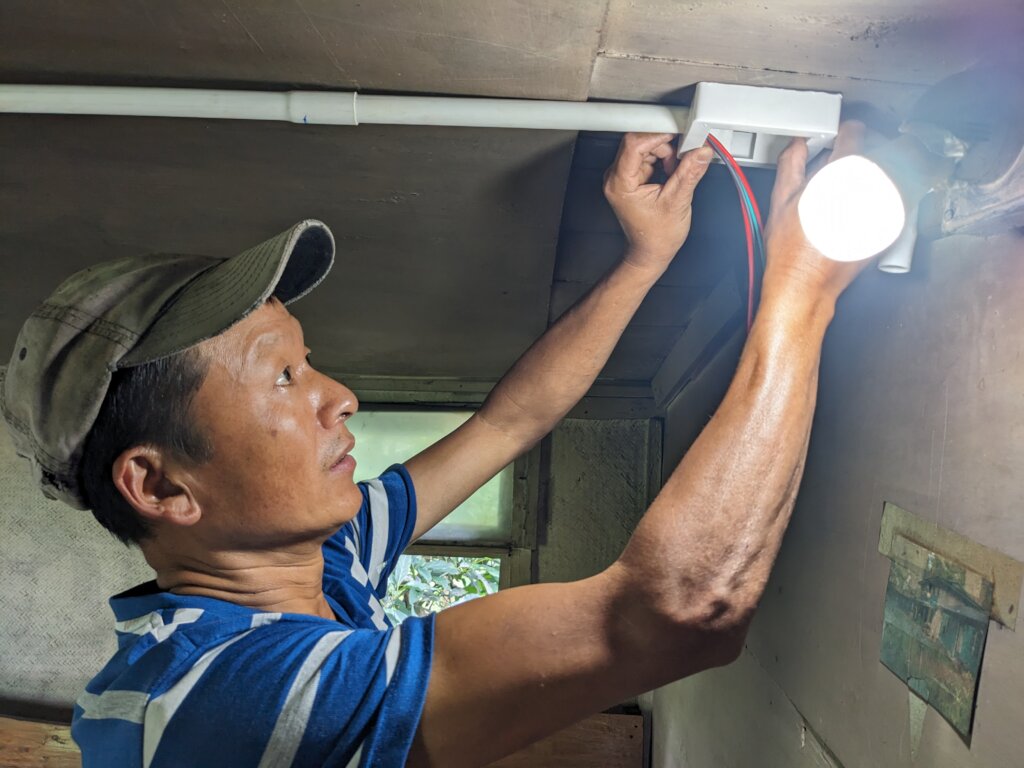
As I was not expecting to do solar work, I had only my tester with me, so we bought hand tools also.First we began with the kitchen, the most occupied and important room in the house. My first goal was to replace the old rickety back-up wiring, but as time went on, I saw that with a little more time and materials, I could give them a system that could be used all the time and even be taken off-grid in clear weather. Despite the lack of good handtools and quality materials, I was able to install a robust and durable wiring system. One great find was the Nepalese PVC piping, that with the use of a bending spring could be easily bent into any shape, over one's knee. A true inovation that I have not seen anywhere else.
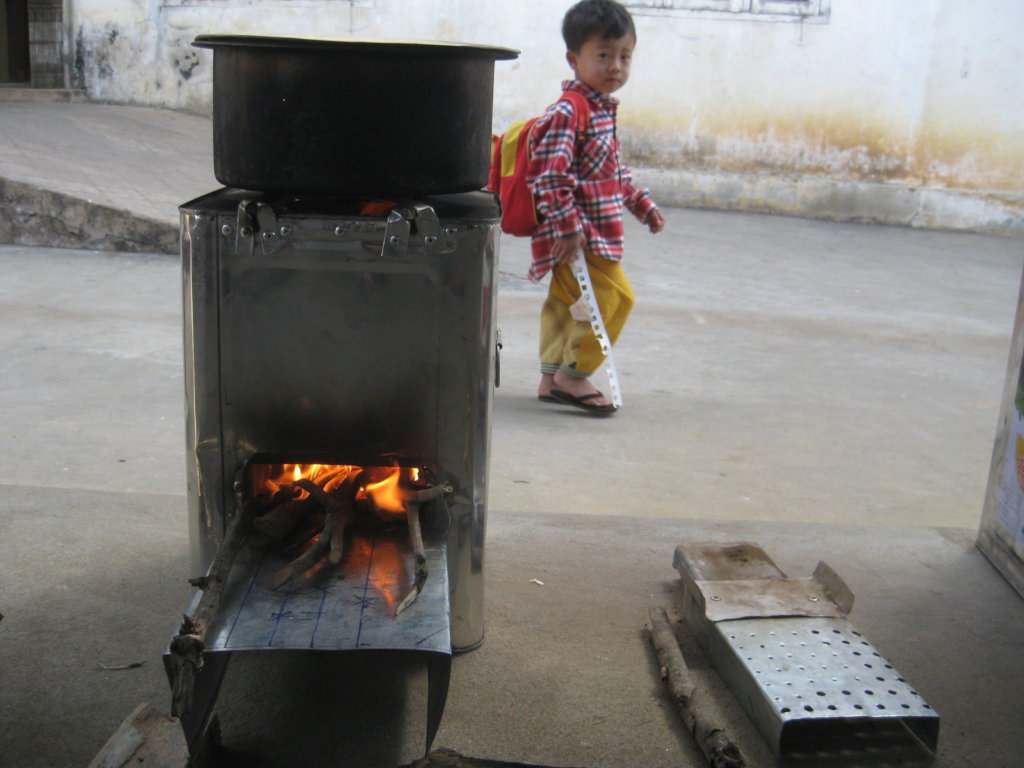
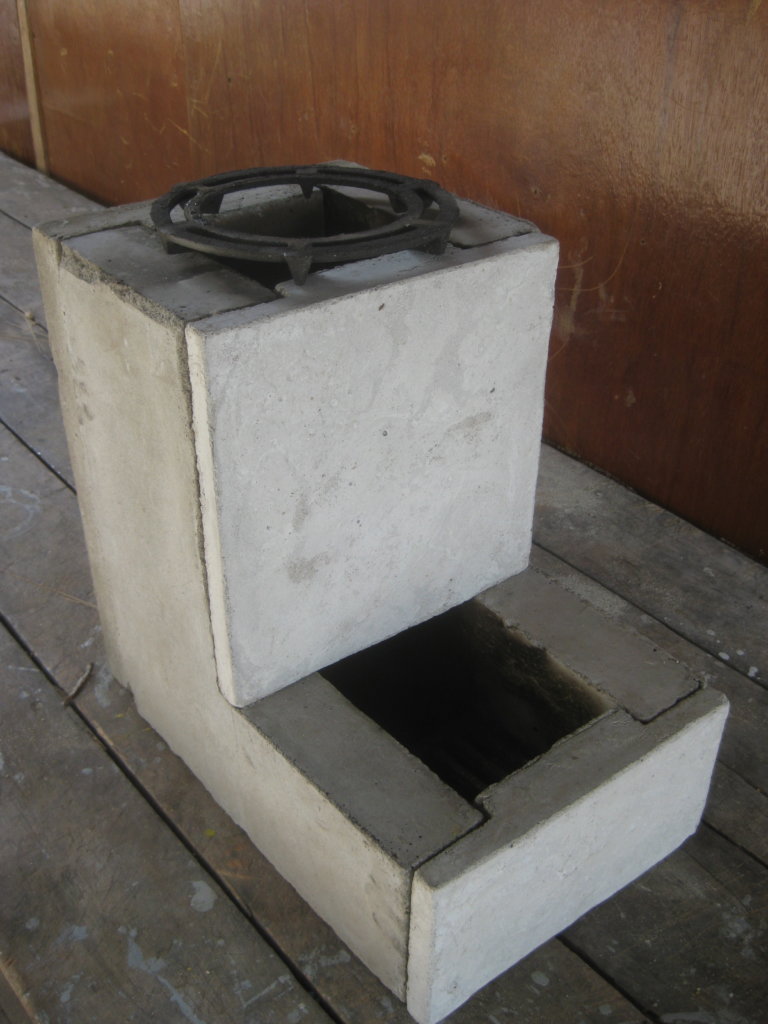
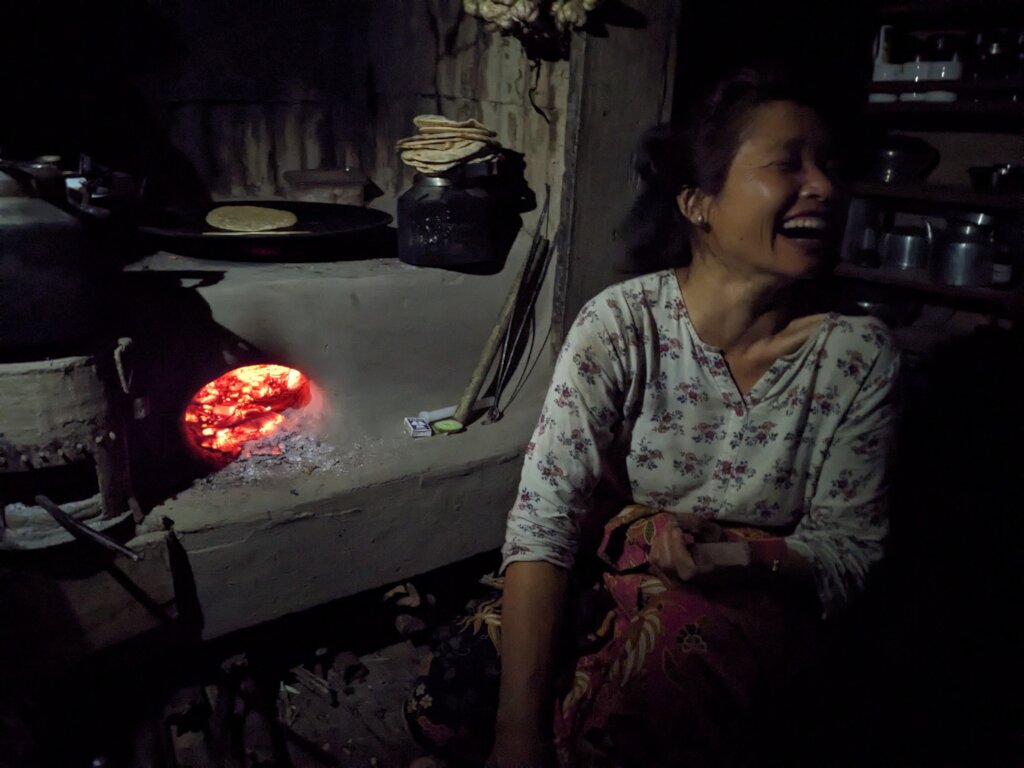
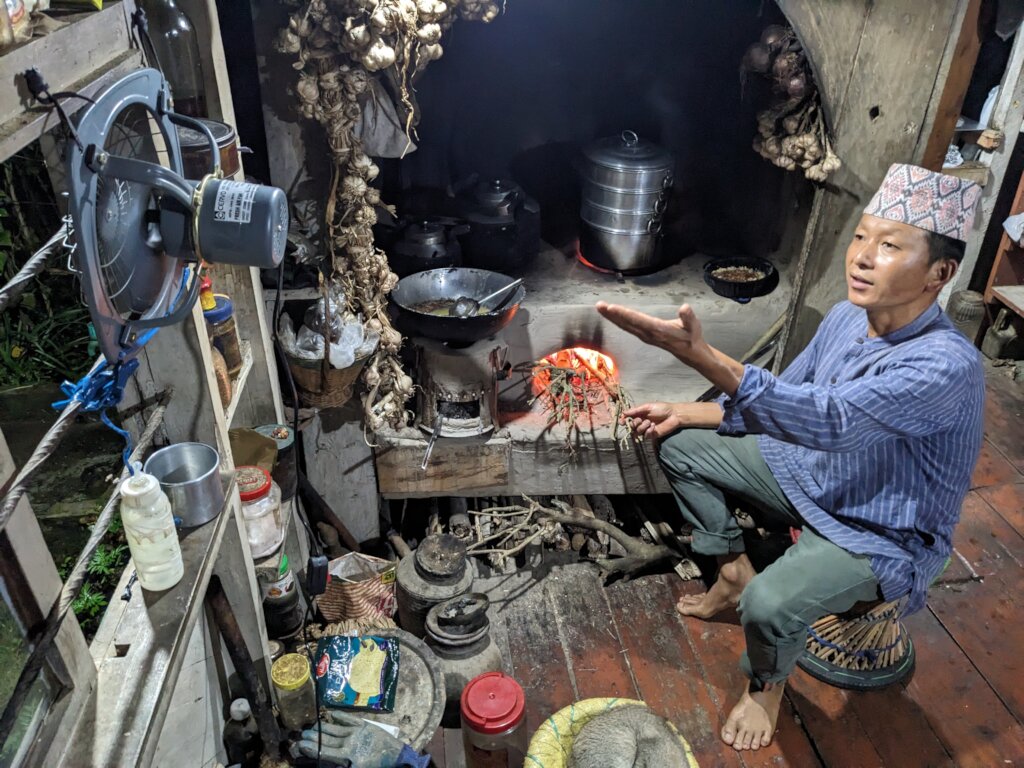
Another innovation in the kitchen was the addition of an extractor fan to clear the wood smoke. Most kitchens in rural Nepal have black ceilings and walls down to shoulder height due to the lack of properly functioning chimneys. I doubted that I would find a fan in the nearest town, only 15 minutes from our village (Fikkel), but, lo and behold, there it was, a two speed beauty for a mere $20! What joy to see Kausheela starting the cooking stove without having to endure a coughing fit and stinging eyes.
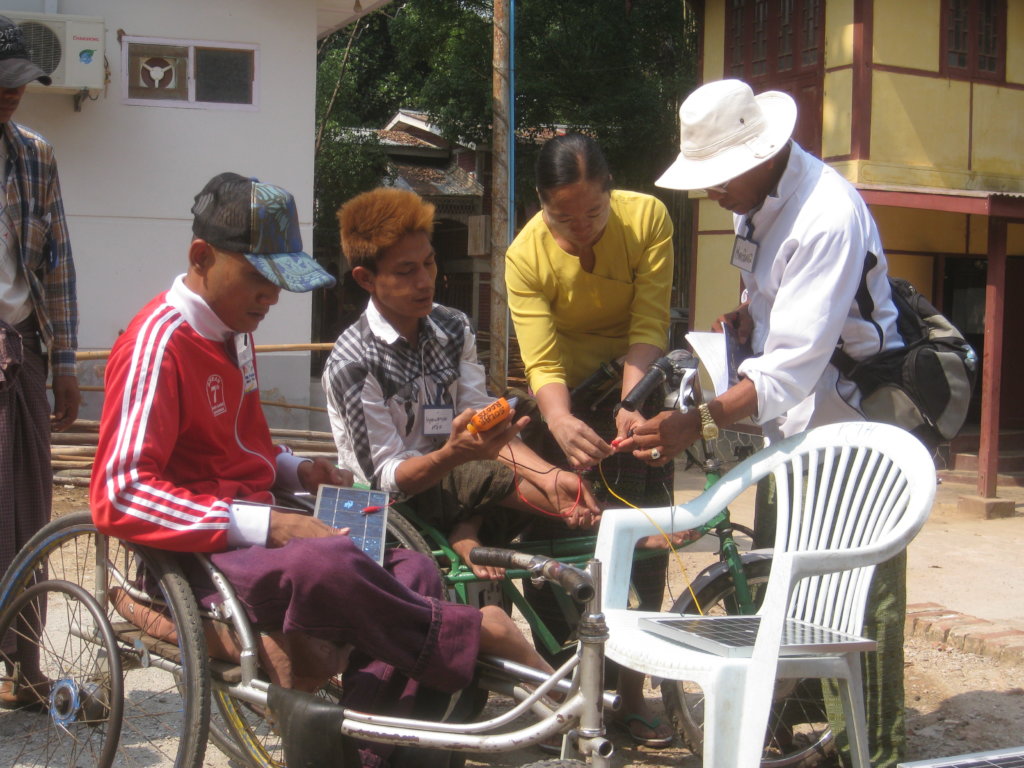
All this time I was training Deepak to install conduit, then plugs, switches and lights. Due to lack of experience, it took him a while to get the hang of using power tools and light handools, but he got there in the end. By the time I left, we had wired the kitchen, two guest bedrooms and made a start on the main house where the family lived.
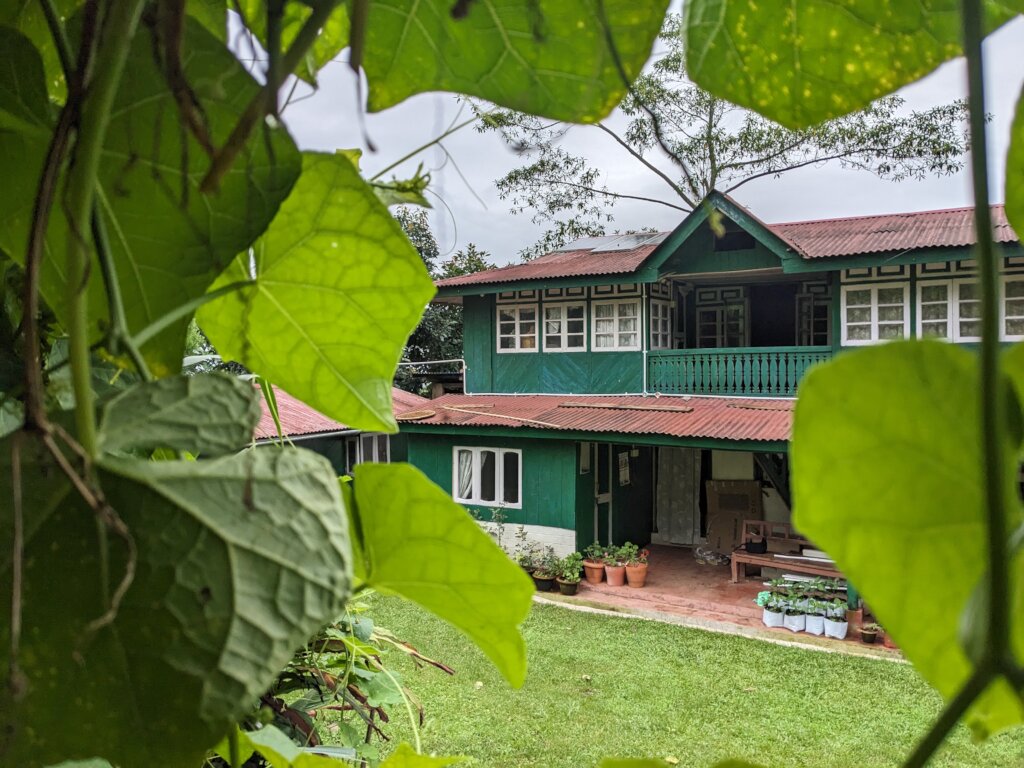
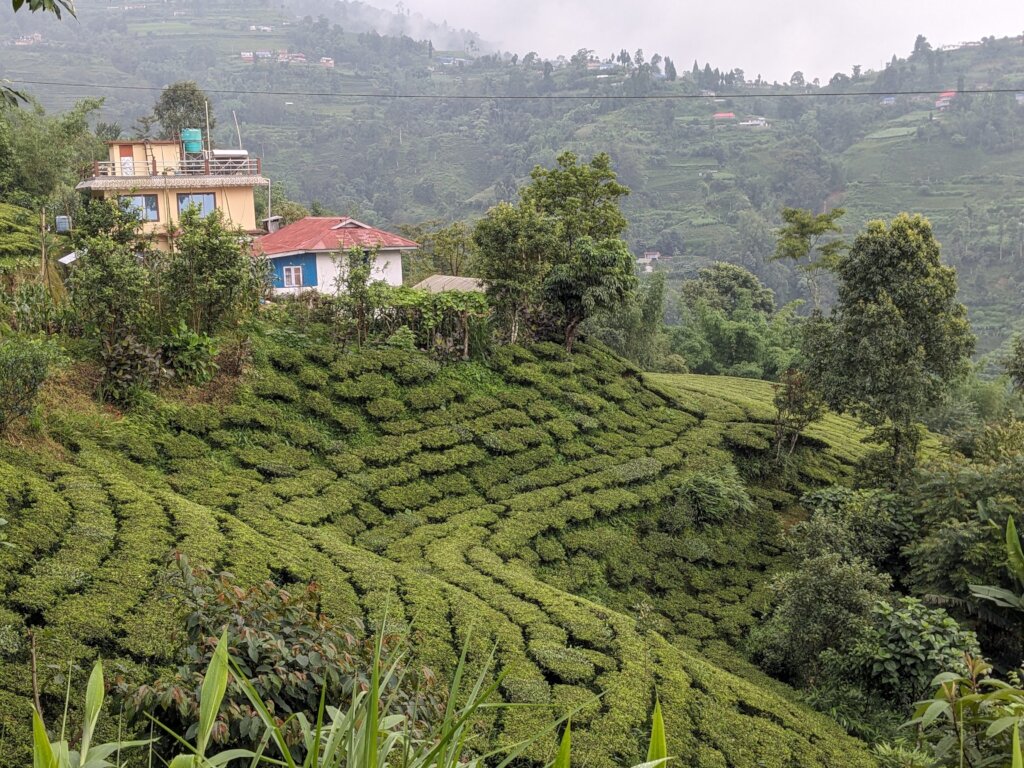
Deepak and Kausheela operate a small tea farm and grow much of their own food on a small 4-acre farm in the tea growing region of Ilam, SE Nepal. They are strictly organic and have mastered the art of processing tea by hand, turning out 5 delicious varieties from Green through Black. A big supplement to their income comes from the foreign travelers, many of whom find them through Workaway of Facebook. They are hard-working, sharp, digitally savvy people who live a very traditional farming life, but are still part of the modern world and economy. Workaway requires 3 hours work per day from the volunteer in return for board and 2 or 3 meals per day. In India and Nepal, an additional fee for meals is generally asked for. My situation was different in that I came with real world skills and funds to donate, working about 6-8 hours per day, I still insisted in paying the meal fee to support the family.
I had a very enjoyable 3 weeks at the Kulung farm and I would recommend it to anyone who wishes to experience Nepalese farm life and live with a warm and welcoming family.
Project reports on GlobalGiving are posted directly to globalgiving.org by Project Leaders as they are completed, generally every 3-4 months. To protect the integrity of these documents, GlobalGiving does not alter them; therefore you may find some language or formatting issues.
If you donate to this project or have donated to this project, you can receive an email when this project posts a report. You can also subscribe for reports without donating.



Support this important cause by creating a personalized fundraising page.
Start a Fundraiser