By John Rorehnal and Lauren Levitz | Volunteers HIV vaccine research
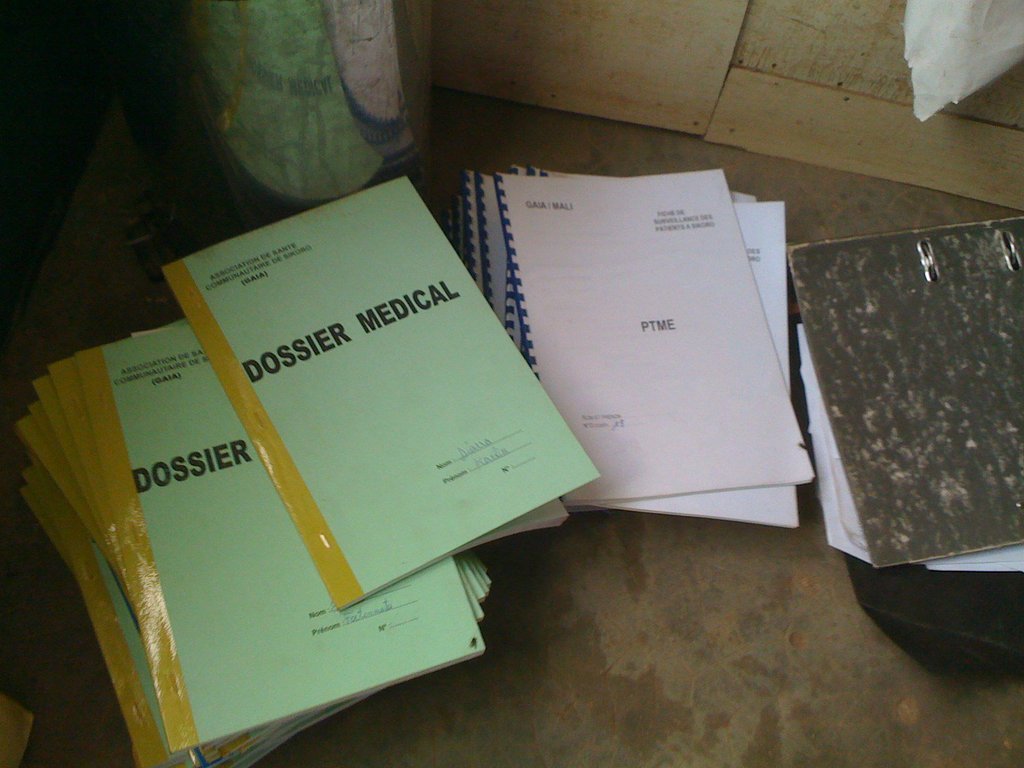
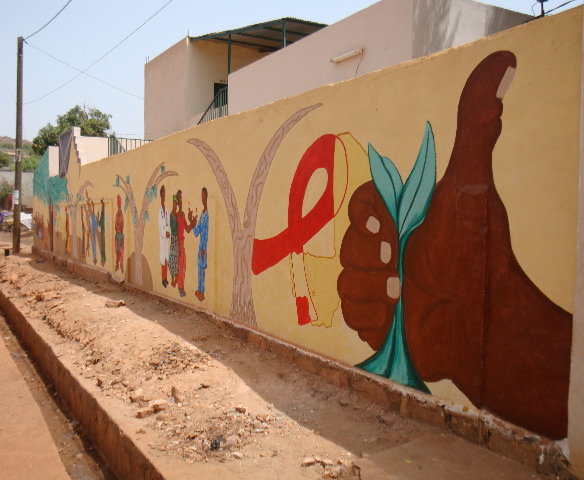
In conducting HIV vaccine research in Bamako, like with any other task, there are fast days and there are slow days. On the fast days, we work madly to process blood samples, to overcome shortages in equipment, and to knock down the various logistical obstacles that obstruct advanced HIV vaccine research in the fourth least-developed country in the world. On slow days, we volunteer at the local health clinic, where Lauren works with the midwives in the maternity ward and John performs tests in the clinic’s humble diagnostic lab. One of the most common diagnostic procedures is providing HIV tests to pregnant women. It is staggeringly easy to prevent transmission from mother to child, and doing so is the kind of high-yield intervention that many clinics, ours included, focus their resources on. Our clinic in particular has become a model that the Malian Ministry of Health is looking to bring to scale.
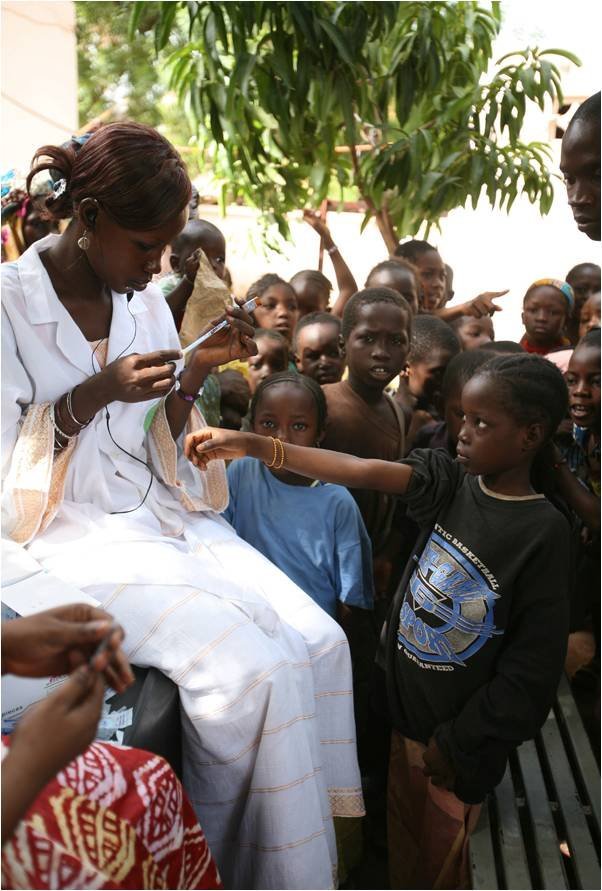
Though he doesn’t remember what the woman looked like or how she dressed, the first HIV test that John administered is fixed in both of our minds. In the clinic’s lab, John took the woman’s finger, carefully swabbed it with alcohol, removed a lancet from the package, and jabbed her finger. John touched the blood to the test strip, added a quivering drop of chaser, and sat down to watch. There are no suspense-building string quartets in real life; the flies don’t stop buzzing nor do the chairs stop creaking as the little red line moves its way up the test strip as far as it will go before it digs in, resolutely in the wrong place
On the other side of the clinic, Lauren sat in a small exam room, observing prenatal consultations. As women came in and were asked a barrage of questions in Bambara, the midwives translated their responses into French for Lauren’s benefit. Each visit seemed exactly like the last, except for one. Though it was impossible to hear what the midwives were saying to the patient behind the flowered exam curtain, the woman’s heart-wrenching sobs filled the small space. No translation was offered, but none was needed. This was the same patient John had just tested, a woman whose life had been changed with a simple finger prick.
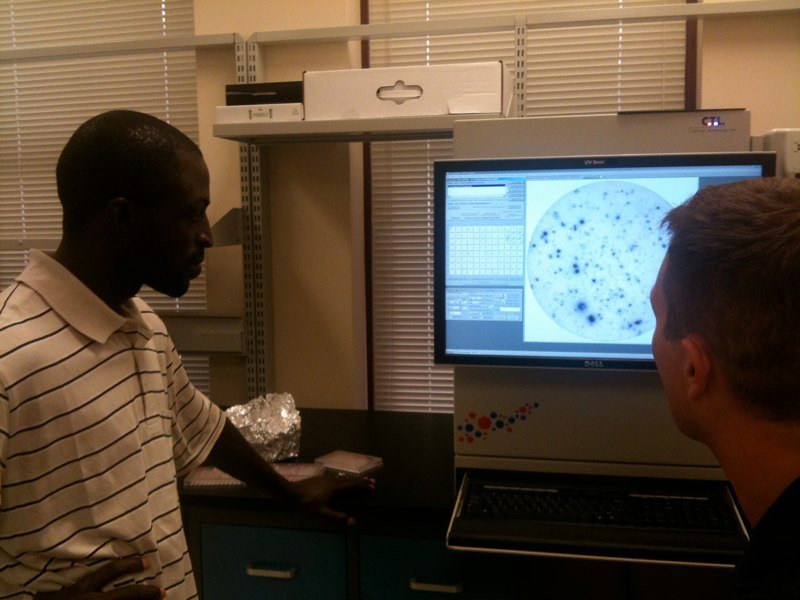
That brings us to the other lab, the so-called “real lab” with centrifuges and sterile hoods and incubators. With blood donated by patients like this woman, we are testing, piece by piece, components that may one day be included in an HIV vaccine. Previous vaccines have failed, and few dozen other groups are currently grappling, as we are, with the complexities of this task. Because every virus is different and each person’s immune system is different, a vaccine based on tests done in Providence may not bear fruit in Mali. We need to confirm, in Mali and in the US, that the vaccine we develop will work wherever it is needed. Our work in the lab involves taking HIV-positive blood, exposing blood cells to viral components we think will be reactive, and asking questions, the answers to which may spare millions from the anguish of the woman we saw that first morning at the clinic. The problems have been daunting, and we are still reaching for the optimistic targets we set in September.
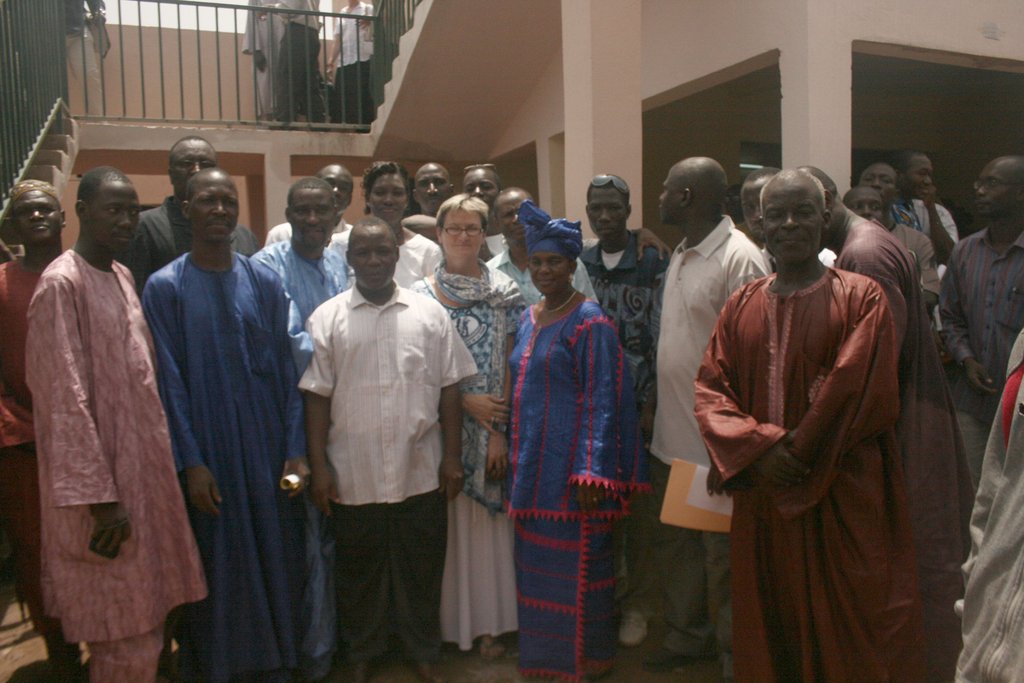
Even if we do not finish by the time we leave, we will have made progress. We are training the researchers in Bamako to do this work, so that the people who speak the scientific language of the laboratory also speak the vernacular of the clinic and the village it serves. So that the people whose business it is to take blood and make it speak are the same people that can provide support and shelter to the HIV-positive people who provided it.
Project reports on GlobalGiving are posted directly to globalgiving.org by Project Leaders as they are completed, generally every 3-4 months. To protect the integrity of these documents, GlobalGiving does not alter them; therefore you may find some language or formatting issues.
If you donate to this project or have donated to this project, you can receive an email when this project posts a report. You can also subscribe for reports without donating.