By Nicola Tiltman | HIV & AIDS Medical Projects Facilitator
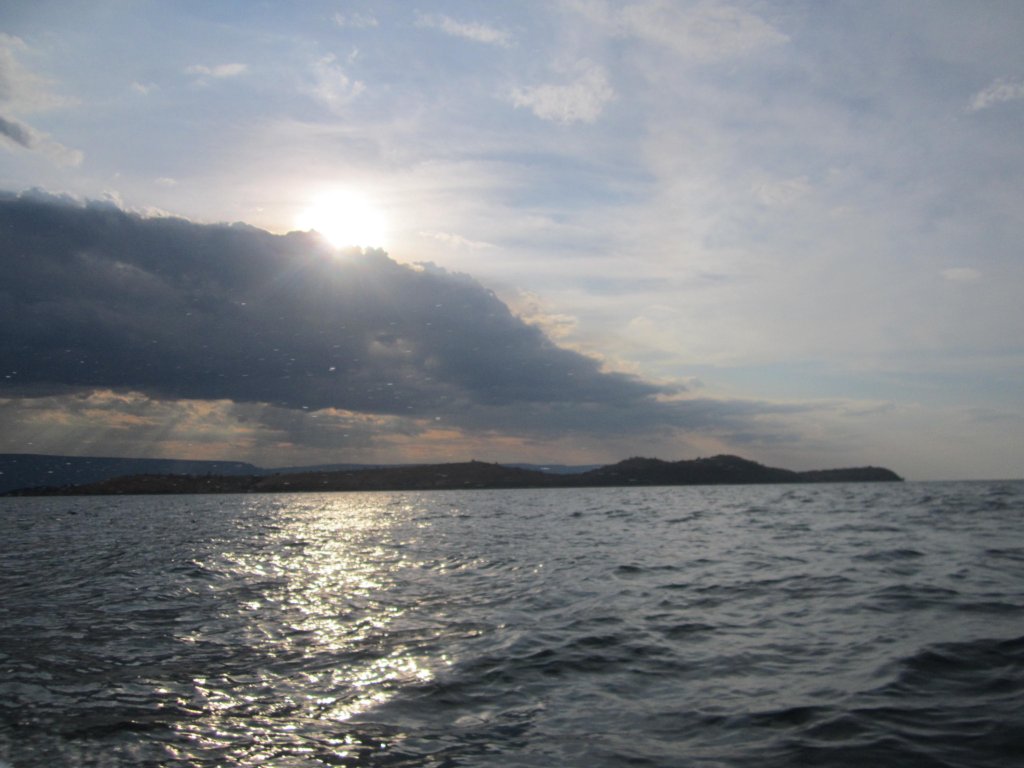
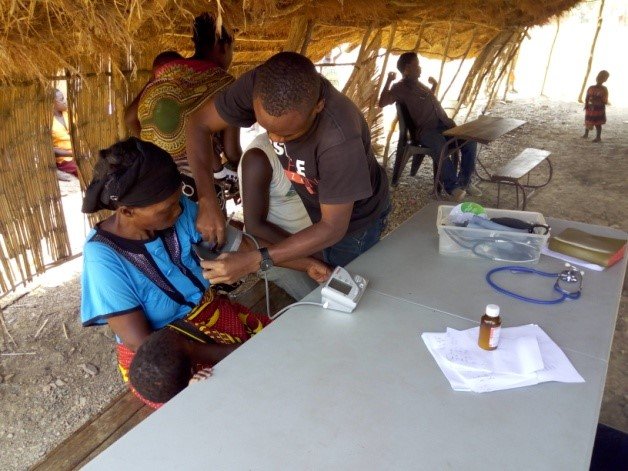
Since our last report, the medical team has been busy conducting health and HIV services to communities located along the shoreline of Lake Tanganyika. Here are a few reports from their recent trips.
After a recent outbreak of Typhoid fever in a town 25 miles in land from the lakeshore, the team realised that they must discuss this topic during a trip to village C. The issue of sanitation in each of the villages is very serious; there is no running water and no source of clean drinking water. Sanitation-related sicknesses are common. People suffer from dysentery, diarrhoea, cholera and other stomach pains. Each time a person dies, the village assumes the death was caused by a curse and spend time, energy and money calling witch doctors to identify who cursed the deceased. People spend a significant portion of each day searching for water. Though the world’s second deepest lake is literally right beside them the water is not safe to drink.
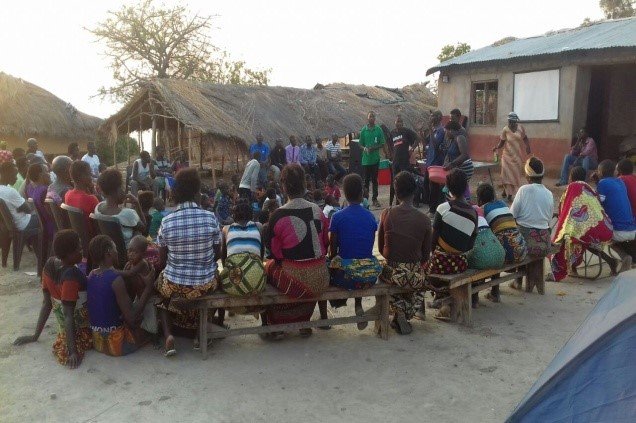
During the health talk the team educated the community about Typhoid fever, discussing what it is, what causes it, how it is spread and ways of prevention. For many, this was new information and a ‘strange disease’.
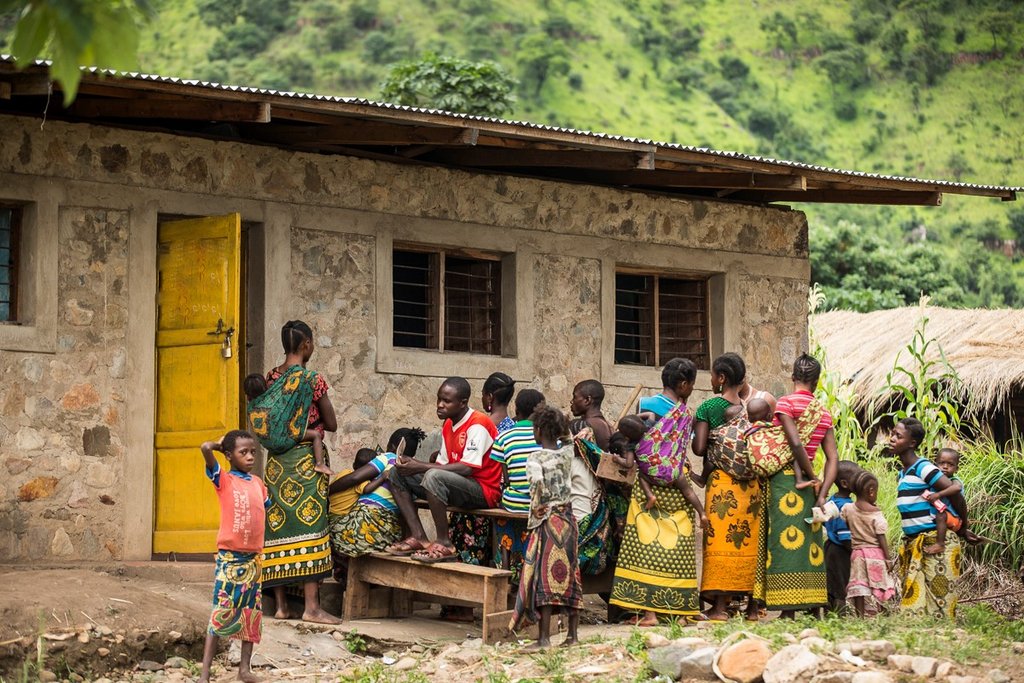
Clinic attendance was good and of those who tested for HIV, all were negative. The team are encouraged that the village remain receptive and responsive to the health and HIV awareness education they deliver.
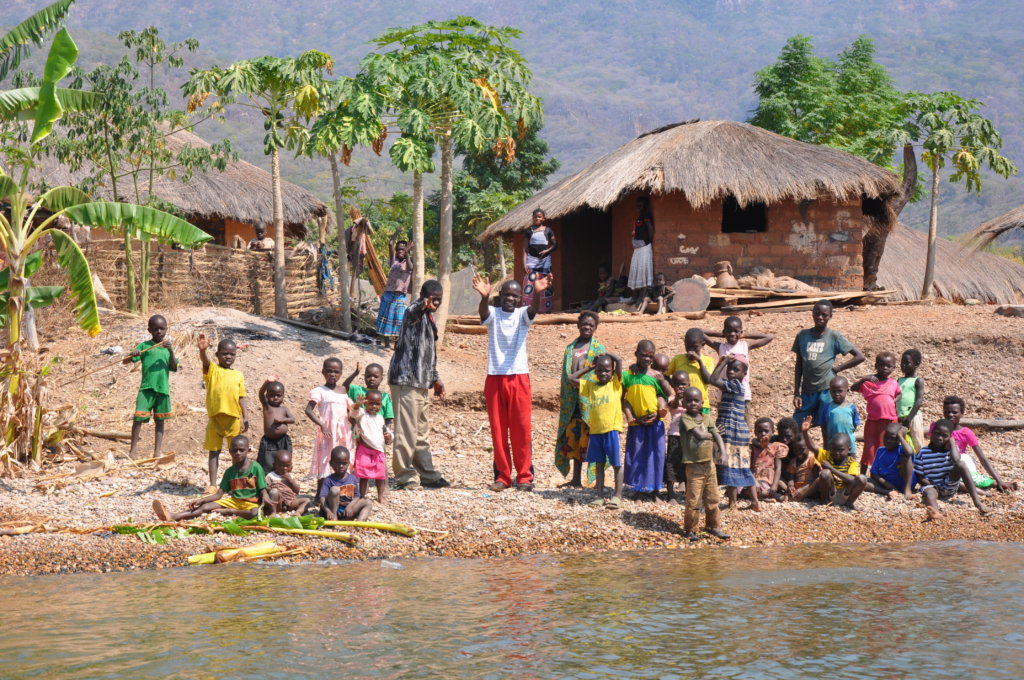
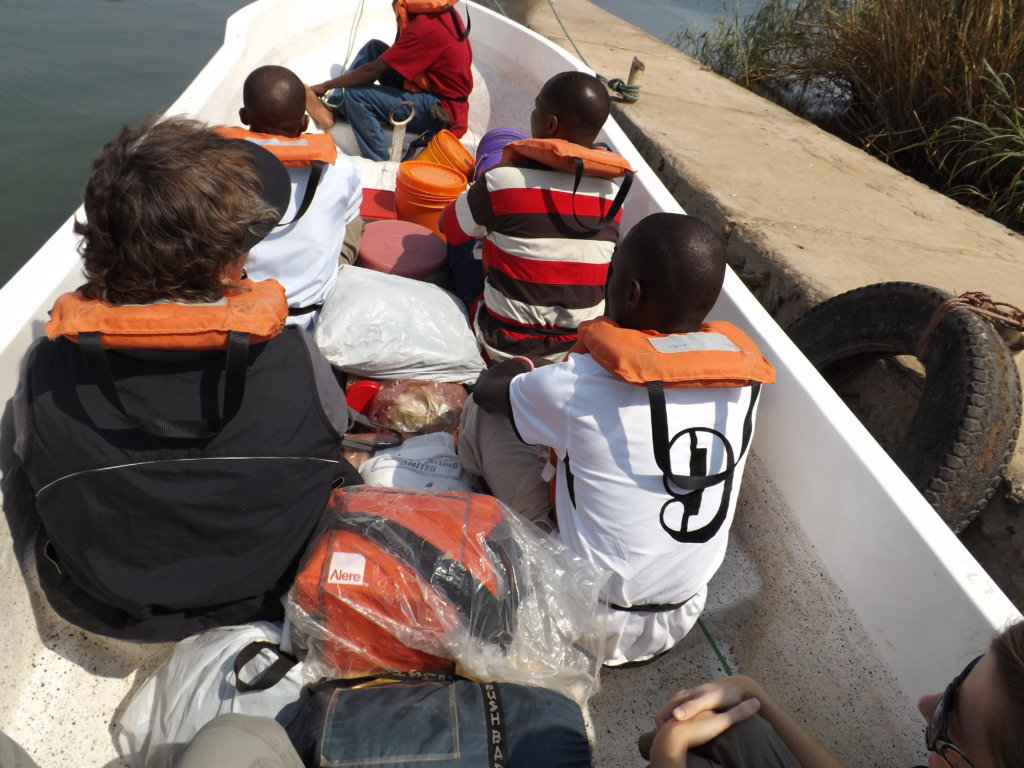
During October the medical team had the opportunity to go for the first time to Crocodile Island (named due to its shape). The Village headman extended a warm welcome for the team to come to the village to bring relief to his community. The team were also accompanied by a local dentist – another first.
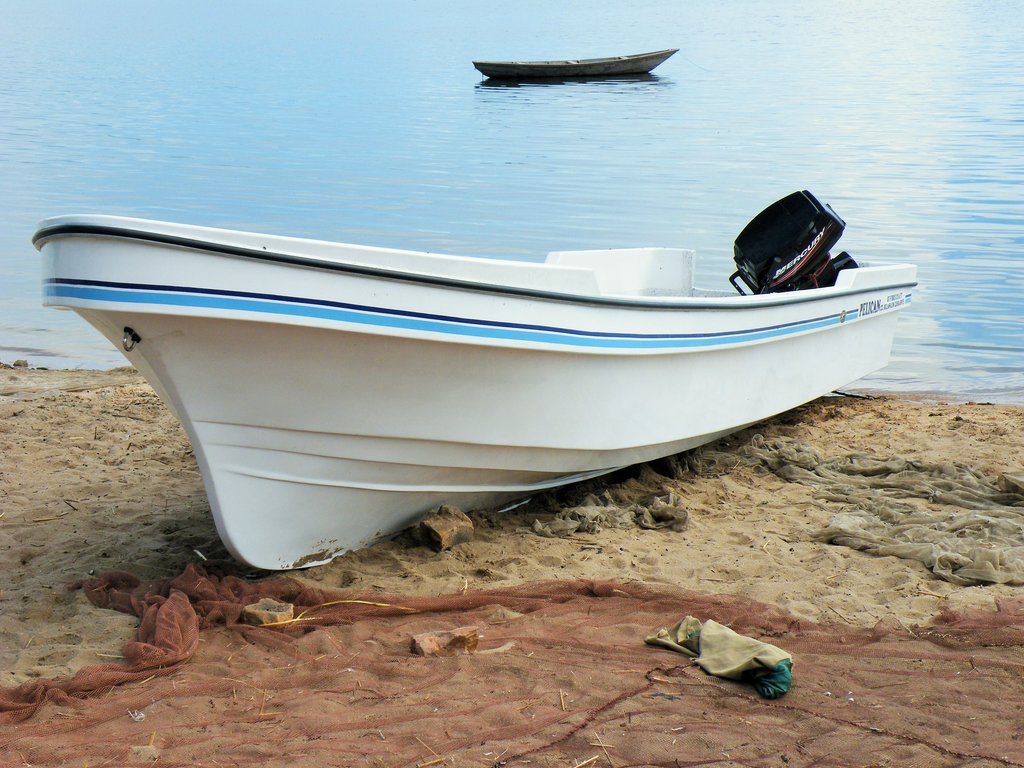
Approximately 3,000 people live on Crocodile Island. The island is only a 15-minute boat ride from Mpulungu (3 hours paddling). However, the people have a mind-set of isolation and limitation associated with living on an island. There is no medical clinic on the island, many people suffer because of the lack of medical care, especially pregnant women, who have to paddle three hours to get to a nearby clinic. Many do not make it to the clinic and instead, they give birth while in the boat on the lake.
On arrival, the team set up and began children’s activities to include fun games. This helped to draw their parents close so that could hear the health talk. With it being the first visit to the Island, the team educated the community addressing basic health topics. They decided to educate about health hygiene in a practical way by putting charcoal dust on the hand of one person and asked them to greet one another. The team report that this was eye opening for many as they witnessed the people they shook hands with also have charcoal stains on their hands. To complete the exercise, those with charcoal on their hands were asked to wash them with soap and water – the only way to fully remove the charcoal.
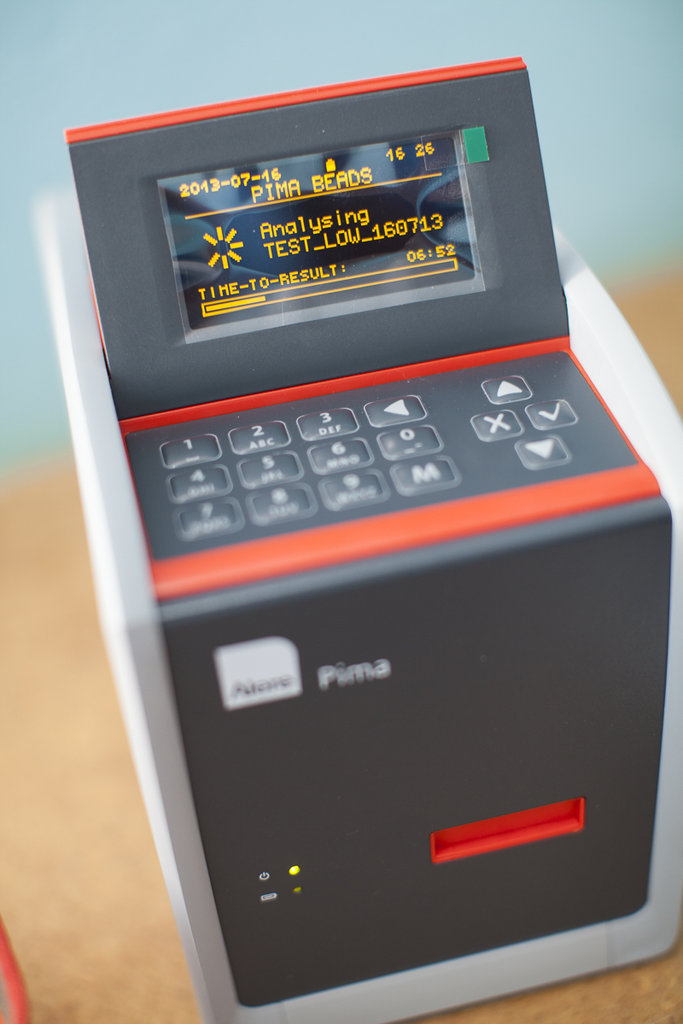
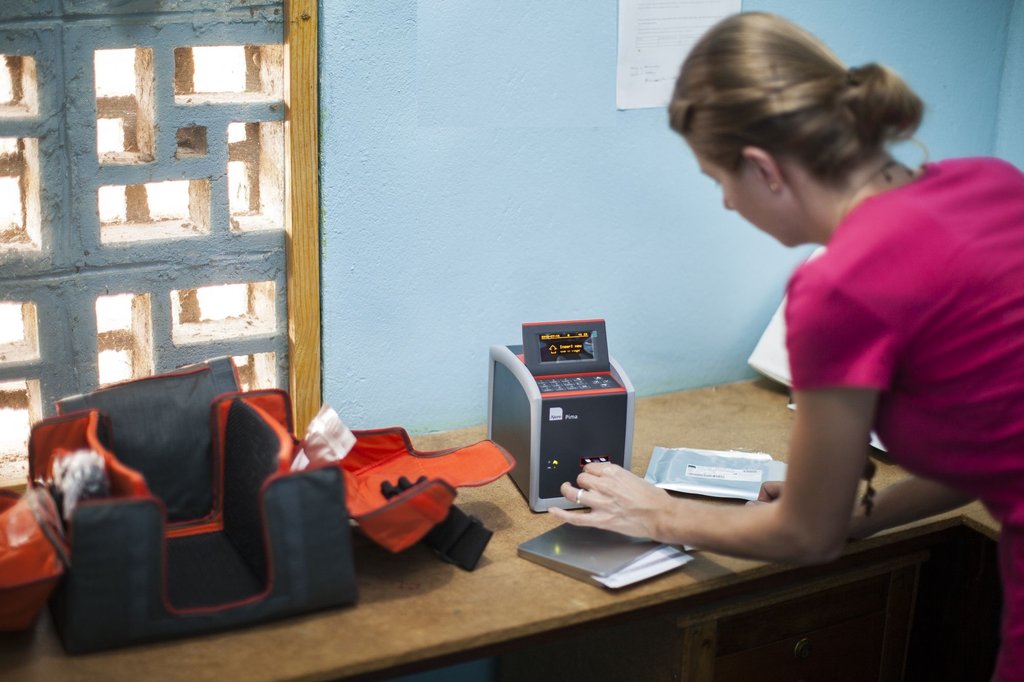
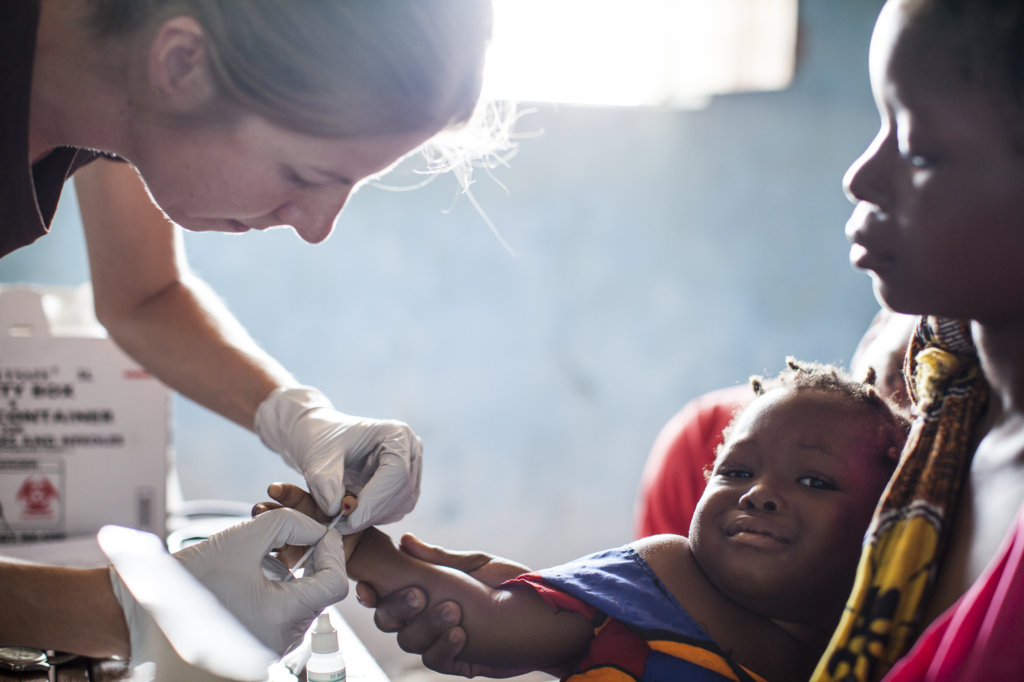
Almost 10% of the total population of the island attended the medical clinic. The team were able to test people for malaria, HIV and Syphilis and were encouraged to find a low prevalence rate in those that were tested. The capacity of the team means that they offer primary preventative health. For those who require more medical intervention, the team encourage and educate on the importance of traveling to the main clinic in Mpulungu.
By offering health education and health and HIV services, the team are continuing to make a real difference amongst communities who are otherwise isolated and lack knowledge.
We want to thank you for your support throughout 2016 and we look forward to updating you in 2017 with our partner’s achievements. May we take this opportunity to wish you a Merry Christmas and a Happy New Year.
Project reports on GlobalGiving are posted directly to globalgiving.org by Project Leaders as they are completed, generally every 3-4 months. To protect the integrity of these documents, GlobalGiving does not alter them; therefore you may find some language or formatting issues.
If you donate to this project or have donated to this project, you can receive an email when this project posts a report. You can also subscribe for reports without donating.