By Nicola Tiltman | HIV & AIDS Medical Projects Facilitator
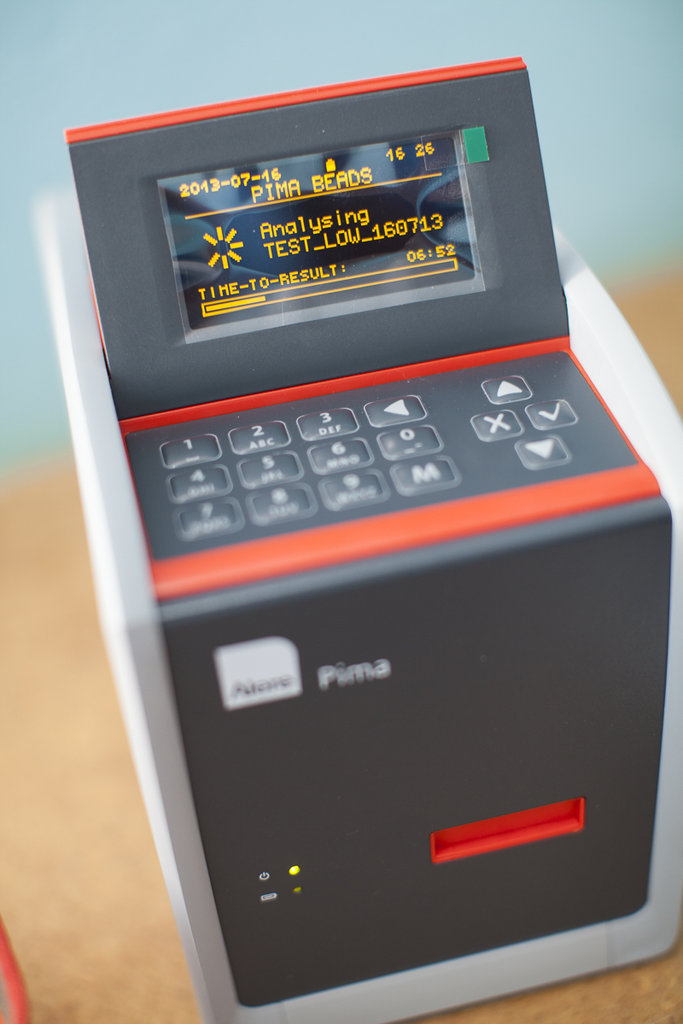
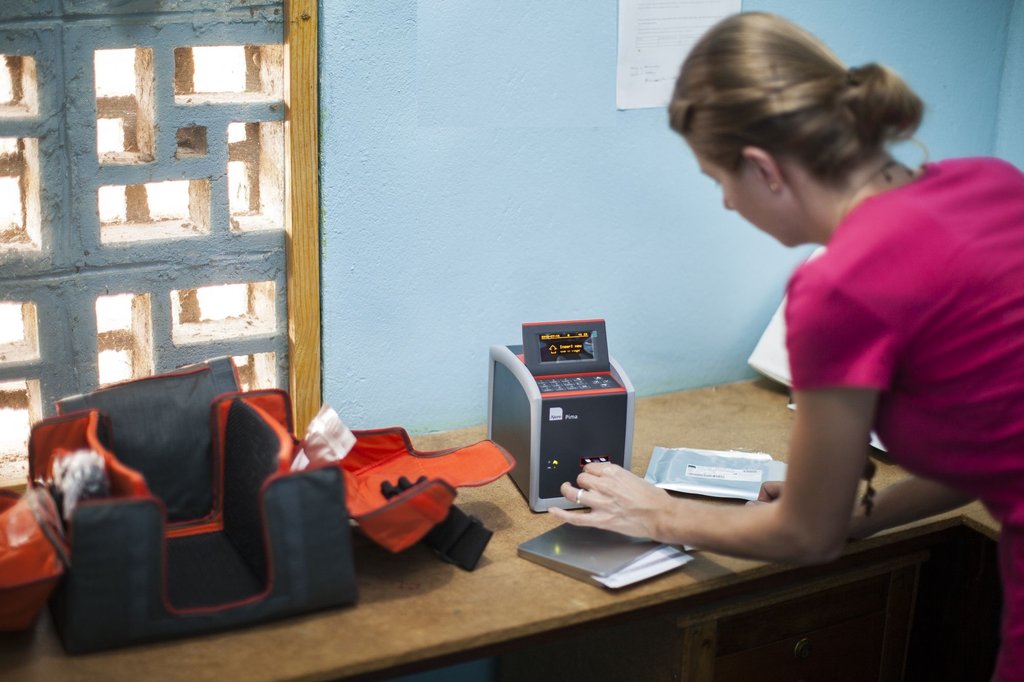
2015 began with a change in personnel to the medical team due to medical circumstance. Our partners did not let this hinder them and actively sought out CD4 training for 2 Zambian members of the team. Once trained, this enabled HIV services to continue to be offered to communities along Lake Tanganyika.
Our partners relationship with the Ministry of Health (MOH) has continued to flourish during 2015. As part of the ongoing partnership and Memorandum of Understanding with the District Medical Officer for Mpulungu Health Centre, our partners were invited to attend an annual district financial planning meeting. Our partners gave feedback on the numbers of people who have accessed the health and HIV services offered to villages situated along the lakeshore.
It was essential that our partners were present at this meeting; to strengthen working relationships and to develop the existing partnership with the MOH. It also ensured that our partners are considered when the financial budget is made in terms of adequate stock levels of antiretroviral’s and HIV test kits that are sent to the MOH clinic in Mpulungu. It is these supplies that our partners are able to procure, enabling them to offer HIV services.
During 2015, MOH personnel were also part of the medical team during each village trip. Their presence has been vital for ensuring optimum care. It is also advantageous that they speak the local tribal language and aware of cultural practices. MOH personnel have continued to provide both clinical knowledge and expertise to prescribe medication including antiretroviral treatment.
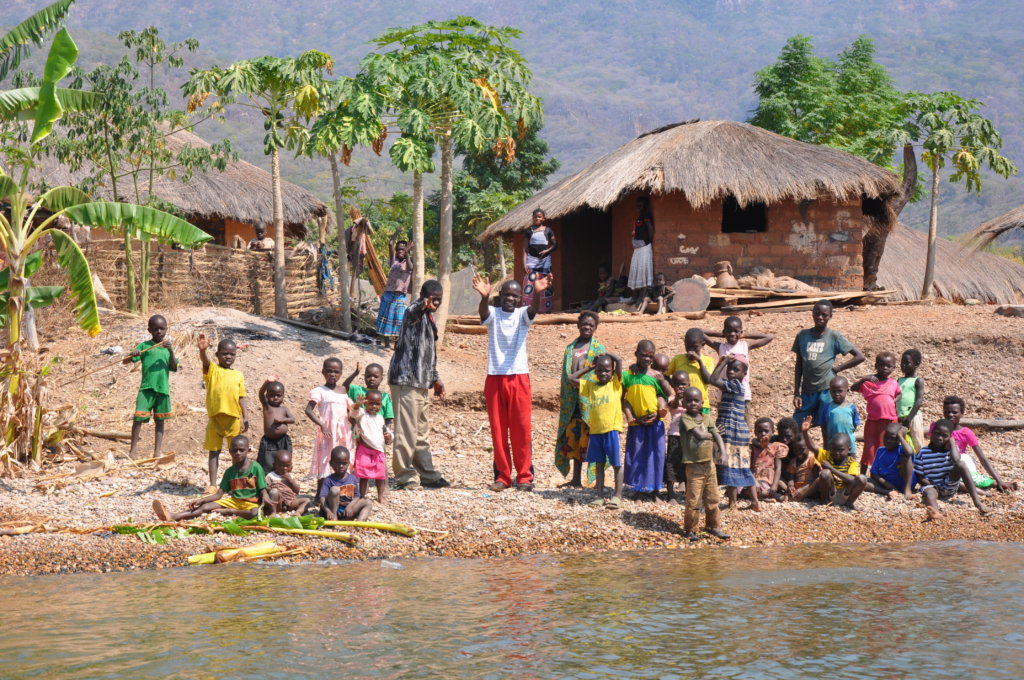
Once the medical team have arrived in a village and sought approval from the Headman, they facilitate open air Health Education sessions which the whole community is invited to attend. Topics include HIV awareness, malaria and general health. These education sessions are important for increasing knowledge and understanding of disease, and to raise awareness and dispel myths and misconceptions about HIV and AIDS. They are always well attended. Those present are made aware of the HIV services that are available to them and are invited to attend the next day.
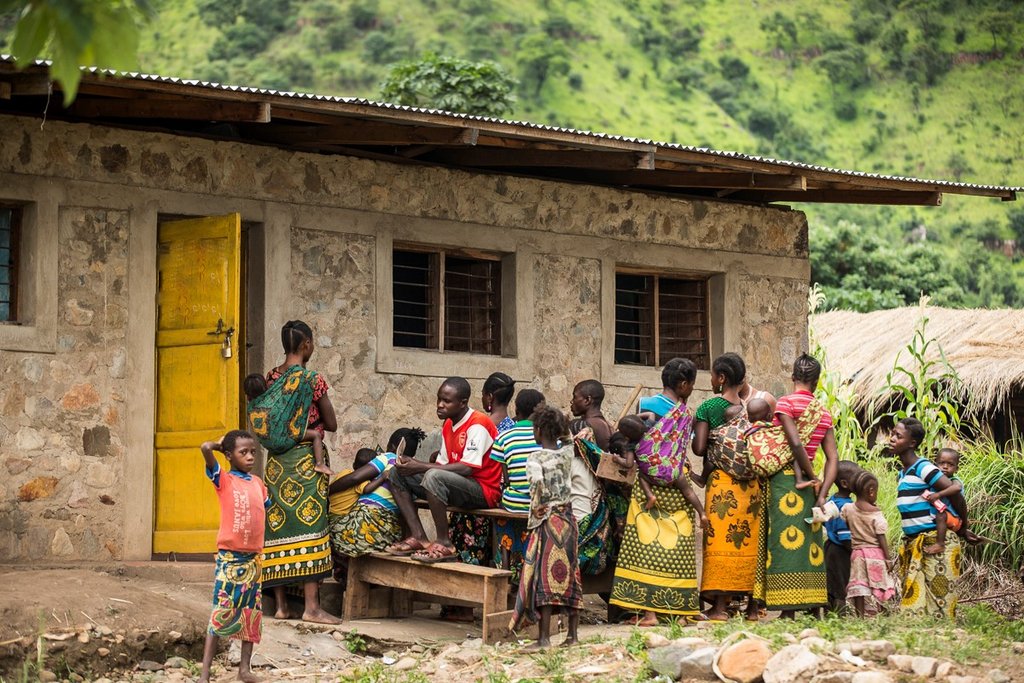
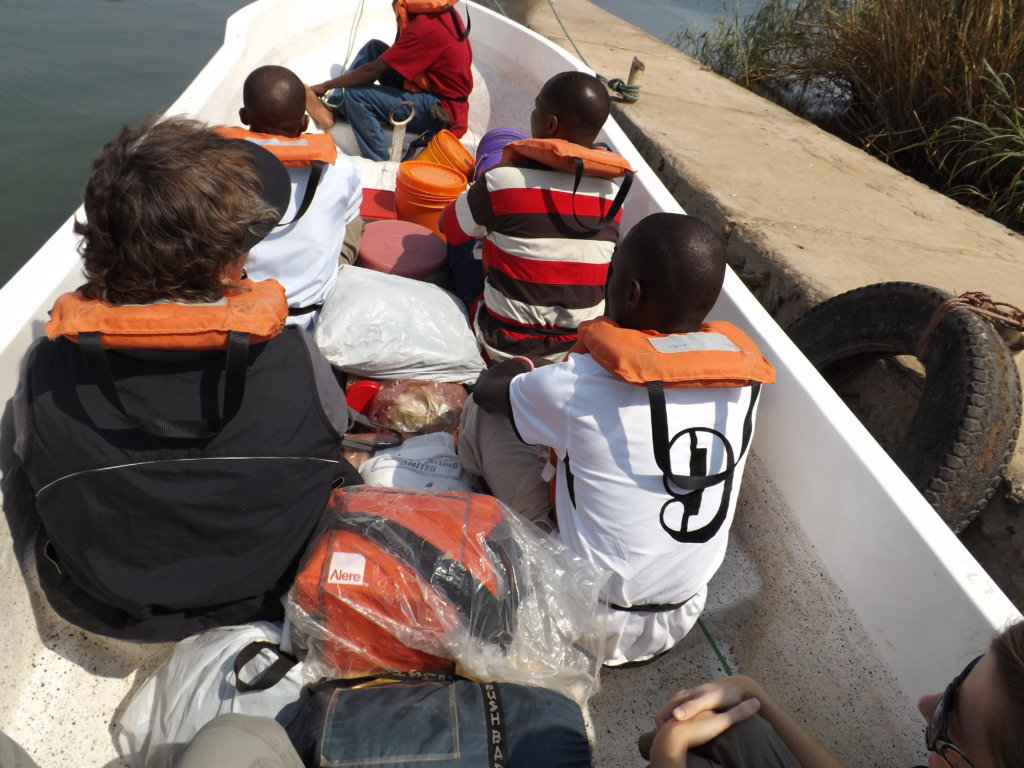
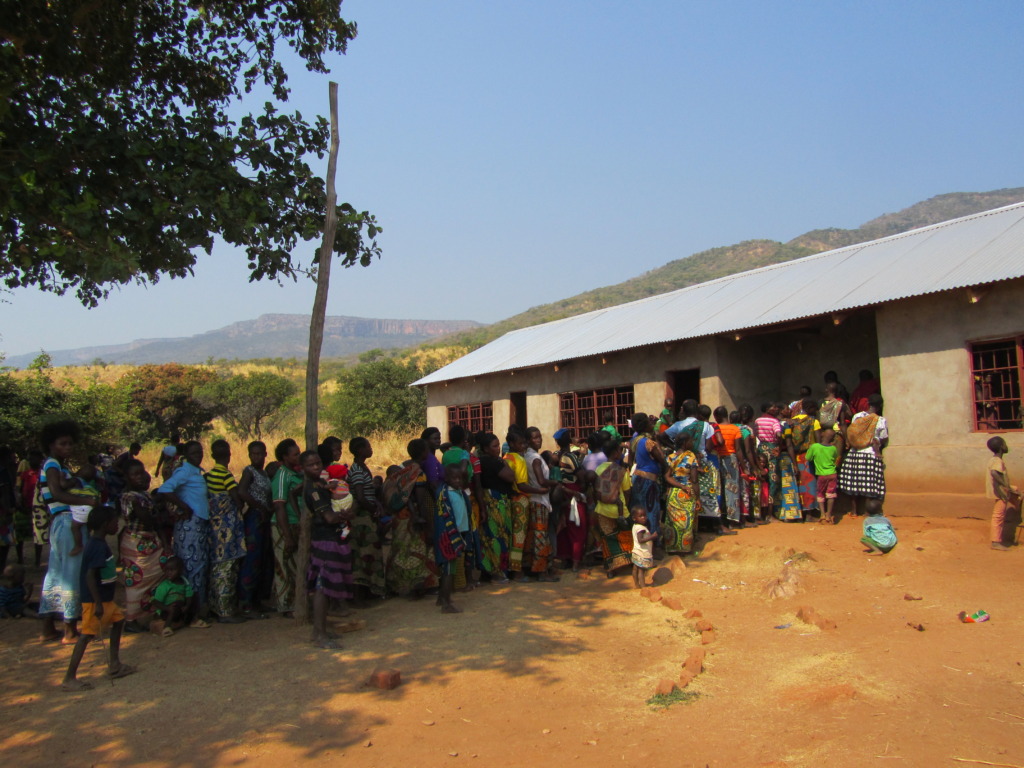
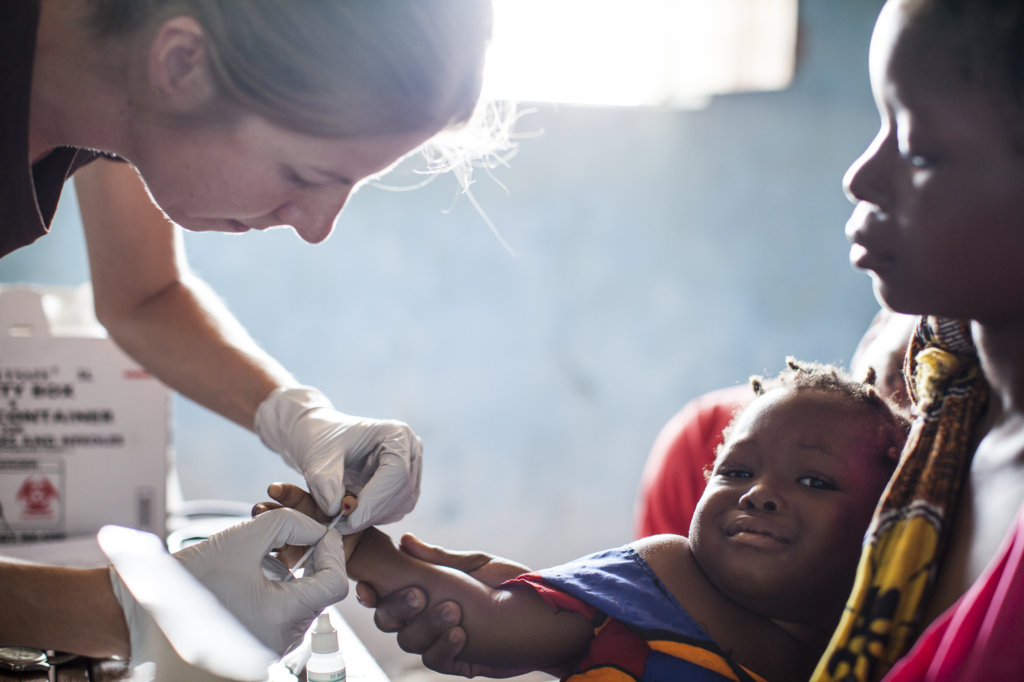
On the second day, the medical team set up the clinic and the line of people wanting to be seen begins to form (as per photograph). Most people who attend are from within the village, but some also travel by boat from nearby villages to access this service. Women and girls have continued to be receptive to HIV services offered to them.
We are very thankful to those who have supported this project during 2015 through Global Giving and also through other channels. We are also very grateful to The Mercury Phoenix Trust for the grant that they awarded to us for this project.
Project reports on GlobalGiving are posted directly to globalgiving.org by Project Leaders as they are completed, generally every 3-4 months. To protect the integrity of these documents, GlobalGiving does not alter them; therefore you may find some language or formatting issues.
If you donate to this project or have donated to this project, you can receive an email when this project posts a report. You can also subscribe for reports without donating.