By Soni K C Parajuli | Project Leader
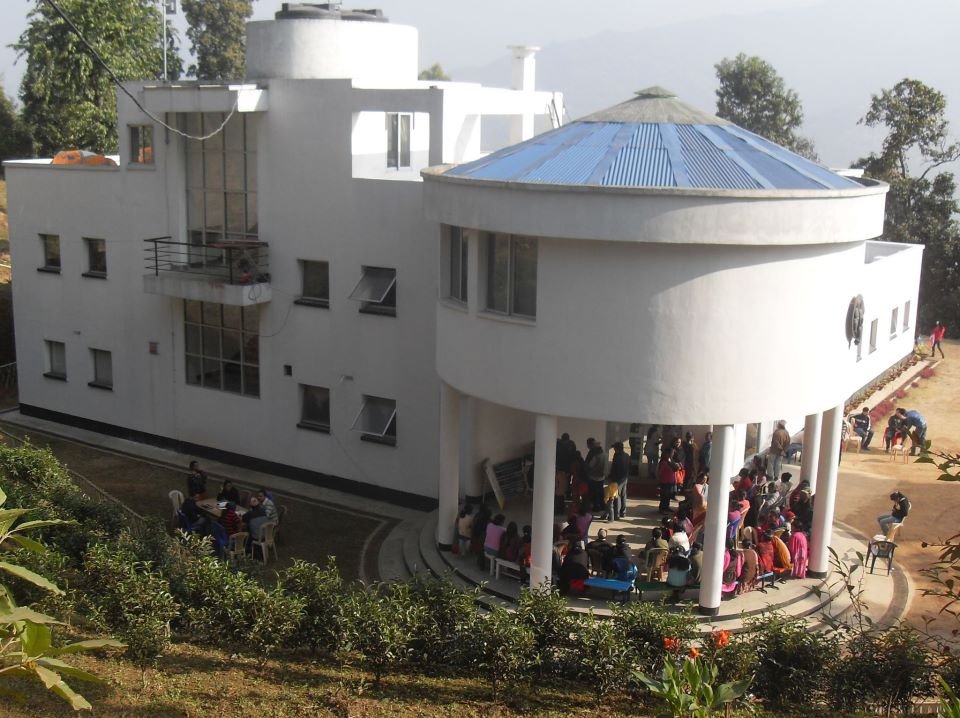
Community Based Integrated Management of Neonatal and Chilhood Illnesses (CB-IMNCI) training program was held in Nilakantha Municipality, Dhadingbesi from 21st to 25th May. The training was organized by Himalayan HealthCare & funded by CHAO FOUNDATON and TFISH FUND in co-ordination with the District Health Office Dhading, Benighat Rorang, Gajuri & Thakre Rural Municipalities, Dhading and Mahankal Rural Municipality, Lalitpur
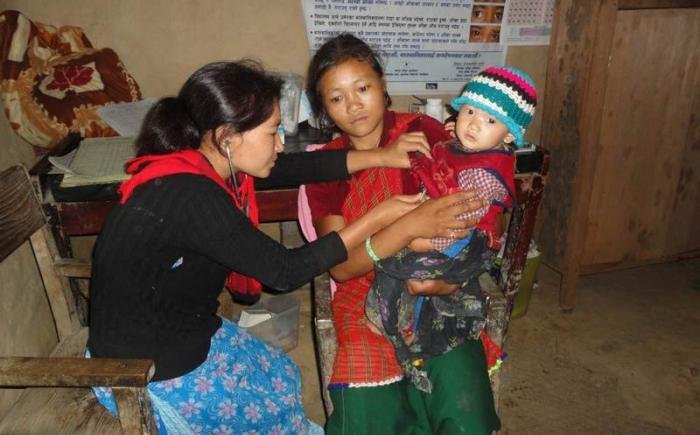
CB-IMNCI program was mainly focused on community based health providers. This program aimed to provide proper education on neonatal, infant and children’s health which could minimize the risk of neonatal, infant and children’s mortality rate and to build the capacity of health works to identify and manage common childhood illnesses.
In Nepal, the mortality rate for children aged 1–59 months is approximately 14 to 17 deaths per 1,000 live births. The broader under-five mortality rate (0–59 months) sits at 31 per 1,000 live births. Over 60% of these early childhood losses occur in the neonatal period (the first 28 days of life). For older infants and children (1–59 months) leading causes for deaths are predominantly preventable or treatable and include:
The main objectives of this training were:
Participants: 10 Female health providers from Benighat Rorang, Gajuri & Thakre Rural Municipality, Dhading and Mahankal Rural Municipality, Lalitpur parrticipate din the training. the training was conducted by District Health Officer Mr. Bishnu P R and Public jealth Officer Mr. Toyanath C. Mr. Kul MB from Himalayan HealthCare Nepal facilitated the program.
Methodology and session covered
The training used participatory method including lectures, group discussion, case studies, demonstrations and role plays.
Day wise summary:
Day 1: Introduction to CB-IMNCI, assessment of young infants 0-2 months, major causes of death among new born, achievement of CB-IMCI/CB-NCP, new born centered services
Day 2: Diagnosis protocol of children under 2 months, registration of diagnosis and treatment plan, Photo presentation and diagnosis of infant (Umbilical cord bacterial infection), classification of umbilical cord bacterial infection on infants, classification and treatment of pneumonia, diarrhea and malaria for children
Day 3: Severe malnutrition, malnutrition diagnosis and treatment protocol, diagnosis of fever and its classification, nutrition status, case study exercise on CB-IMCI OPD register, counseling on breastfeeding, complementary feeding, and danger signs
Day 4: Role plays, case management scenarios, referral protocol, case study exercise on CB-IMCI OPD register, case study on photographs for measles, chickenpox, scabies and anemia, Z-score calculation & Standard deviation, APAC (Acute Post-Acute Care), follow up and counselling protocol according to CB-IMNCI guidelines, food chart for children from 0-5 years
Day 5: Post-test, action plan development, feedback, and closing session
Practical demonstrations and practice on:
KMC – Kangaroo Mother Care: Steps for skin-to-skin contact, positioning, monitoring, and counseling mothers
BAG and Mask Ventilation: Correct use of neonatal bag-valve-mask for newborn resuscitation, including technique, timing, and safety checks
CPAP – Continuous Positive Airway Pressure: Basic principles, setup, indications, and monitoring for preterm/low birth weight babies
Key Achievements and Outputs
Challenges and Lessons Learned
Practical sessions with actual patients were limited during the training. Most practice for CPAP, KMC, and BAG and mask was done on mannequins and role plays, which reduced hands-on clinical exposure.
If possible, future trainings should be carried out in coordination with health facility center to schedule supervised clinical practice time on real cases for newborn care procedures.
Conclusion
The 5-day CB-IMNCI training in Dhadingbesi successfully built the capacity of 10 Health providers to manage common childhood illnesses at the community level. With improved knowledge scores and clear action plans, participants are better equipped to contribute to reducing under-5 morbidity and mortality in their wards.
Project reports on GlobalGiving are posted directly to globalgiving.org by Project Leaders as they are completed, generally every 3-4 months. To protect the integrity of these documents, GlobalGiving does not alter them; therefore you may find some language or formatting issues.
If you donate to this project or have donated to this project, you can receive an email when this project posts a report. You can also subscribe for reports without donating.



Support this important cause by creating a personalized fundraising page.
Start a Fundraiser