By Jacob Dolan-Bath | Project and Communications Coordinator
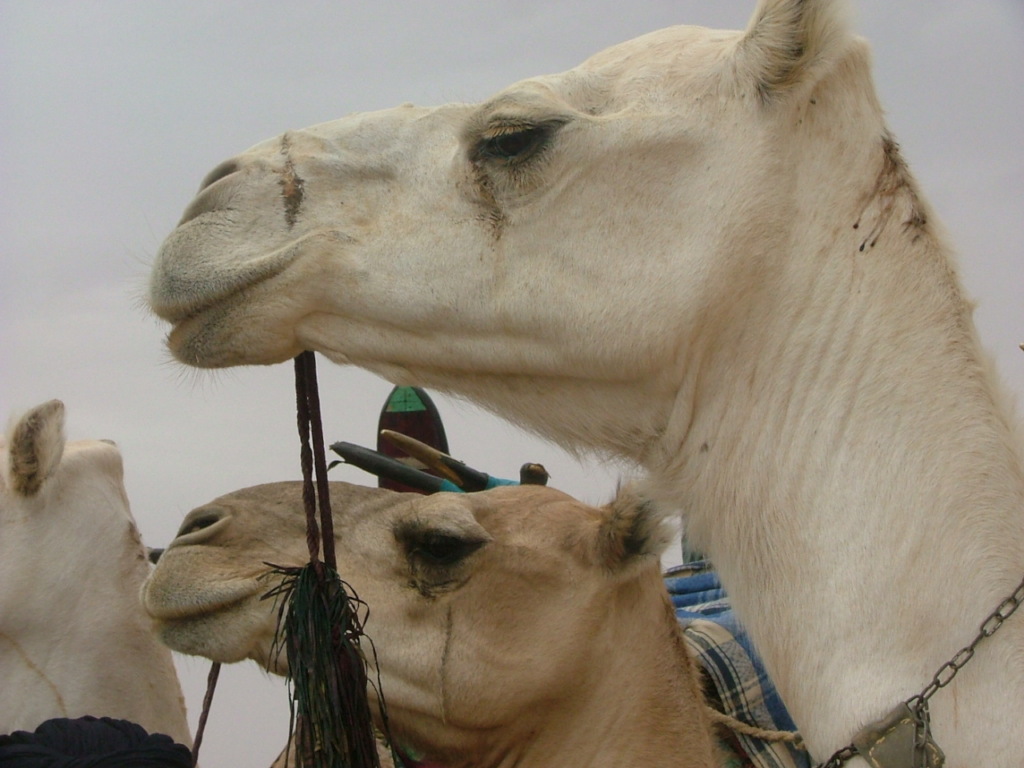
In times past thousands of camel riding Tuareg would caravan across the Sahara Desert from osasis to osasis. They crossed these large expanses of sand and sun until coming to Libya, Mali or Algiria were they sold salt, for silks, spices and other valuables.These times are now all but done. Men are forced to go on "exod," - they go to other countries to search for work to send money back home. They sometimes won't come back for years.
The Tuareg are famously nomadic herders. Now however it is becoming increasingly difficult to even herd a small group of animals as the cost is so high to obtain them in the first place. The animal feed during the hungry season or the hot season sky rockets as people scramble to find food for their animals.
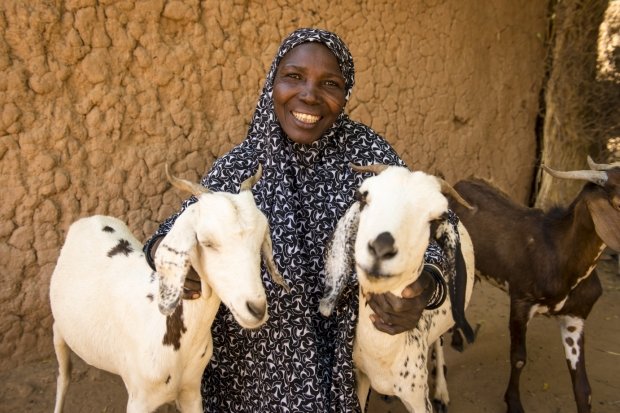
Rain for the Sahel and Sahara (RAIN) combats this by partnering with rural nomadic women and gives them a starting herd of goats. RAIN also provides vaccinations, feed, and training on husbandry so that the women have a leg up and can provide for their families. This also allows these women to bring cheese, milk, and meat to their families diet.
Herding goats in particular is useful as they cause less damage to the envirenment in Niger and are durable animals capable of surviving extreme conditions. RAIN also sells feed at cost that can make or break a rural family. Here is a story about a herder who's family was in peril so he came in search of RAIN. Meet Dambouki:
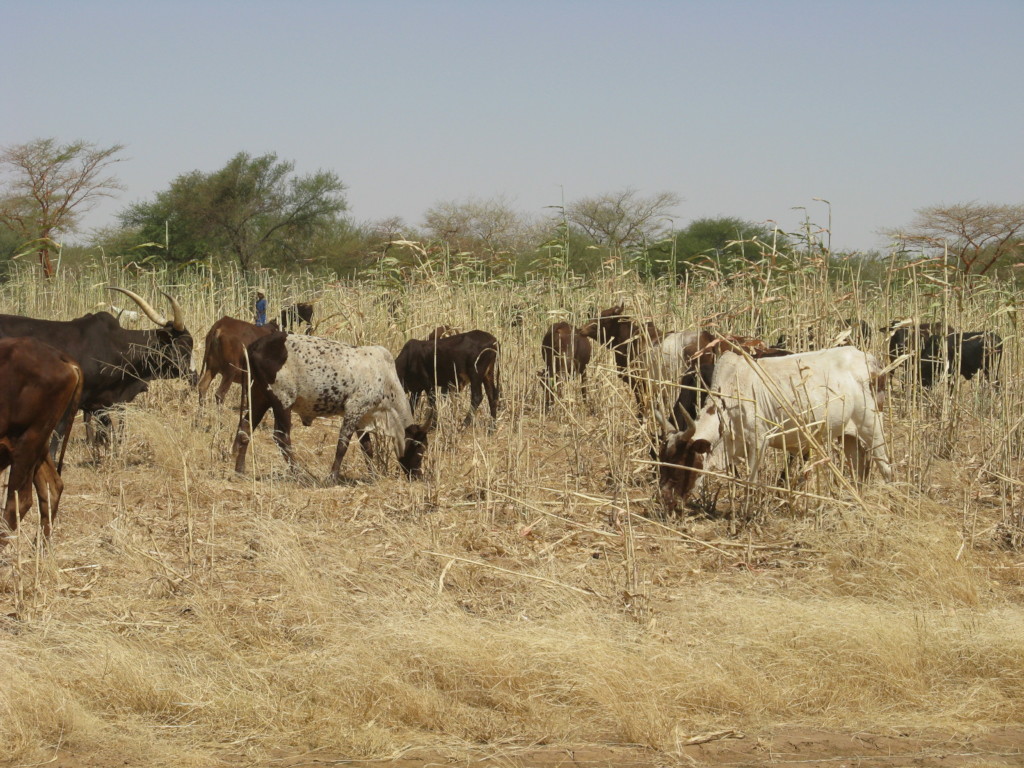
Dambouki lives his life in Niger as a herder in the Tuareg tradition. Each year, he, along with his wife and four children, follow pastures through the seasons for his camels, goats and sheep. It's not an easy life. In a good year, water is scarce and green pasture even scarcer. In a bad year, a herder such as Dambouki could lose everything. 2010 was one of those years. Intense drought caused scarce pasture to disappear completely. Feeding centers dotted throughout the desert may have had cottonseed for the animals - but sky high prices made it out of reach.
Dambouki: “RAIN saved the lives of my animals, and saved my family from great hardship. I’ve even decided to send my daughter to school, since I have such confidence in RAIN.”
A family's livestock represents all they have - their means of transport, livelihoods, and food. Dambouki watched his animals grow weaker daily, pushing his family closer to the brink. Then he heard about RAIN. He learned that an animal feed center in his region of Arlit was selling animal feed at cost, and in many cases, donating feed to nomadic herders.
Project reports on GlobalGiving are posted directly to globalgiving.org by Project Leaders as they are completed, generally every 3-4 months. To protect the integrity of these documents, GlobalGiving does not alter them; therefore you may find some language or formatting issues.
If you donate to this project or have donated to this project, you can receive an email when this project posts a report. You can also subscribe for reports without donating.


Support this important cause by creating a personalized fundraising page.
Start a Fundraiser