By Jacob Dolan-Bath | Project and Communications Coordinator
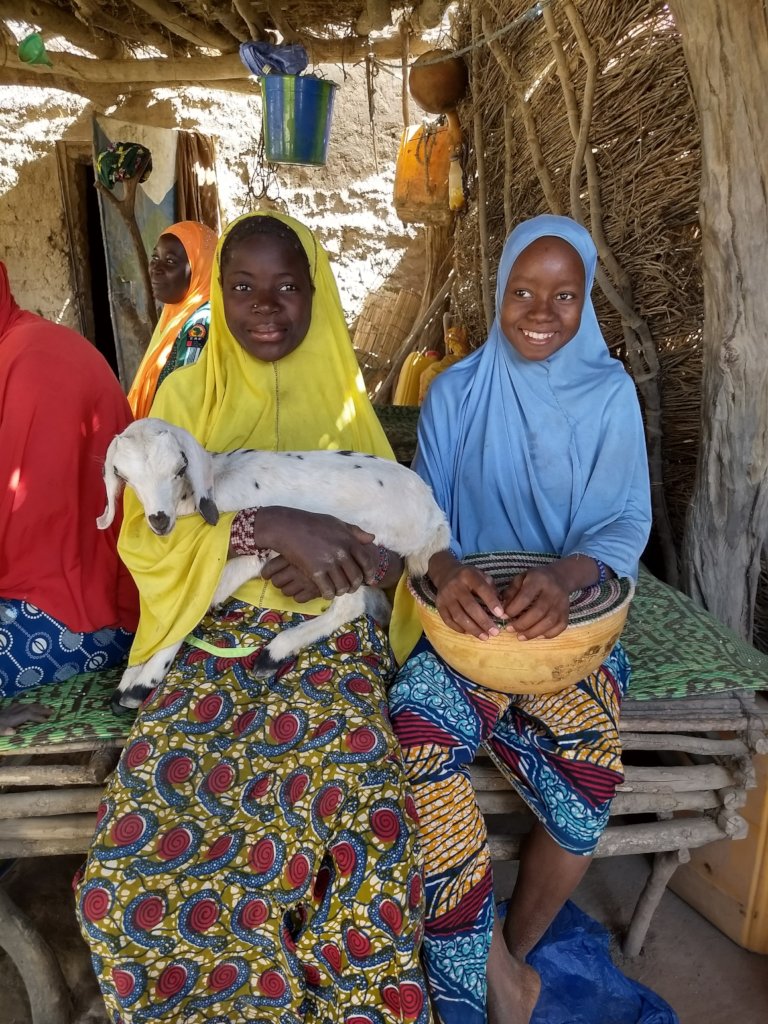
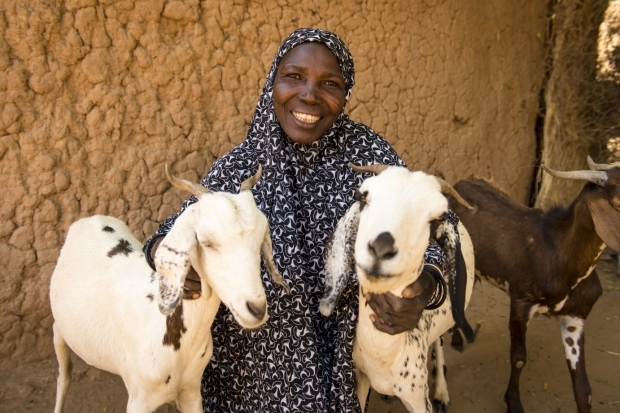
When you think of a nomadic herd in the Sahara what animal comes to mind? The goat, of course, is the perfect animal. They are one of the most resilient of animals and can survive long periods of time with little food or water. For the livelihoods of the rural nomadic Tuareg people, they must travel far off the beaten trail to find food for their animals. Goats provide everything from a sustainable food supply of milk and cheese to meat. They are also valuable creatures and can be sold when in need of necessities. RAIN’s mentoring program includes a herding program. Herding not only is the Tuareg’s traditional source of income and food but also can become a sustainable development. By breeding goats and selling the older males this creates a sustainable cycle. Our program allows women to contribute to their family in a meaningful way.
Our women mentors need starter herds for our program to be truly effective. It may seem small, but donating a goat can go a long way towards sustainable and enduring livelihoods! With the increasing desertification of arable these wonderful people need the ability to survive and adapt to their current climate. Goats are one of the hardiest animals and can survive droughts better than other domestic animals. This is a change that can make a big impact on local communities and create economic development in the Sahel and Sahara.
This is a three-step program, the first is mentoring, an illiterate woman is couched by RAIN staff on topics of traditional crafts, hygiene, business, entrepreneurial skills, confidence building etc. These women are given a stipend to mentor five students. Students with mentors have a 20% higher chance of staying in school and finishing primary school than those without. Currently, RAIN has 164 mentors working with over 770 students in rural Niger.
The second step is micro-finance and income generation. Mentors take part in a Savings and Loan groups. 20 women save small amounts of income and take out micro-loans to create small businesses in their villages or surrounding areas. They are taught additional business strategies to help them save and invest their earnings. This allows women to gain more confidence in their abilities and provide for their families.
The final step is herding. Mentors are given a herd of five animals. They are supplied with vaccinations and feed for the first few years until the offspring are old enough to be breed. Once their offspring are breed the Mentors have reached sustainability. Our mission is to provide education and enduring livelihoods to rural and nomadic peoples of Niger. With this program, we hope to give the means and experience for women to succeed.
Project reports on GlobalGiving are posted directly to globalgiving.org by Project Leaders as they are completed, generally every 3-4 months. To protect the integrity of these documents, GlobalGiving does not alter them; therefore you may find some language or formatting issues.
If you donate to this project or have donated to this project, you can receive an email when this project posts a report. You can also subscribe for reports without donating.


Support this important cause by creating a personalized fundraising page.
Start a Fundraiser