By Samantha Daggett | Director of Individual Giving Campaigns
For nearly 60 years, HAS has been an international model for health care, disease prevention, and education in the developing world. HAS is committed to fulfilling its promise to provide high quality healthcare to those who are most in need.
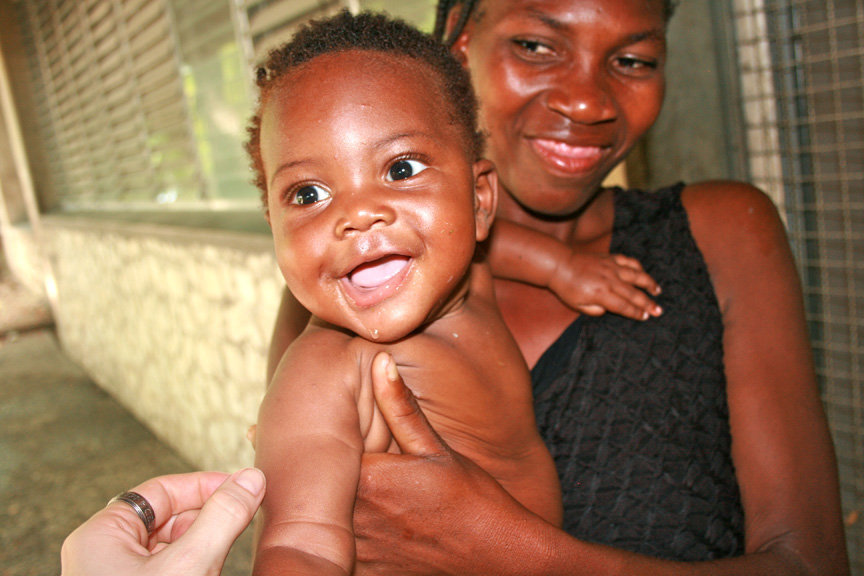
Maternal and child health services account for nearly 60% of all services provided by Hôpital Albert Schweitzer Haiti (HAS), among both hospital and community services. With this emphasis on maternal and child health, HAS aims to improve maternal and child survival rates in Haiti, which are among the lowest in the world.
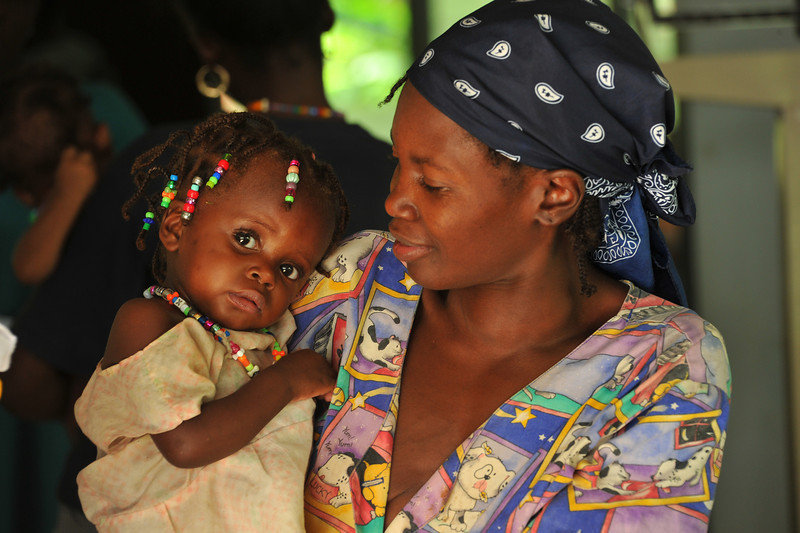
Children cannot be healthy if their mothers are not healthy. HAS therefore views pediatric healthcare and maternal healthcare as closely, indeed inextricably related. From Cesarean sections for high-risk deliveries in the hospital, to community-based education about various topics including breastfeeding, nutrition, and prenatal warning signs, HAS strives to meet the healthcare needs of mothers and children in the Lower Artibonite and adapt to the changing public health situation through a wide variety of health services. Not only does HAS provide extensive education for patients about reproductive health, encourage and ensure skilled antenatal care for women, we work with mothers and children intensively until a child turns five in order to promote optimal health for women and their families. The hospital specializes in treating serious and complicated illnesses, saving thousands of lives per year with medication and surgeries. Much of the services performed in community services is preventive; by screening children for malnutrition and administering all required vaccines to children under five years, for example, our staff also saves lives by stopping potentially fatal illnesses before they even start.
This report details HAS’s major maternal and child health service outputs from 2013. The year was quite busy at HAS, with patient volumes in virtually every maternal and child health service higher than in 2012. Community health workers, nurses, and doctors stretched themselves more than ever in order to treat, refer, and prevent illnesses for these vulnerable patient populations, as well as for all patients.
INPATIENT PREGNANCY AND MATERNAL CARE
While most routine prenatal care at HAS is performed in community health centers (known at HAS as “dispensaries”) and mobile clinics, the main hospital’s OB/GYN services specialize in high-risk obstetrics. Neonatal care is provided by the Department of Pediatrics, headed by Dr. Maurice Toussaint, pictured below. If clinicians in the community discover a potential pregnancy complication, such as high blood pressure that could indicate the onset of preeclampsia—pregnancy-induced hypertension that could lead to fatal consequences for mother and baby if untreated—the woman will be referred to the hospital for the remainder of her prenatal care and delivery. As awareness grows through education about warning signs in pregnancy, and the reputation for HAS’s maternity care remains one of the strongest in Haiti, the demand for high-risk obstetrics services is on the rise at HAS. In 2013, due to rising acuity of cases, the occupancy rate averaged 150% in the maternity ward. That this number is even higher than last year’s 118%—already well over capacity—indicates the rate at which expectant mothers are coming to HAS with increasingly complicated cases of conditions such as preeclampsia, placenta previa (a major cause of antepartum hemorrhage), and peripartum cardiomyopathy (weakened heart function surrounding pregnancy). Patients are also staying longer in the hospital, to ensure full recovery from high-risk deliveries.
Below is an overview of the hospital’s OB/GYN service numbers in 2013:
PREGNANCY AND MATERNAL CARE IN THE COMMUNITY
Community health centers and mobile clinics are a fundamental part of the integrated community services network. HAS runs four community health centers (two in valley areas, two in mountainous areas of the hospital’s service area), with an average of 76 mobile clinics per month throughout the service area. Both of these components of community care provide primary and preventive care services, including those specific to maternal health, such as pre- and postnatal consultations and family planning and reproductive health. They are located even in the most remote corners of the service area to ensure that quality health care is accessible to our patients, who may live up to eight hours’ walking distance from the main hospital.
Community health workers play an important role in maternal health by encouraging women in their communities to attend regular prenatal exams at the nearest community health center or mobile clinic, teaching them about important milestones and warning signs during pregnancy and motherhood, and conducting post-natal home visits. Community health workers and health center staff deliver hundreds of education sessions at health posts and health centers every month.
Below are some of the major community-based maternal health activities from 2013:
CHILD HEALTH
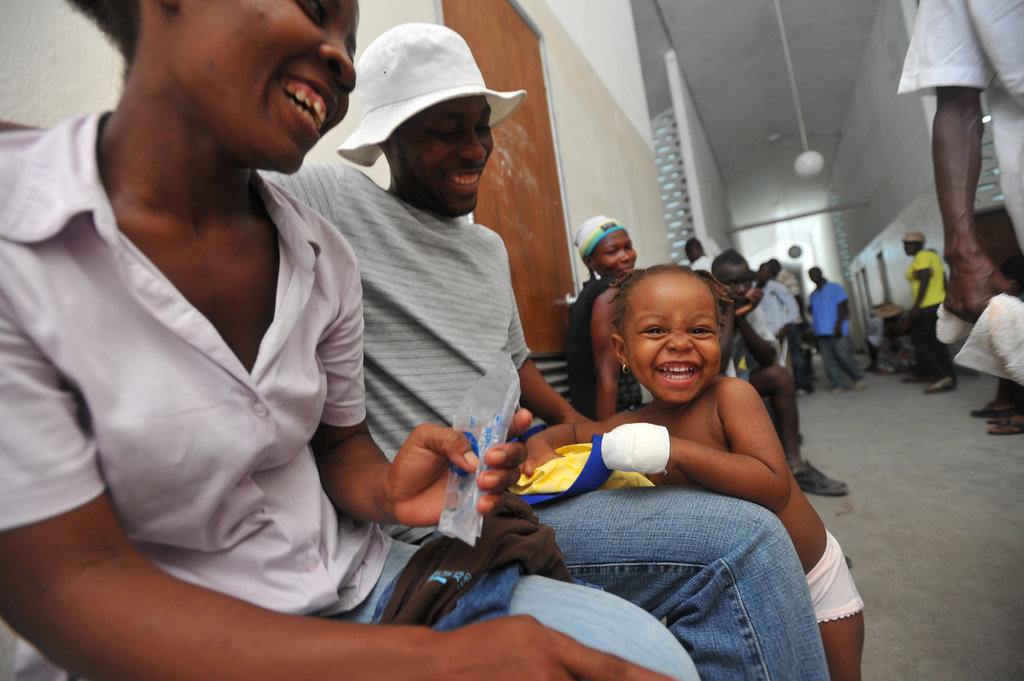
Pediatric patients represent a significant portion of the hospital patient base. Over half of the available beds are reserved for the various pediatrics wards (pediatric surgery, general pediatrics, nutritional rehabilitation, pediatric isolation, and neonatal intensive care). Additionally, the general pediatrics clinic and the pediatric surgery clinic combined make pediatrics the second busiest hospital outpatient clinic division, behind internal medicine. In 2013, children represented 33% of all admissions, but nearly 50% of total patient days, indicating that their cases are often complex and require them to stay in the hospital for a considerable length of time. The children who are admitted to the hospital for care often suffer from serious, even life-threatening health conditions, including severe, acute malnutrition, infectious illnesses such as diarrheal diseases and upper respiratory infections, and injuries or conditions that require surgery and rehabilitation. Ward admissions in 2013 showed notable trends compared to 2012; while most decreased in volume, there were considerable increases in pediatric surgery and neonatal intensive care admissions.
The following are the main hospital pediatric service numbers from 2013:
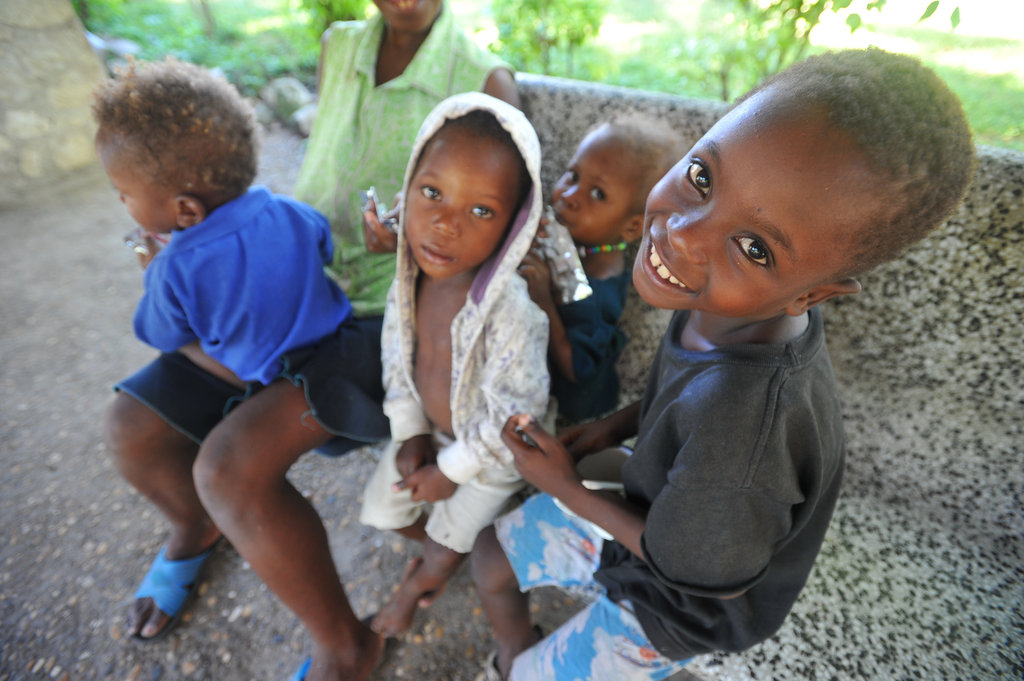
Community health centers, mobile clinics, and community health worker activities emphasize child health in a variety of ways. Pediatric primary care consultations in community health centers and mobile clinics are high volume, and preventive health activities, particularly for children under 5 years old, are the focus of child health activities in the community. From nutrition screenings to immunizations to distribution of vitamins and deworming medication, most activities are targeted to reduce child mortality, particularly in the “first 1,000 days” from conception to age two when children are the most vulnerable. During this critical time period, proper nutrition and health can profoundly impact a child’s ability to grow, learn, and live a full and productive life. In 2013, we maintained or increased service levels for most child health activities in comparison to 2012, indicative of the true and continued need for these services.
Below is an overview of 2013’s main community child health activities:
THE IMPACT OF HAS ON CHILDREN AND FAMILIES
The HAS high-risk obstetrics (OB/GYN) ward is increasingly one of the busiest wards at HAS. Known throughout Haiti for its excellent work in helping women deliver safely despite life-threatening pregnancy complications, HAS’s OB/GYN ward always has a specialist on call ready for emergency cases. Alisma and her family are just one story that illustrate the countless ways HAS helps families in Haiti.
Last February, 26-year-old Alisma went into premature labor seven weeks before her due date—an already high-risk situation compounded by the fact that she was expecting triplets. Alisma's local clinic referred her to the only place for miles around that could help her: HAS. Alisma was rushed by ambulance to the hospital in Deschapelles, where Dr. David Jean-Louis, the obstetrician on call, managed her care, helping her and her infants through a safe, natural delivery. 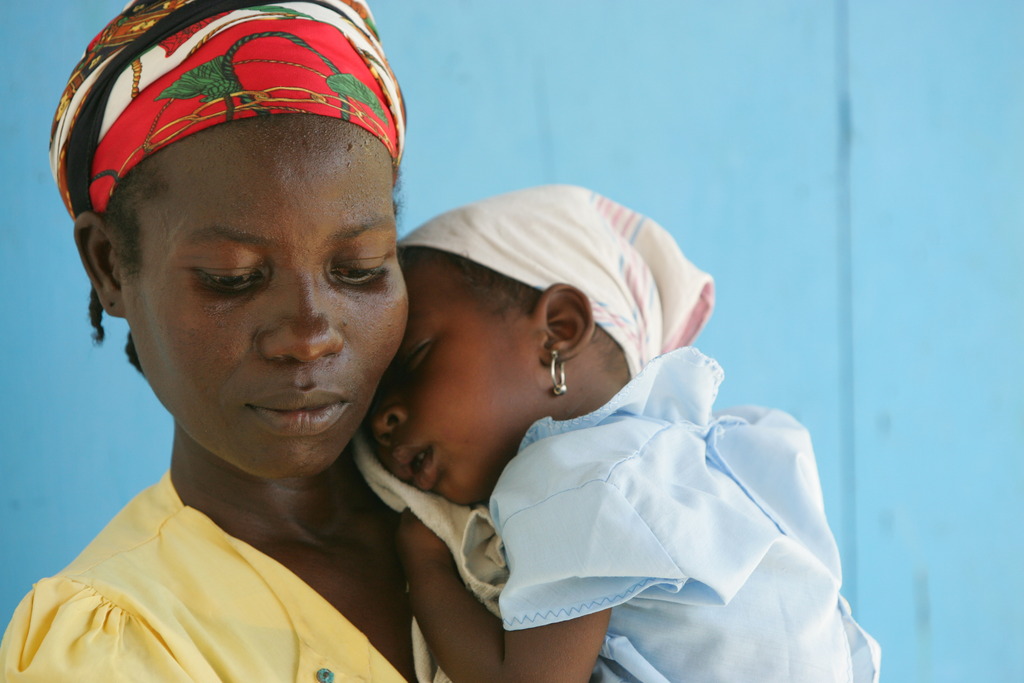


Project reports on GlobalGiving are posted directly to globalgiving.org by Project Leaders as they are completed, generally every 3-4 months. To protect the integrity of these documents, GlobalGiving does not alter them; therefore you may find some language or formatting issues.
If you donate to this project or have donated to this project, you can receive an email when this project posts a report. You can also subscribe for reports without donating.