By Rachel Morrison | Intern
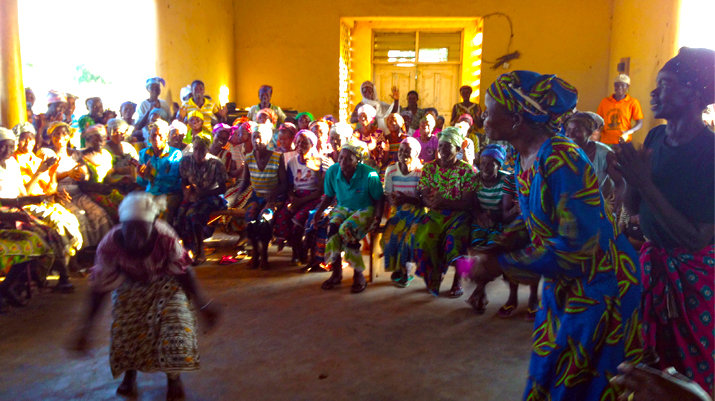
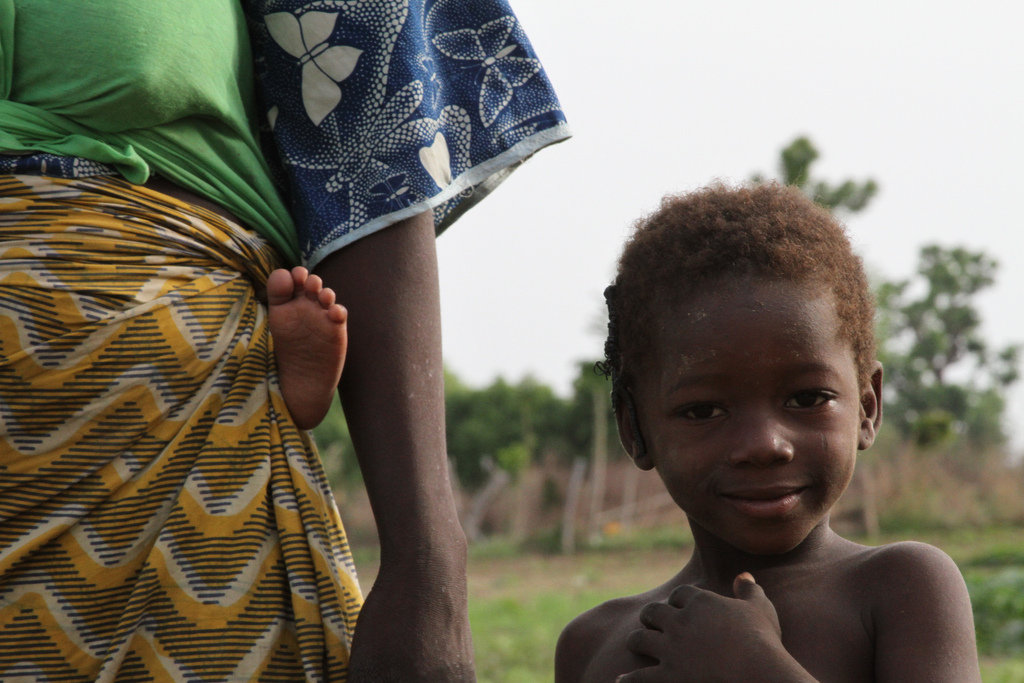
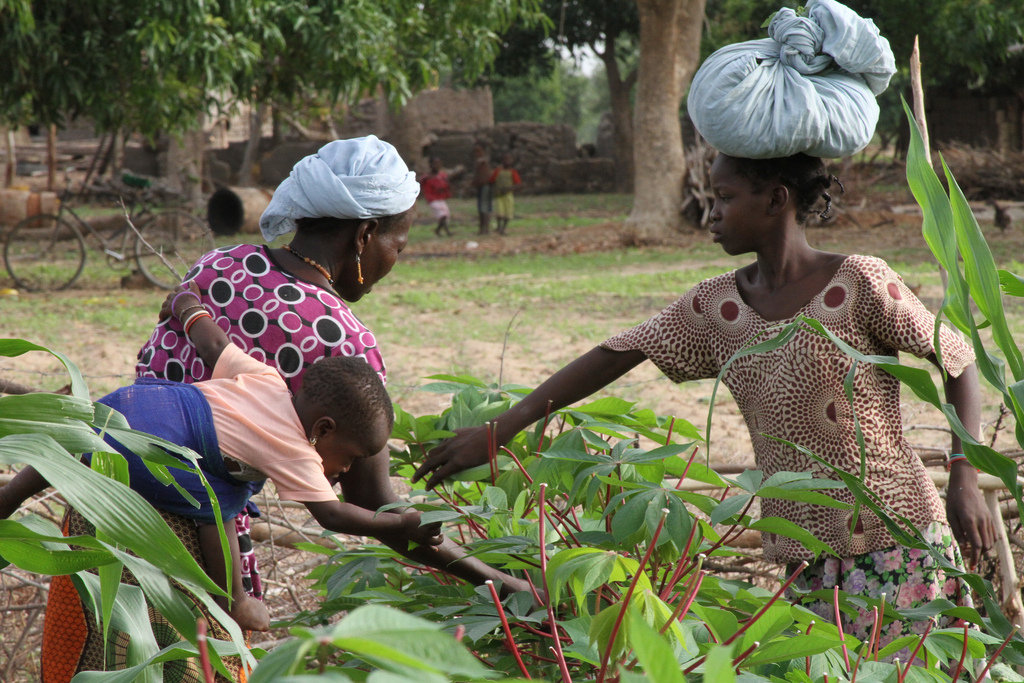
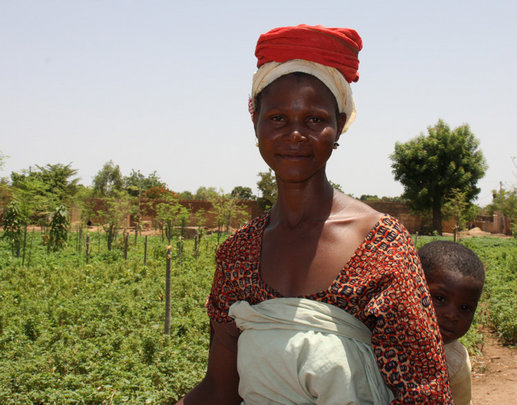
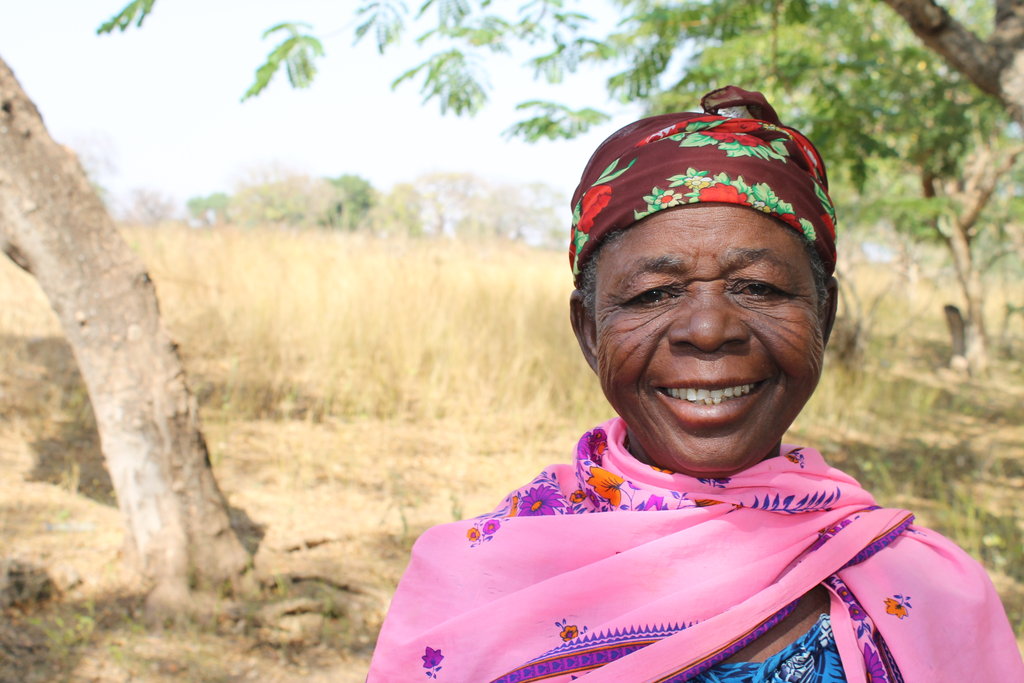
When I was in college, I had the opportunity to spend a month working in Mali, West Africa as an evaluation intern. During my four short weeks in the Ouelessebougou (pronounced Way-less-a-boo-goo) region, I worked in seven different villages interviewing and holding focus group discussions with village chiefs and their elders, local midwives, health agents, teachers, and (my favorite) each village’s women’s association.
In my “causeries avec les femmes” (French for “chats with the women”), I asked women to share with me what their daily lives were like, what they felt their village’s strengths were, and where they felt they needed to improve as a community.
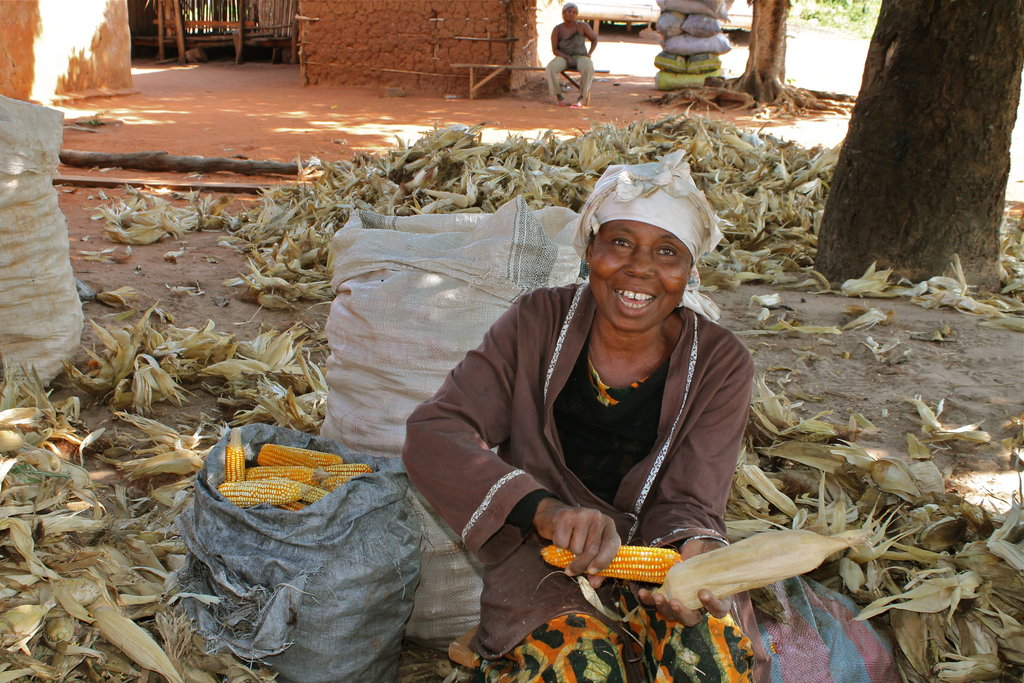
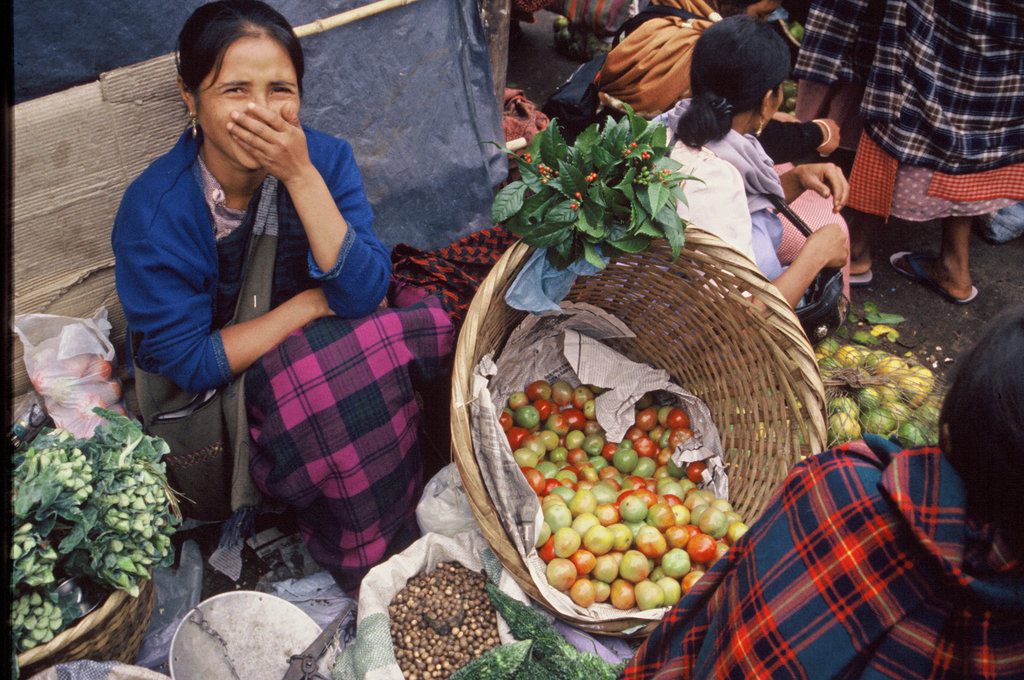
These devoted mothers often shared with me the struggles they faced everyday in feeding their families. The women complained that a contributing factor to their poverty was that they were often cheated when they went to sell their vegetables and crops to larger-scale purchasers. They felt that buyers would often take advantage of them because they lacked skills in basic math and numeracy. Additionally, the more powerful buyers would often improvise measuring methods, and ultimately give the women a lot less money than they deserved.
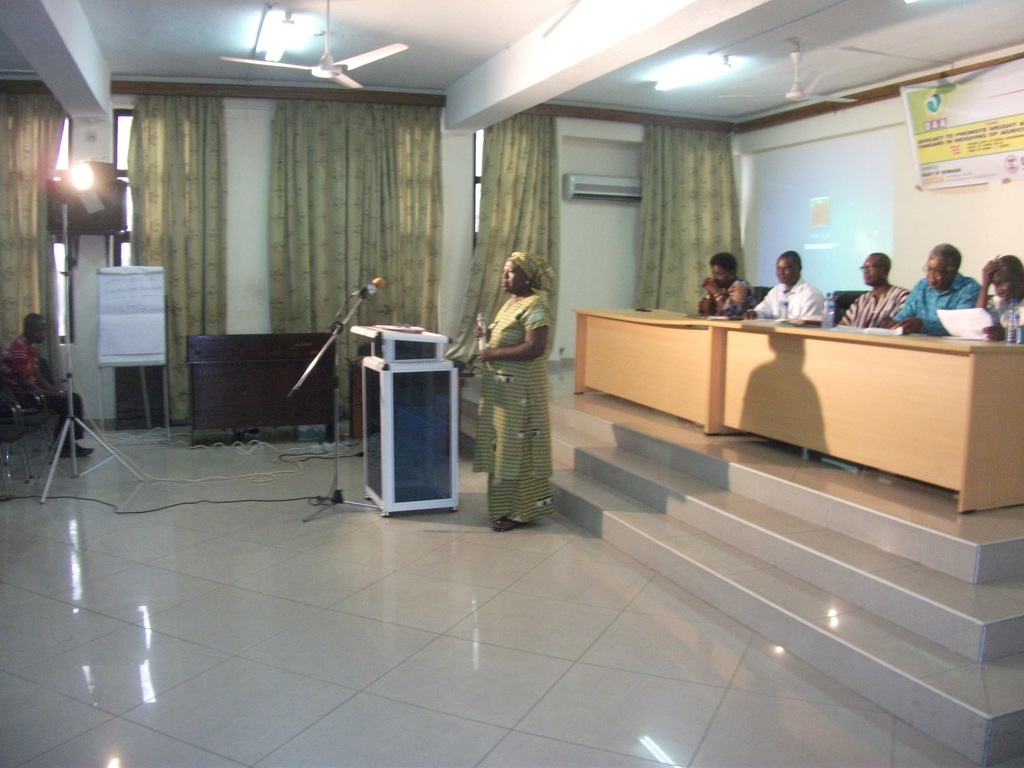
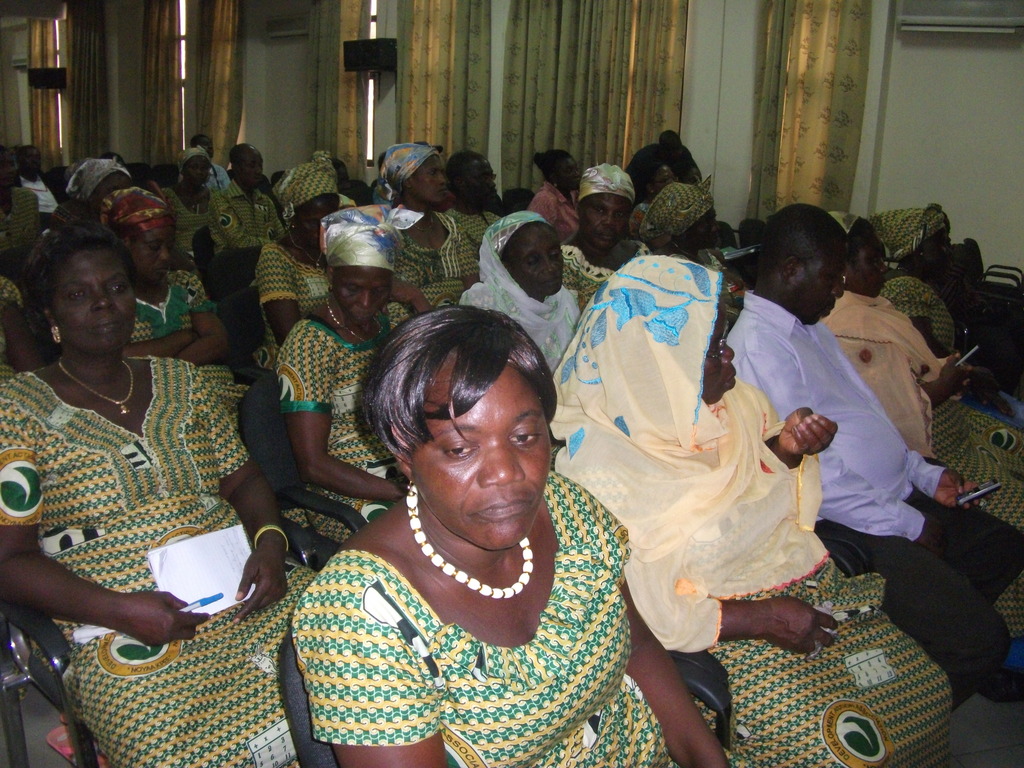
Recognizing this problem, our local partner in Ghana, the Development Action Association (DAA) initiated serious conversations about promoting standard weights and measurement in the sale of agricultural produce and organized a stakeholders workshop in Accra. The event was so successful it was featured in three different local newspapers below.
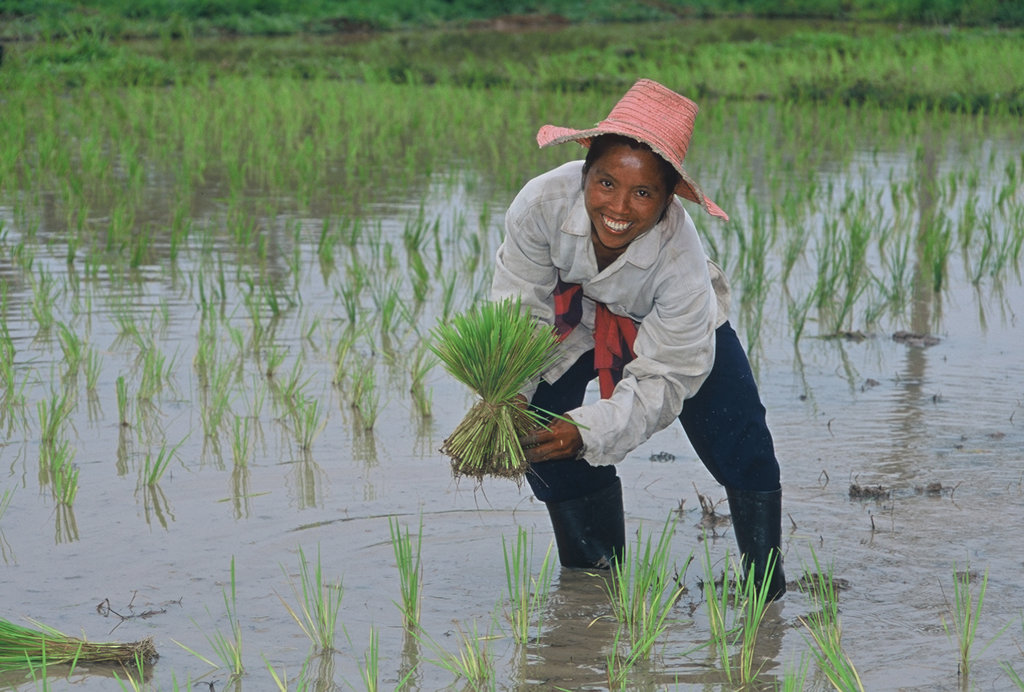
But how does adopting standard weights and measurements help women feed the world? Previously women farmers used things like plastic bags and used bottles to sell their goods, hoping to get a fair rate, or had to rely on methods given by unscrupulous large-scale purchasers that often paid far less than what the women deserved (like the women I spoke with in Mali). Adoption of standard measurements enable women to accurately weigh and package their products to not only get a fair rate, but also start selling their products professionally outside of their local market—helping to improve their income and their ability to feed their families. And your support helped provide the advocacy and leadership training that empowered DAA to push for the new policy.
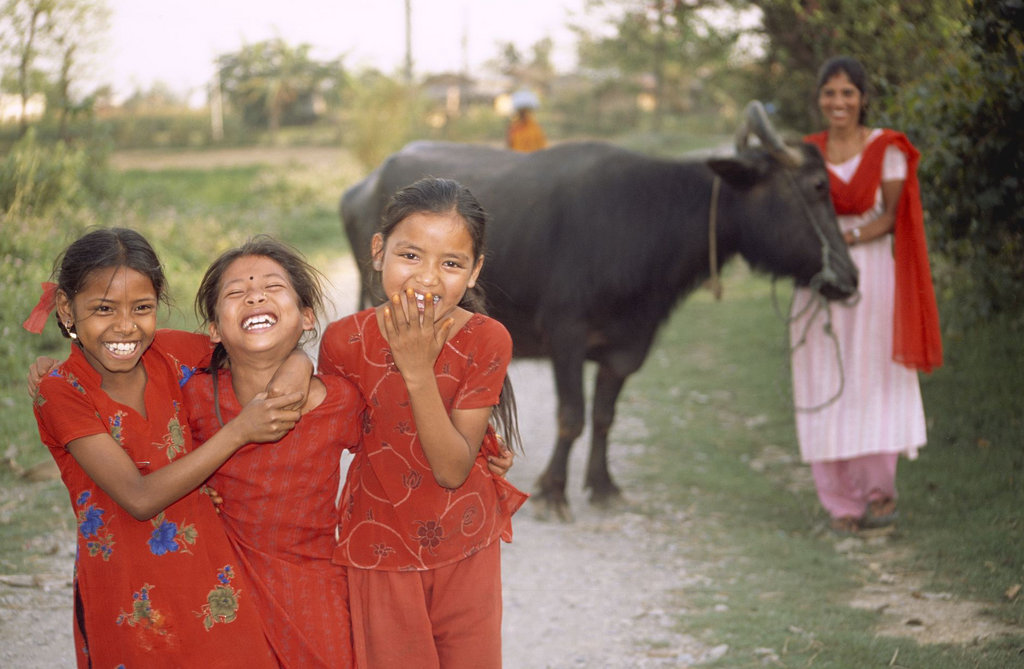
Thank you for your support. You are making a huge difference in the lives of women and worldwide, and I hope you will share what we have been able to achieve together.
One way you can spread the word is by giving a gift that helps women feed the world. Starting today, we will be offering those contributing $50 or more a special gift of hand woven scarves produced by The Association of San Jose Craftswomen for Maya Botanika, a women artisan’s fair-trade collective in Guatemala. These scarves make the perfect gift for say Mother's Day because not only will your recipient receive a lovely fair-trade scarf and card, but also will know that your gift has empowered millions of other mothers worldwide in her name. Please visit our project page for more details.
Sincerely,
Rachel Morrison
Intern, Women Thrive Worldwide
Project reports on GlobalGiving are posted directly to globalgiving.org by Project Leaders as they are completed, generally every 3-4 months. To protect the integrity of these documents, GlobalGiving does not alter them; therefore you may find some language or formatting issues.
If you donate to this project or have donated to this project, you can receive an email when this project posts a report. You can also subscribe for reports without donating.