By Anne B. Njeri | Finance & Administration Officer
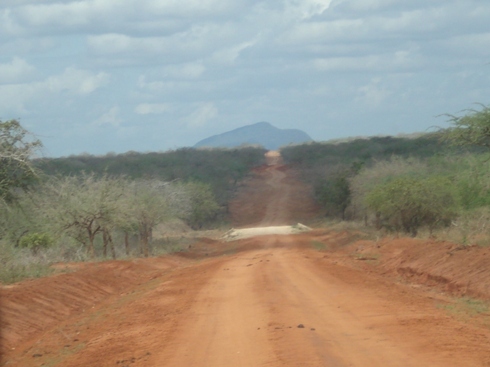
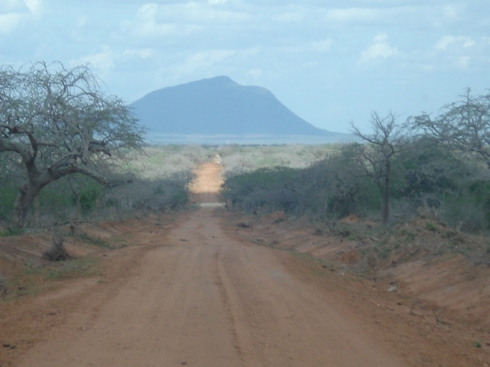
Kilibasi is about 514 kilometers from Nairobi and is located in Kinango District in Coast Province. It takes a minimum of seven (7) hours to drive there from Nairobi. The region is sparsely populated and the main economic activity is charcoal burning. Some community members tried to keep livestock in the area but due to aridity, this activity has proved unprofitable. Crop farming is the least popular activity due to poor rainfall and elephant and baboon attacks. However there are efforts to engage the community in eco-tourism.
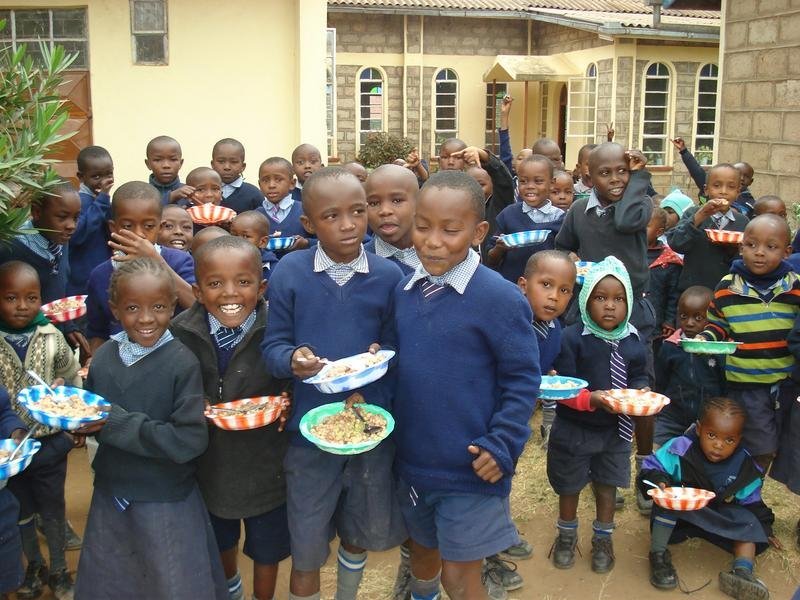
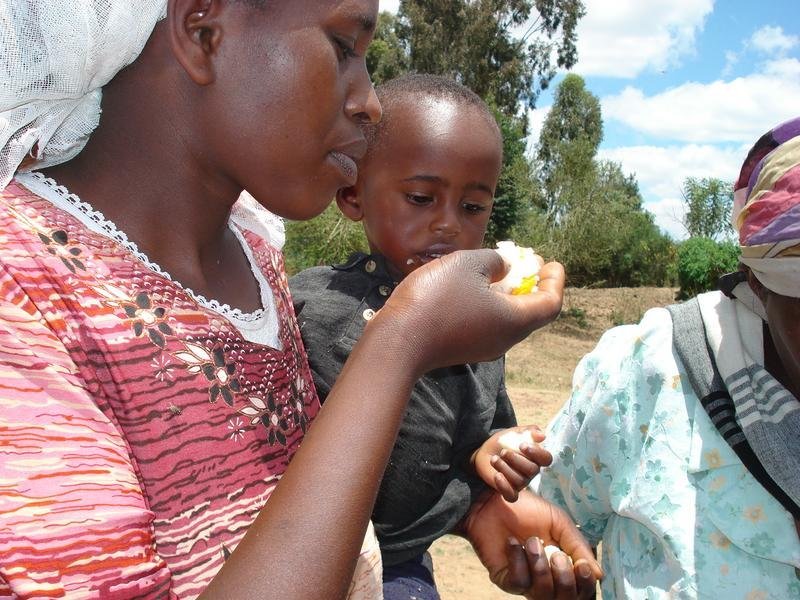
At Kilibasi Primary School, there is a School Feeding Program (SFP) initiated by the Kenya Government. Food is an incentive to keep children in school as for most of them, the meal they eat there is the only food they will have for the day. On a day when food at school is guaranteed, the student population is 500 children aged between 4 to 13 years. This drops to 150 children on days when there is no food in school. This food is usually crushed maize, or wheat and some peas. These are usually boiled and when cooked served to the children starting with those in lower primary. Needless to say both the quantity and quality of this food is poor but it is better than nothing.
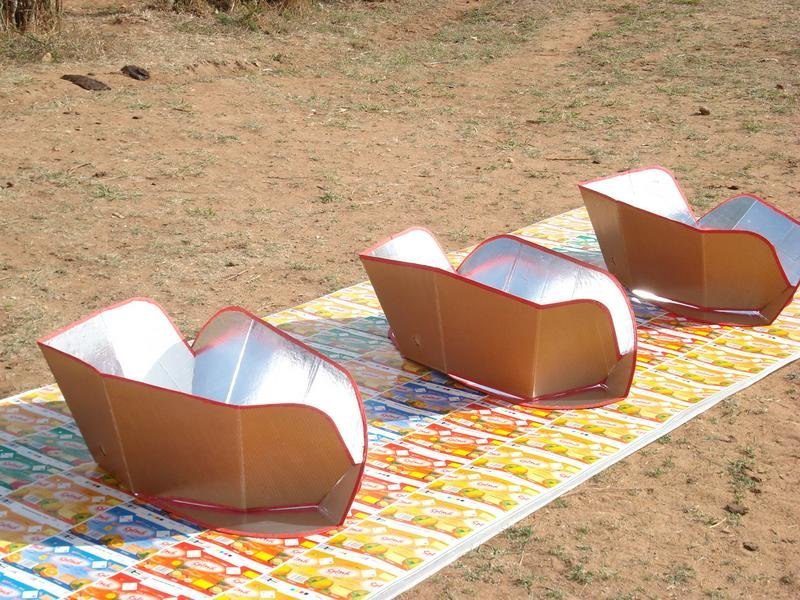
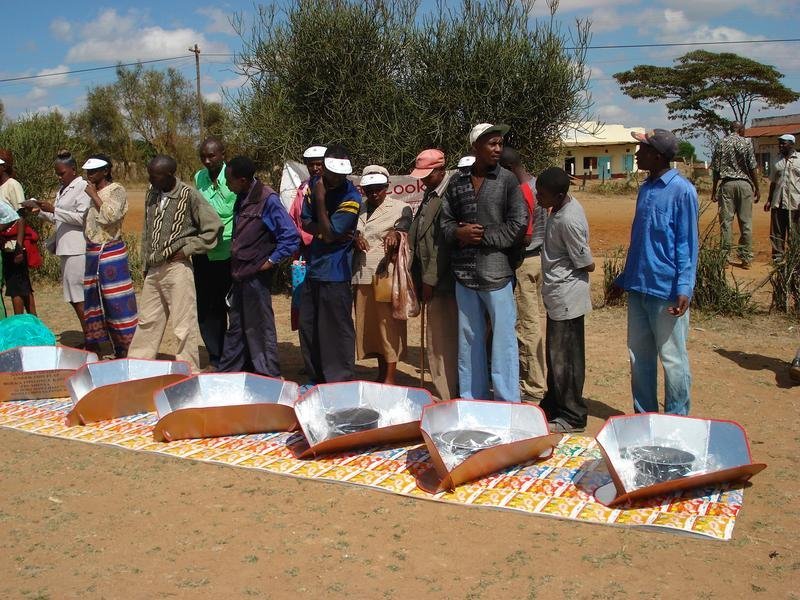
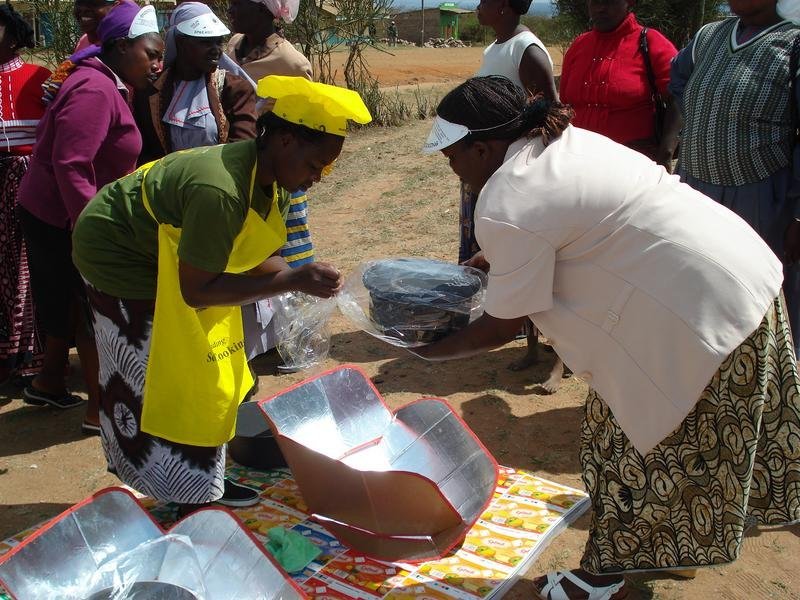
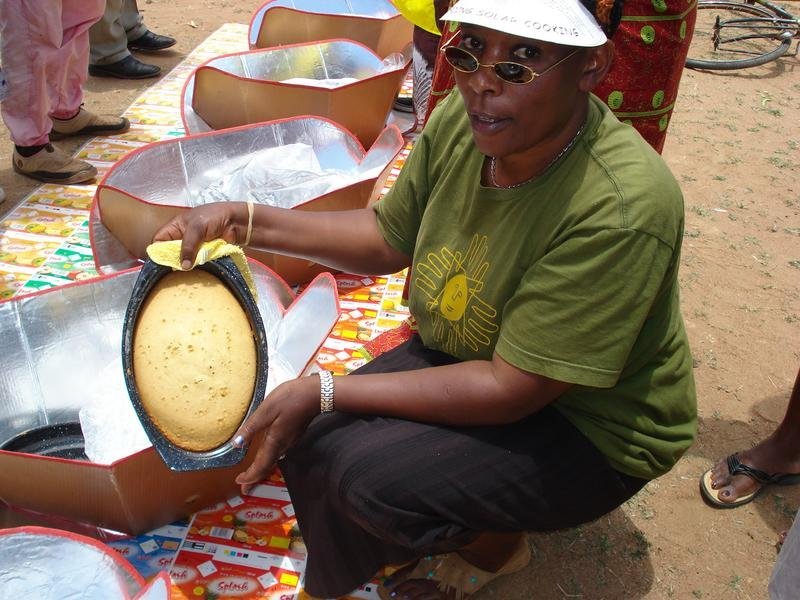
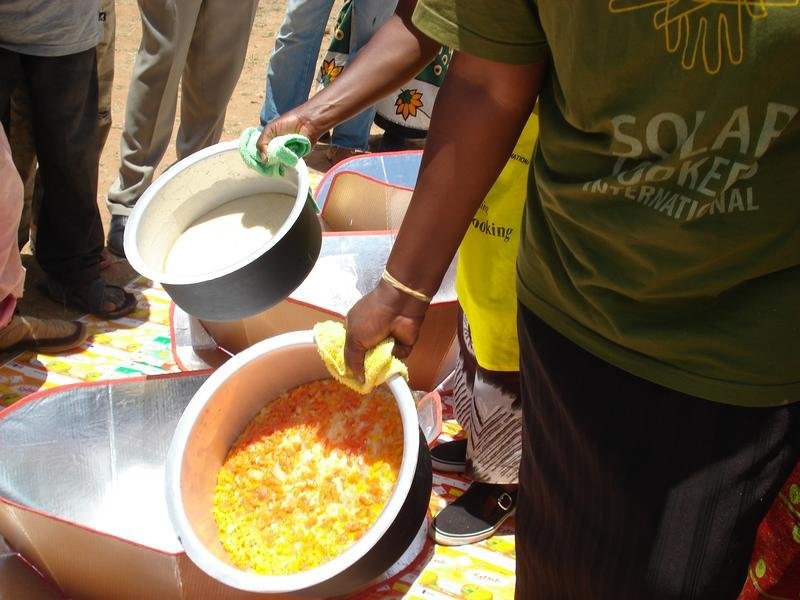
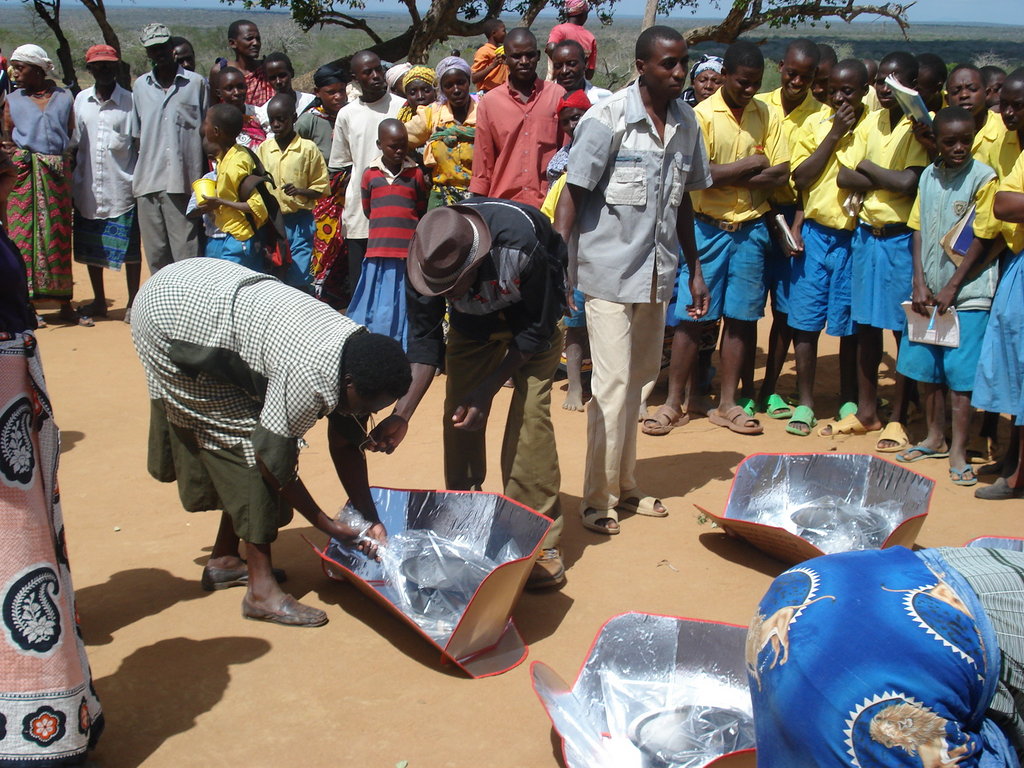
Firewood is the main cooking fuel in this region and each child is required to carry some as they report in the morning as a contribution to the fuel that will be used for the day. The 30 solar cookits as well as utensils donated, upgraded the kitchen and made it possible to cook more food cheaply. It also reduced the man hours required to watch over food as it cooks. Over time the school’s administration has succeeded to raise funds to hire a cook. Previously girls from the standard 6 class would leave vital lessons to cook for the other students in the school. The administration had tried to get parents to take turns to cook but their unreliability left no choice but to engage the children to cook for themselves. However with the solar cookits, the food is set in the sun at about 8a.m and by noon it is ready to eat. There is no need for the girls to sacrifice crucial lessons, in the unfortunate event that the school’s administration runs out of funds again.
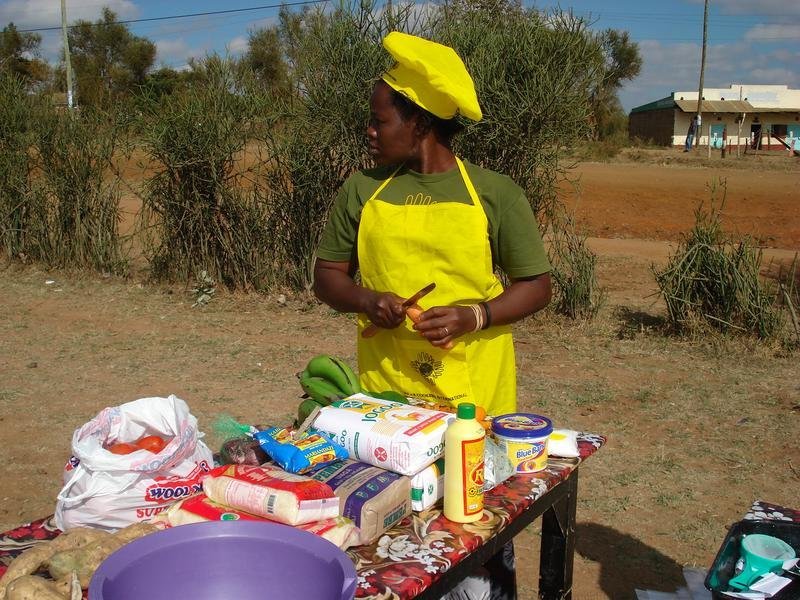
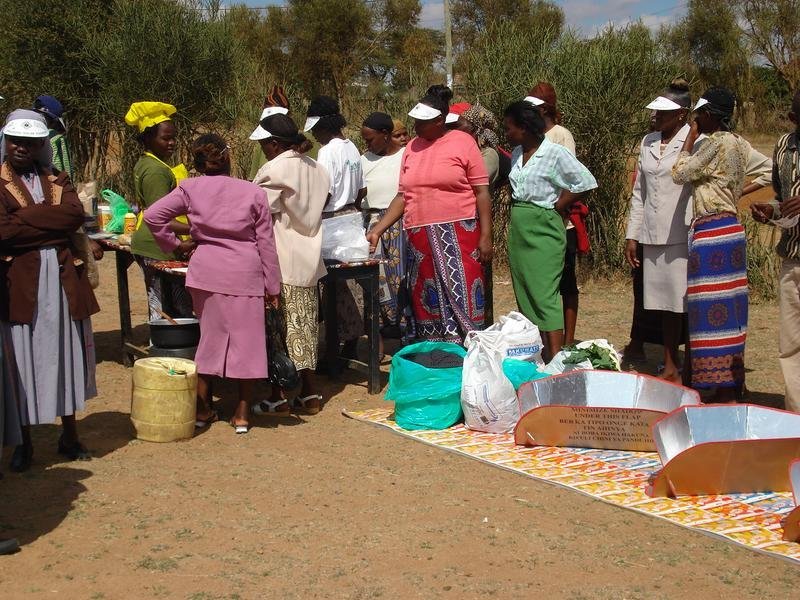
Majority of the parents present during this demonstration did not know that solar energy could be used for cooking and in a simple and affordable manner. Firewood and charcoal emit a lot of smoke and soot which is a health hazard. This was evidenced by the fact that all the women present complained of frequent chest pains and other respiratory ailments. Solar cookits are environmental friendly and are not perceived to be a health hazard. They are safe to use even around epileptics and children.
The area where the school is situated was a forest with several orchards a few years back but due to charcoal burning the environment has degenerated to what it is now. It is about a year since the last rainfall and their only water source which is a natural cave that traps rain has dried up. They now travel extremely long distances for water. The solar cooking demonstration offered an alternative to the norm in a bid to encourage reforestation. After the solar cooking demonstration, we had a tree planting session and explained to the audience composed of parents, teachers and children the relationship between poverty, deforestation, poor rainfall and ill health.
The trip to Kilibasi Primary School was very fruitful and was made possible by Global Giving Donors. We are very grateful and the community at Kilibasi appreciated it all.
Project reports on GlobalGiving are posted directly to globalgiving.org by Project Leaders as they are completed, generally every 3-4 months. To protect the integrity of these documents, GlobalGiving does not alter them; therefore you may find some language or formatting issues.
If you donate to this project or have donated to this project, you can receive an email when this project posts a report. You can also subscribe for reports without donating.