By Anne B. Njeri | Finance & Administration Officer
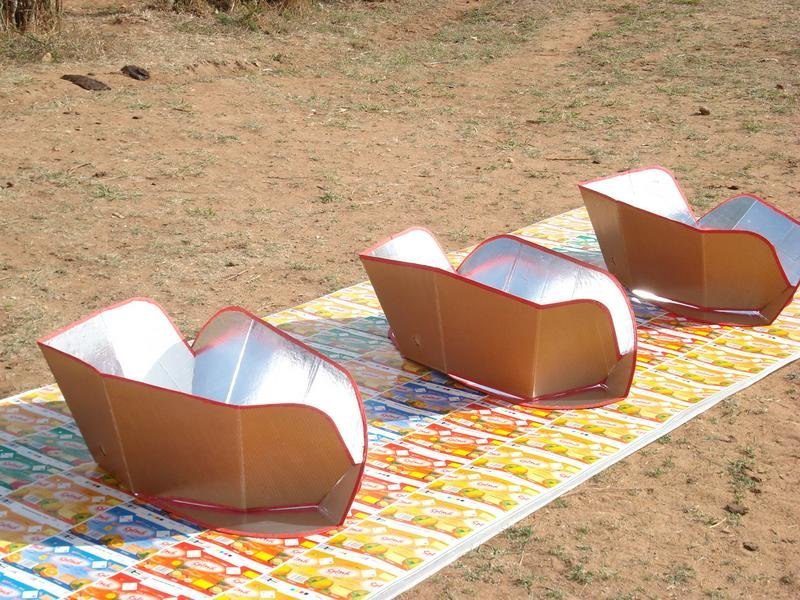
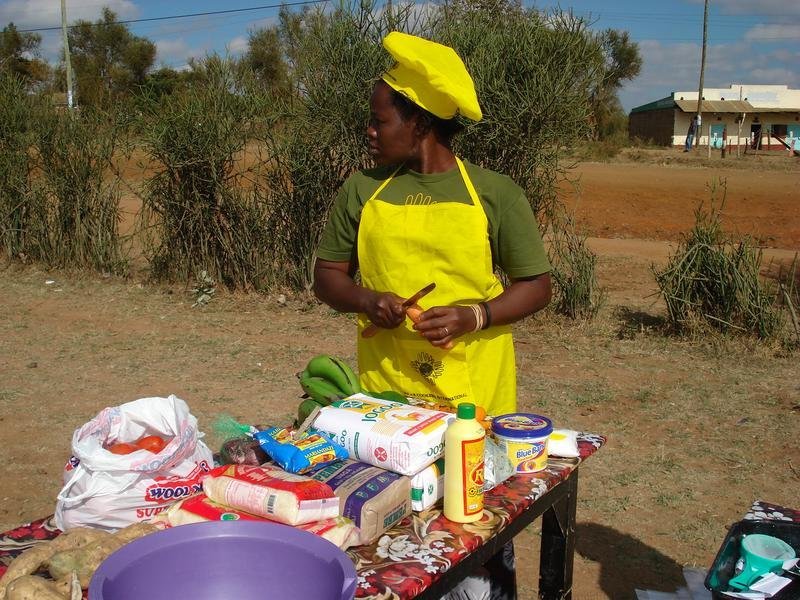
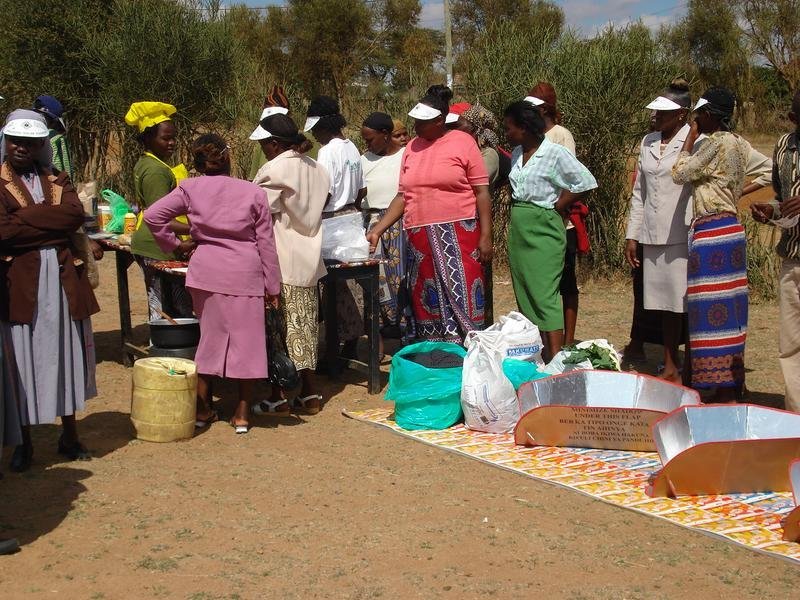
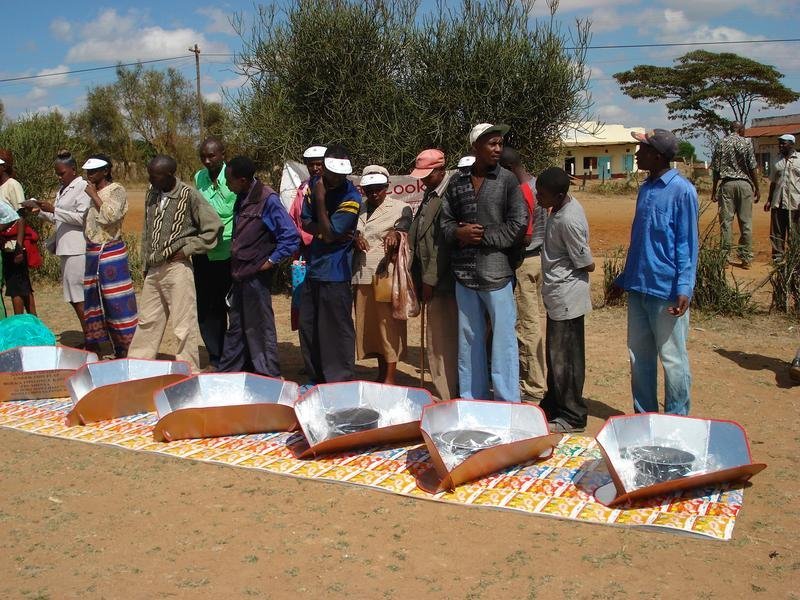
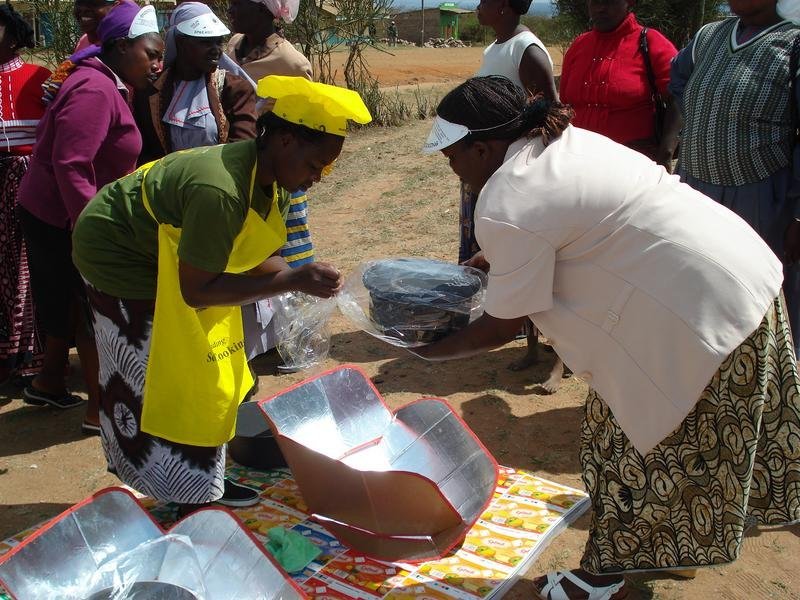
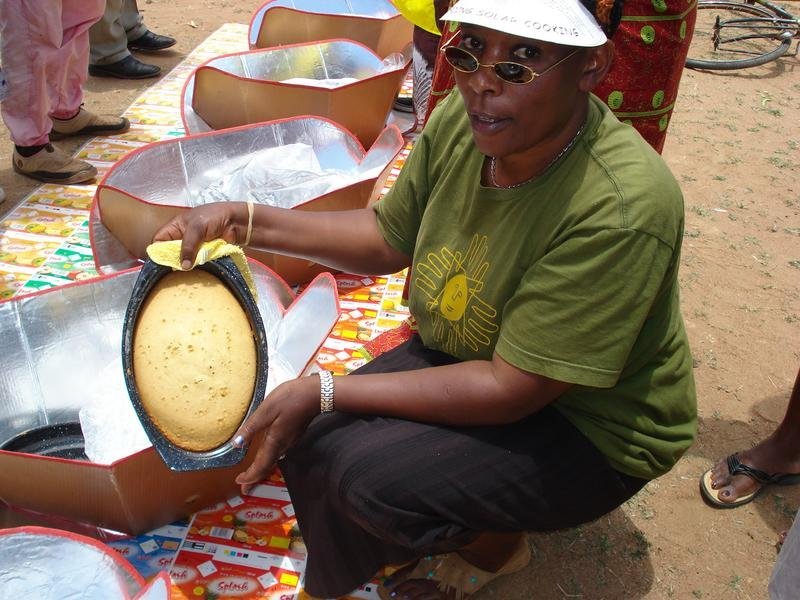
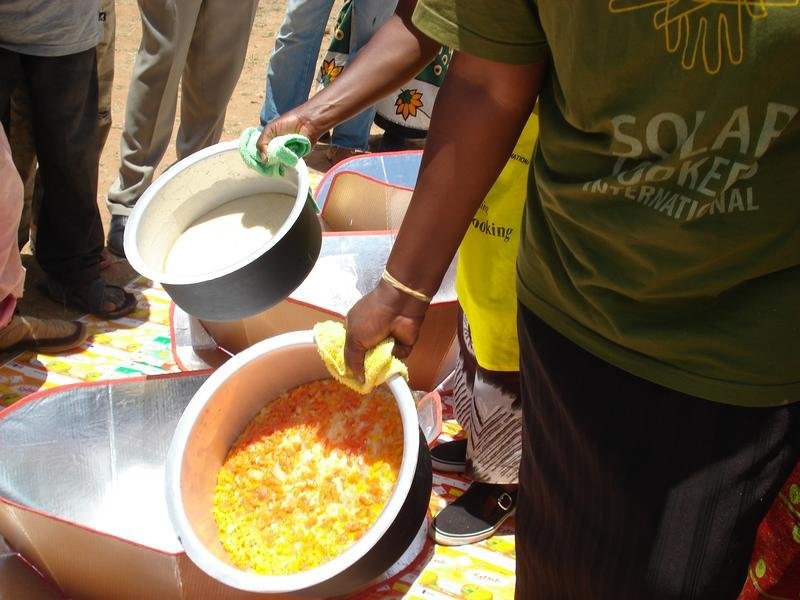
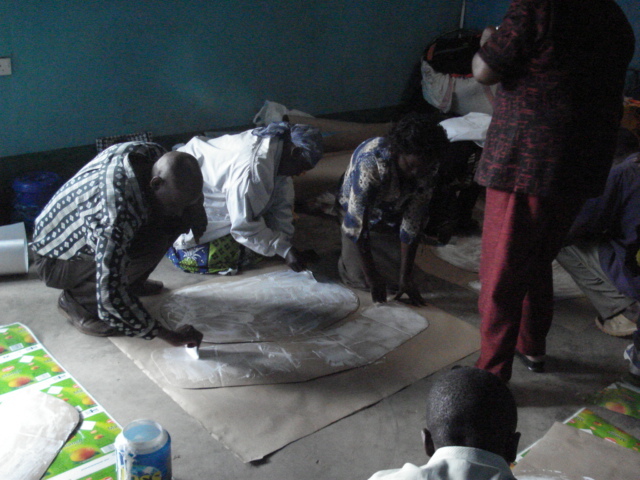
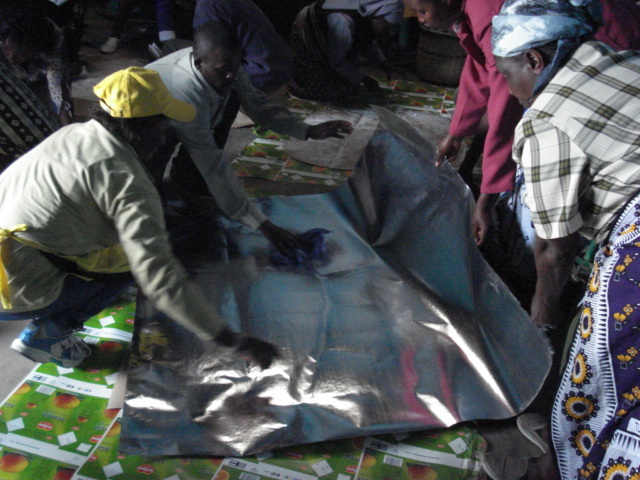
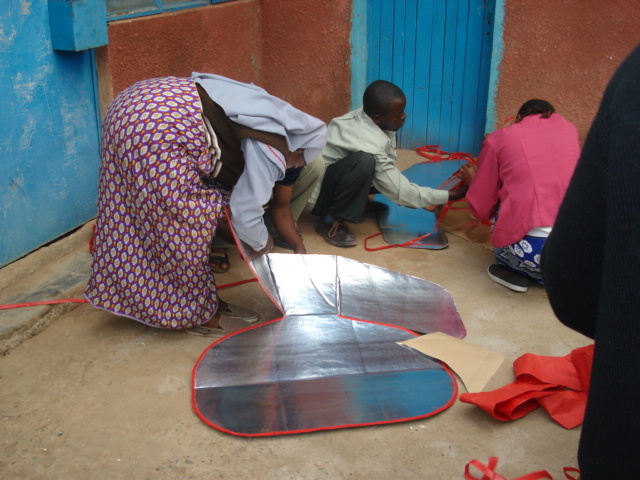
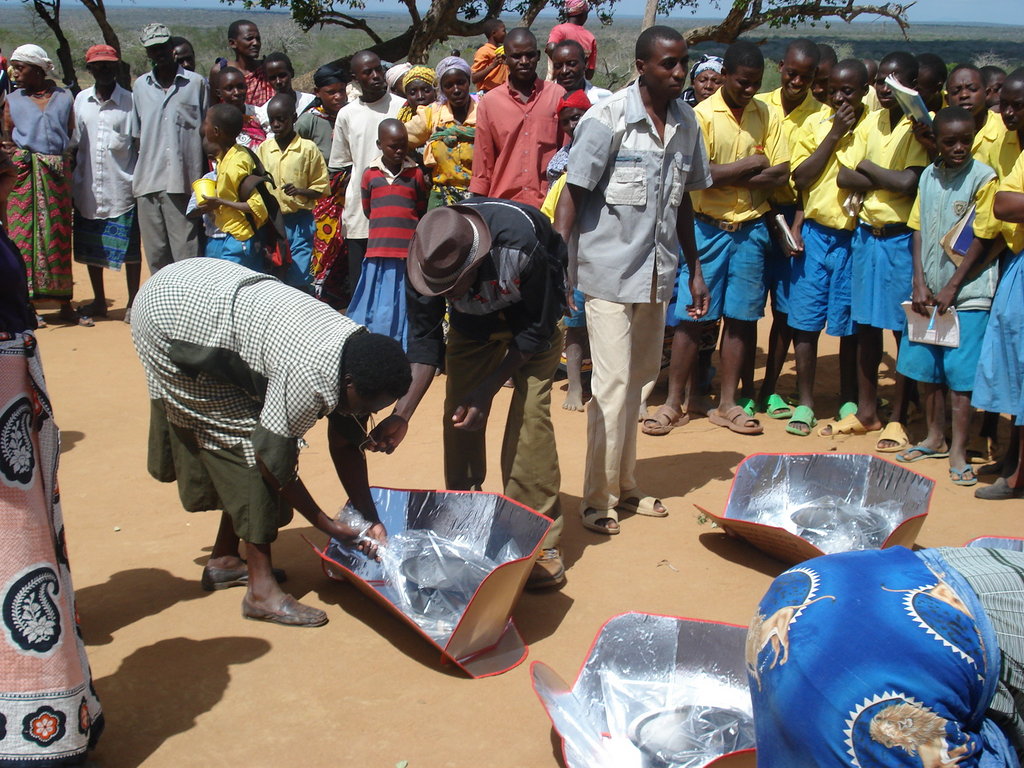
Training on how to make solar cookers was conducted over three (3) days from 26th to 28th August 2008. It was conducted in Mitaboni and amongst the participants were five (5) young men who willingly joined the women folk to learn how to make solar cookers. The participants were very active and all took part in cutting, spreading the glue on waxed card board and also preparing cooking ingredients to assess the solar cooker. It was exciting to watch the eager learners.
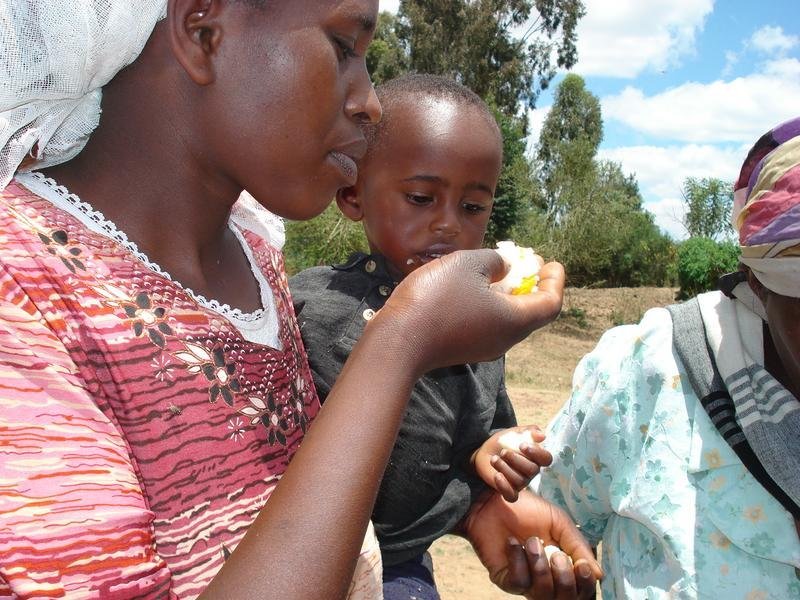
In addition the participants learnt about the fireless cooker which is an alternative for use during cloudy or rainy days. It uses the heat retention technique and consumes significantly less cooking fuel than ordinary cooking methods. Ordinarily in the Kenyan Culture the men sit and wait for the women to finish cooking and serve them food. However this time the men cooked, and the women helped themselves to delicious food later.
As we waited for the food to cook the Facilitators took sample water from three (3) boreholes used in this community and tested it to check how safe it is for drinking. After the incubation period, the test results revealed that only one of these bore-holes had clean water. The water from the other two (2) had high concentrations of e-coli bacteria and other micro organisms yet this community seldom boiled this water before drinking or washing fruits and vegetables. Ms. Faustine Lutta taught the participants how to pasteurize water using solar cookers hence ensuring it was safe to drink.
This is approximately six (6) months later and a random check on the participants at this training revealed that the training had a positive effect on the women from Mitaboni and is having a continual impact on the general community. Ms. Martha Nthenge confirmed that they formed a group to encourage the use of solar energy for cooking. This solar energy awareness is commonly done through demonstrations at the open air market, in schools, during barazas held at the Chief’s Camp and at women group meetings (chamas). Ms. Nthenge says the response has been very good and they are mobilizing resources to purchase the solar cooker raw materials in bulk so as to benefit from economies of scale.
Ms Tabitha Kanyaa says she uses the solar cooker as long as the weather allows and saves the money she could have used to buy charcoal or kerosene. She uses the solar cooker to cook ugali, githeri and rice. Ms. Tabitha also said that after the testing of bore-hole water, they have ceased to assume that it is clean and have been creating awareness in the community on the importance of boiling or pasteurizing it before drinking. The participants at this meeting have since then made it a habit to pasteurize water before drinking it using the solar cookers.
Mr. Jonathan Musa says he uses the solar cooker to bake ground nuts which he subsequently sells. He has also succeeded in making solar cookers for sale and says that this seems to be a very promising business venture.
I take this opportunity to thank all our Donors for making the trainings a reality. AfriAfya as an info-mediary links information- poor communities to information-rich sources to boost livelihoods. This project in particular is targeting rural communities with a bid to empower them with skills and knowledge in solar cooking. We would also appreciate feedback from you about this project.
Project reports on GlobalGiving are posted directly to globalgiving.org by Project Leaders as they are completed, generally every 3-4 months. To protect the integrity of these documents, GlobalGiving does not alter them; therefore you may find some language or formatting issues.
If you donate to this project or have donated to this project, you can receive an email when this project posts a report. You can also subscribe for reports without donating.