By Zeg Khan | Project Leader
Organization: Karishma Ali Foundation (KAF)
Reporting Period: October 2026
Activity: Three-Day Teacher Training of Trainers (ToT)
Day 1 Theme: Understand and Initiate
Date: Wednesday, 7 October 2026
Venue: Shiaquatek School, Lower Chitral
Project Overview
Karishma Ali Foundation (KAF) continued its efforts to promote girls’ participation in sports through the She Plays, She Wins table tennis program. Building on the establishment of 10 table tennis setups across 10 government schools in the previous year, the initiative aims to strengthen school-based sports opportunities and equip teachers to facilitate safe, inclusive and regular physical activity for students, particularly girls.
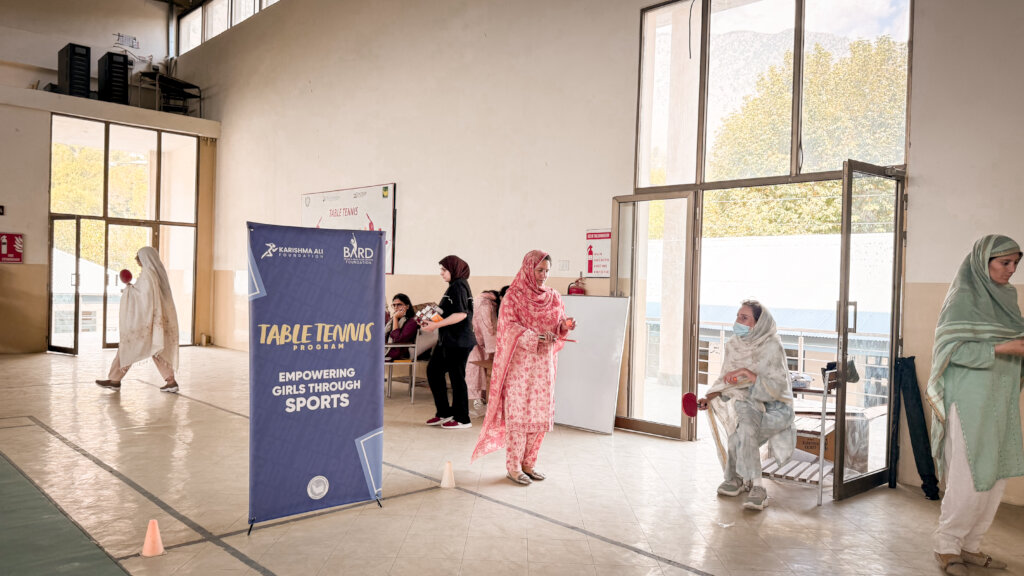
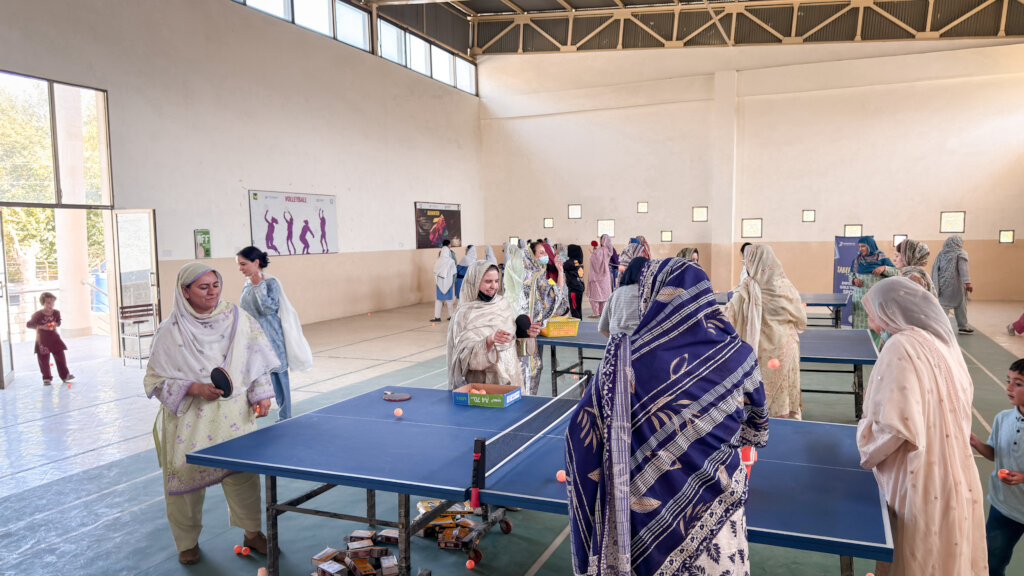
As part of this initiative, KAF conducted a three-day Teacher Training of Trainers (ToT) from 7 to 9 October 2026 at Shiaquatek School in Lower Chitral. A total of 21 teachers participated in the training, including from Upper Chitral and from Lower Chitral. The training was designed to strengthen teachers’ table tennis coaching skills while increasing their understanding of adolescent mental health, student safeguarding and the importance of supportive learning environments.
Day 1: Understand and Initiate
The first day began with participant registration and arrivals, facilitated by the KAF team from 8:30 AM to 9:00 AM. At 9:00 AM, Karishma Ali delivered the welcome remarks and formally opened the programme.
Part A: Table Tennis Training
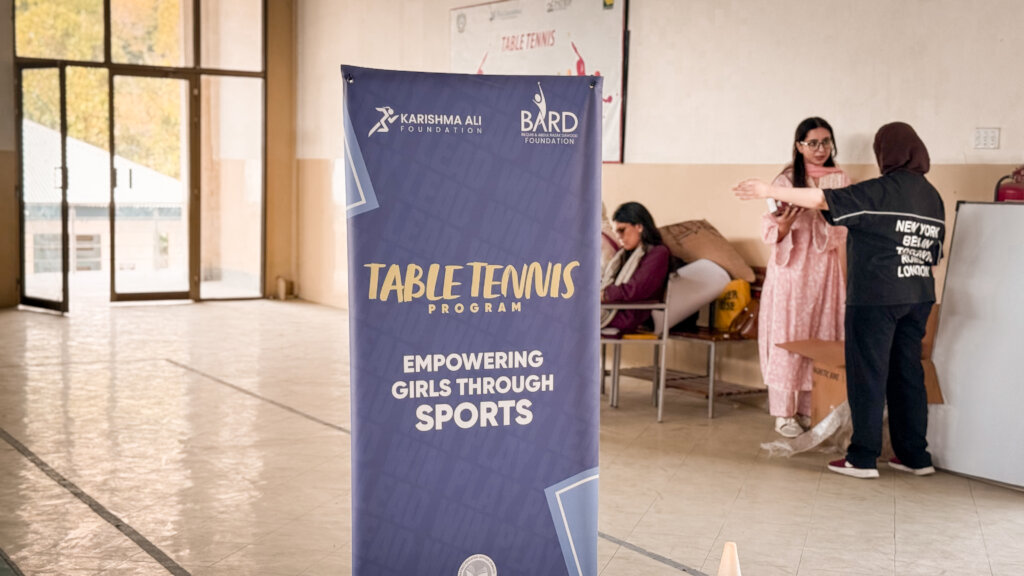
The table tennis training began with a physical warm-up, an introduction to a role model, and a discussion on the history of table tennis and its importance. Iqra introduced participants to the equipment and guided them through basic playing skills. Teachers also learned the rules of the game, followed by a question-and-answer session and a short reflection to reinforce their learning.
The session provided an introduction to the practical and foundational knowledge teachers need to facilitate table tennis activities in their schools. It also highlighted the potential of sport to encourage physical activity and create more opportunities for girls to participate in school-based recreation.
Part B: Adolescent Mental Health
Anum Shakeel facilitated the adolescent mental health sessions, beginning with a participant check-in and an introduction to adolescent mental health. Using the guiding question, “What might I notice?”, participants explored warning signs that may indicate a student is experiencing emotional or psychological difficulties.
Practical exercises and reflection encouraged teachers to consider their responsibilities as educators and sports facilitators in recognizing students’ needs and responding with care. The session reinforced the importance of understanding adolescent well-being and creating school environments where students feel supported and respected.
Key Challenges Identified by Teachers
An open discussion at the end of the day explored the importance of physical activity and the practical challenges of introducing table tennis in schools. Teachers highlighted several barriers to regular participation in sports.
One major challenge was the limited time allocated to physical education (PE). Participants explained that some schools do not have dedicated PE periods because teachers are required to teach multiple subjects. They also noted that PE is optional in some schools, meaning students may choose other subjects instead of participating in regular physical activity.
Teachers further highlighted the lack of suitable sports spaces in certain schools. Where dedicated areas are unavailable, students sometimes practise near classrooms, potentially disrupting lessons and creating concerns among other teachers. These challenges demonstrate the need for practical planning and coordination with school administrations to ensure that sports activities can take place without interfering with classroom learning.
Participants also shared positive examples of schools where principals actively support physical education by allocating time for PE and encouraging students to exercise and participate in sports. These experiences highlighted the important role of school leadership in sustaining sports programmes and creating an environment where girls can participate confidently.
Key Learning and Next Steps
Day 1 highlighted that establishing table tennis facilities is only one part of promoting regular participation in school sports. Teachers also need practical coaching skills, sufficient time in school timetables, appropriate playing spaces and support from school leadership.
Based on the discussion, key priorities for the programme include encouraging schools to identify suitable spaces for table tennis, coordinating practice schedules with school administrations, and advocating for protected time for physical education and sports activities. Continued engagement with school principals and teachers will be important to address these barriers and support the sustainability of the initiative.
The training also established a foundation for strengthening teachers’ understanding of table tennis and adolescent mental health. The remaining training days were intended to build on this foundation through further learning and practical preparation for school-based implementation.
Conclusion
The first day of the She Plays, She Wins Teacher Training of Trainers brought together teachers from Upper and Lower Chitral to begin developing their capacity to introduce table tennis in government schools. Through practical sports training, adolescent mental health sessions and open discussion, participants explored both the opportunities and challenges associated with promoting physical activity in schools.
Project reports on GlobalGiving are posted directly to globalgiving.org by Project Leaders as they are completed, generally every 3-4 months. To protect the integrity of these documents, GlobalGiving does not alter them; therefore you may find some language or formatting issues.
If you donate to this project or have donated to this project, you can receive an email when this project posts a report. You can also subscribe for reports without donating.


Support this important cause by creating a personalized fundraising page.
Start a Fundraiser