By Gopa SInha | Chairperson People First
Namaste,
Greetings to you all as we enter the festive season here in India.
India has made huge advances in recent years but the population is a real concern, here is an updated scenario of the situation here in Bihar where we work,
Bihar is the third most populous state in India and it is home to 47 million children, almost half (46 per cent) of the State's 104 million people and the highest proportion of children of any state in India. Bihar's children make up 11 per cent of India’s population. Almost 88.7 per cent of people in Bihar live in villages and 33.74 per cent live below poverty line.
Children in Bihar face many deprivations owing to wide-spread poverty, deep-rooted socio-cultural and gender inequalities, caste divisions, poor infrastructure, lack of basic services and recurring natural disasters. The State ranks lowest in India in terms of per capita income with inclusive development a key challenge.
A newborn dies every eight minutes and an infant dies every five minutes in Bihar.
Every year some 2.8 million children are born in Bihar but almost 75,000 of these newborns die within the first month. Despite this child mortality has reduced in Bihar due to the significant improvements in immunization coverage (11 per cent in 1998 to 69 per cent in 2018) and institutional delivery (19.9 per cent in 2005-2006 - National Family Health Survey (NFHS) 3 to 63.8 per cent in 2015-2016 - NFHS 4).
Malnutrition remains a key challenge, every second child (48.3 per cent) under the age of five are stunted (low height for age) and one fifth (20.8 per cent) are wasted (NFHS-4). Only 34.9 per cent of children are breastfed within the first hour of birth and 7.3 per cent of children aged 6-23 months are introduced to complementary foods (NFHS -4). One in two girls aged 15-19 is undernourished and one-third of women of reproductive age are undernourished.
Close to three million girls are married before the legal age of 18 years and 370,000 girls are pregnant during adolescence (NFHS-4). To address this, focusing on girls' empowerment, the State has adopted a comprehensive Women’s Empowerment Policy and led a state-wide campaign to eliminate child marriage and dowry.
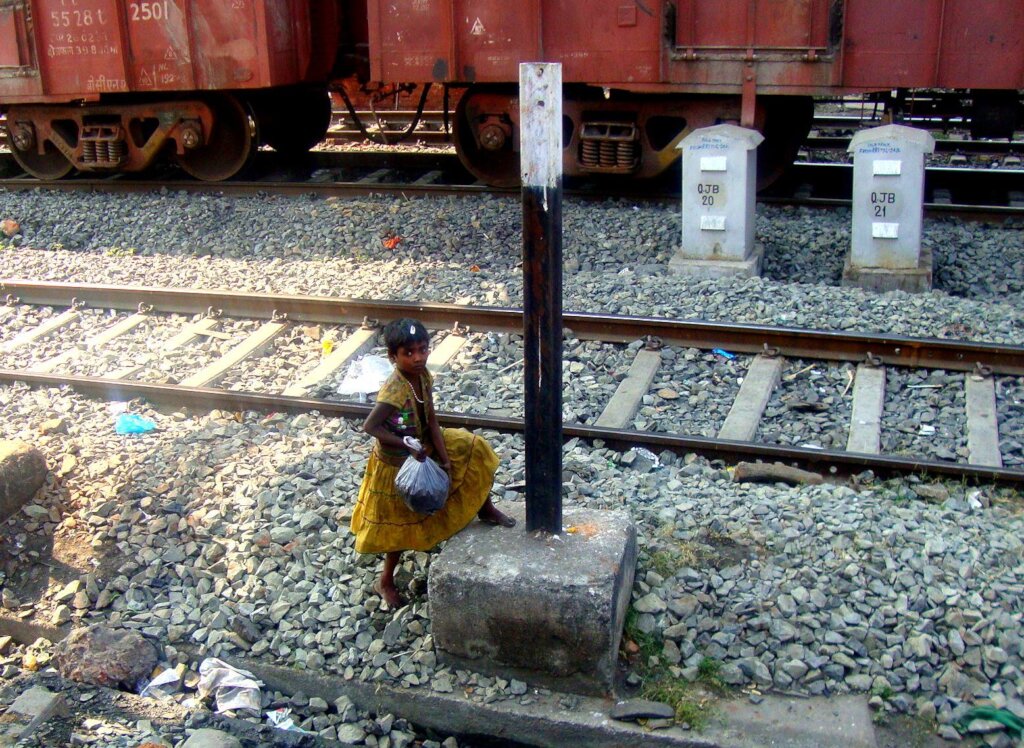
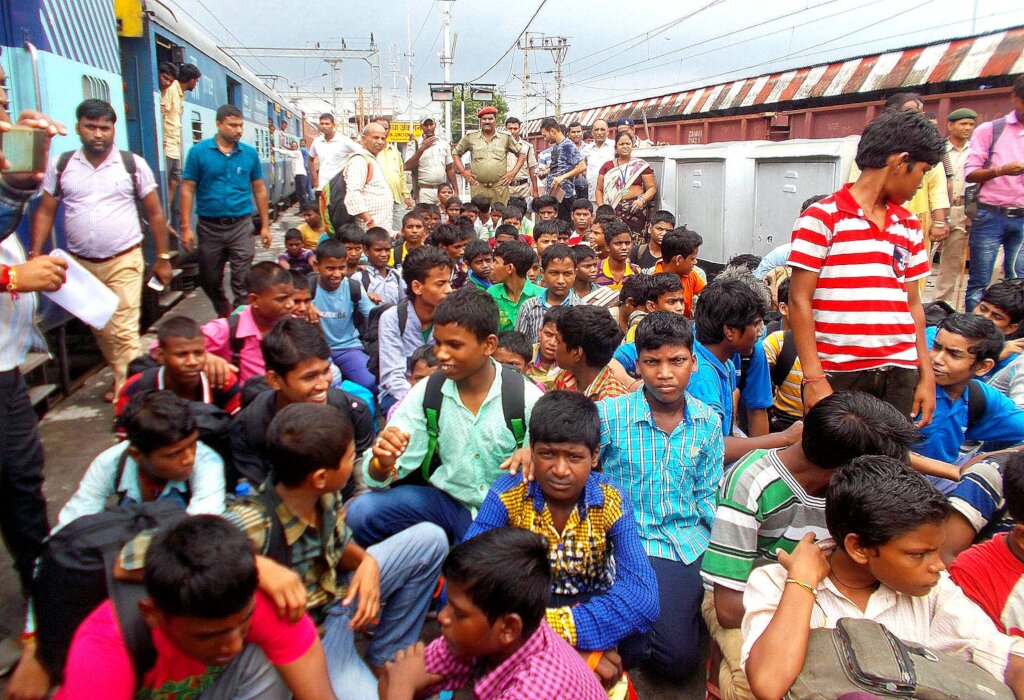
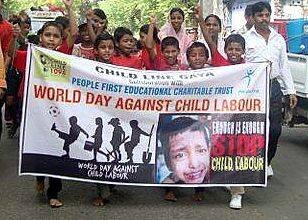
Around one million children aged 6-14 years are child workers and are highly vulnerable to early marriage, trafficking, abuse and exploitation.
Despite the challenges, there has been progress in development in Bihar in recent years. Most girls and boys are enrolled in primary school, although regular attendance, quality education and transition to secondary schools remain a concern.
Improved governance has led to better health care services, greater emphasis on education, better management of social sector programmes and a reduction in crime and corruption.
In 2020, the State Government committed to improving development indicators through a mission mode by 2027. The state adopted seven policy resolutions titled ‘Viksit Bihar ke liye Saat Nishchay’ for inclusive development and good governance agenda. The resolutions included ensuring a toilet for every household and safe piped drinking water for all rural households by 2027.
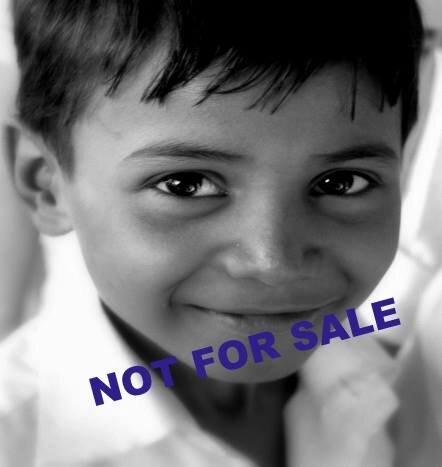
Child trafficking has grave implications for inclusive social reforms, and it perpetuates the physical and psychological exploitation of children. It highlights the heightened vulnerability of children from marginalised sections, particularly those below the age of 15, to child trafficking. There is an urgent need for legislative and social reforms to address the persistently delayed and inadequate delivery of social justice for trafficking victims.
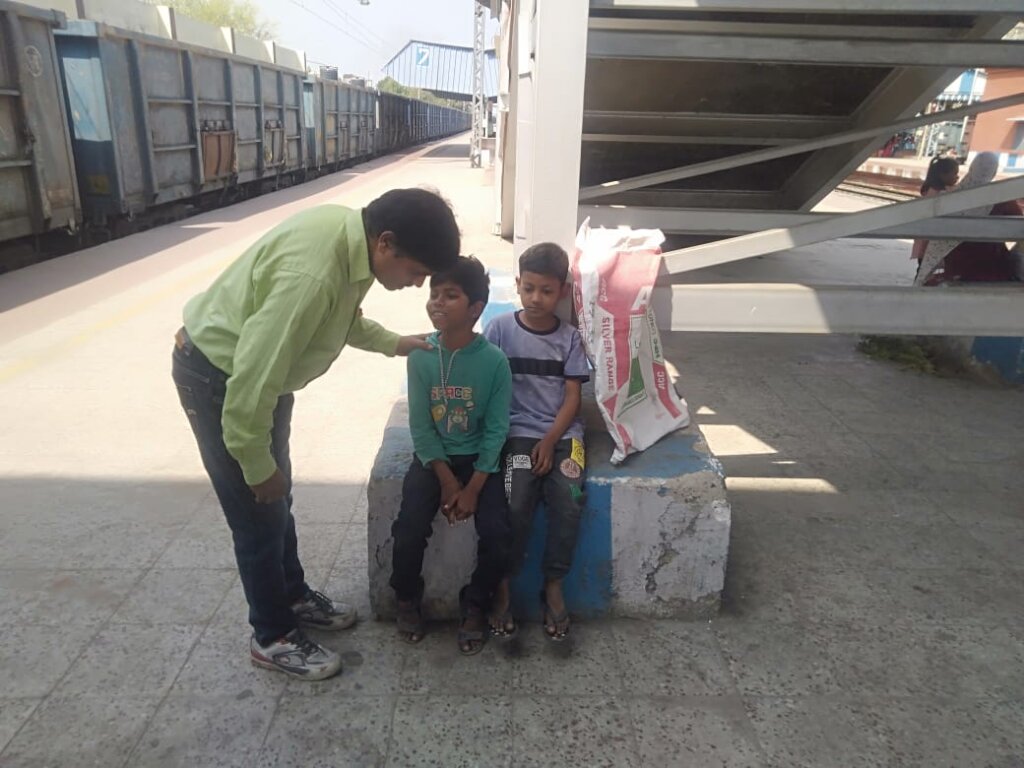
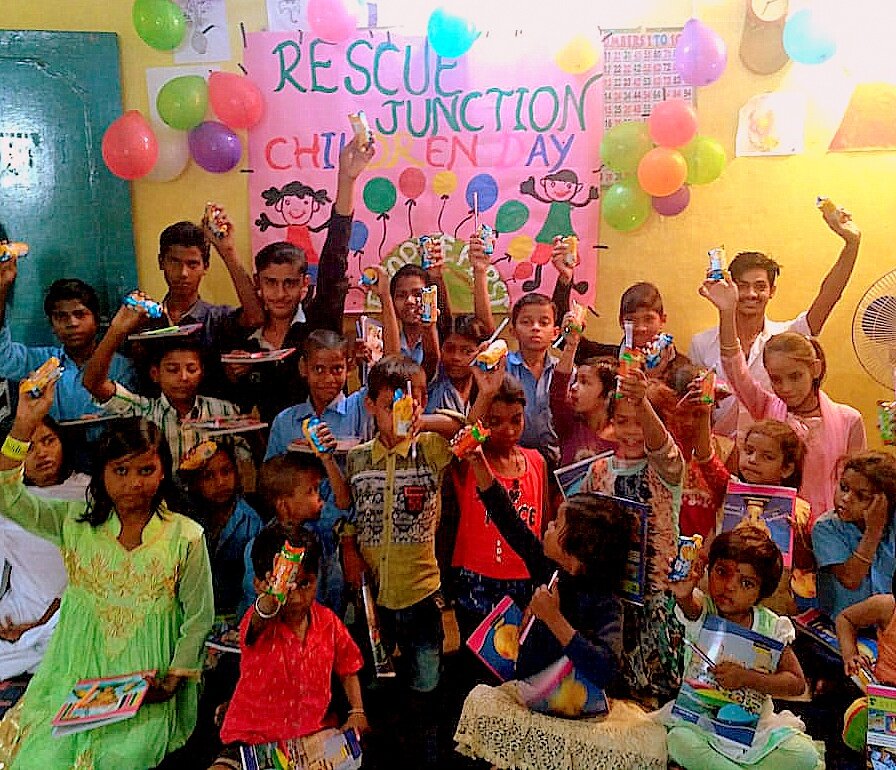
Here at Rescue Junction your wonderfull support helps us continue and develop our anti child trafficking work from rescue to rehabiltation.
Thank you so much, and the next report will contain examples of the children who have been given new hope .
Project reports on GlobalGiving are posted directly to globalgiving.org by Project Leaders as they are completed, generally every 3-4 months. To protect the integrity of these documents, GlobalGiving does not alter them; therefore you may find some language or formatting issues.
If you donate to this project or have donated to this project, you can receive an email when this project posts a report. You can also subscribe for reports without donating.



Support this important cause by creating a personalized fundraising page.
Start a Fundraiser