By John Lukas | President
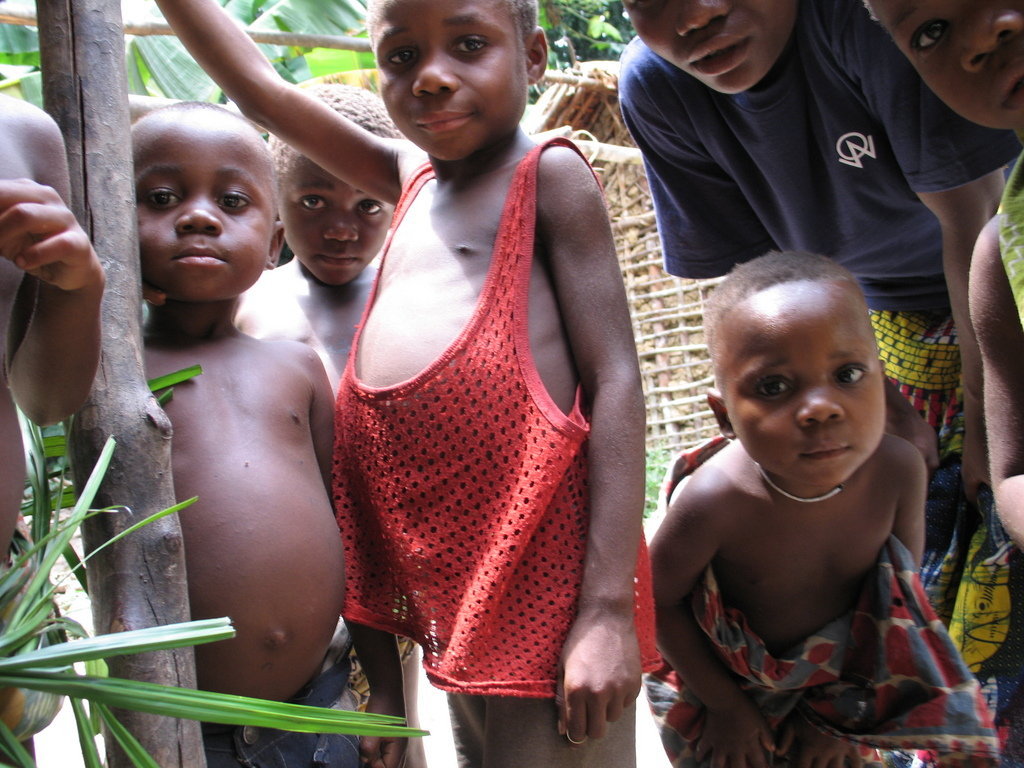
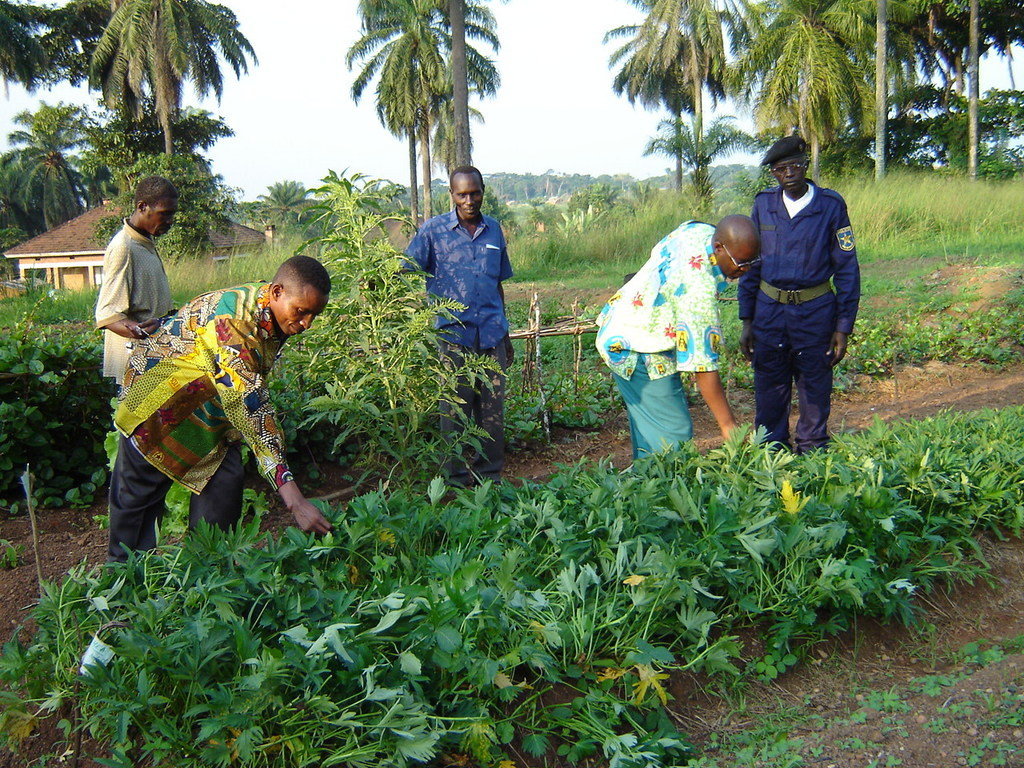
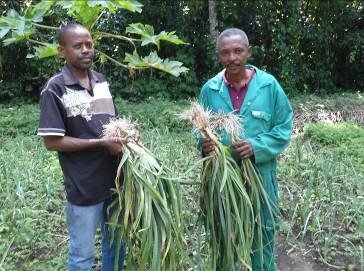
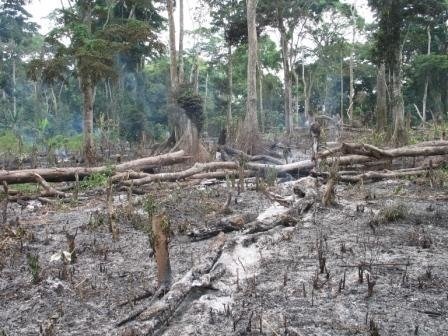
The Okapi Conservation Project educators and agronomists continue bringing the message of sustainable agricultural practices and forest resource conservation to communities living in and around the Okapi Wildlife Reserve. Our 18 demonstration gardens situated around the Reserve draw people as they pass by on foot, bicycles and motorbikes. The genuine interest of the people in how they can change their crop selection, crop rotation and planting schedules to improve crop production is making a broad impact across the region in reducing land degraded by slash and burn agricultural practices.
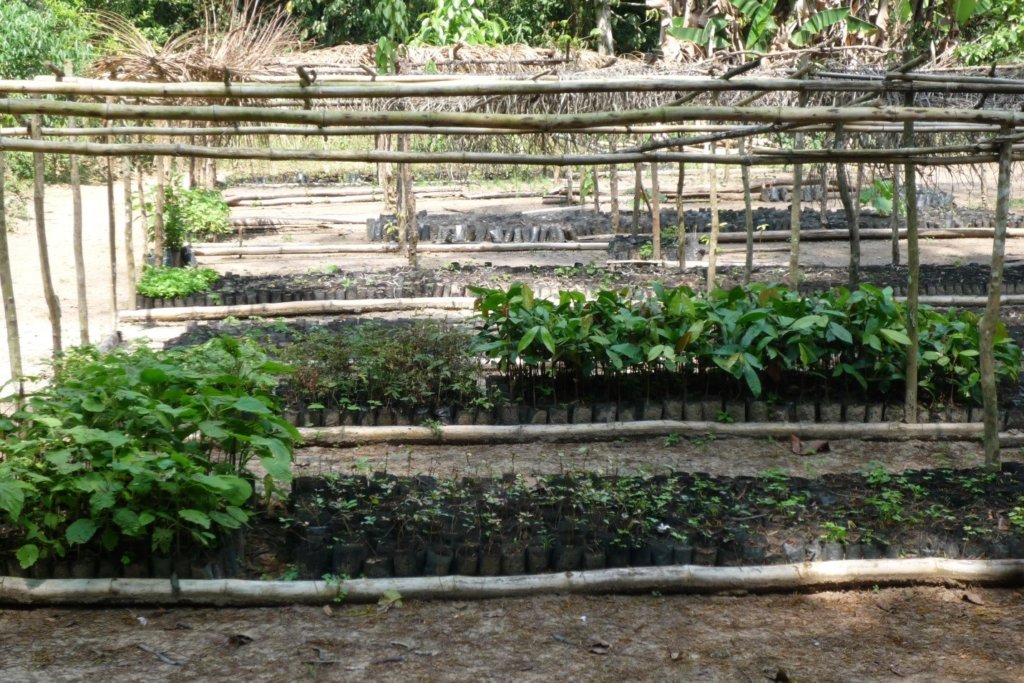
The past year we have been able to admit many new farmers to our program. The OCP agroforestry team provided tools, and seeds to 553 farmers this year and distributed 38,500 tree seedlings. As we enter a new year we look forward to being able to serve many more interested farmers around the Reserve that are currently on our waiting list. There is a direct relationship between improving food production and a reduction in illegal activities. As people grow more food they can sell the surplus for cash to buy much needed basic supplies and pay for health care. There is a reduced need to get involved in dangerous illegal poaching and mining operations to make money to take care of your family.
By tying our support to better stewardship of forest resources, wildlife benefits and people benefit. Caring about the needs of people opens the door for conversations about why we care about them – we just want their help in conserving wildlife habitat. It is working; 95% of the forest cover remains intact in the Ituri Basin which encompasses 45,000 sq.km!
The Okapi Wildlife Reserve, a World Heritage Site, is one of the most bio diverse sites in all of Africa, and is home to the largest populations of Forest elephant, okapi and chimpanzees in DR Congo. We are grateful for the many supporters from around the world that support this important work!
Links:
Project reports on GlobalGiving are posted directly to globalgiving.org by Project Leaders as they are completed, generally every 3-4 months. To protect the integrity of these documents, GlobalGiving does not alter them; therefore you may find some language or formatting issues.
If you donate to this project or have donated to this project, you can receive an email when this project posts a report. You can also subscribe for reports without donating.