By John Lukas | President
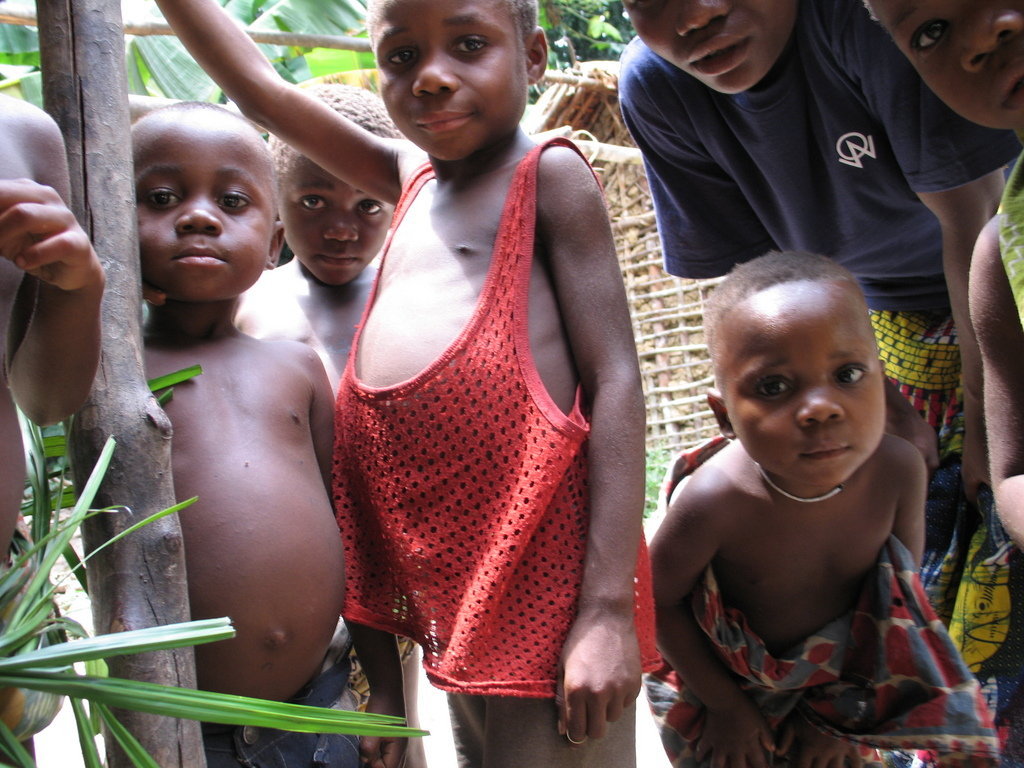
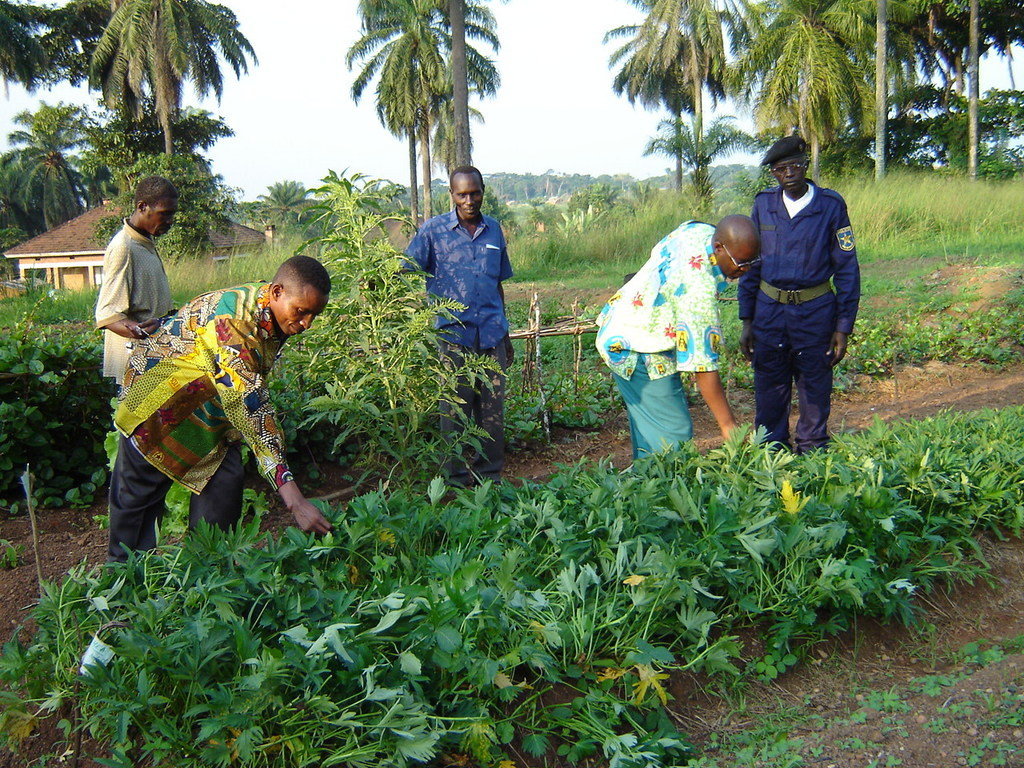
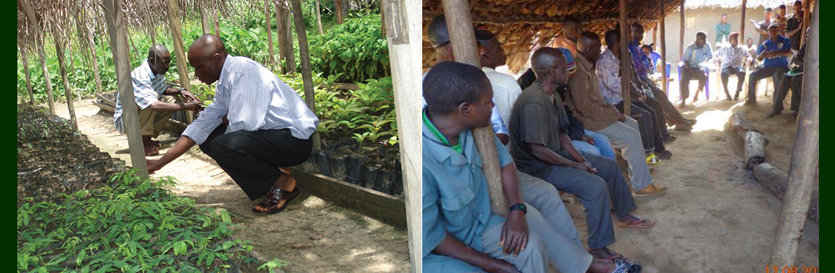
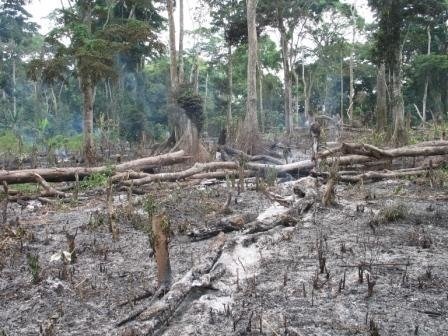
Okapi Conservation Project agronomists and educators organize regular meetings with farmers in remote villages to discuss sustainable agricultural practices. It is widely known that a slash and burn approach has long lasting negative impacts on soil fertility. Crops are more likely to fail due to wind damage, and unnatural crop associations were contributing to impoverished soil fertility in a short period of time. An OCP agronomist explains the benefit of crop rotation, adding nitrogen fixing plants and timing of plantings season as ways of improving crop production and increasing the length of time the soil remains fertile reducing the need to expand their farmland into the forest.
At a recent meeting, farmers voiced concerns about crop raiding by primates. They requested frequent and regular visits by ICCN rangers to help control crop raiding by wildlife and monitor the conversion of protected forest into fields which could quickly impact the limits of the delineated agriculture zones and compromise their ability to farm legally inside the Reserve. These forums are important avenues for productive dialogue between community members and OCP as we inform residents how they can live sustainably in this biologically diverse landscape and still provide for their families.
Through the Agrioforestry program, OCP was involved in the following activities during the third quarter of the year:
Project reports on GlobalGiving are posted directly to globalgiving.org by Project Leaders as they are completed, generally every 3-4 months. To protect the integrity of these documents, GlobalGiving does not alter them; therefore you may find some language or formatting issues.
If you donate to this project or have donated to this project, you can receive an email when this project posts a report. You can also subscribe for reports without donating.