By Desiree Smith | Conservation Intern
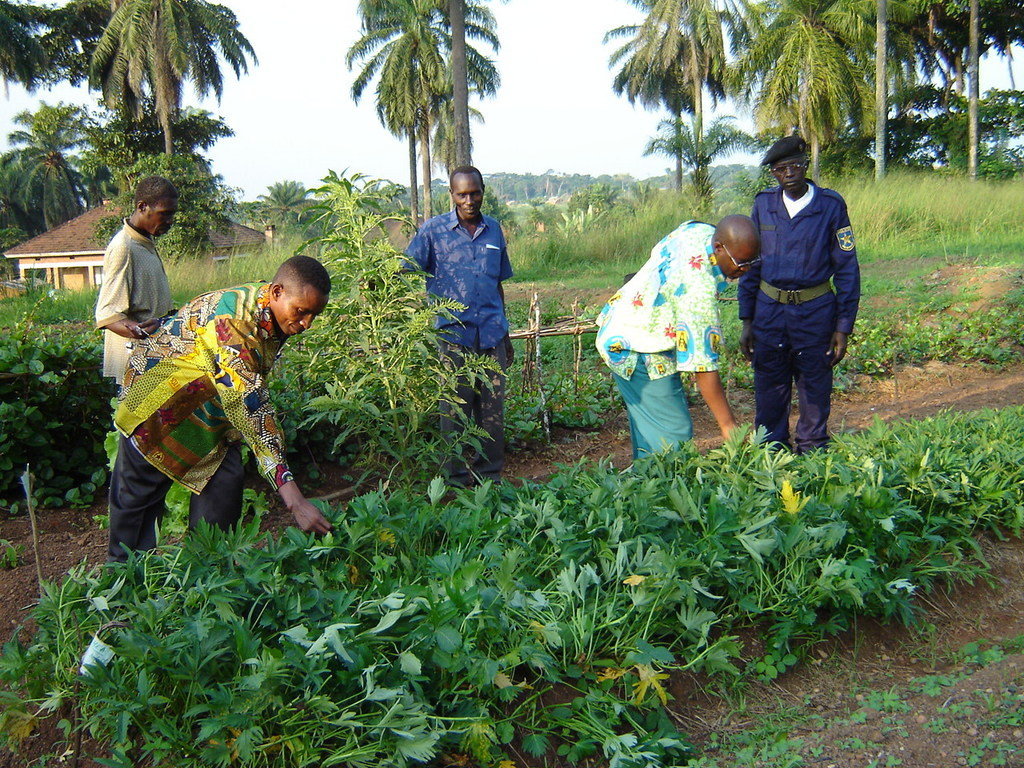
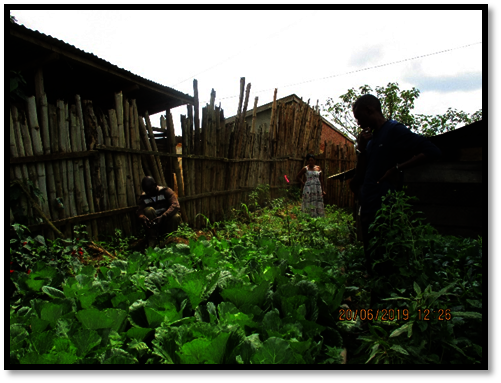
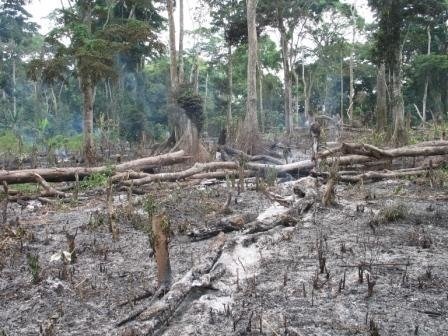
Slash-and-burn farming is the main threat to okapi habitat throughout its range. Okapi need large, undisturbed tracts of lush forest in order to survive and reproduce. To decrease the prevalence of slash-and-burn agriculture within the Okapi Wildlife Reserve (OWR), Okapi Conservation Project provides the tools, supplies and education needed to create a more sustainable farming practices that helps to both extend the life of the soil by up to 10 years and establish food security needed in an area where food access is difficult. By teaching these practices to local communities, we increase their capacity to grow their own food while preventing incursions into critical okapi habitat. With these actions combined, we are protecting okapi habitat. This program is currently hosted in five regions in and around the OWR including Mambasa, Niania, Wamba, Biakato and Epulu.
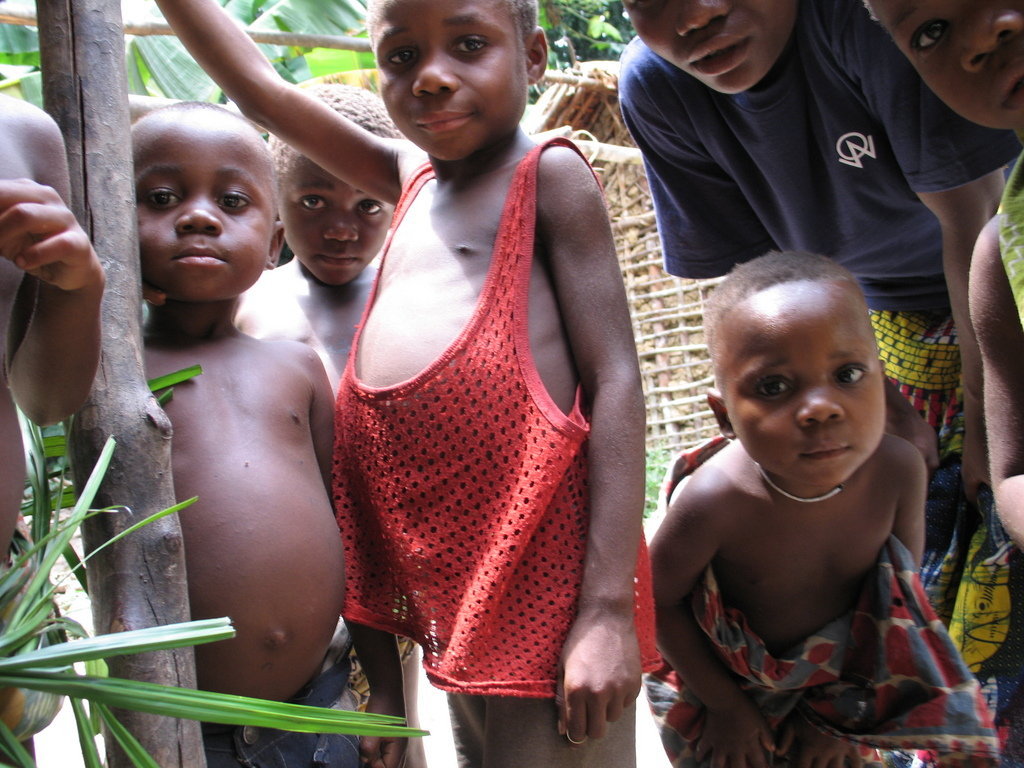
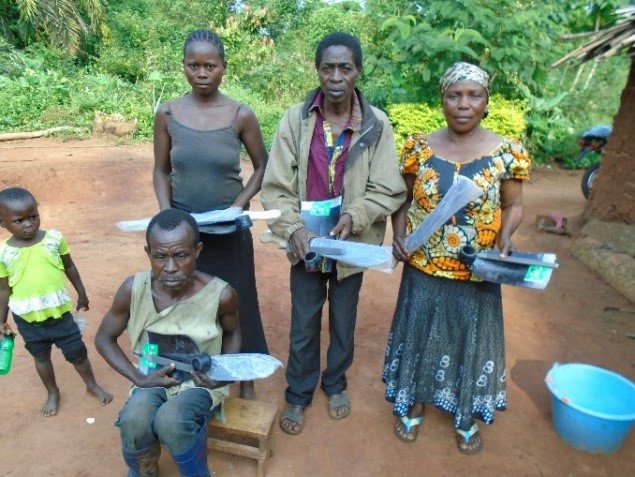
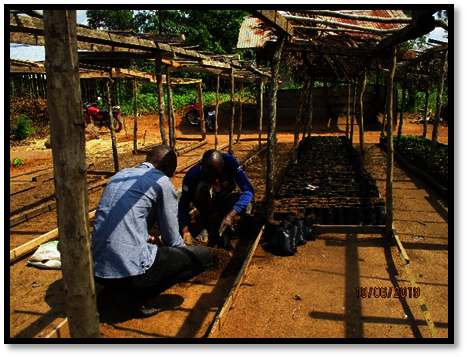
During this quarter over 23500 seedlings were distributed consisting of over 9700 nitrogen-fixing trees that put nutrients back into the soil, 70 agroforestry trees, nearly 1400 fruit-bearing trees and over 12,400 multi-purpose trees. These seedlings were propagated by seed collected in the region and grown in our OCP nurseries in each of the 5 areas. These sites are monitored by our knowledgable agronomes. In addition to providing seedlings to 870 farmers, OCP staff also distributed much-needed supplementary tools to plant the trees in each area. They donated 38 machetes, 21 hoes and more in order to mend the soil and plant the trees.
By providing these seedlings and tools to the local people, there have been no incursions by farming into critical okapi habitat. This is a testament to the success of the program which provides a direct need for the communities and, in turn, reduces their impact on the surrounding forest.
This longstanding and successful program is only possible with the support of wonderful donors like you! We thank you for your continued support - especially working in such a difficult corner of the world for an animal that is rarely seen.
Links:
Project reports on GlobalGiving are posted directly to globalgiving.org by Project Leaders as they are completed, generally every 3-4 months. To protect the integrity of these documents, GlobalGiving does not alter them; therefore you may find some language or formatting issues.
If you donate to this project or have donated to this project, you can receive an email when this project posts a report. You can also subscribe for reports without donating.