By Singh Aman | Project Leader
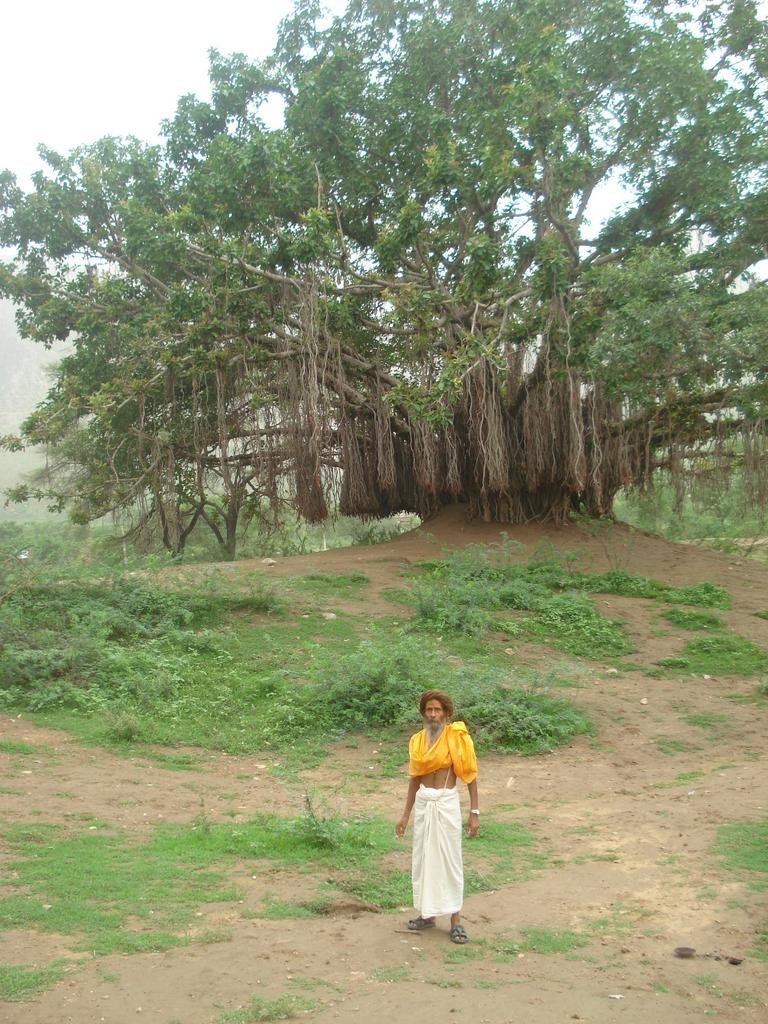
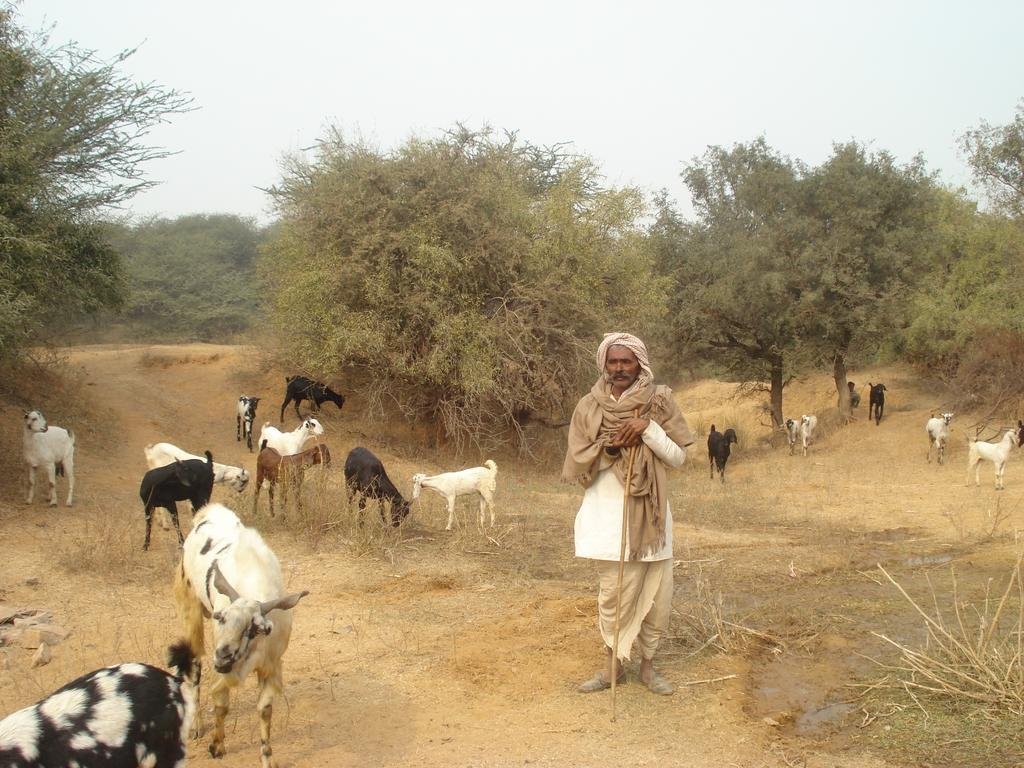
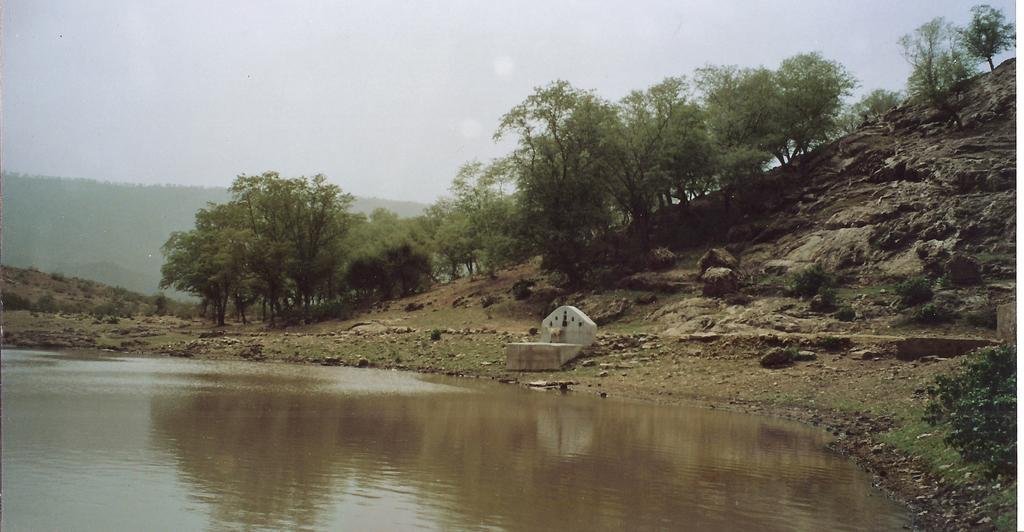
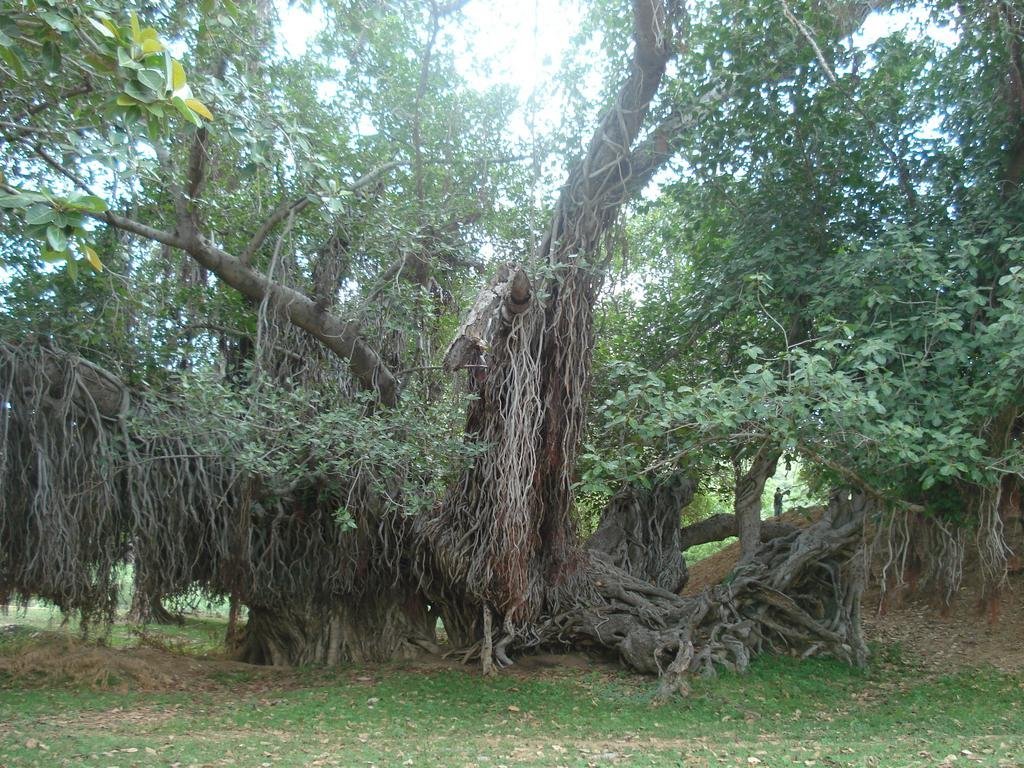
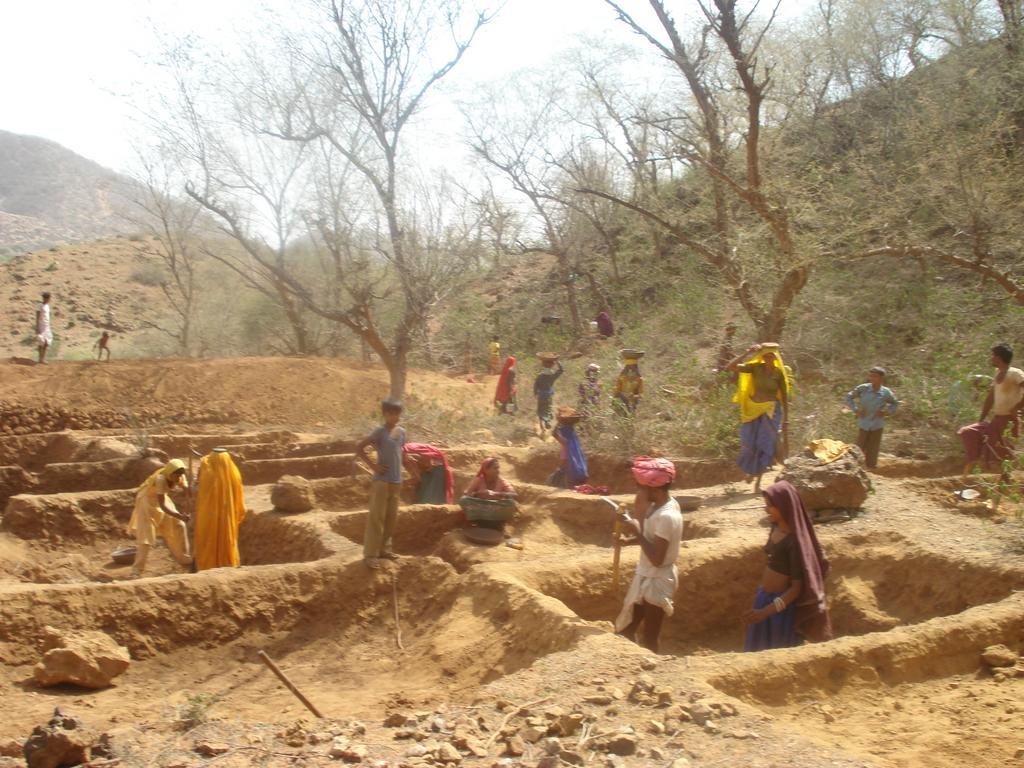
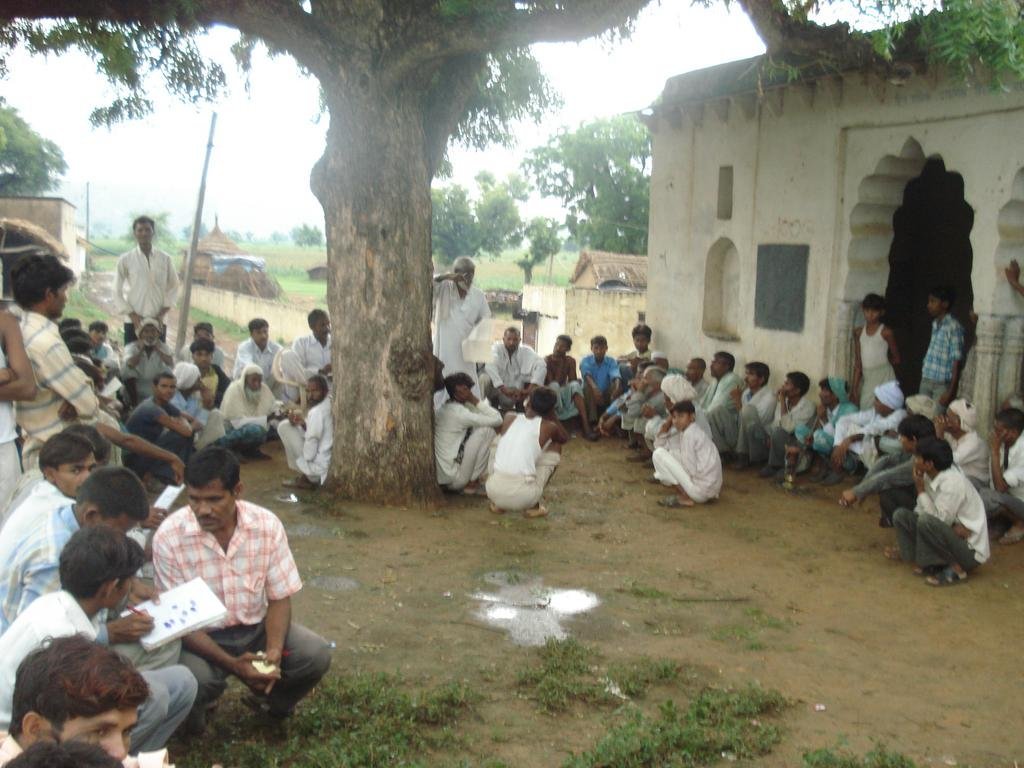
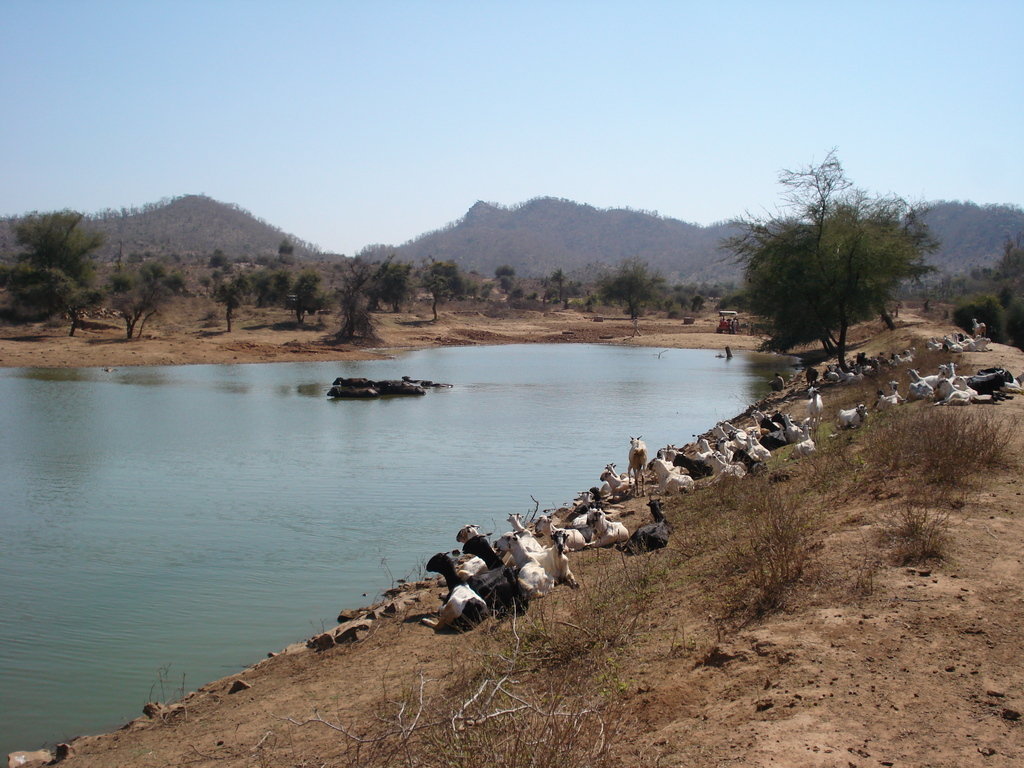
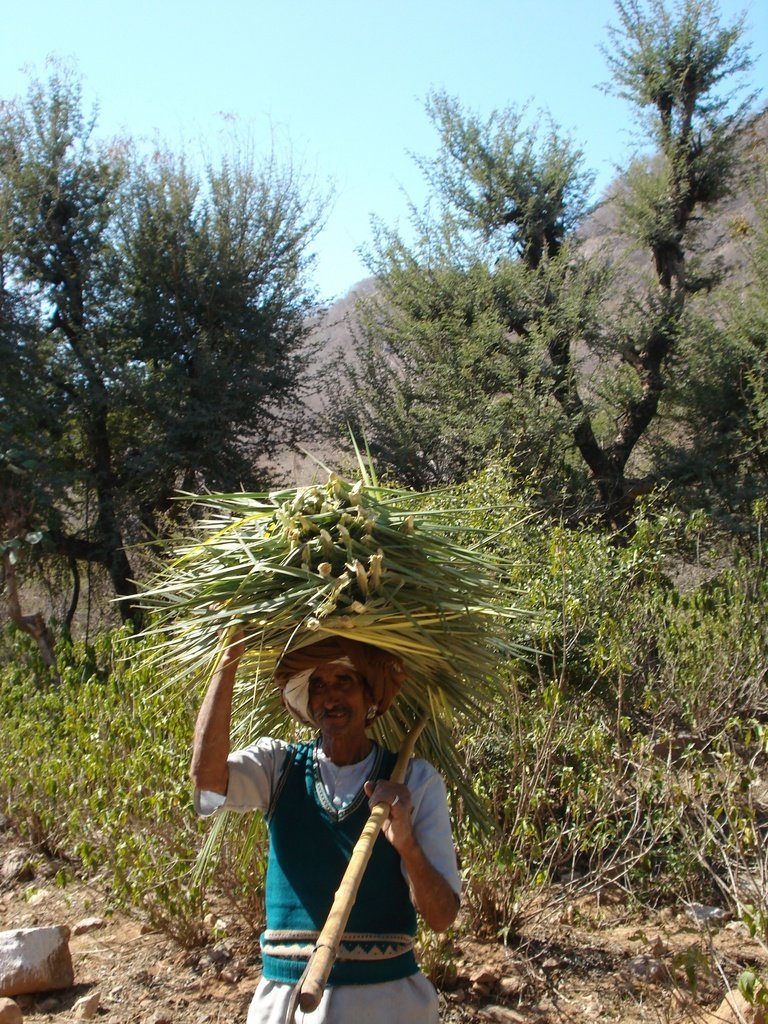
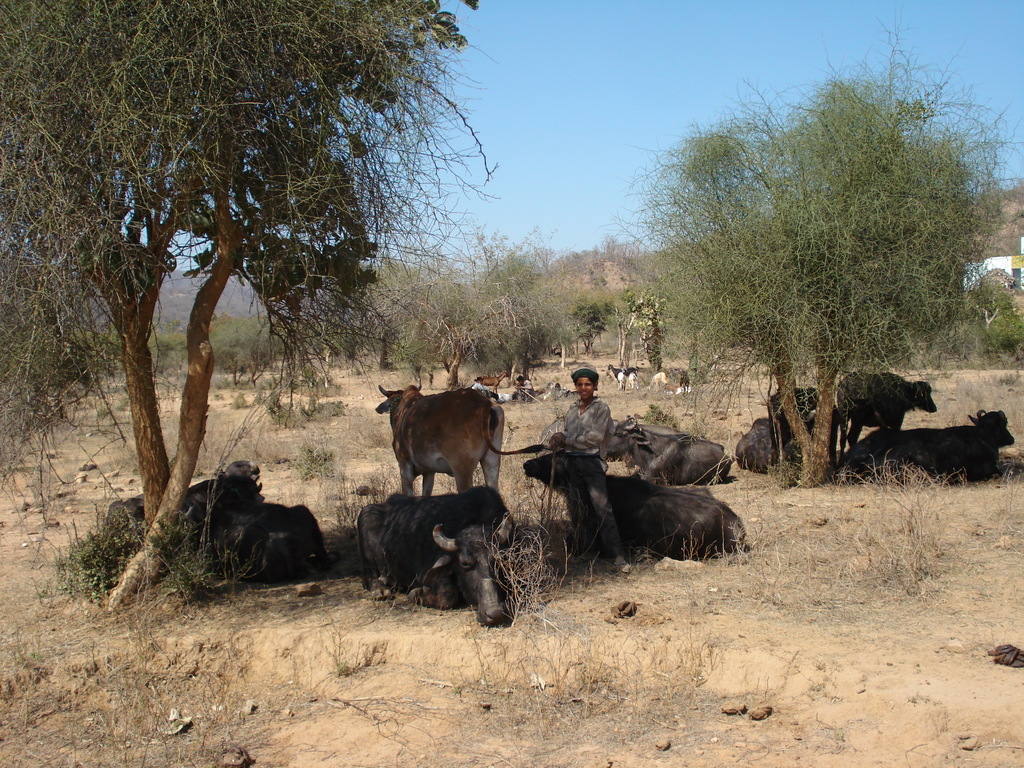
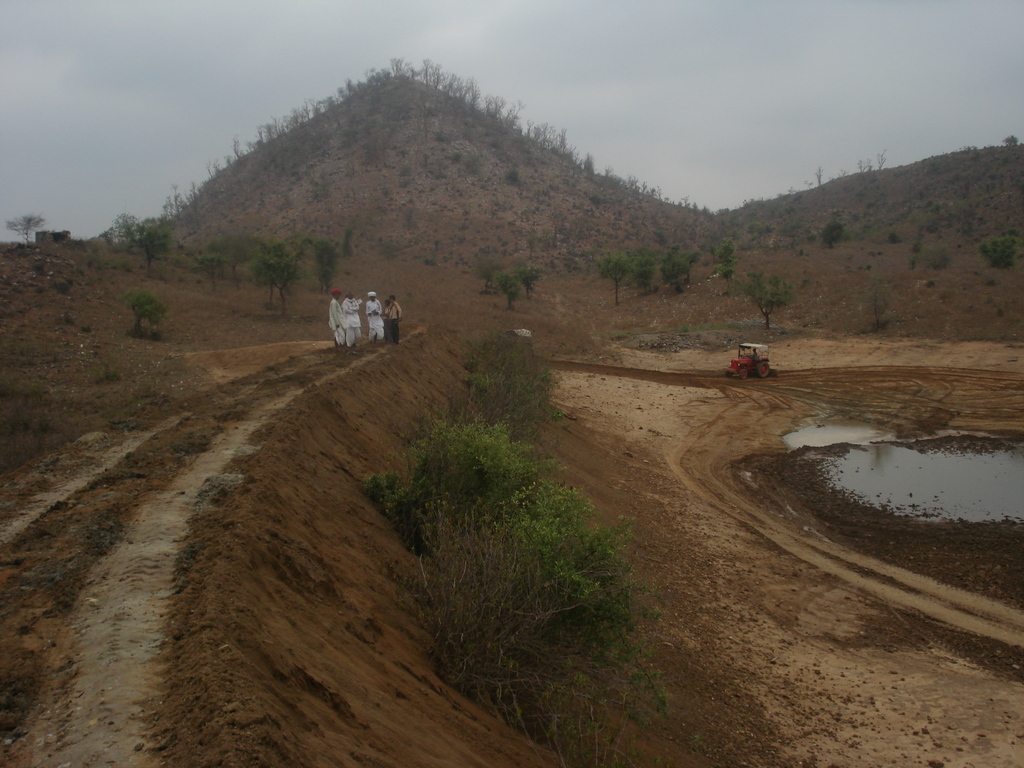
In Nathusar village, where through the GG assistance KRAPAVIS helped the village community for their oran renovation; today it is buffaloes that use these orans for grazing and wallowing, especially during the lean parts of the year. Goats and sheep also graze these orans in large numbers. When livestock (buffalo, goats and cows) become ill traditional healers are able to identify and apply plants (in the form of a paste or powder), from orans, that have anti-bacterial, anti-inflammatory or pain-relieving qualities. The orans’ mahatma’s practices also have a preventative dimension; in order to ensure that livestock is protected from sickness and other evil forces he is called upon to ‘anoint’ the animals using twigs from the neem (Azadirachta indica) tree (the jhara dena ritual). Specialist knowledge of this sort is not limited to the mahatma; most of the older generations are aware of various plants used to treat, among other things, sore throats, migraines, open wounds and osteoarthritis. And in many villages, tribal communities still gather once a year for the ‘dudh ki dhar dena’ ritual, during which milk is collected from each household and then drizzled around the sacred grove with the whole village following in procession. This practice is thought toward off evil spirits for the coming year.
Project reports on GlobalGiving are posted directly to globalgiving.org by Project Leaders as they are completed, generally every 3-4 months. To protect the integrity of these documents, GlobalGiving does not alter them; therefore you may find some language or formatting issues.
If you donate to this project or have donated to this project, you can receive an email when this project posts a report. You can also subscribe for reports without donating.