By Aman Singh | Project Leader
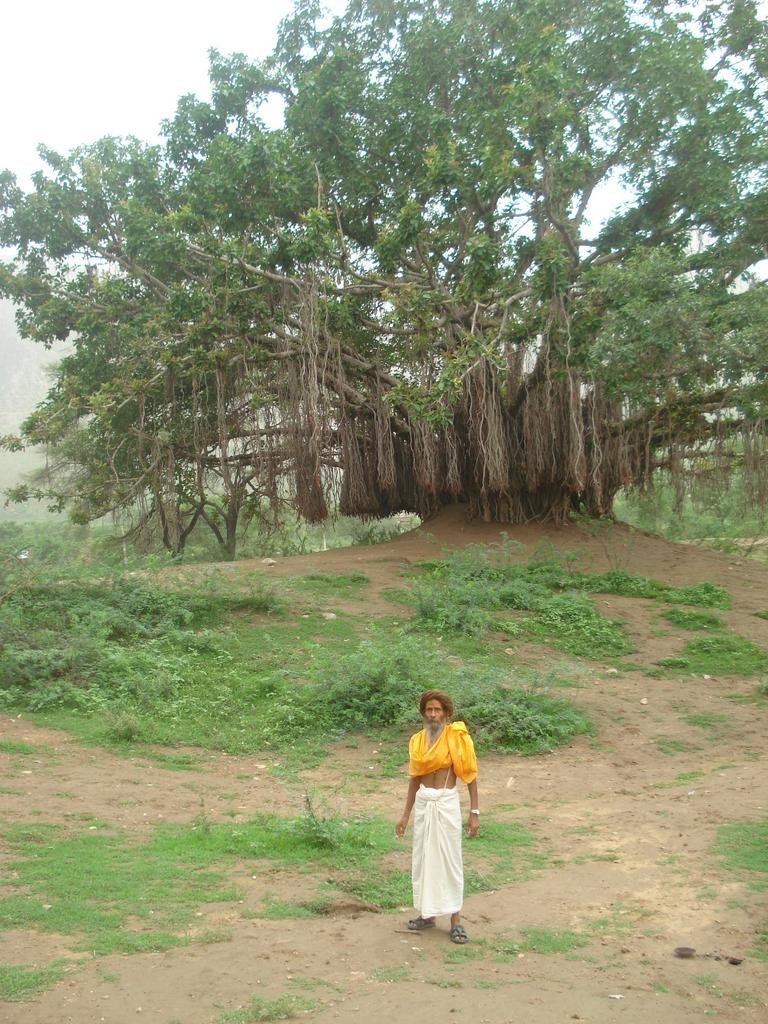
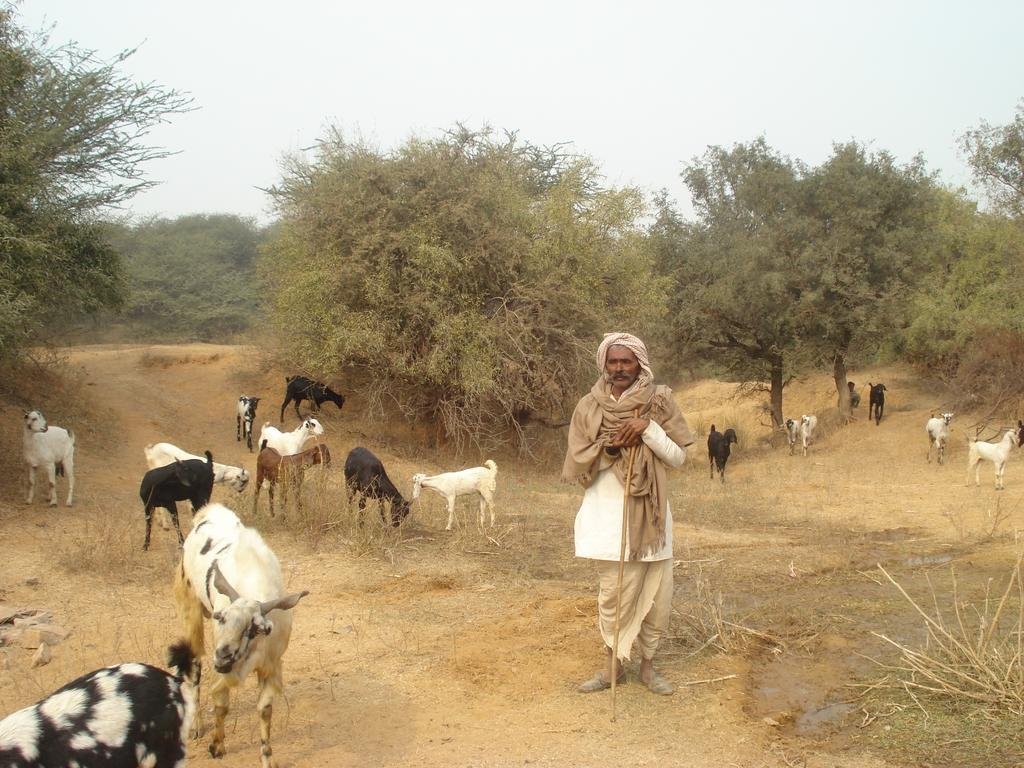
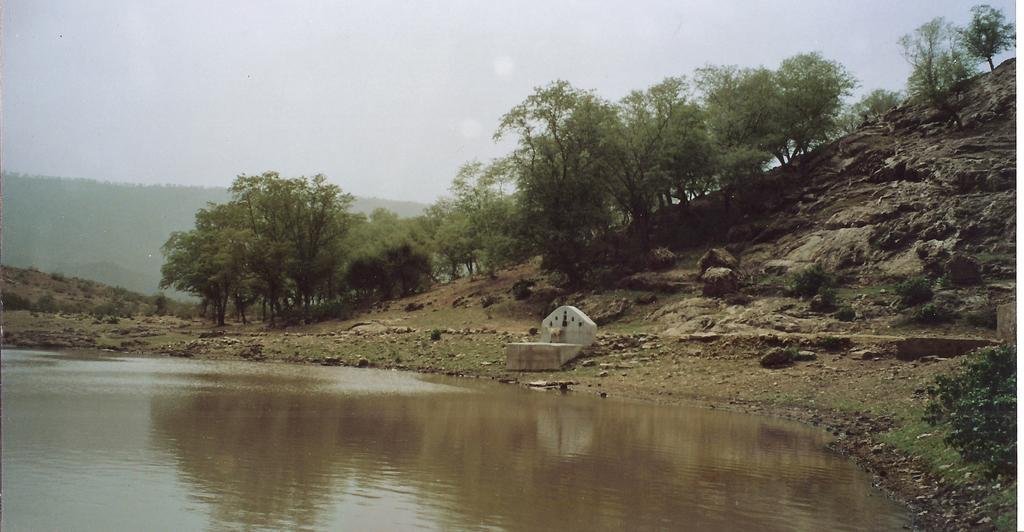
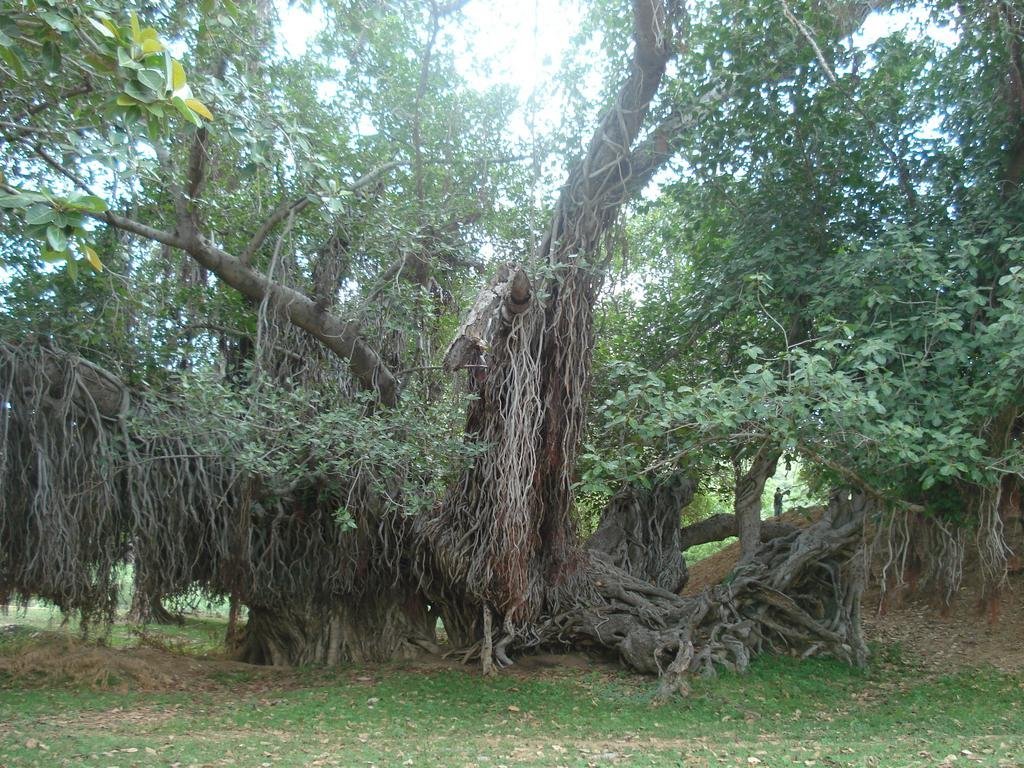
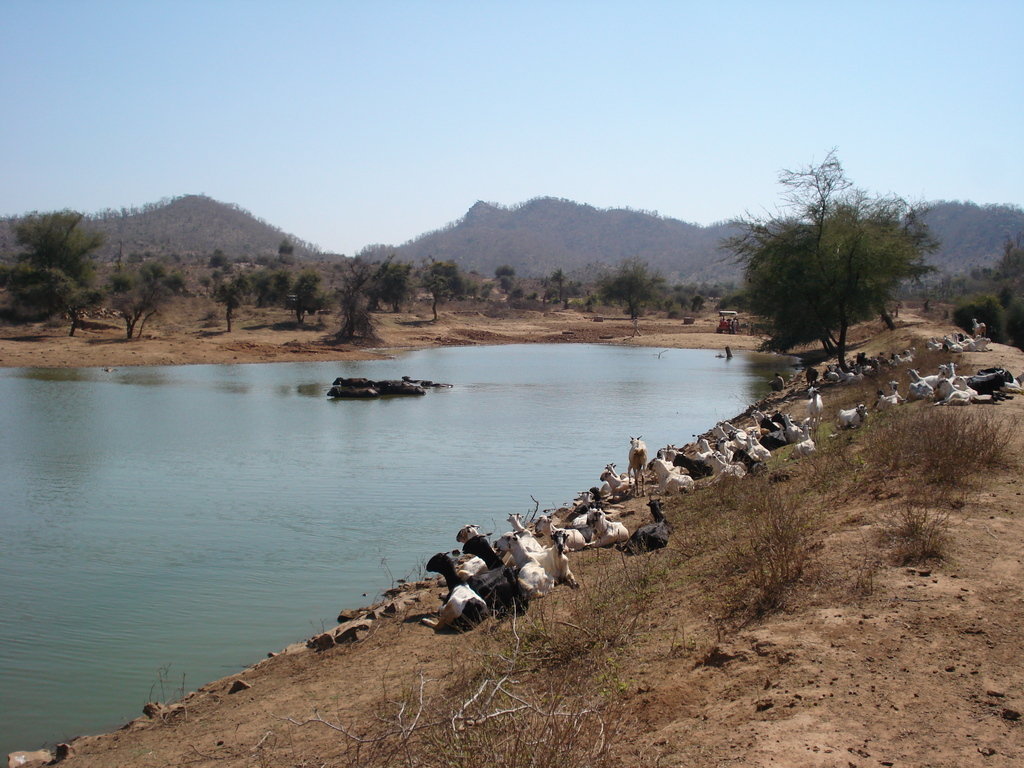
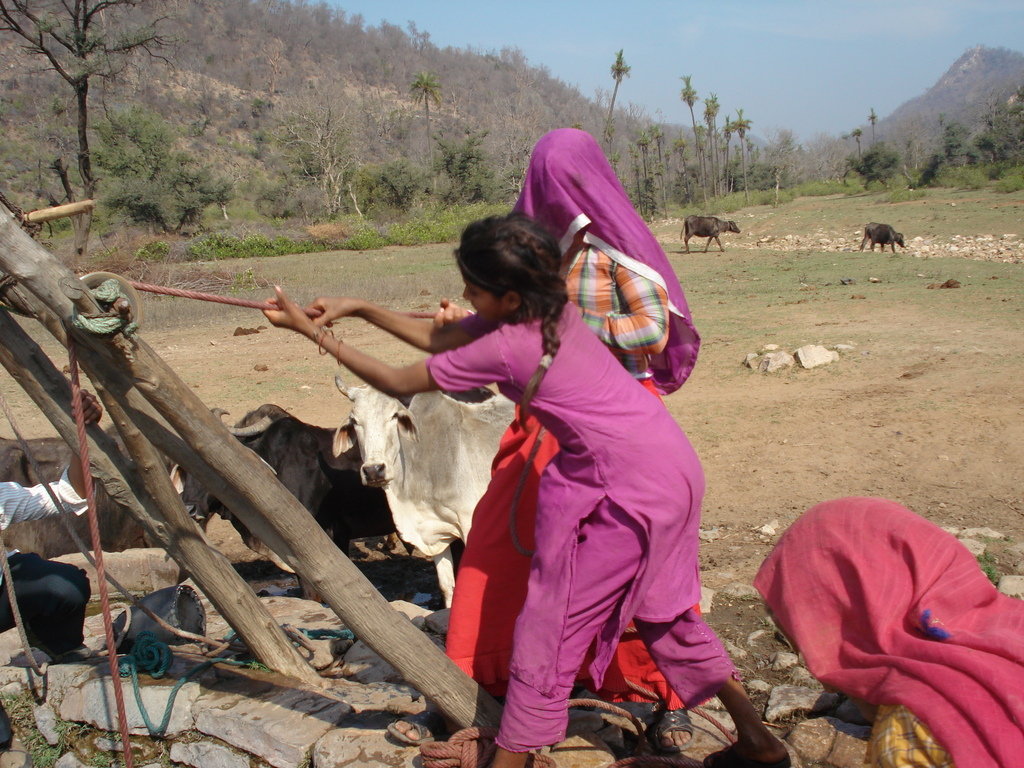
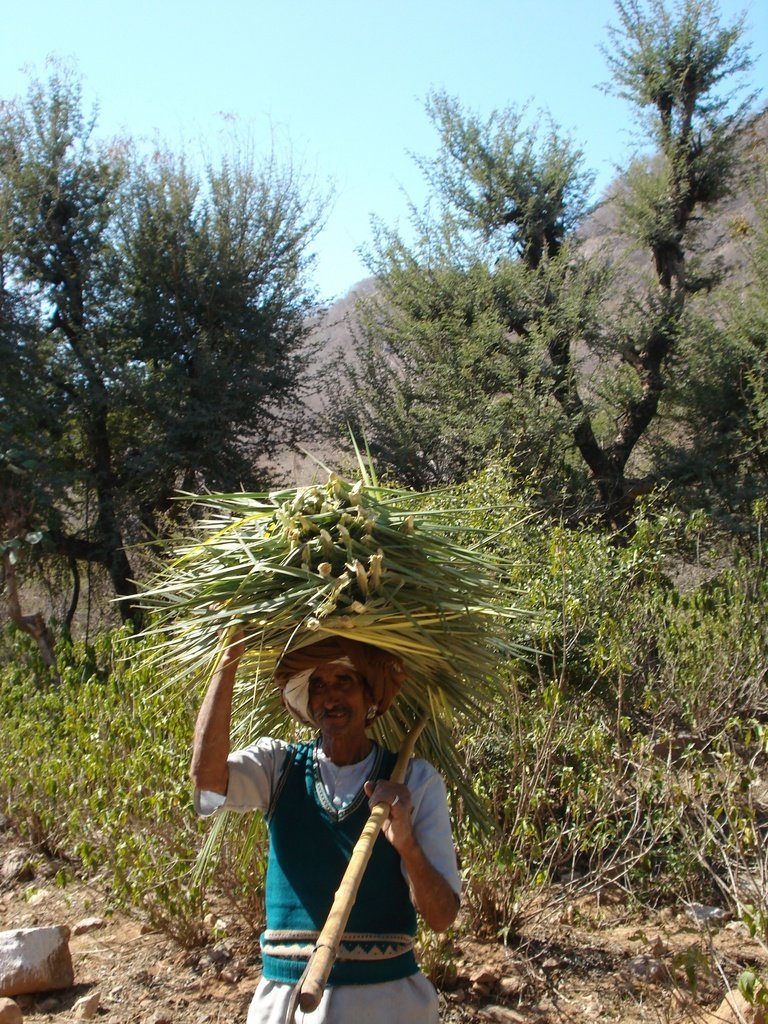
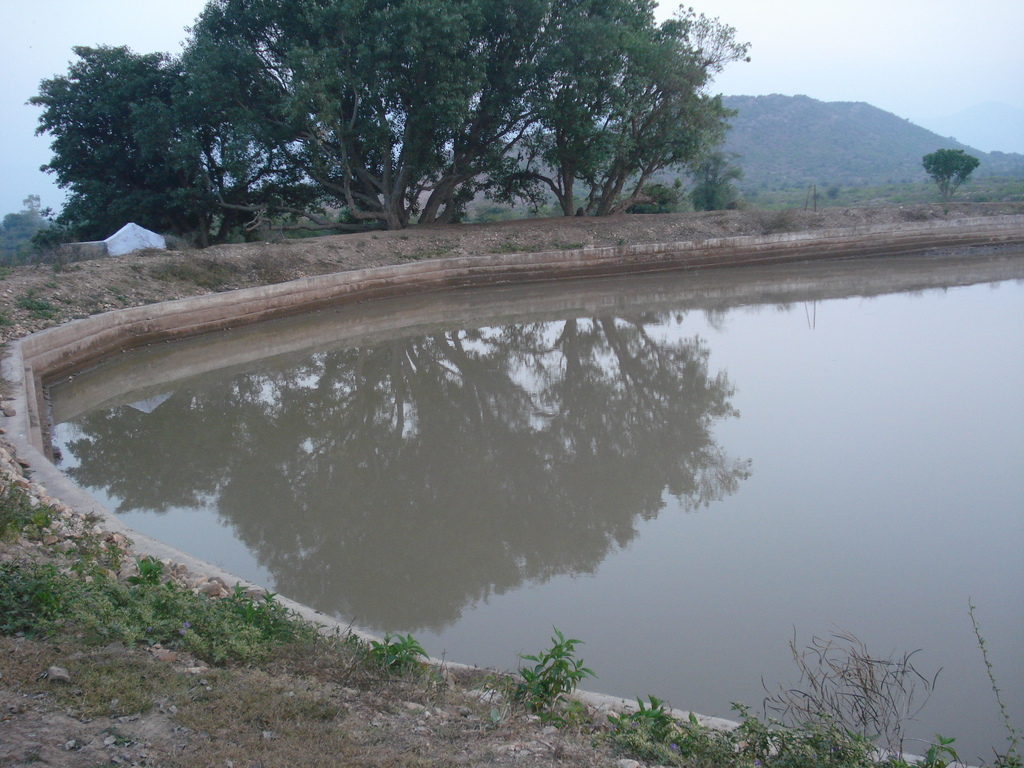
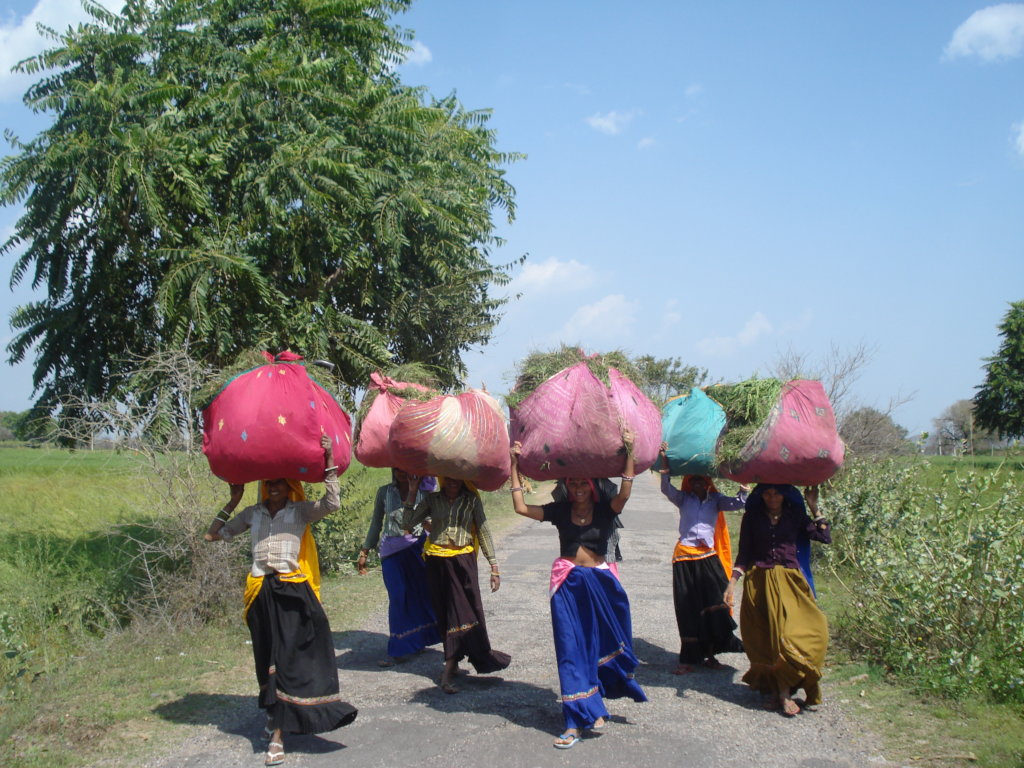
Climate change is evident in the experiences of the community in the project area (Alwar, Rajasthan India). They experienced that changes in local rainfall and seasonality have had clear cut consequences on the status and biotic composition of the Orans. The most apparent change has been in the decline of large plant species. The Orans of the area were renowned for their bamboo. Today their numbers have fallen sharply. Another large plant species know locally as Kala Khair (Acacia catechu) and Gugal (Commiphora wightii) have visibly decreased in presence. A most important species of the Oran in terms of its grazing utility was Dhok (Anogeissus pendula). The picture is similar for grasses and shrubs. For instance there is a species locally known as Sawan, an excellent fodder grass and its grain is used to make food. Its peculiarity is that it needs sustained light showers to grow optimally. The shortening of the rainy season has directly affected its growth, and there is today a severe decline in its availability. Similarly, it was reported that some twenty odd species of bulbous plants of medicinal value were formerly available in these Orans. Today these have become hard to find. As most Orans have water sources in the form of tanks known locally as Johads, talab and Bawari; many of these have now run dry. For generations, people started sleeping outside in the open air along with their animals when the weather became warmer around the festival of colour (holi) in March. Then, they moved themselves and their animals back indoors around the festival of lights (diwali) in October, marking start of the winter season. Yet, in this generation they are sleeping outside 15-20 days before holi and moving back indoors 15-20 days after diwali because it is still too hot.
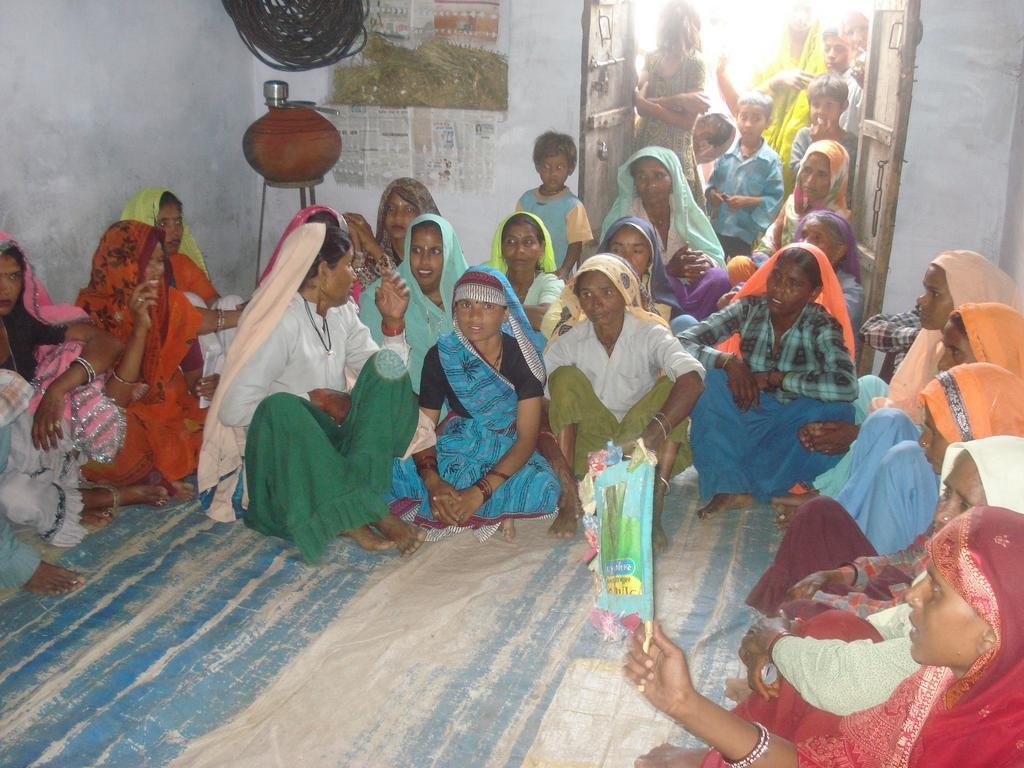
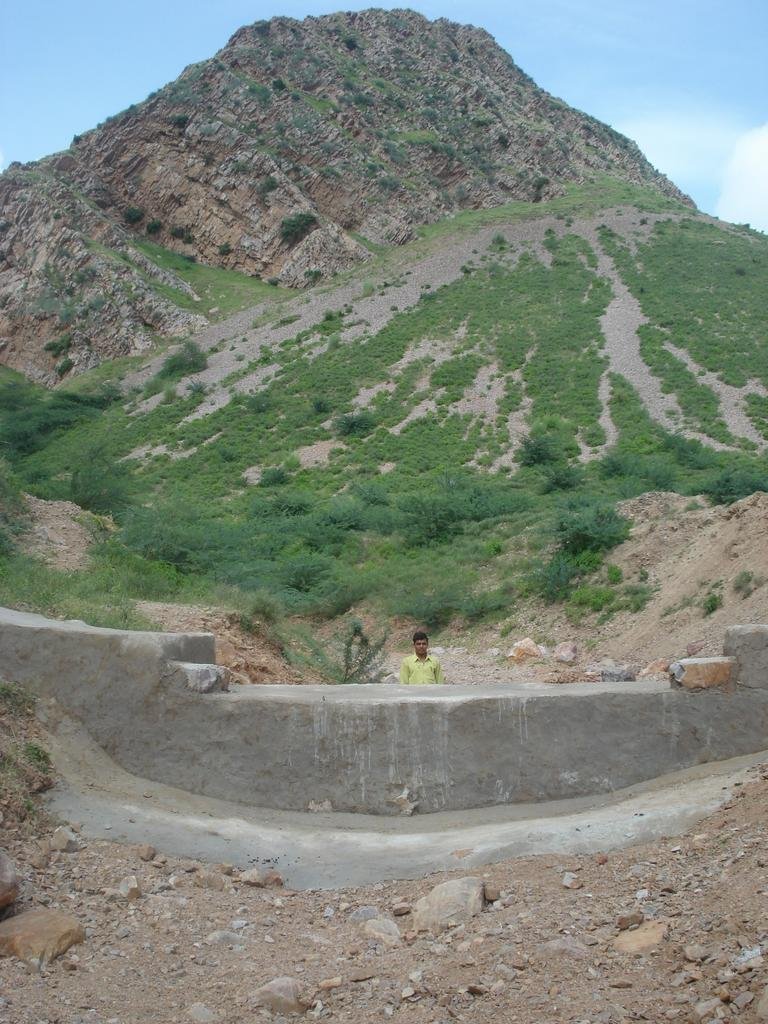
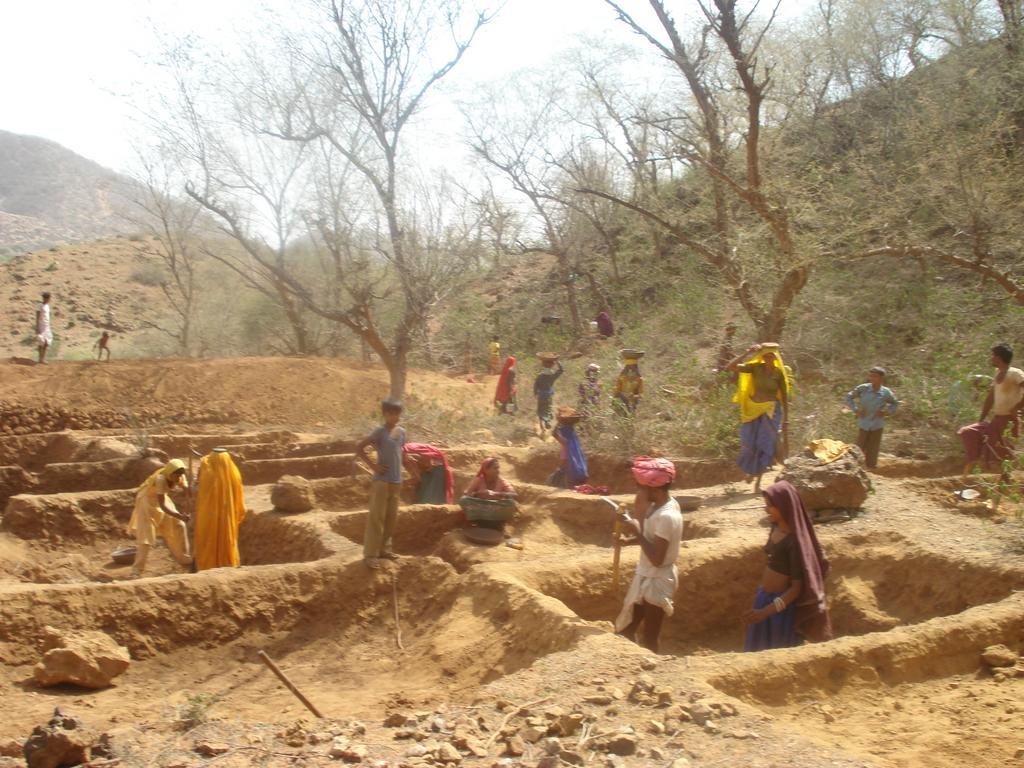
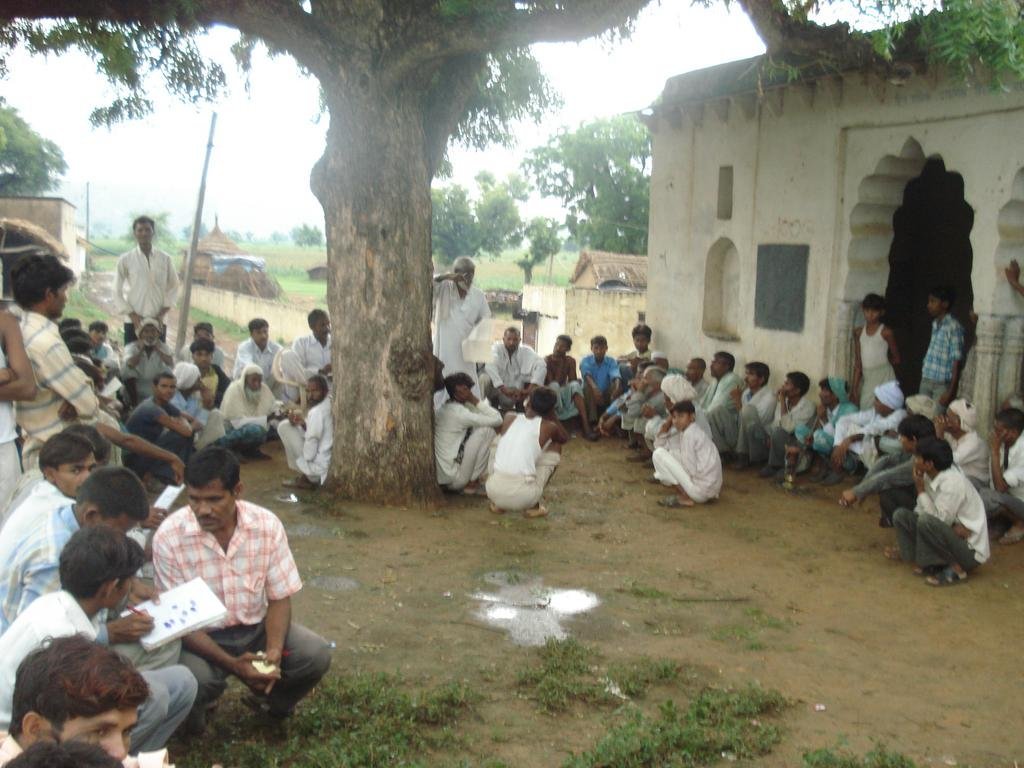
This project is trying to address all these issues/ challenges (e.g. climate change, water scarcity - reduced water availability from traditional sources of water in the Orans, loss of habitat and biodiversity) through planting trees and grasses, renovating water harvesting structures etc., in 10 orans of Rajasthan (India). These Oran conservation initiatives have increased the adaptive capacity of communities, to deal with climate change in the following ways:
1) Re-establishing methods and institutions for management of water bodies in orans, are of major importance, as they harbour springs, acquifers and water storage structures, leading to more efficient use of groundwater and thereby increasing communities’ ability to cope with drought.
2) Encouraging the plantation of a wide variety of crops using scattered land holdings to cope with the expected reduction in annual rainfall associated with climate change in this region.
3) Campaigning against water-intensive monocultures
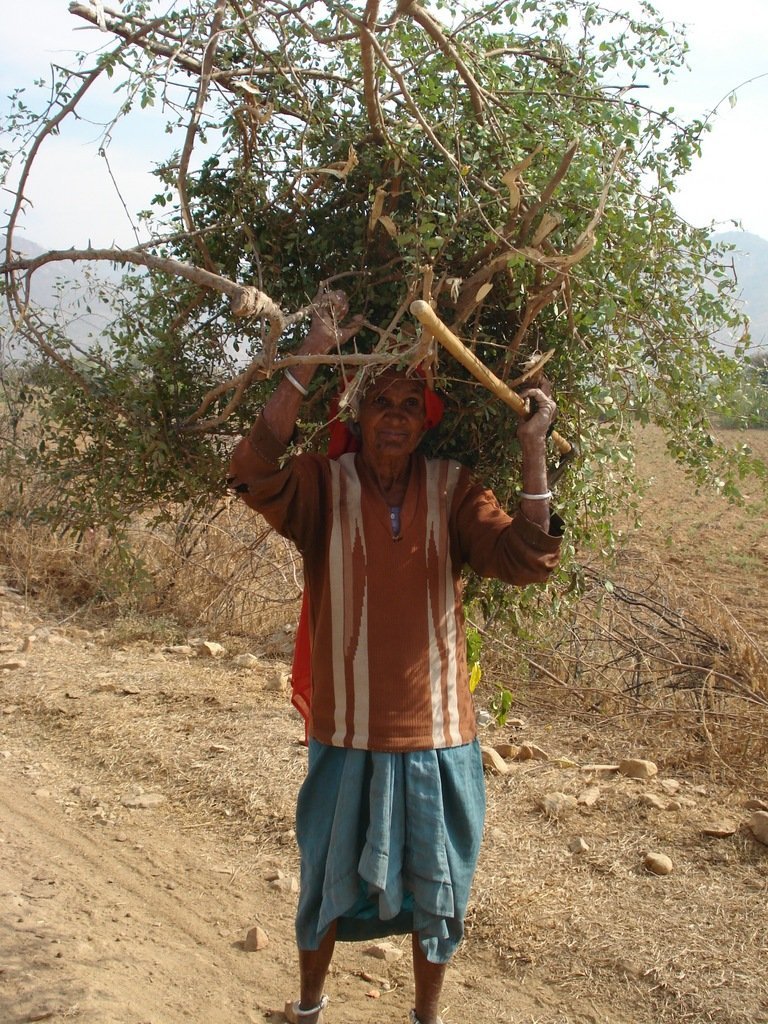
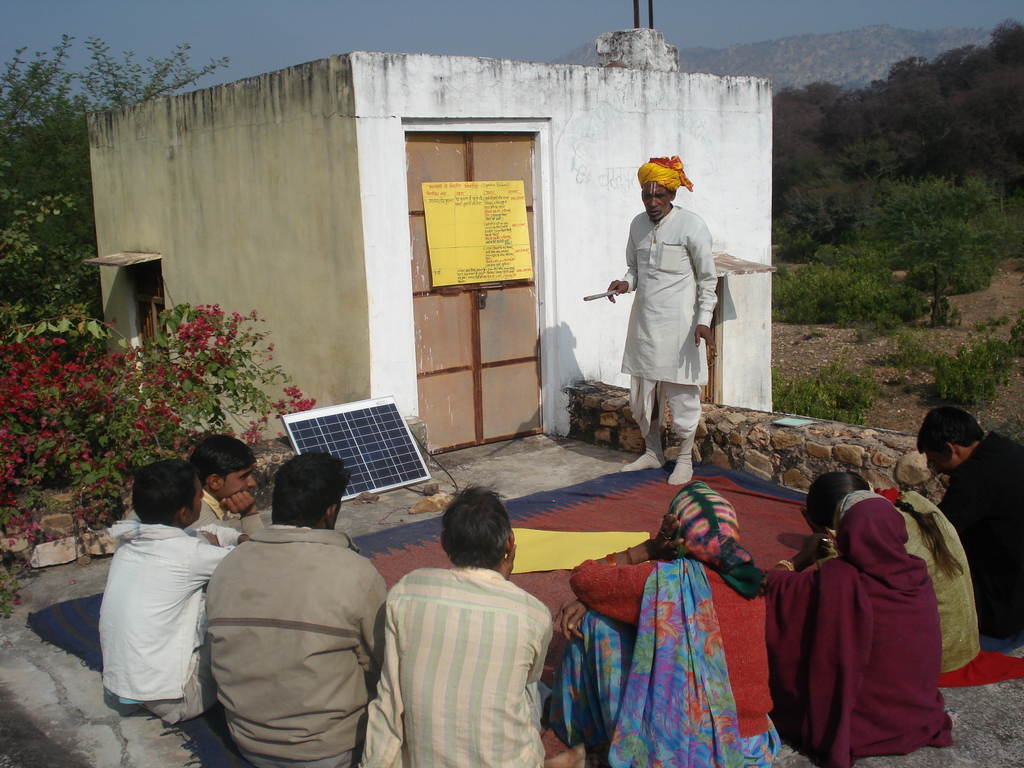
4) Introducing new low-cost technologies, including improved chulhas (stoves), solar paneling, etc., which reduced demand for fuel wood, thus helping to conserve Orans and maintain vegetation cover.
Project reports on GlobalGiving are posted directly to globalgiving.org by Project Leaders as they are completed, generally every 3-4 months. To protect the integrity of these documents, GlobalGiving does not alter them; therefore you may find some language or formatting issues.
If you donate to this project or have donated to this project, you can receive an email when this project posts a report. You can also subscribe for reports without donating.