For families living in IDP settlements, having access to fresh and nutritious food can be a daily challenge. Hope and Help Society (HHS) is helping families turn small spaces around their homes into sources of food, nutrition, and hope.
As part of the Green Livelihoods Initiative, HHS supported 30 IDP households to learn how they can produce nutritious vegetables at household level using practical, climate-smart approaches.
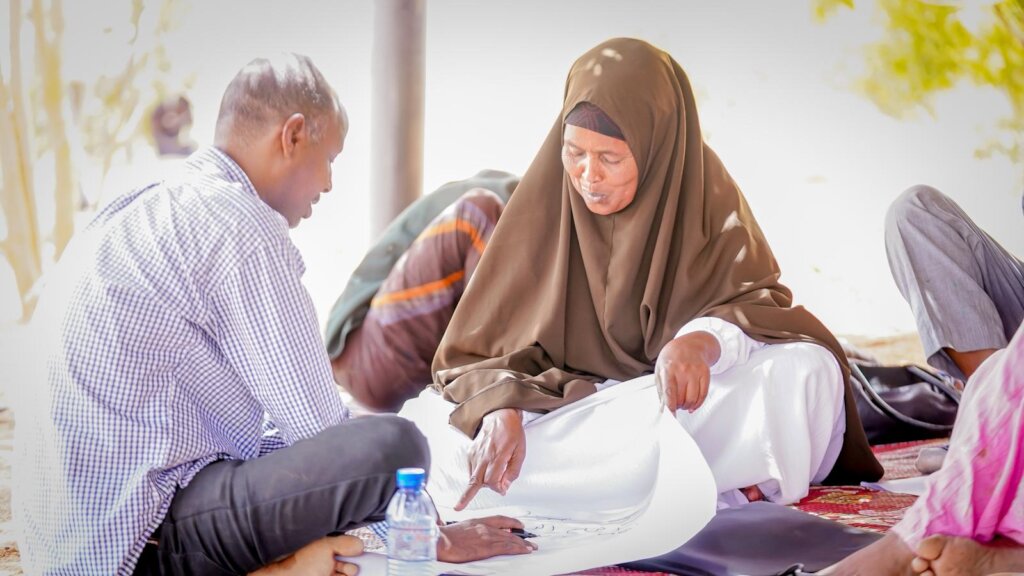
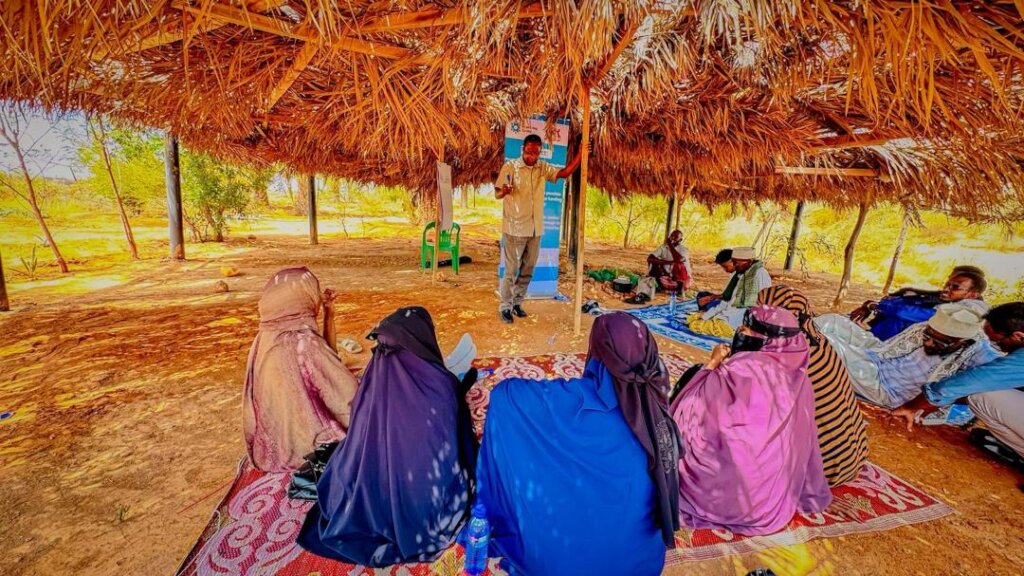
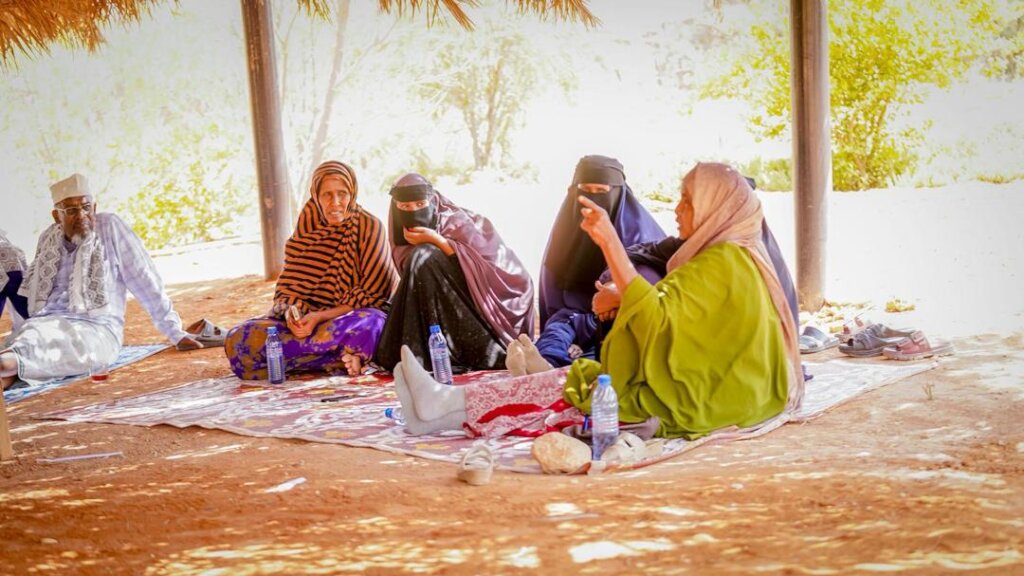
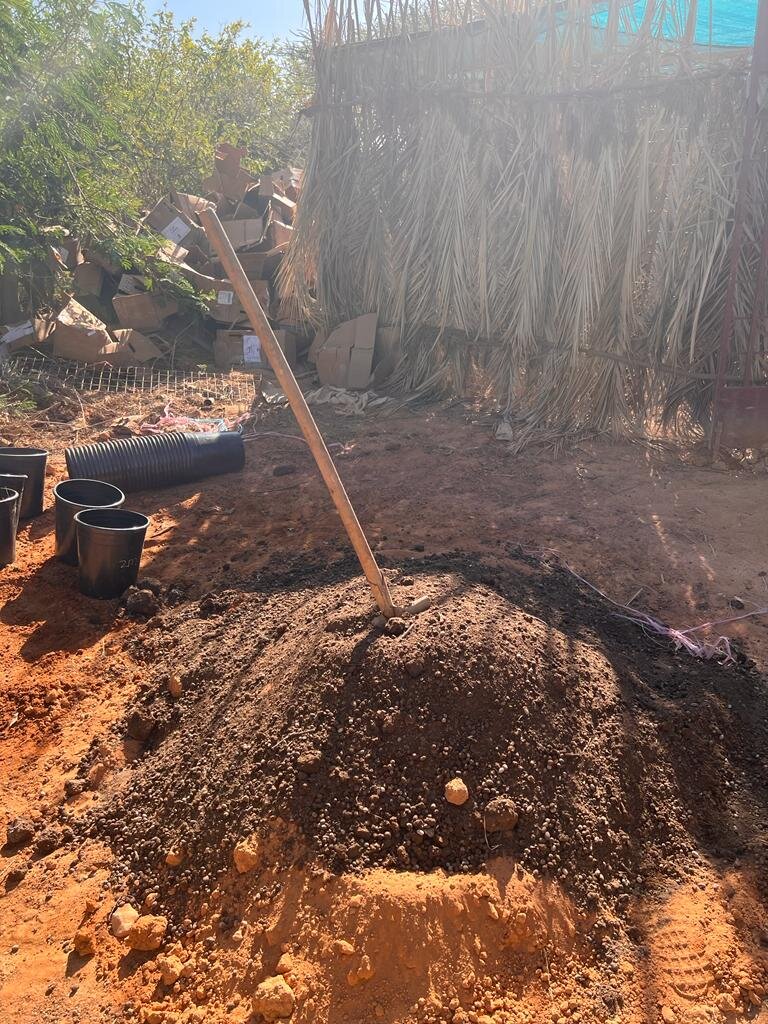
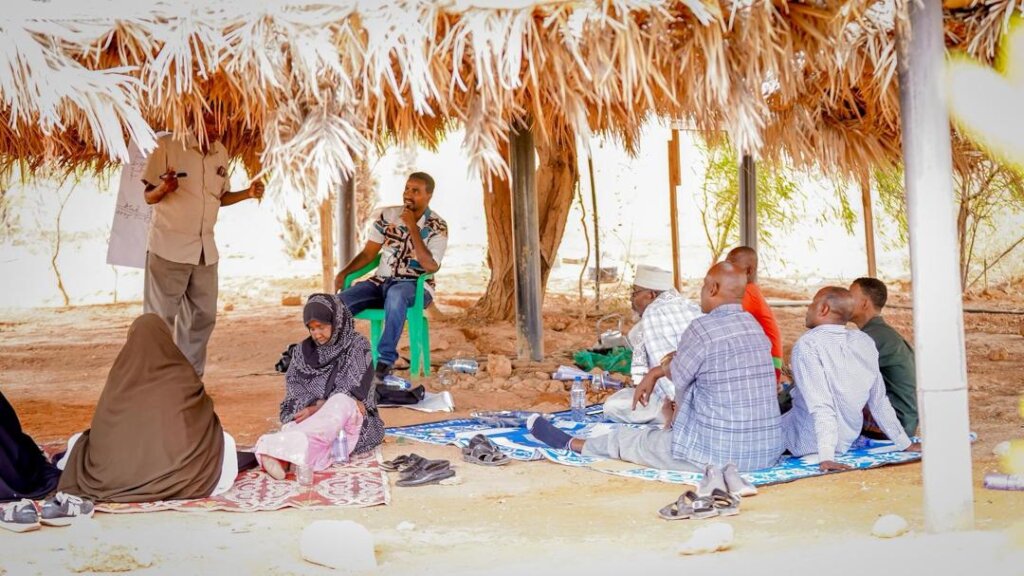
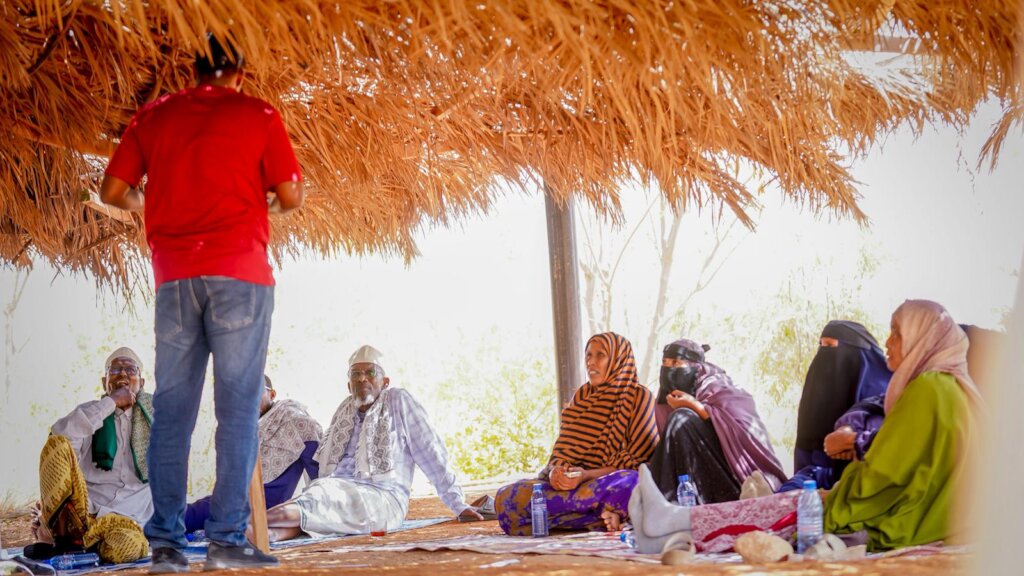
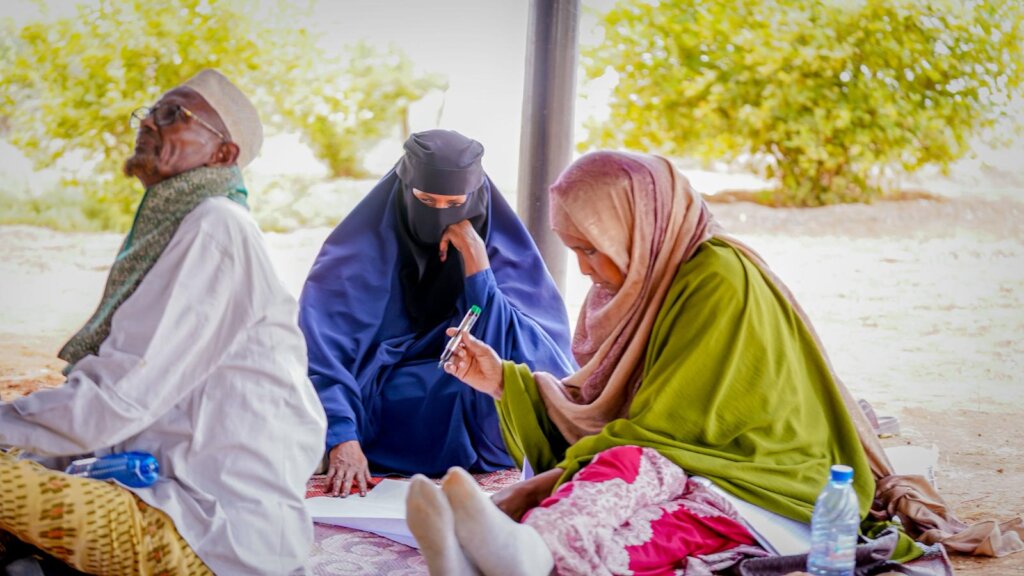
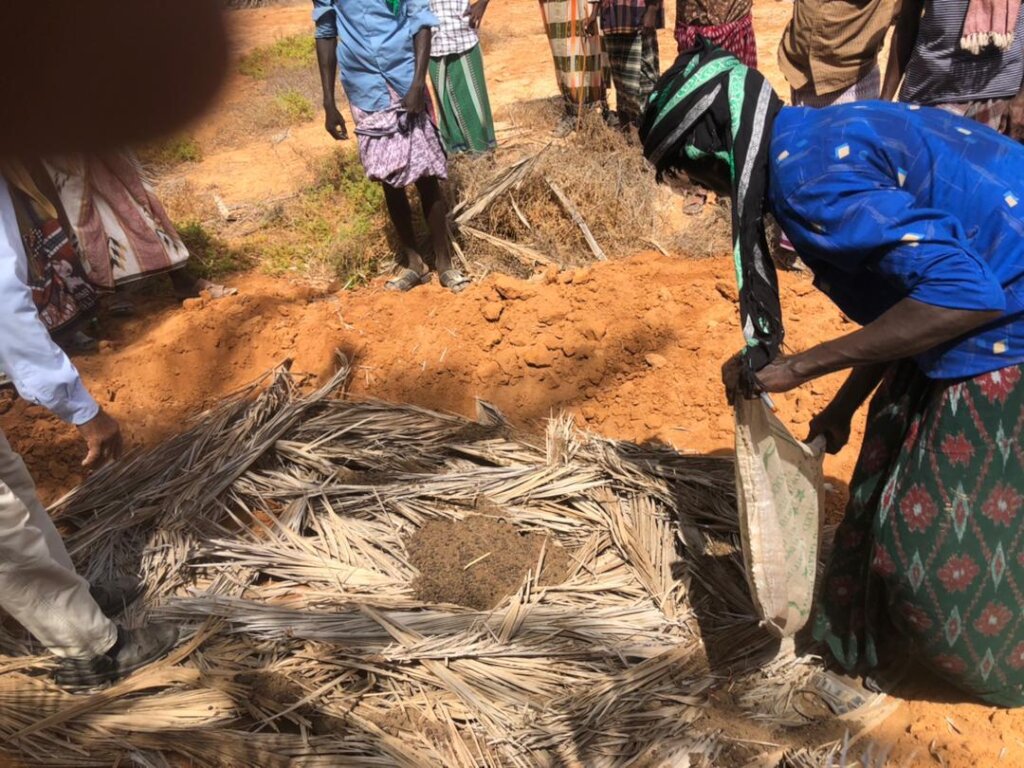
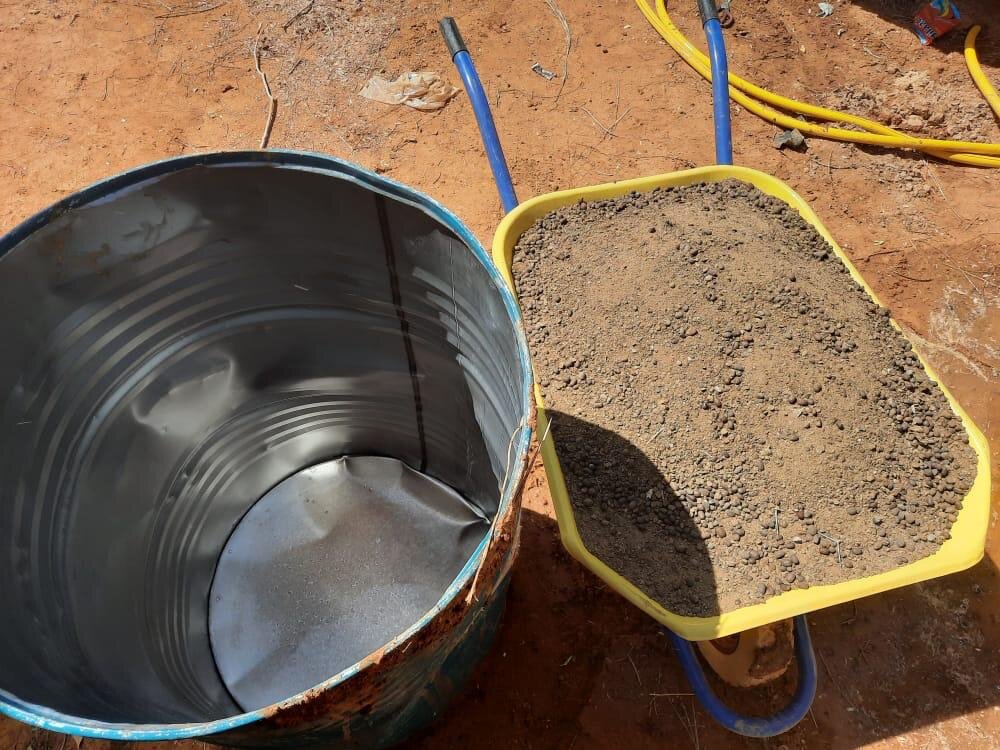
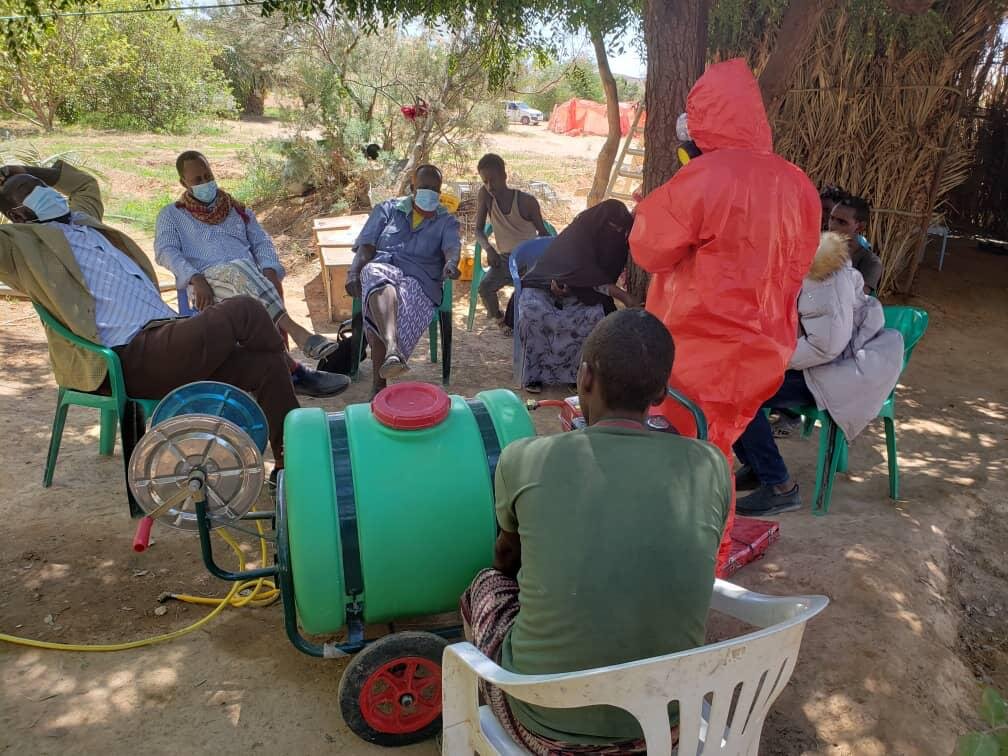
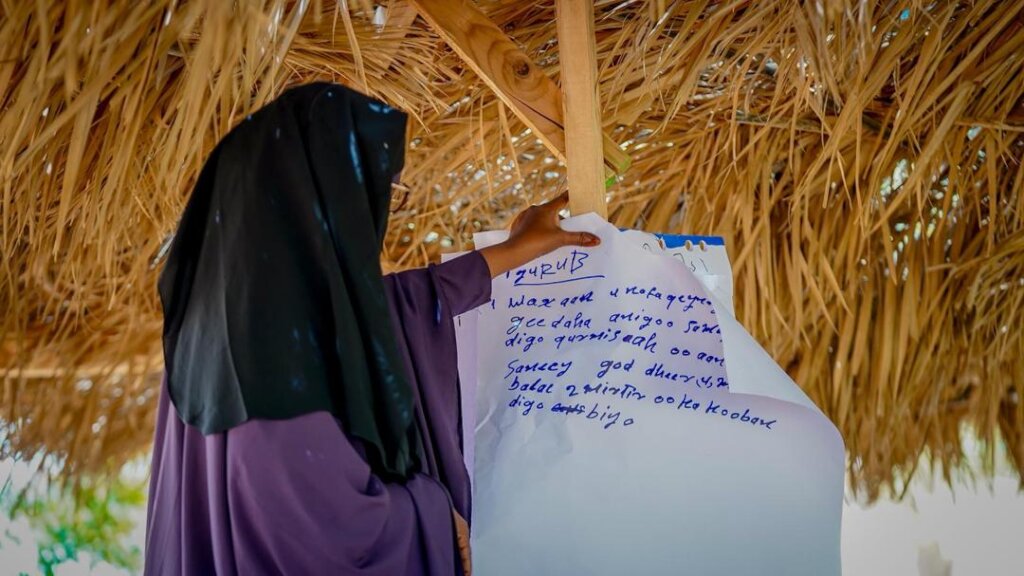
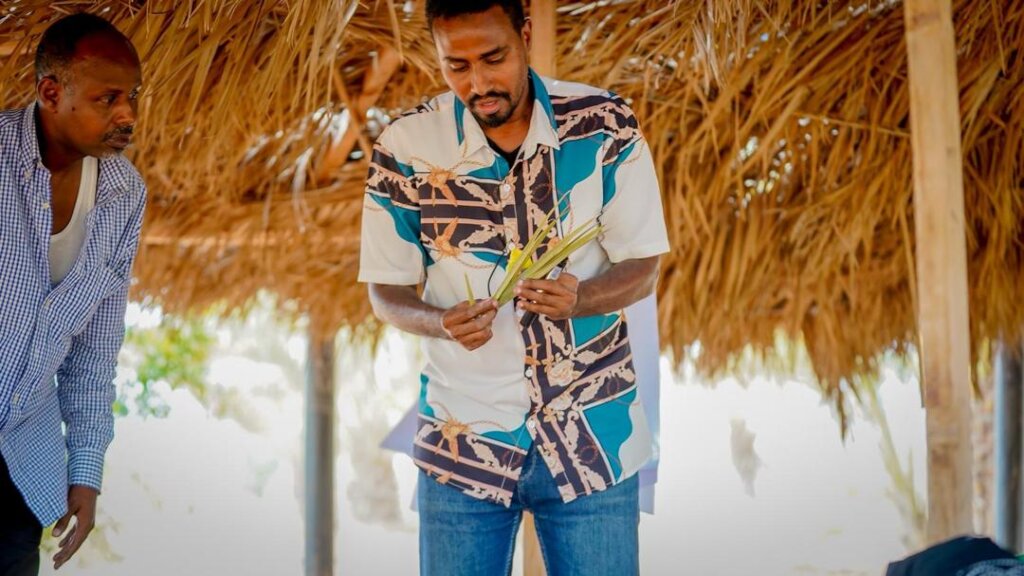
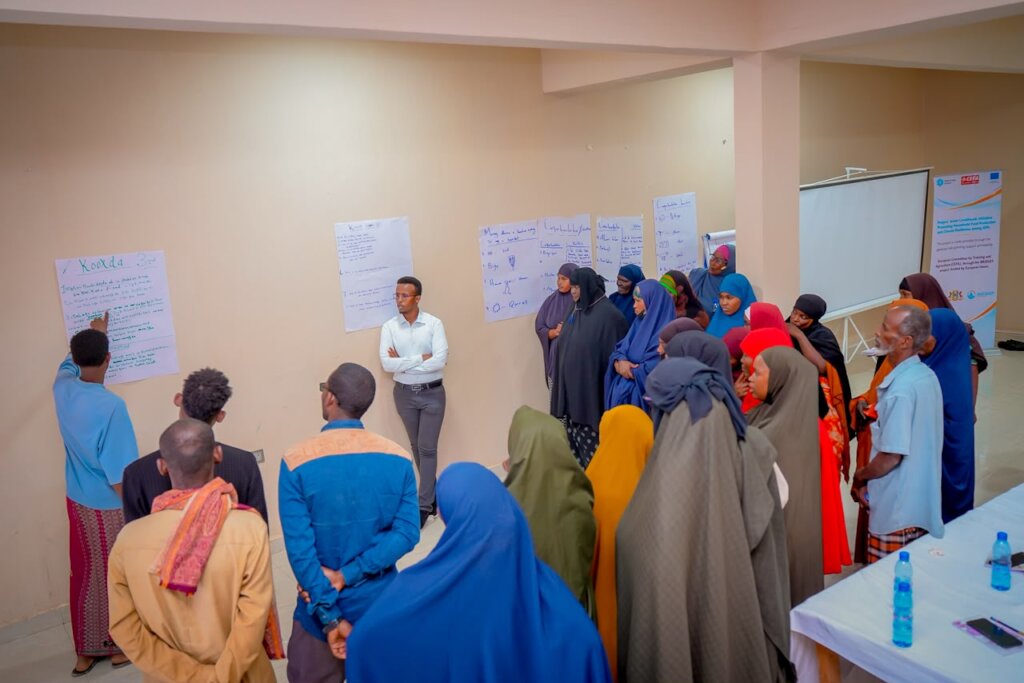
The journey began with training. Thirty farmers—26 women and 4 men—participated in both theoretical and practical sessions on compost preparation, soil enrichment, and kitchen garden establishment and management. Rather than only learning in a classroom, participants practiced the techniques themselves and learned how locally available materials can be used to improve soil fertility and support food production.
After the training, the learning moved from the training space to the households.
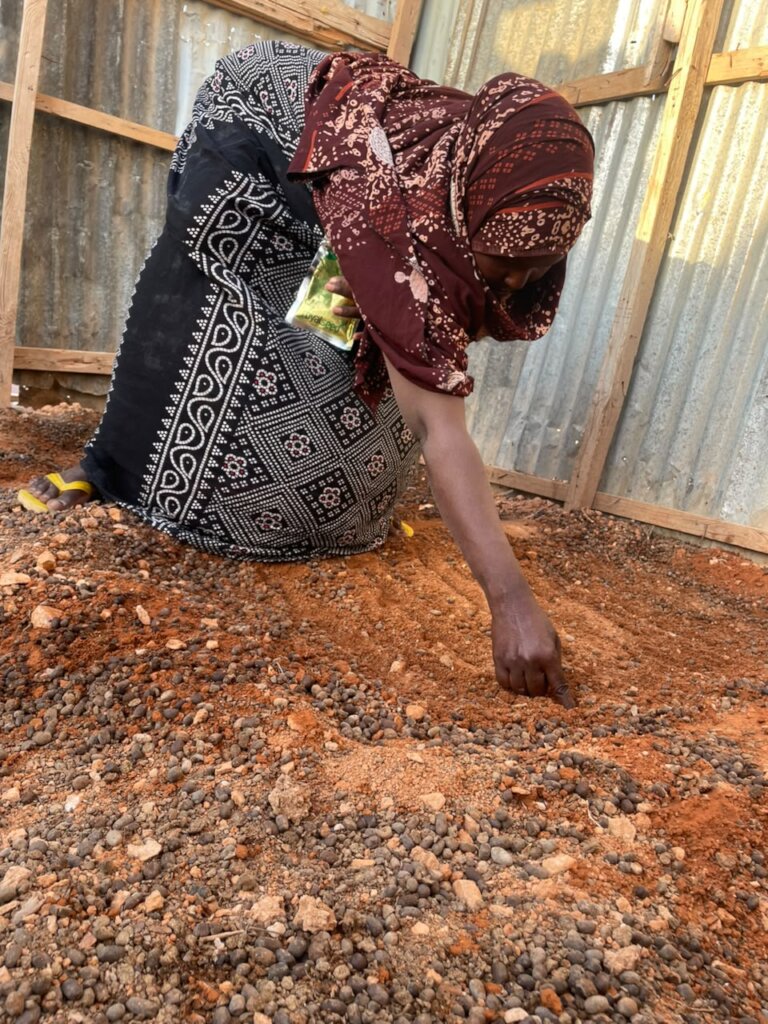
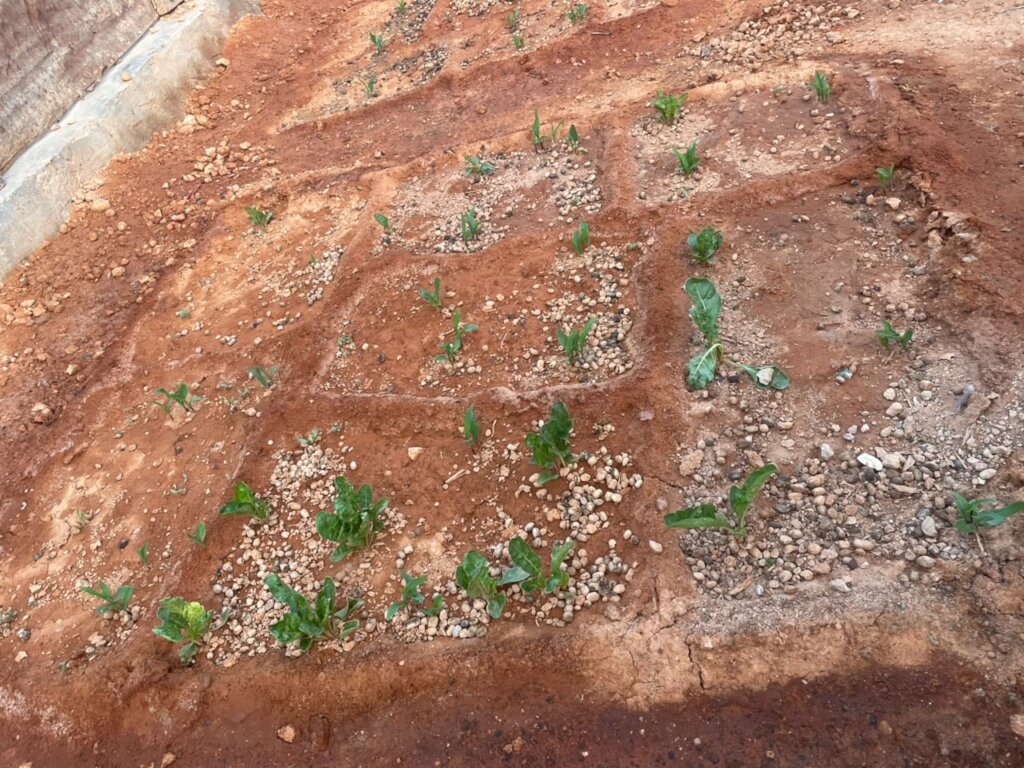
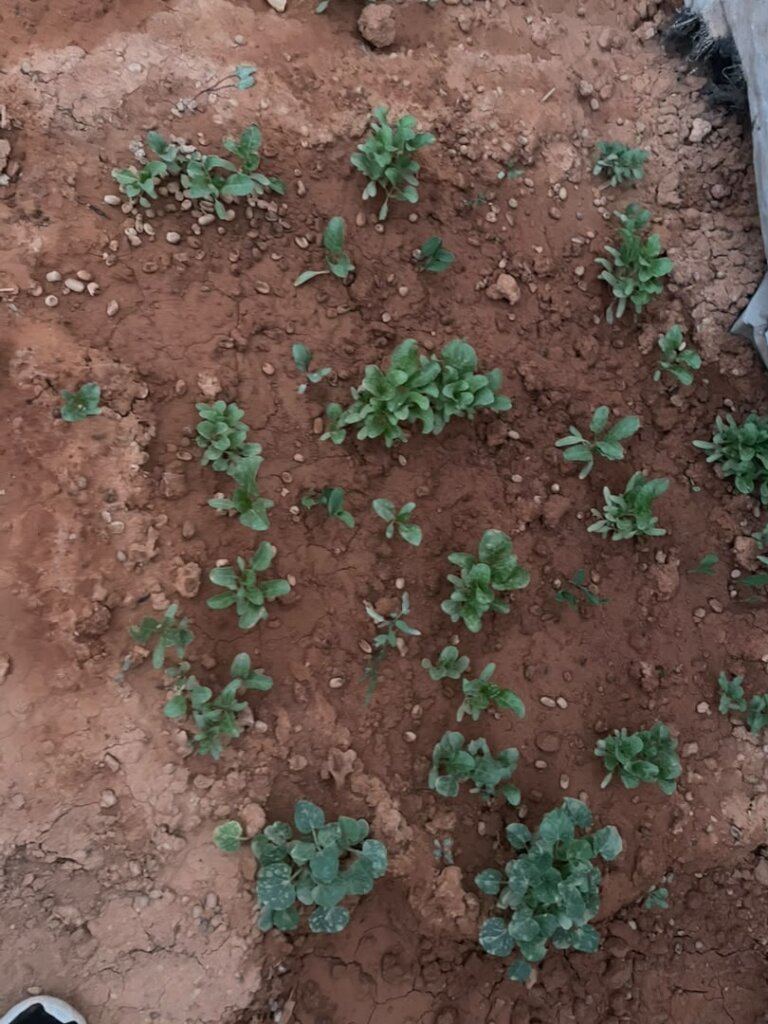
HHS provided seeds and practical support to the participating families as they prepared their garden spaces and began sowing. Together with the households, HHS supported the planting of tomatoes, spinach, and beetroot—vegetables that can contribute to more diverse and nutritious household diets.
And then came the first encouraging sign.
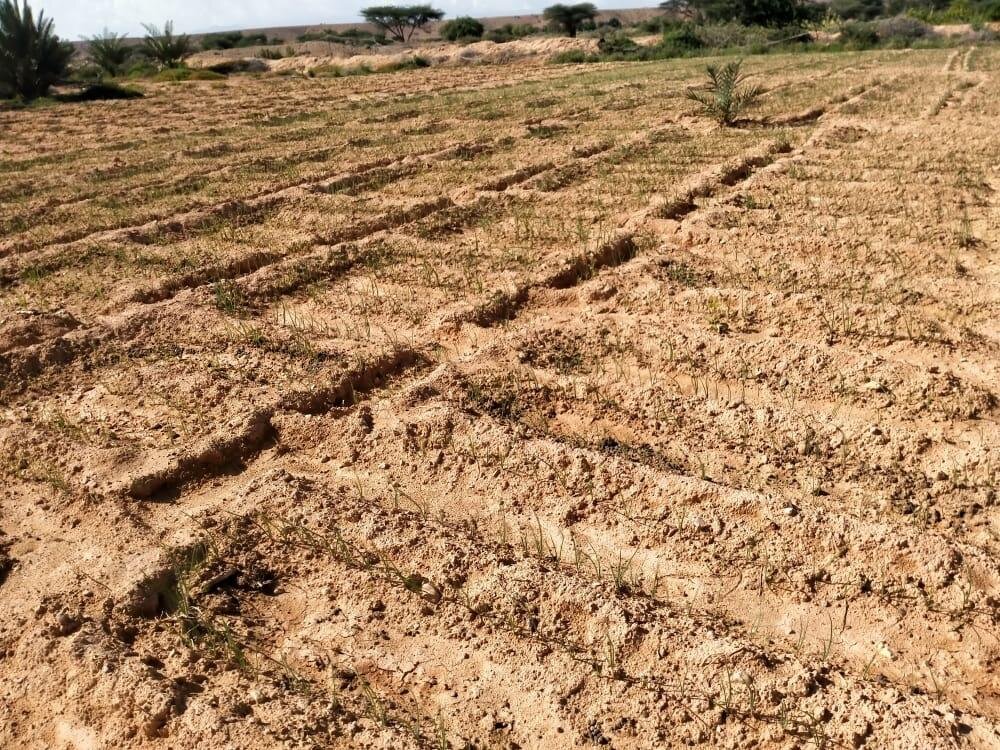
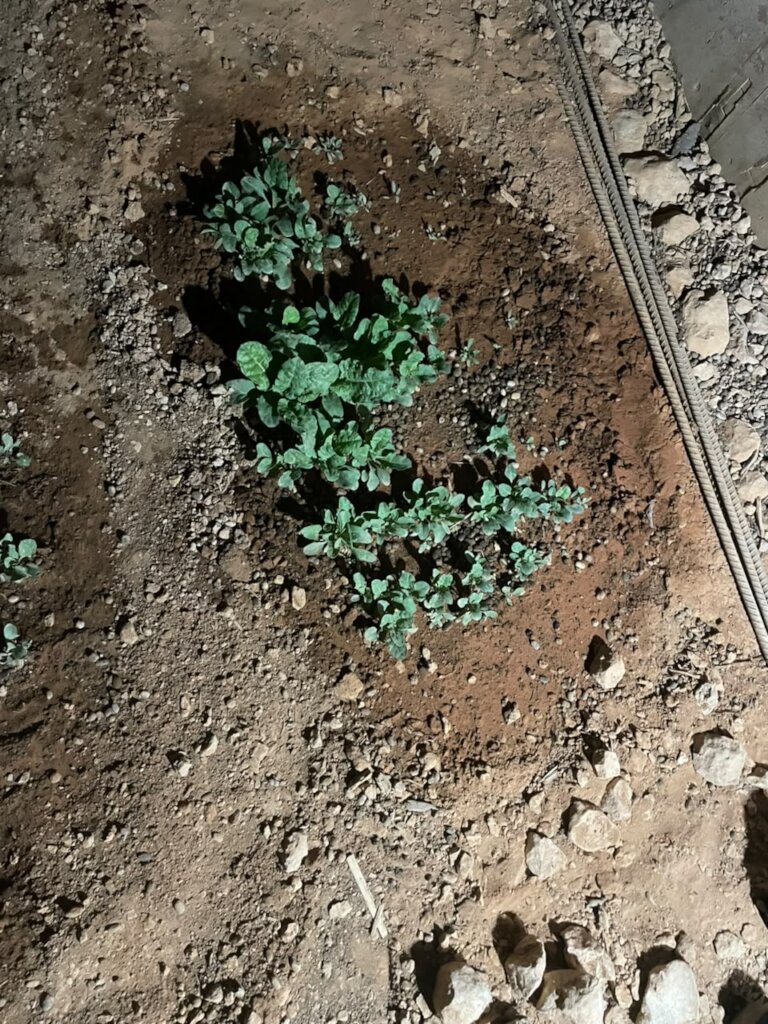
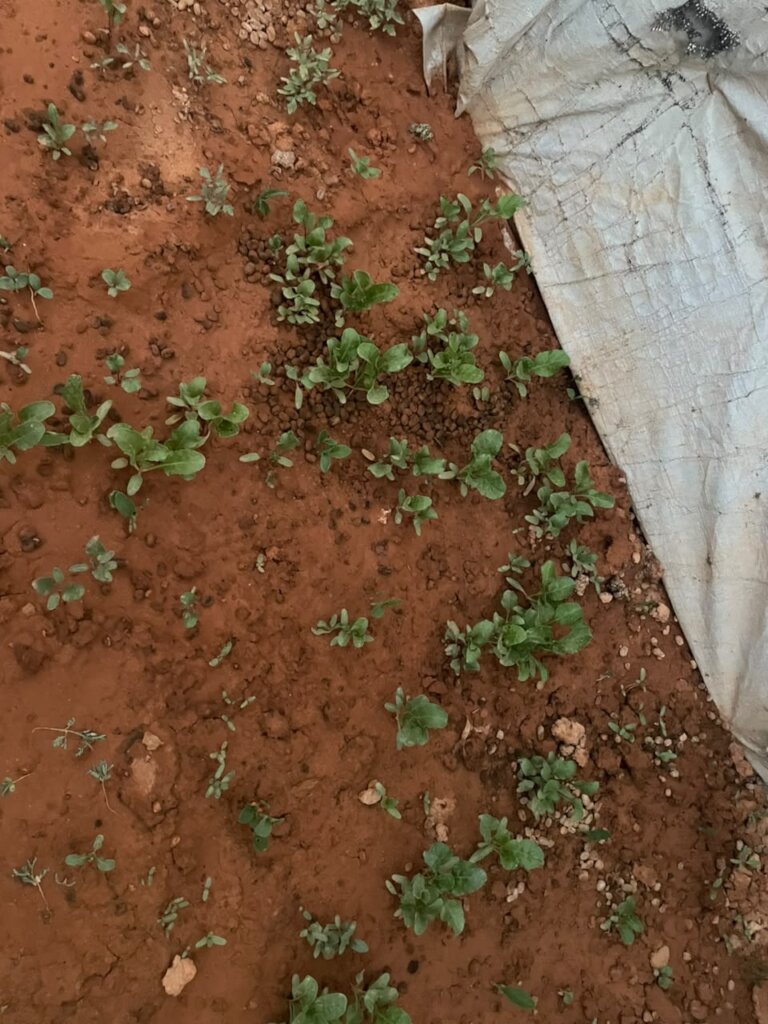
The seeds started germinating.
For the participating families, these first seedlings represent more than the beginning of a garden. They are an early indication that the knowledge and skills gained through the project are being put into practice. With continued care and technical support, these small gardens have the potential to provide families with fresh vegetables while strengthening their ability to produce food at home.
From learning about compost and soil enrichment to putting seeds into the ground, families are turning knowledge into action—and the first signs of growth are already appearing.
HHS will continue conducting technical follow-up and monitoring visits to support the households as their crops develop, help them address emerging challenges, and strengthen their kitchen-garden management practices.
This is only the beginning. The first seedlings are growing, and with them comes the possibility of more nutritious meals, stronger household food production, and greater resilience for vulnerable IDP families.
Our progress so far
- 30 IDP households supported
- 30 farmers trained — 26 women and 4 men
- Theoretical and practical training completed
- Training covered compost preparation, soil enrichment, and kitchen garden management
- Tomato, spinach, and beetroot seeds planted
- Initial germination observed
- Continued technical follow-up planned to support crop growth
With your continued support, these first seedlings can grow into a lasting source of nutritious food and resilience for vulnerable families.