By Kate Warren | Veterinary Nurse
These last few months have been busy for local staff on the ground here at Sumatra Rainforest Institute, with interns, wildlife care, community outreach and enclosure enhancements, it’s all happening in 2017!
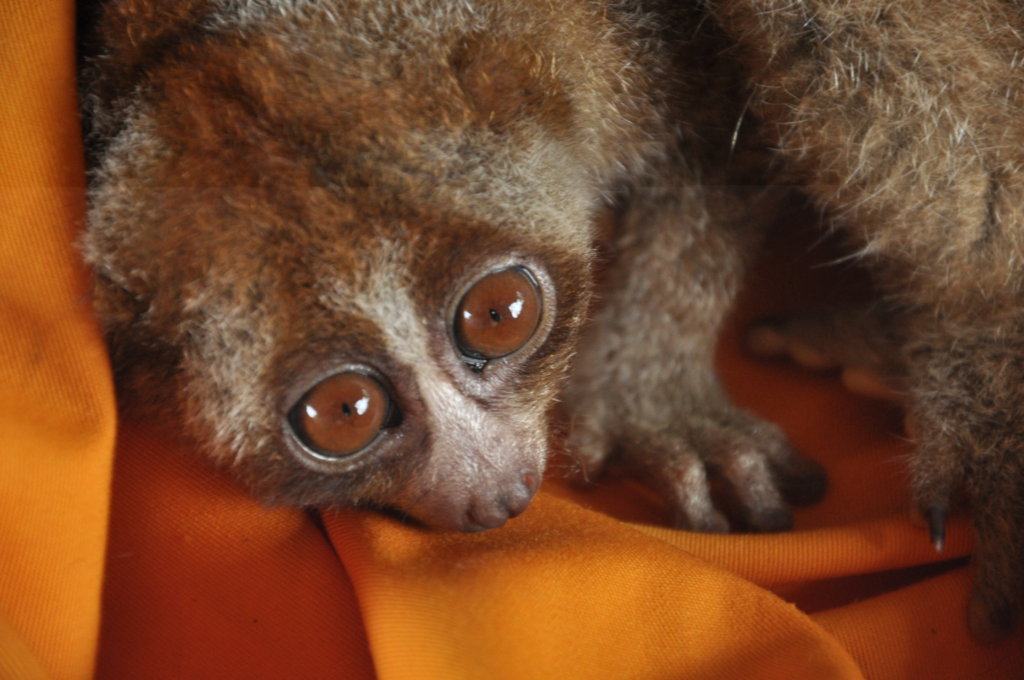
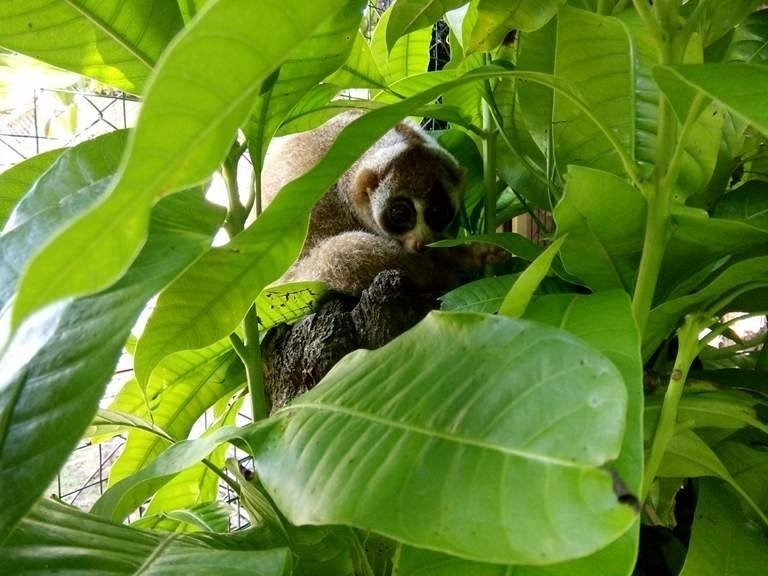
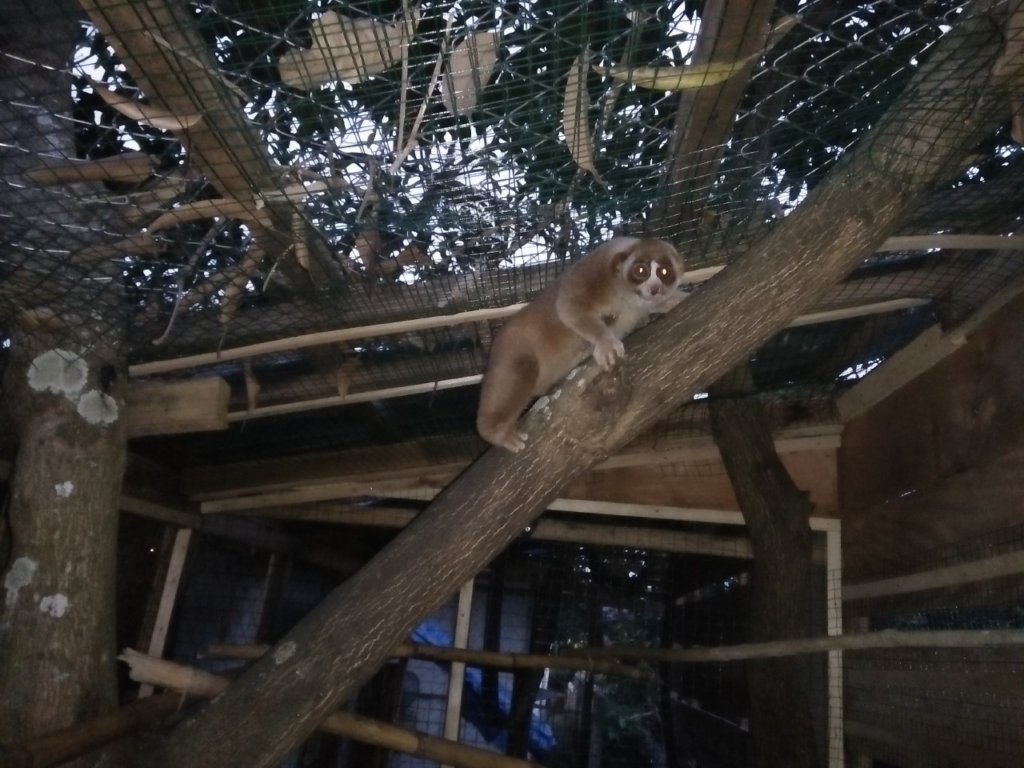
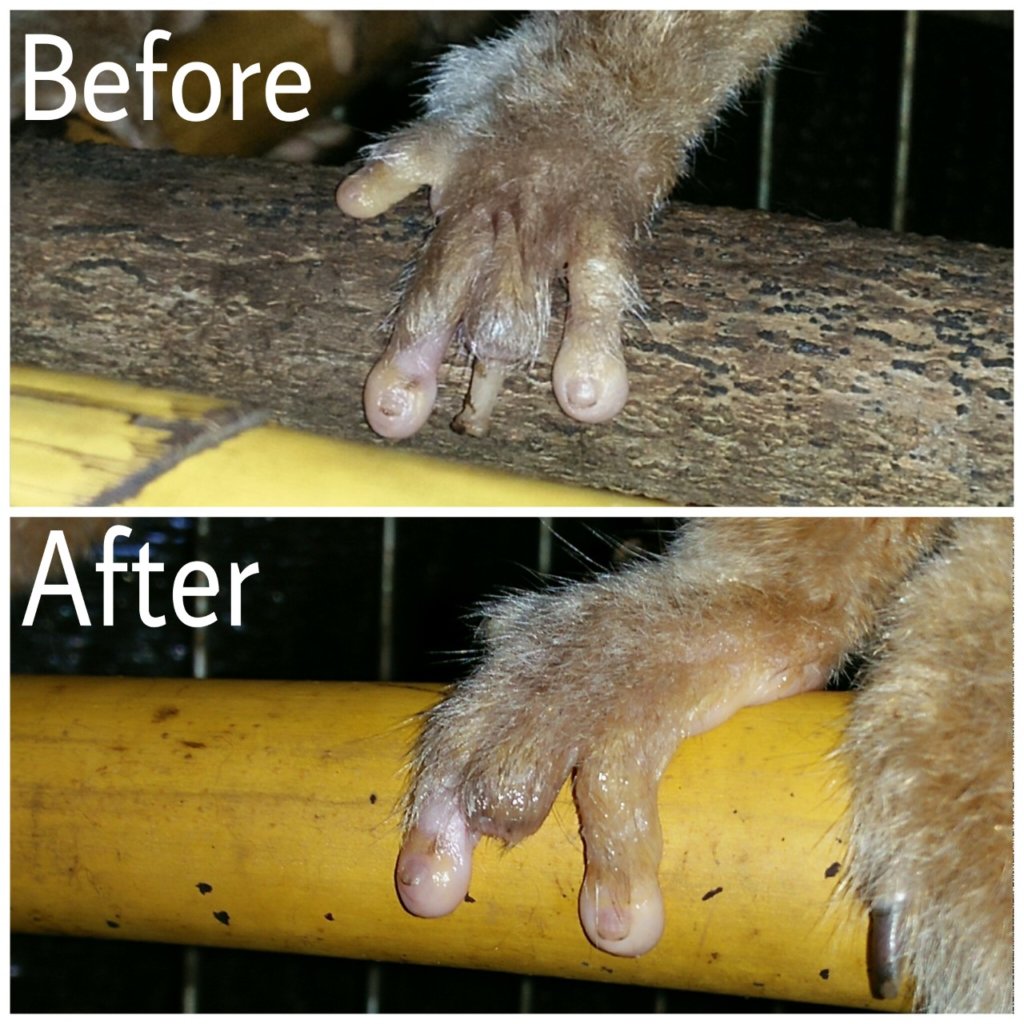
The slow Loris ‘’Kiko’’ in our care has continued to exceed our expectations from when he first arrived at the centre with an injured finger and some teeth removed. He is now able to climb the enclosure walls, across the bamboo pathways with perfect poise and up trees with ease despite the loss of a digit. The area which was once necrotic is now healed with healthy pink skin and fur covering. He has a healthy appetite, especially for crickets which are his favourite, followed by some local fruit langsat and tree sap. These are spread throughout branches and up the walls in specially made containers to encourage seek and find behaviour similar to in the forest.
Our transit centre also played home to another Slow Loris surrendered to SRI in February. After having a physical examination assessing body condition, monitoring his natural abilities and general health he was deemed fit for release.Luckily for this Slow Loris hehad all teeth intact and could effectively fend for himself in the wild. He was released in the buffer zone of Batang Gadis National Park.
The maintenance and enrichment in enclosures and daily diet requirements would not have been possible for these slow loris’ without kind donations from everyone reading this at home.
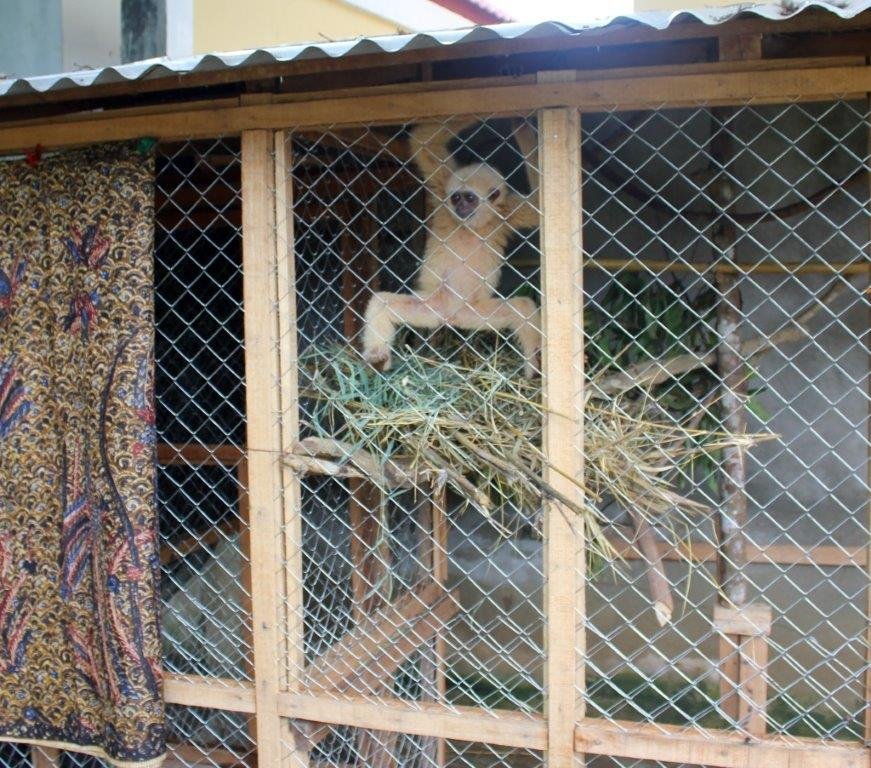
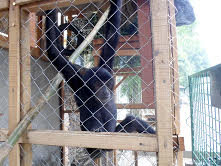
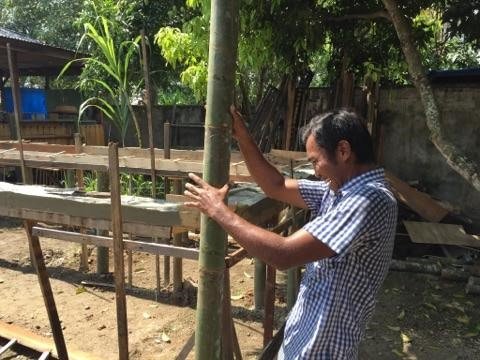
We are also upgrading our current Gibbon enclosures at our transit centre over the next few weeks with anticipation of upcoming confiscations. Some beneficial changes will include a higher raised juvenile enclosure to better replicate natural arboreal instincts in the wild. This will be supported by an enhanced bamboo base which is easy to clean, a natural material occurring in the forest and is strong enough to hold curious and playful Gibbons!
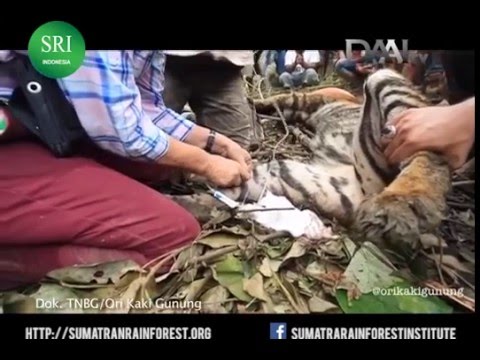
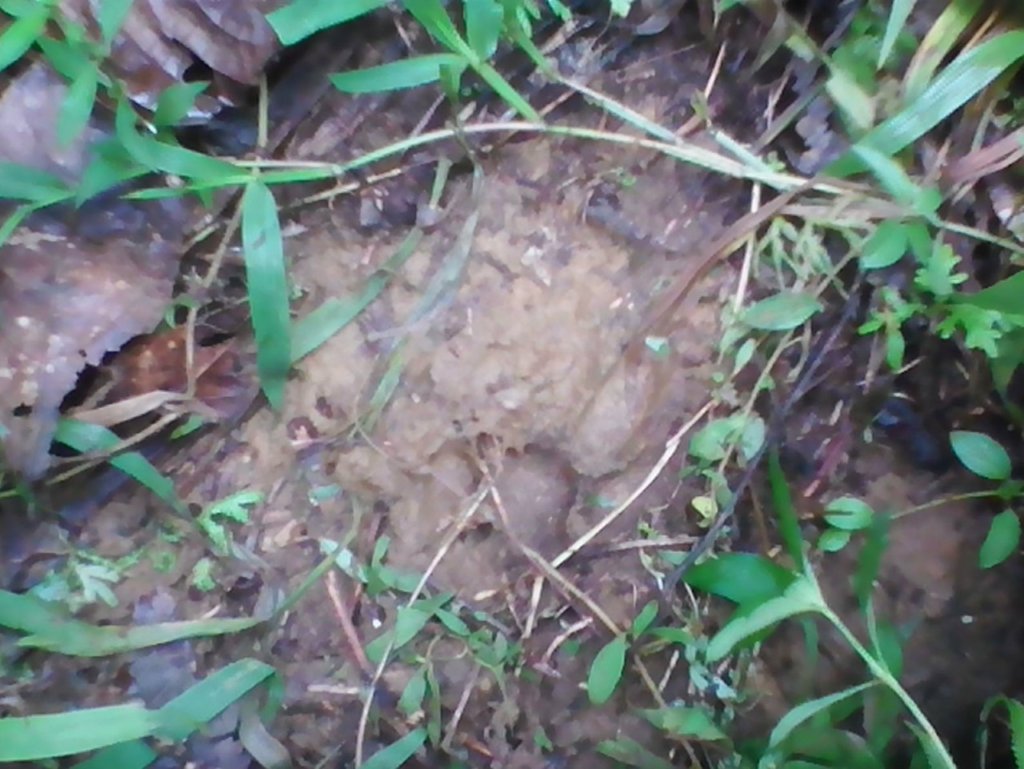
SRI was also called to a tiger conflict in the end of 2016. A local village contacted SRI stating a tiger was entering human settlement and had eaten 2 goats. SRI and Batang Gadis NP team went to the village to investigate. There was a paw print in the goat cage which resembled not a Tigers but a Leopards. We put a camera trap in the location for 2 weeks but no sign of a tiger or other big cats. We gave the villagers some cannon noises (bazookas made from recycle cans) with the idea being the noise would frighten any big cts away. We also completed an 8-day patrol in the forest near the village, there were no big cat footprint found. We are happy to report there has been no further animal human conflict in that area since deploying and informing the community of alternatives ways with dealing with wildlife.
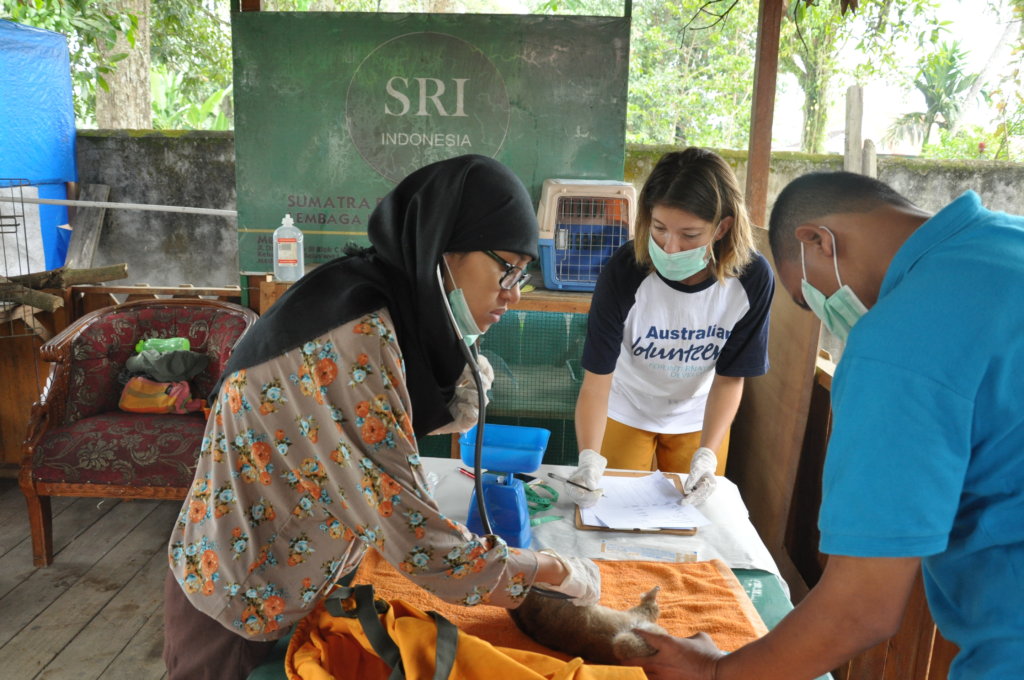
This month we have welcomed a new AVID volunteer who will be based here in our transit centre in Panyabungan for a one year placing. She is a veterinary nurse from Australia who will work alongside our resident biologists and wildlife staff to share and build professional knowledge and continue towards improving the welfare and rehabilitation process of the wildlife in our care.
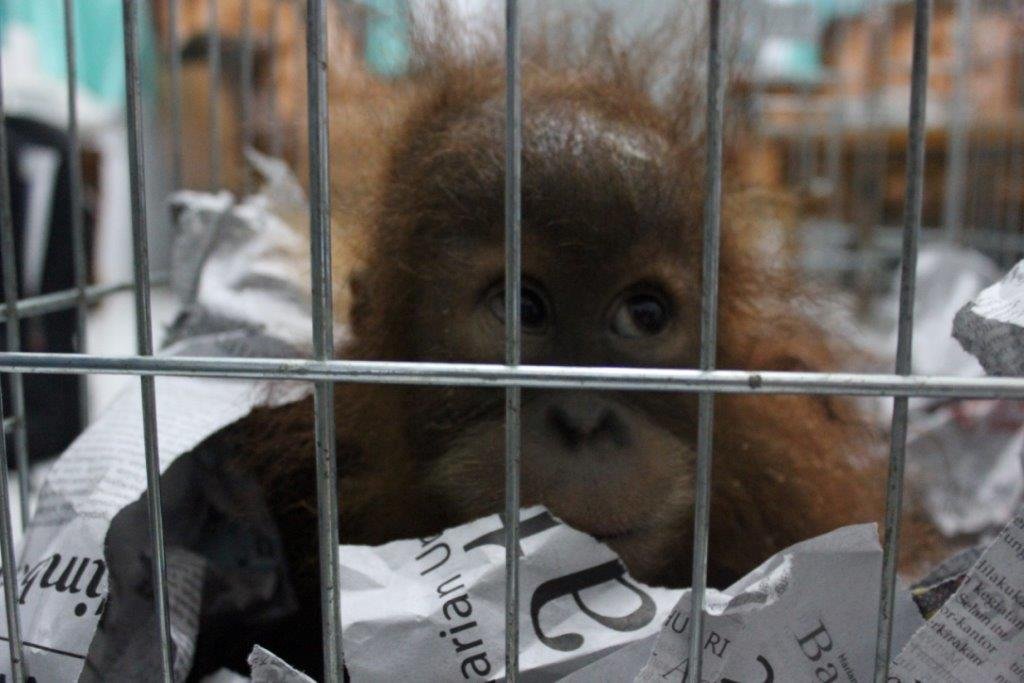
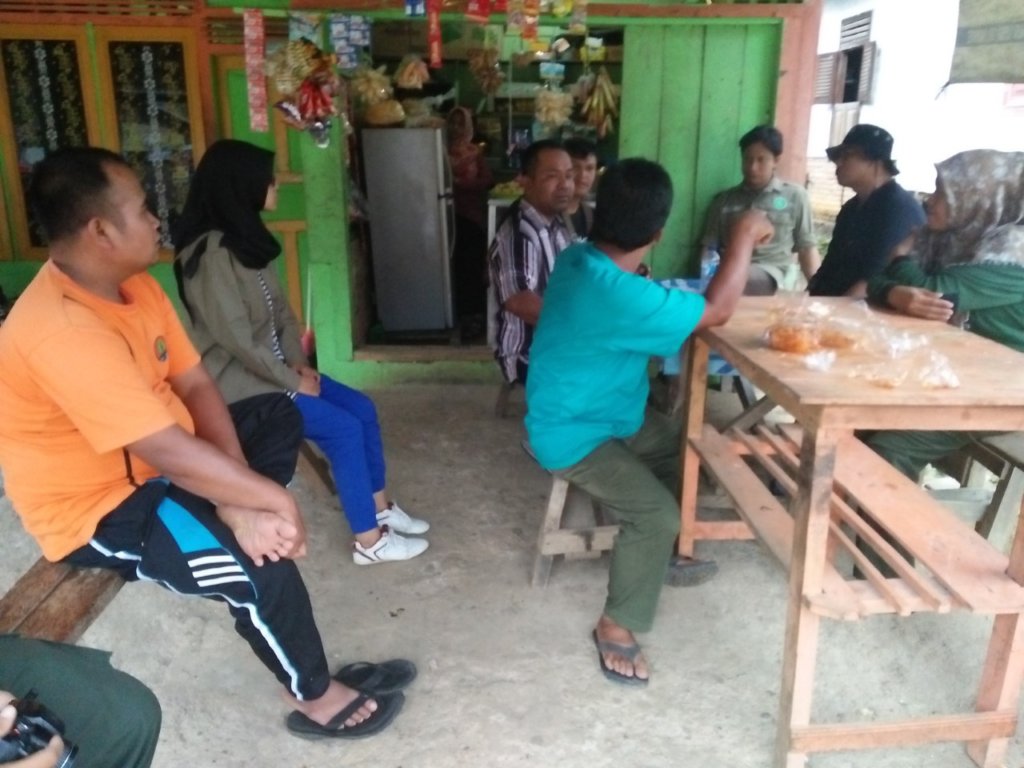
Over the Easter weekend our Wildlife team went out and visited local communities living close to the Batang Gadis National Park. The purpose of these regular visits are to create community awareness surrounding illegally poached and kept wildlife which are commonly taken from the national parks. The team provides education through informative talks on the importance of an intact and healthy forest as well as healthy populations of wildlife. In turn village members notify SRI of any where abouts of trafficked wildlife known in the area through word of mouth. This outreach initiative strengthens our symbiotic working relationship with the people living locally, opens up communication on these issues and builds trust and repore to progress our projects in the future.
From everyone here at Sumatra Rainforest Institute (animals and humans), Thankyou!!
Project reports on GlobalGiving are posted directly to globalgiving.org by Project Leaders as they are completed, generally every 3-4 months. To protect the integrity of these documents, GlobalGiving does not alter them; therefore you may find some language or formatting issues.
If you donate to this project or have donated to this project, you can receive an email when this project posts a report. You can also subscribe for reports without donating.