By Greg Hill | Project Co-Leader
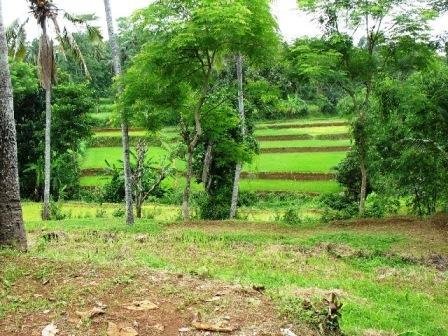
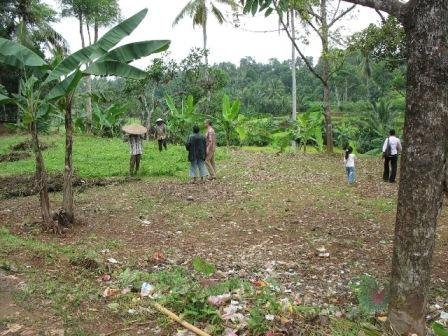
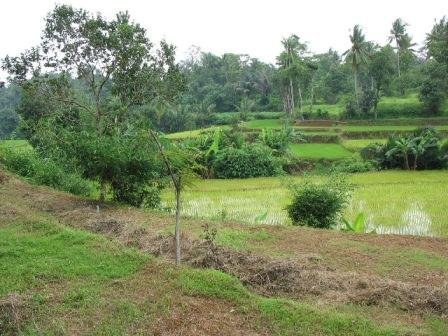
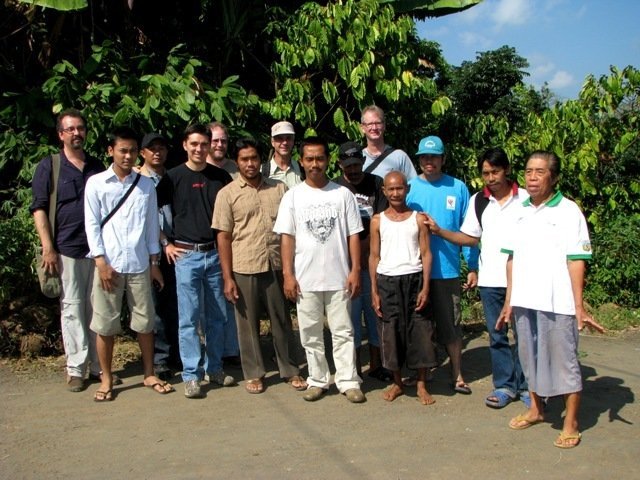
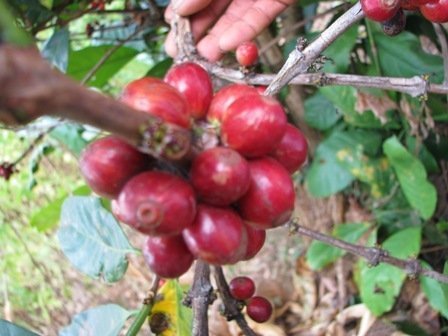
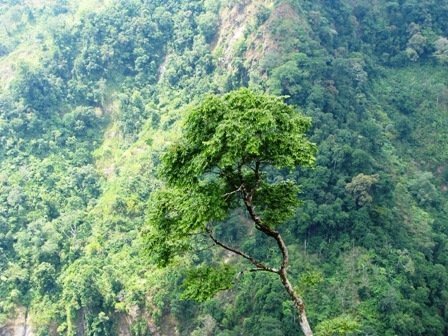
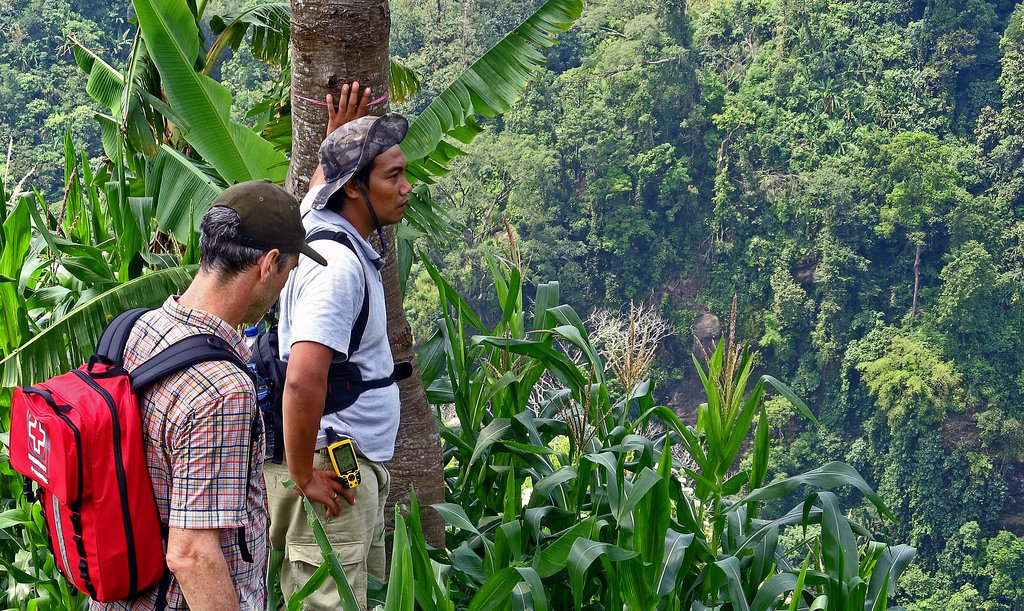
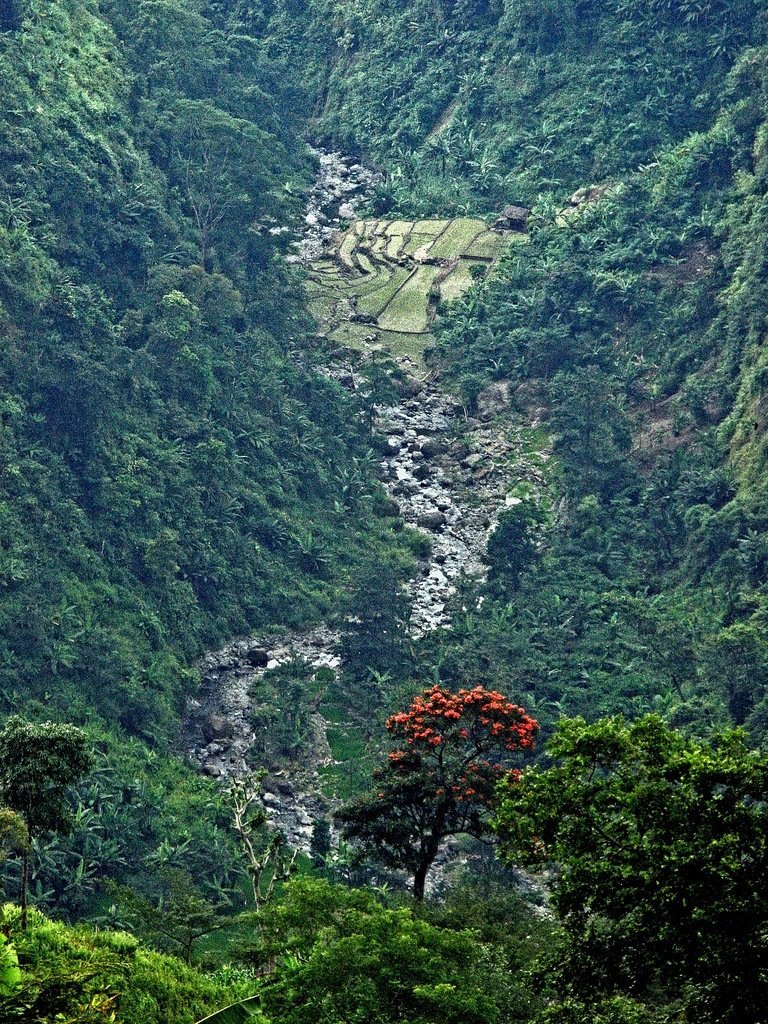
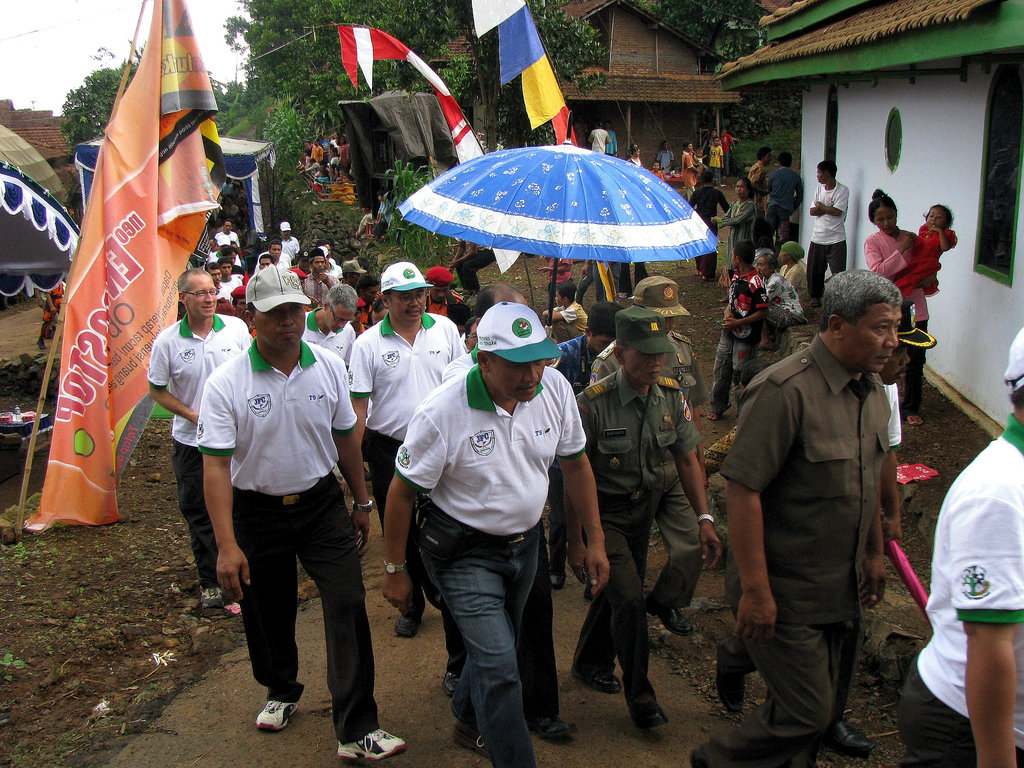
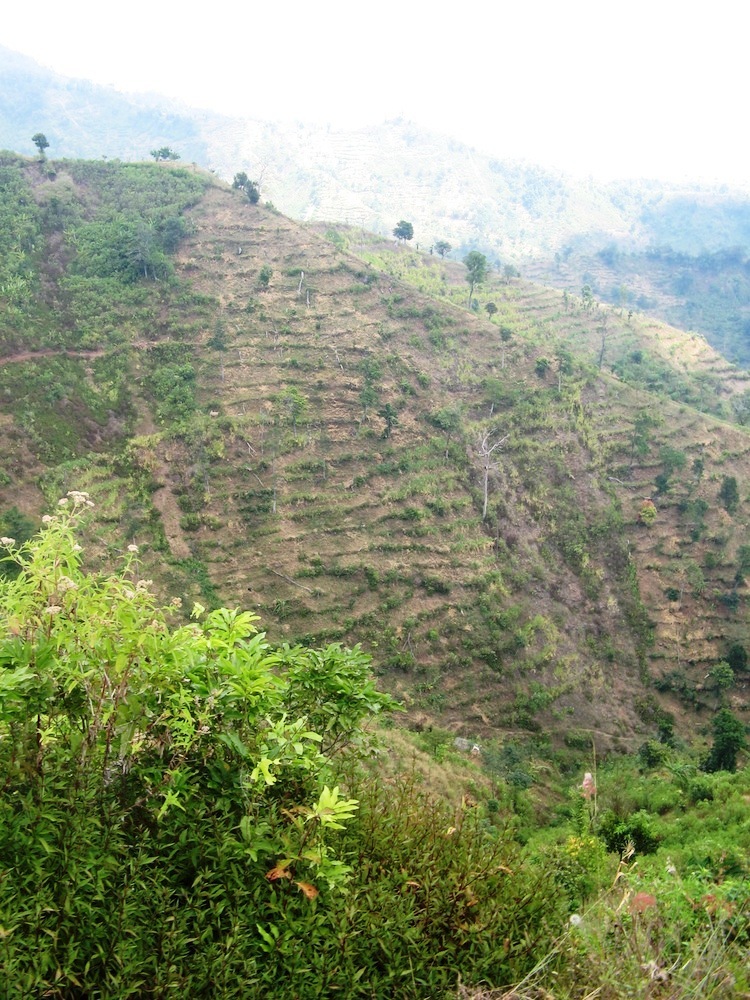
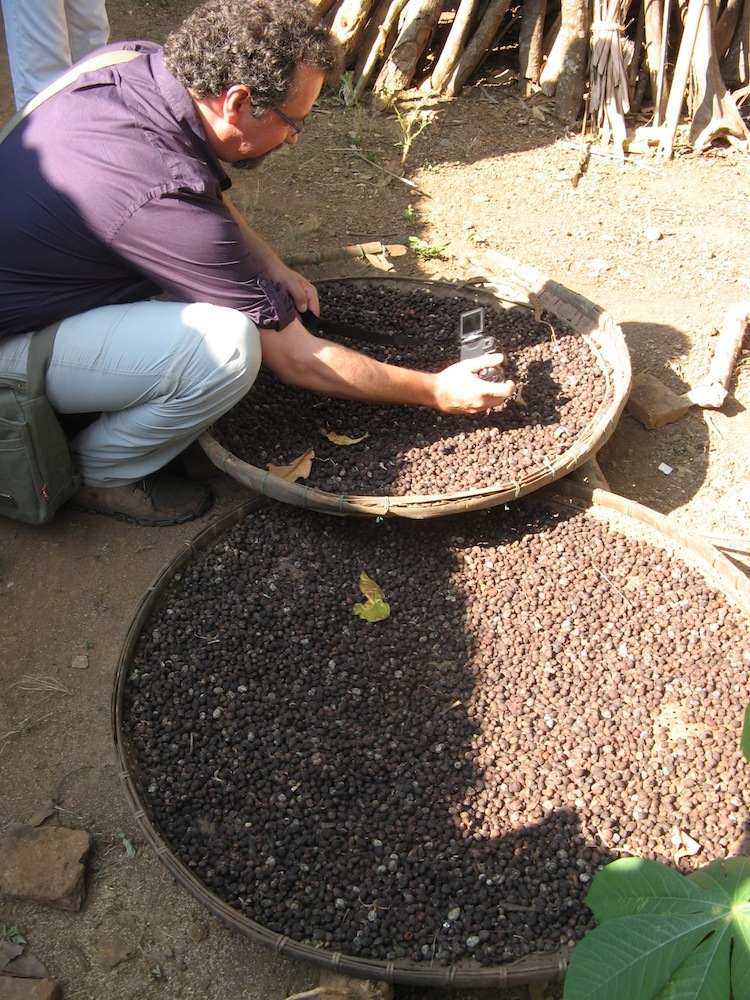
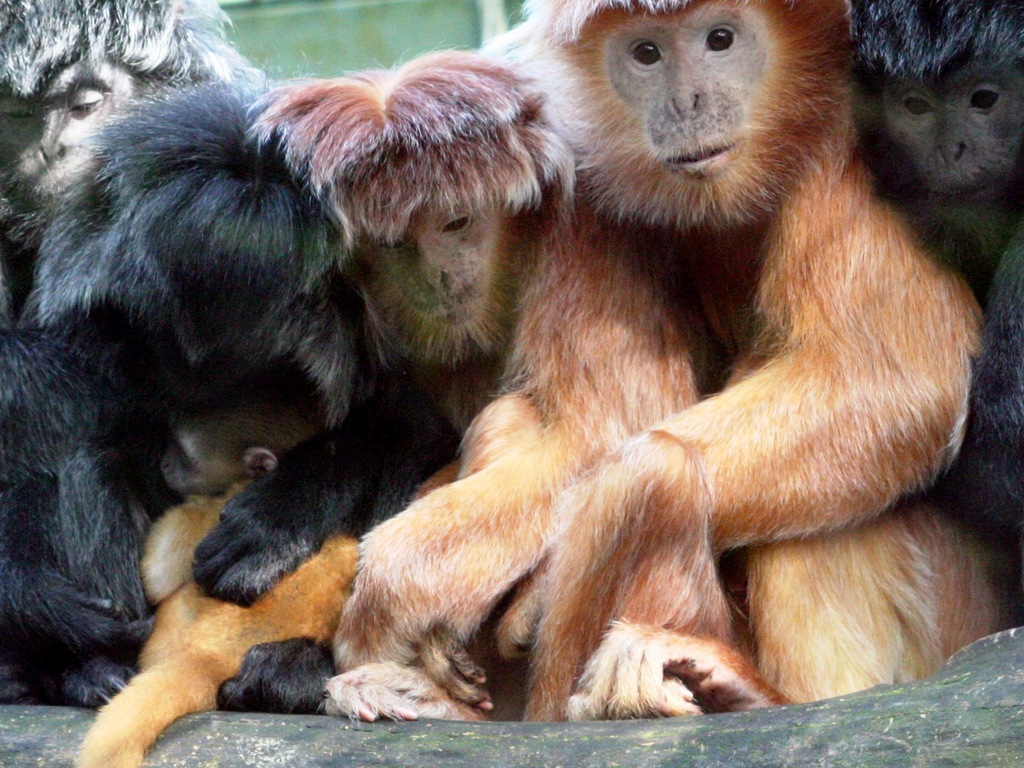
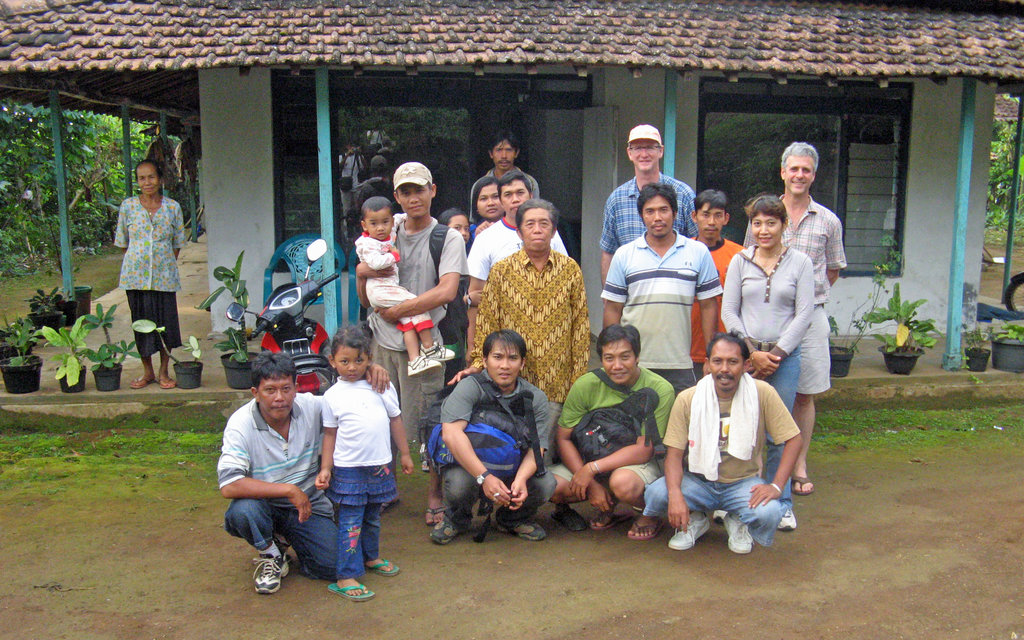
We have taken the first steps in developing a biologically diverse coffee forest on the degraded slopes of Mt. Muria above Kunir village. We recently brought a renowned expert on community-based coffee production to Kunir for meetings with our team and community members. What an education we got! We were very happy to learn that our site is indeed a good candidate for growing arabica coffee – the premium coffee bean that can contribute to sustainable livelihoods for the residents of Kunir village. Premium coffee requires a shade-grown environment – something in short supply on the degraded mountain above Kunir village. By planting local species of shade tree and plants between the coffee seedlings we will be able to grow first-rate coffee while establishing the foundation of a broader ecological restoration on Mt. Muria. We have identified a 50 hectare section of the Jepara Forest Conservancy site that is best for coffee production. On this steepest part of the site, the first action will be to employ local residents to construct terraces stabilizing steep slopes in grave danger of losing their remaining top soil. This area borders more intact sections of forest higher on Mt. Muria. In these intact patches of forest we have found a healthy population of an endangered primate, the ebony langur, or lutung in the local language. By consulting with primatologists we’ve determined that these primates are not attracted to coffee, and indeed our project will form a buffer zone helping to protect the lutung from human interference. The lutung also features prominently in an important legend in Java, the Lutung Kasarung. In this legend, the lutung is described as a magical creature who can talk with humans. Children in Java are familiar with this story, so having these primates adjacent to our site is a terrific resource for environmental education. We’re very excited about these recent developments. This coffee strategy, which we are calling “Restoration Coffee”, promises to provide an economically sustainable way to achieve our goals of building sustainable livelihoods while promoting ecological restoration and promoting the transmission of cultural and ecological knowledge to the next generation.
Project reports on GlobalGiving are posted directly to globalgiving.org by Project Leaders as they are completed, generally every 3-4 months. To protect the integrity of these documents, GlobalGiving does not alter them; therefore you may find some language or formatting issues.
If you donate to this project or have donated to this project, you can receive an email when this project posts a report. You can also subscribe for reports without donating.