By Tim O'Brien | Project Partner
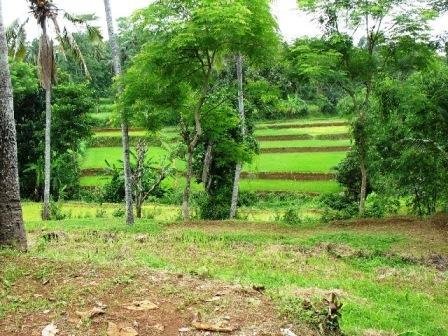
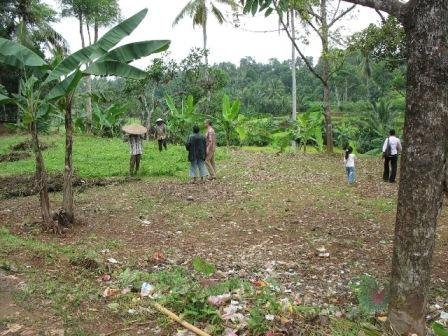
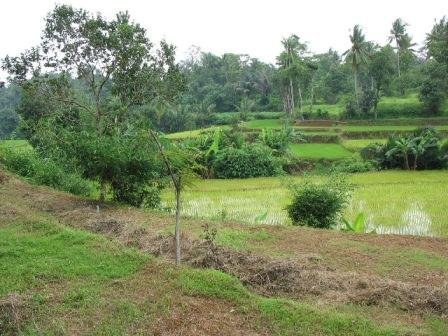
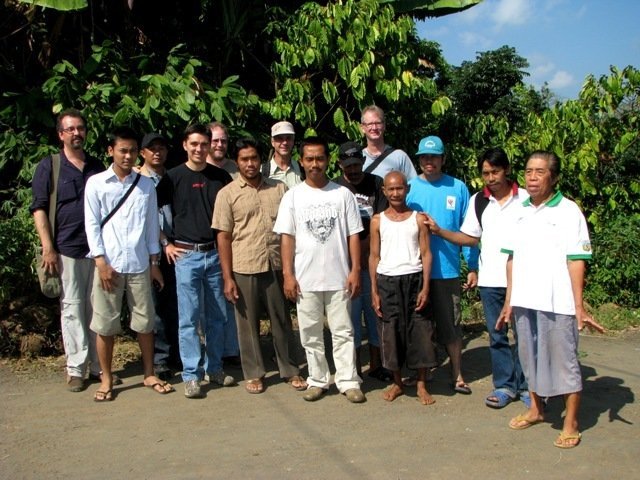
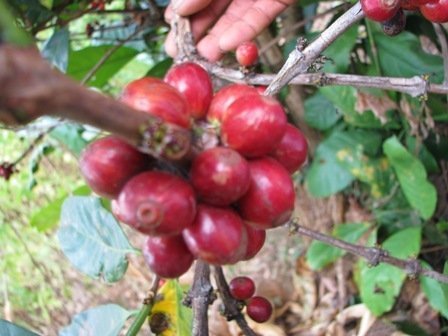
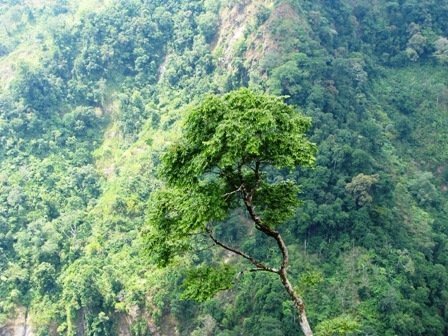
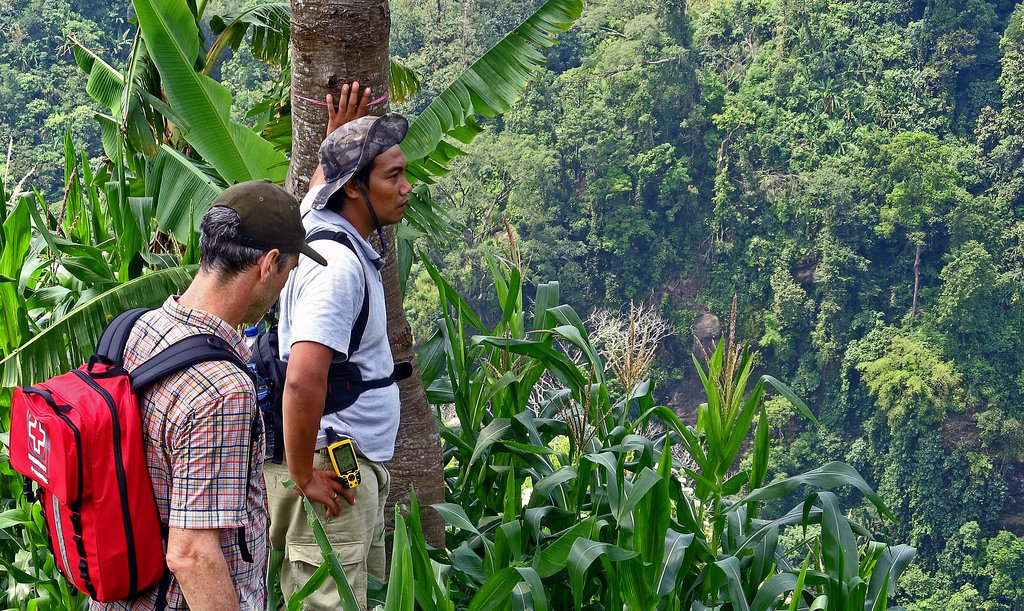
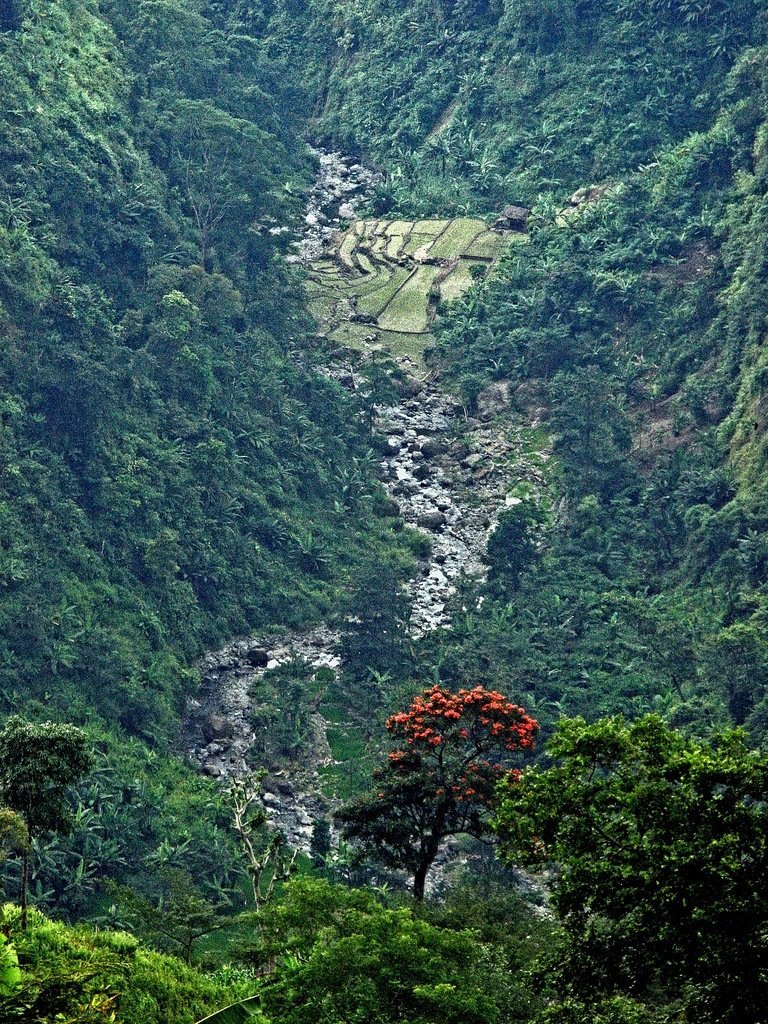
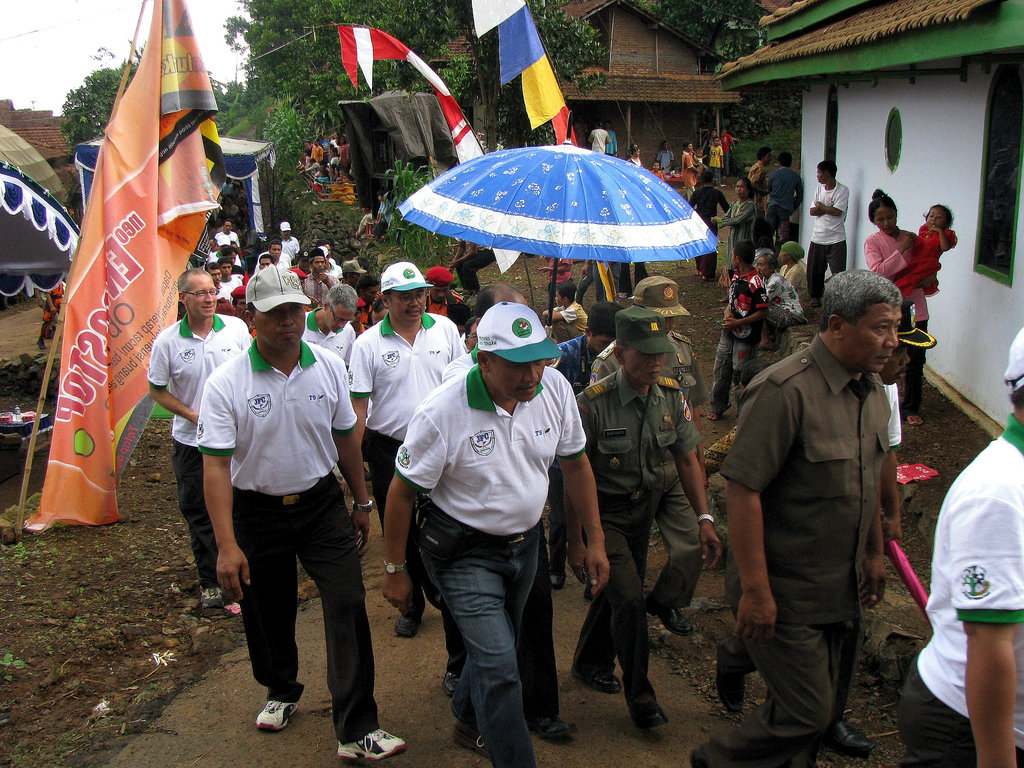
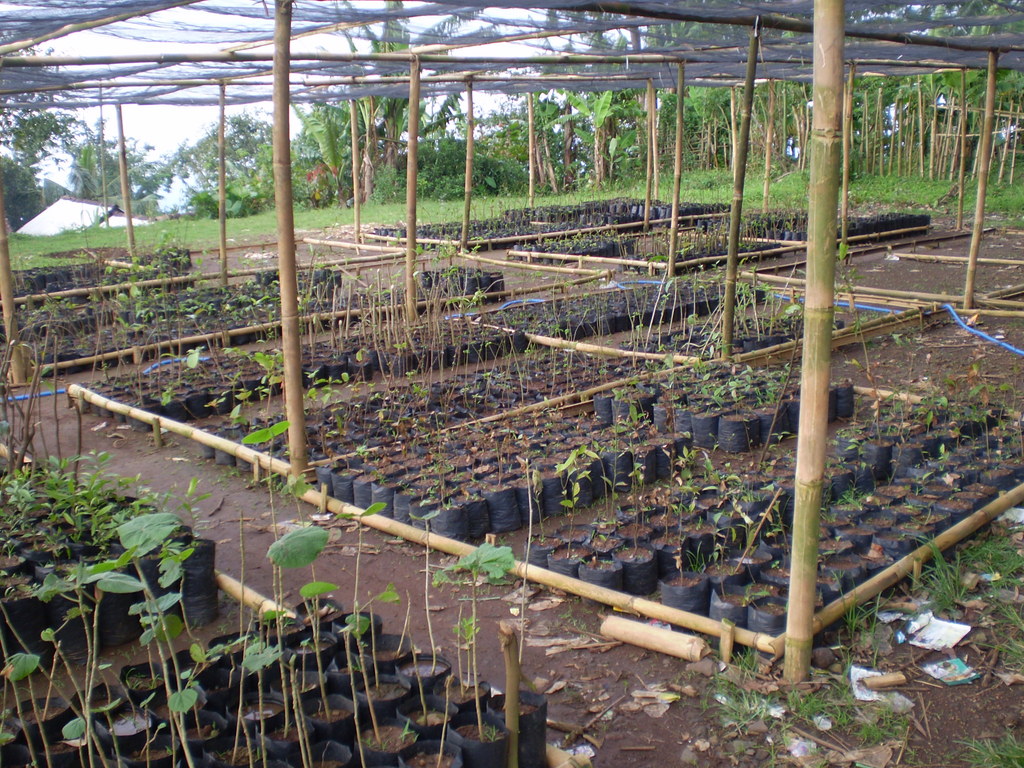
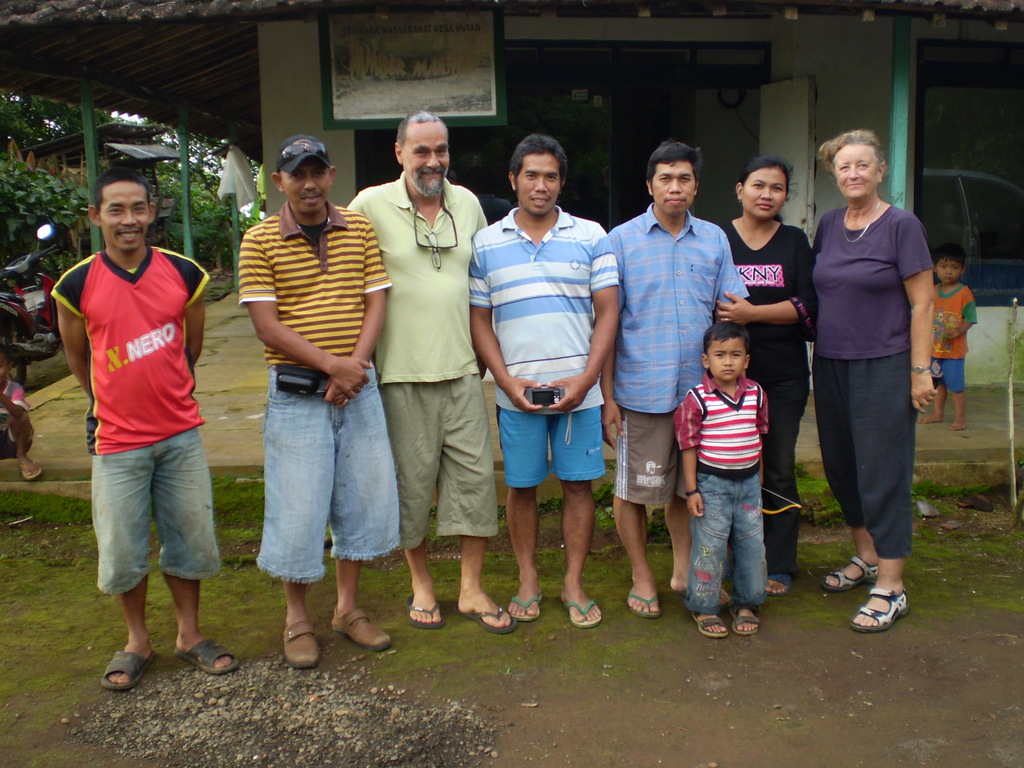
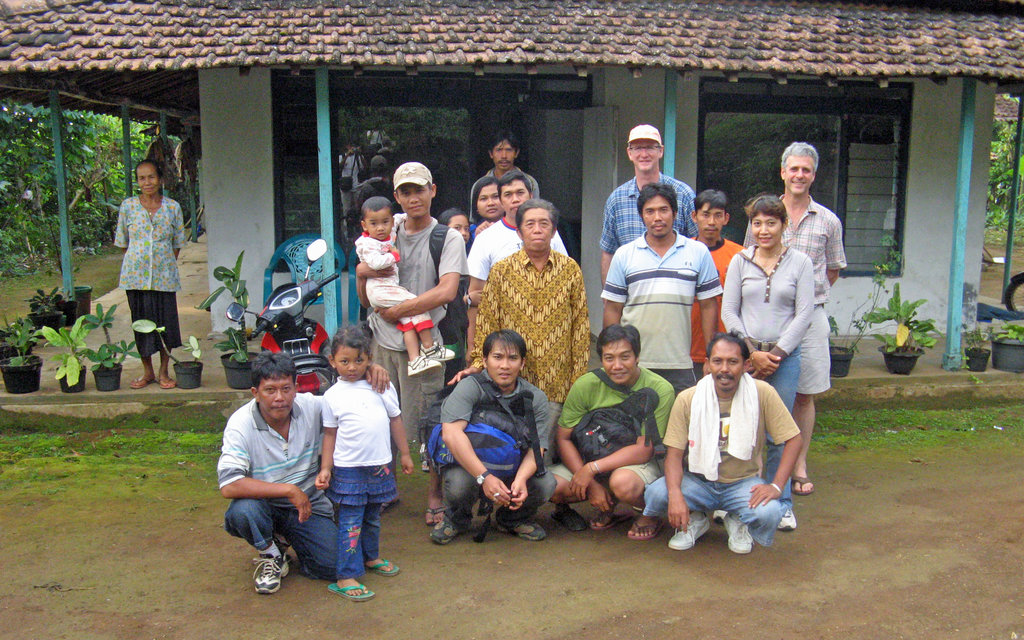
In March, Tim O’Brien, the founder of Tropical Salvage and a facilitator for the Jepara Forest Conservancy, visited Jepara and the JFC forest restoration site on Mount Muria. JFC leaders, Sabtono and Paisan, are currently focused on coordinating two projects. One is creating a native plant and tree nursery in their village, Kunir, which is located near the JFC restoration site. Previously, they acquired tree seedlings to reforest the restoration site from a nursery controlled by Perum Perhutani, the government forestry company that administrates most of the forest land in Java. The majority of seedlings at the government nursery are not native species. They are mainly “productive species” such as sengon and acacia, which are favored for their applications in the pulp and paper industries, or rubber and durian seedlings. In other words, the government nursery provides capacity to create mono-crop plantations that depend on and assist in fueling commodity agricultural markets. Using land to preserve or restore a traditional ecological profile is not a common practice in Java, the world’s most populous island. The Jepara Forest Conservancy believes an adjustment to this perspective on land use is vital to enable a future for the local community that offers food security, cultural integrity and routine access to clean water. JFC seeks to establish a forest garden, or “analog forest” whose biodiversity will provide traditional foods and medicines to local communities, as well as provide micro-habitats for various native fauna. The forest will also protect the watershed, stabilize soil on Mount Muria’s steep slopes and store carbon. The forest’s understory can include a range of productive species to sell in local and export markets such as spices, coffee, bamboo and fruits.
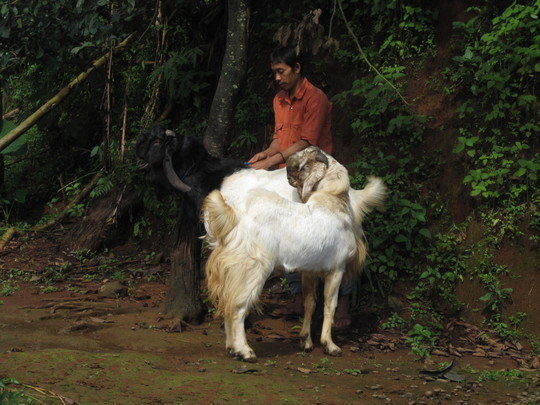
The JFC’s other current focus is choosing from its herd of etawa goats individuals to sell at a goat market that will occur in April. Over two and a half years the herd has grown from thirty-one to sixty-four. Kunir residents who undertook to participate in raising goats will begin in April to realize a return on their investment of time and labor.
Project reports on GlobalGiving are posted directly to globalgiving.org by Project Leaders as they are completed, generally every 3-4 months. To protect the integrity of these documents, GlobalGiving does not alter them; therefore you may find some language or formatting issues.
If you donate to this project or have donated to this project, you can receive an email when this project posts a report. You can also subscribe for reports without donating.