By Tim O'Brien | Project Partner
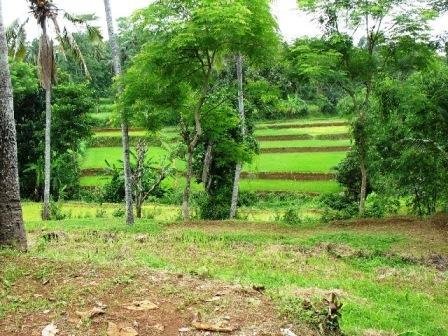
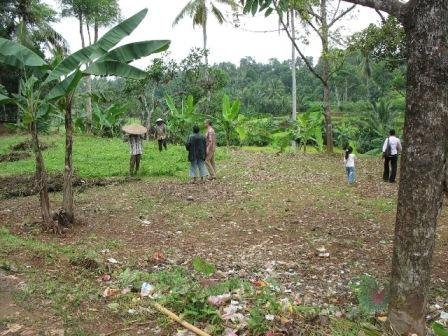
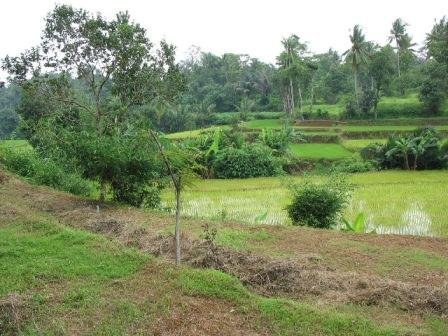
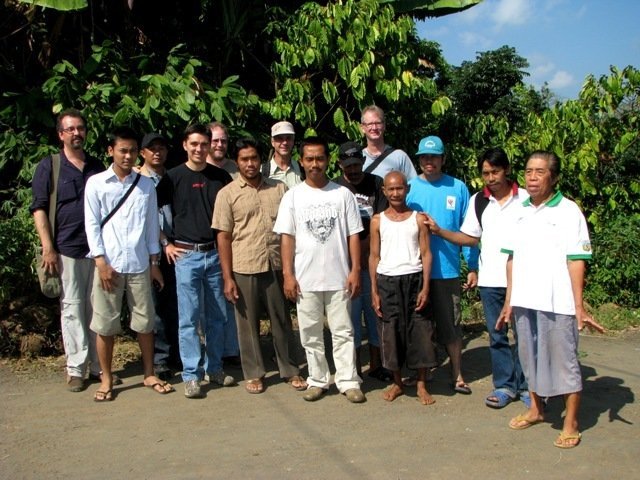
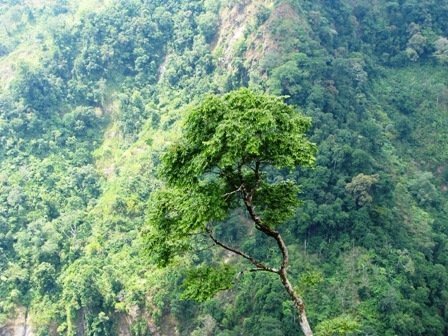
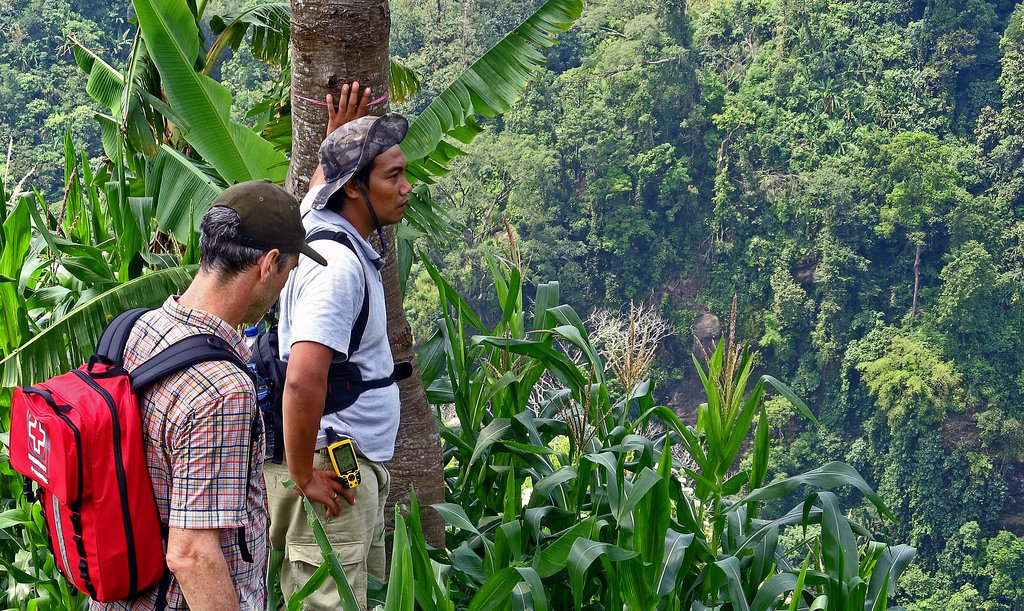
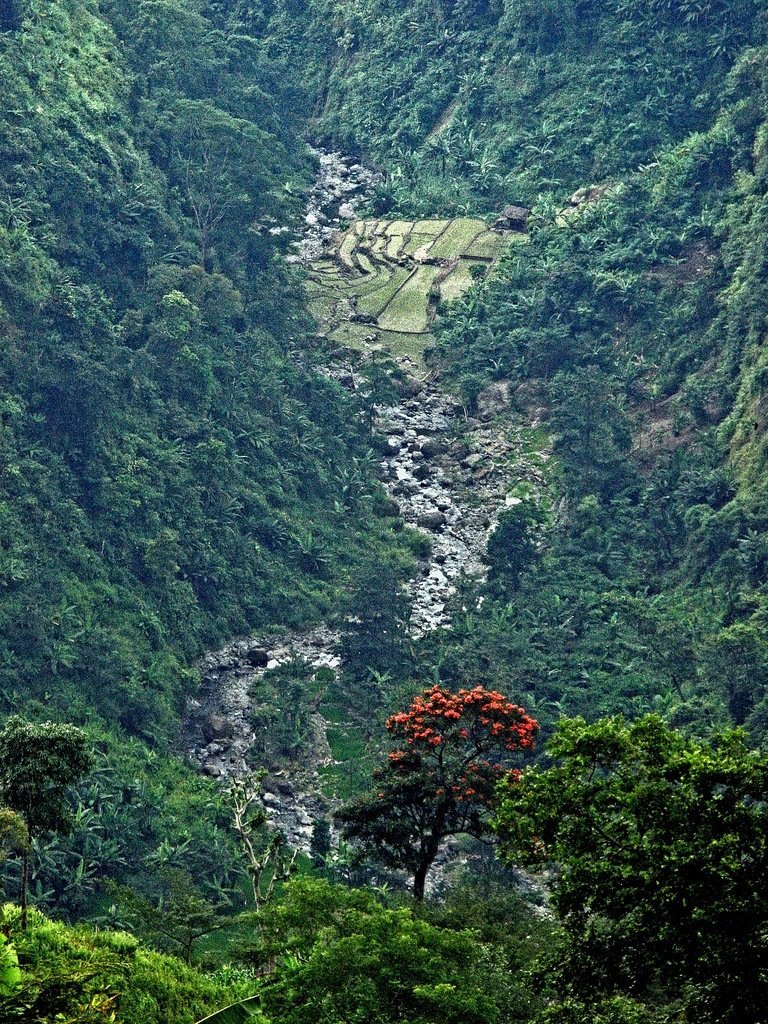
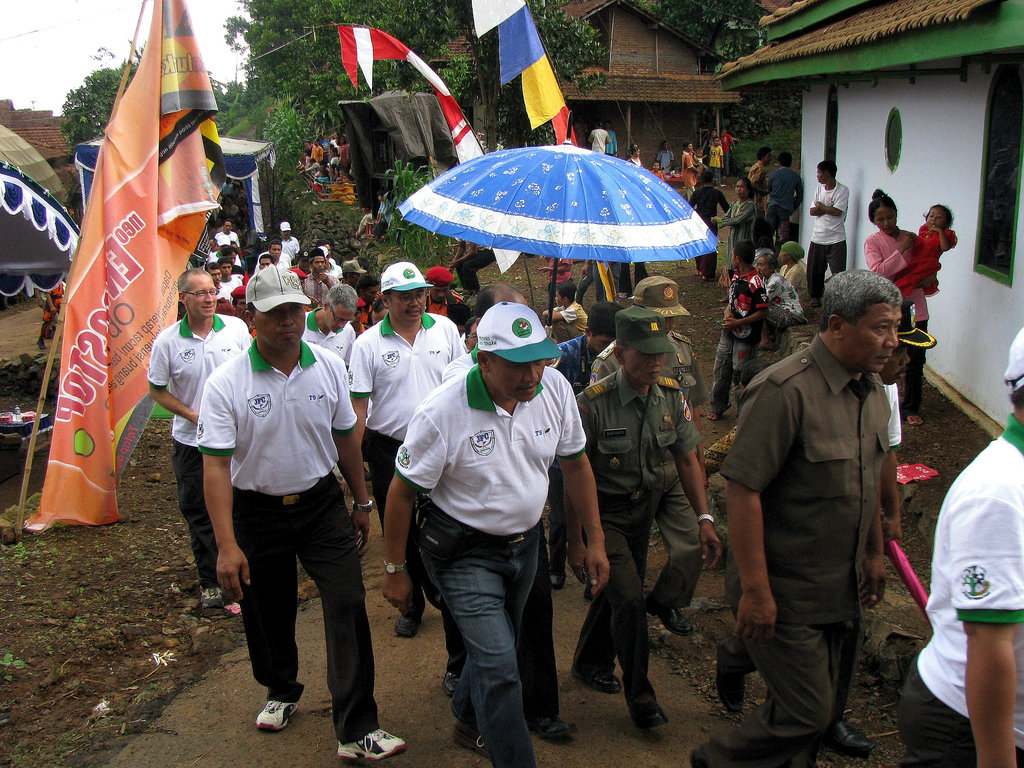
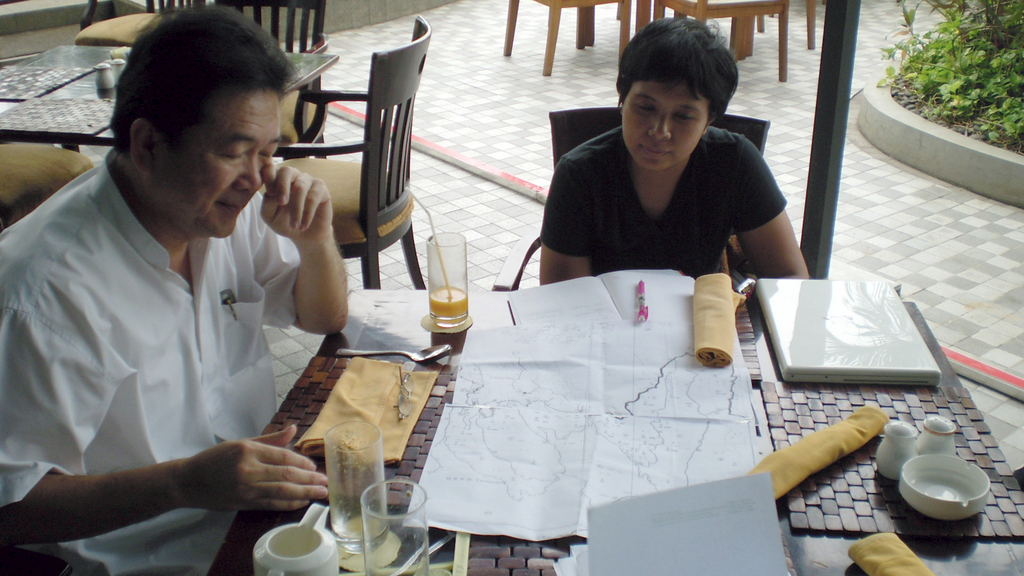
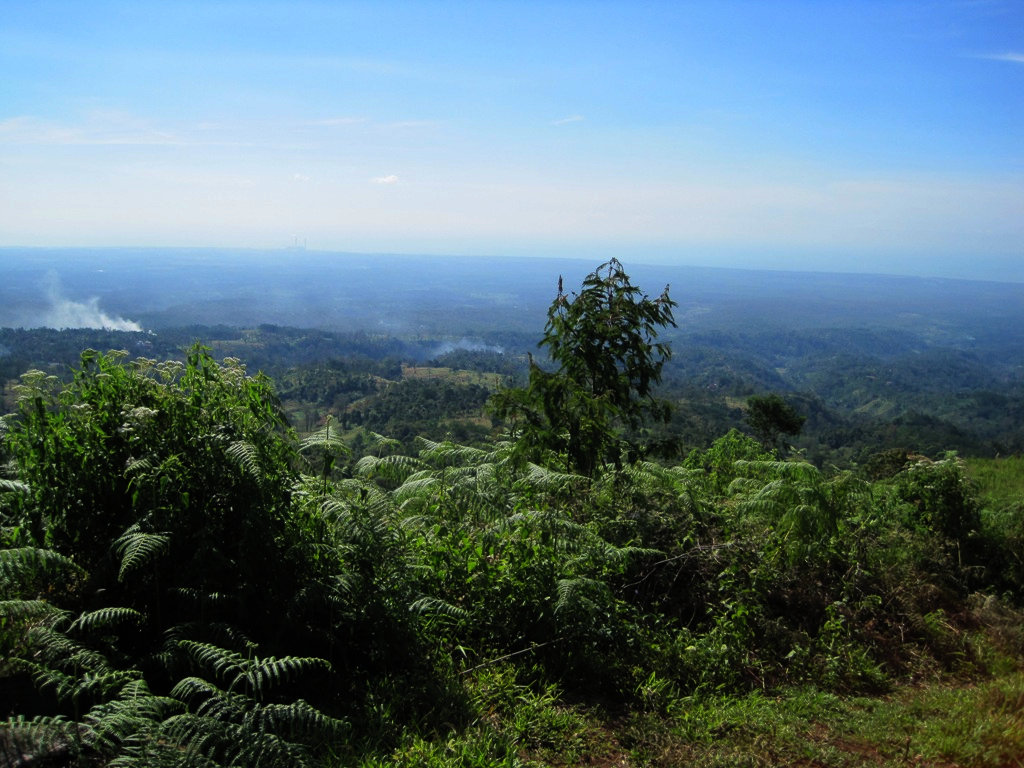
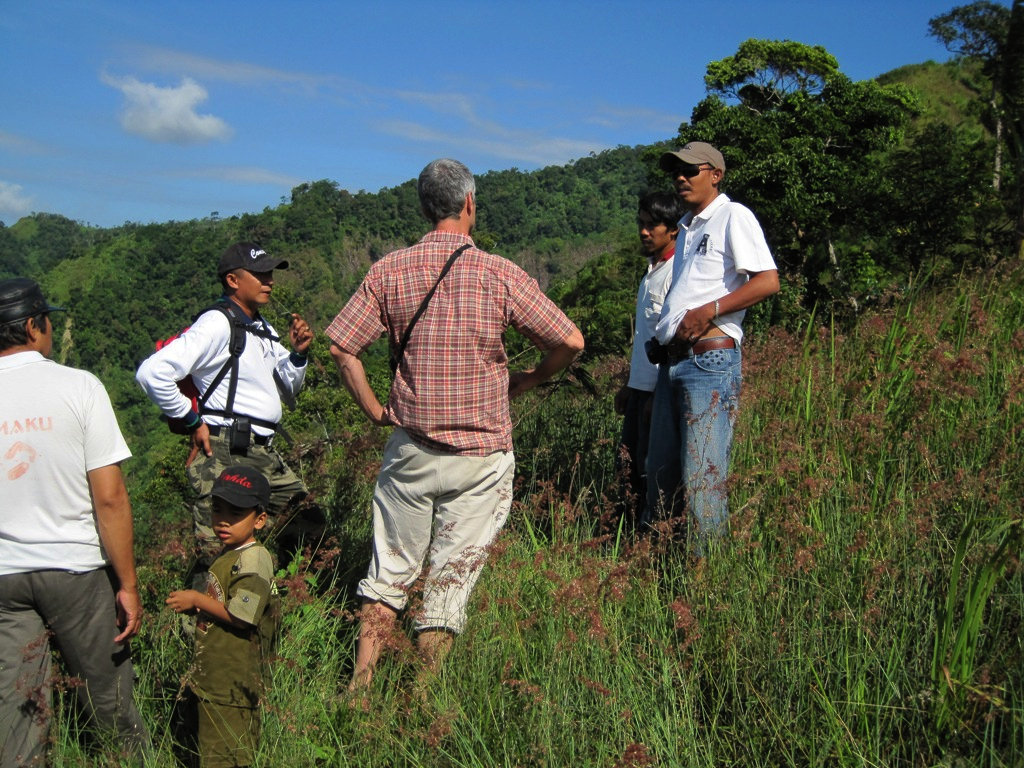
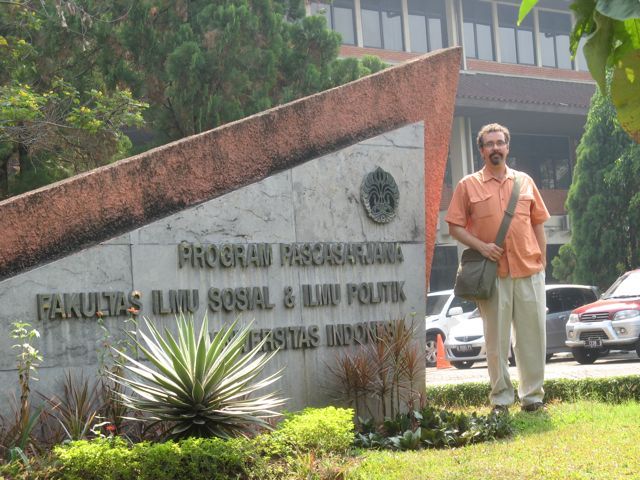
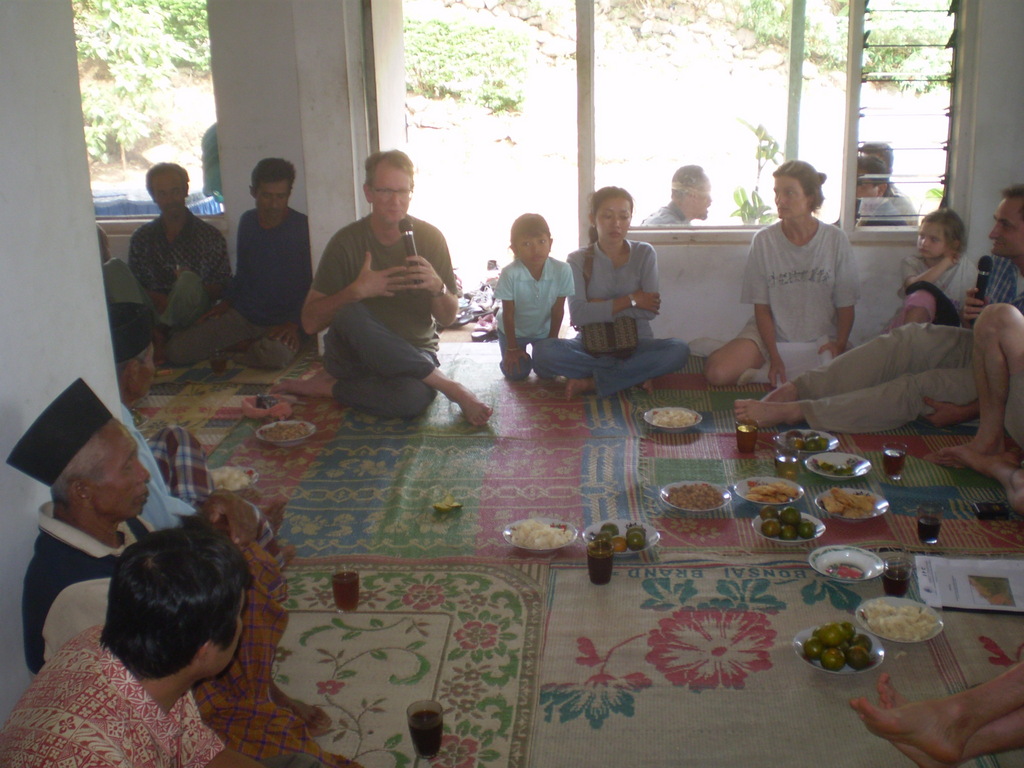
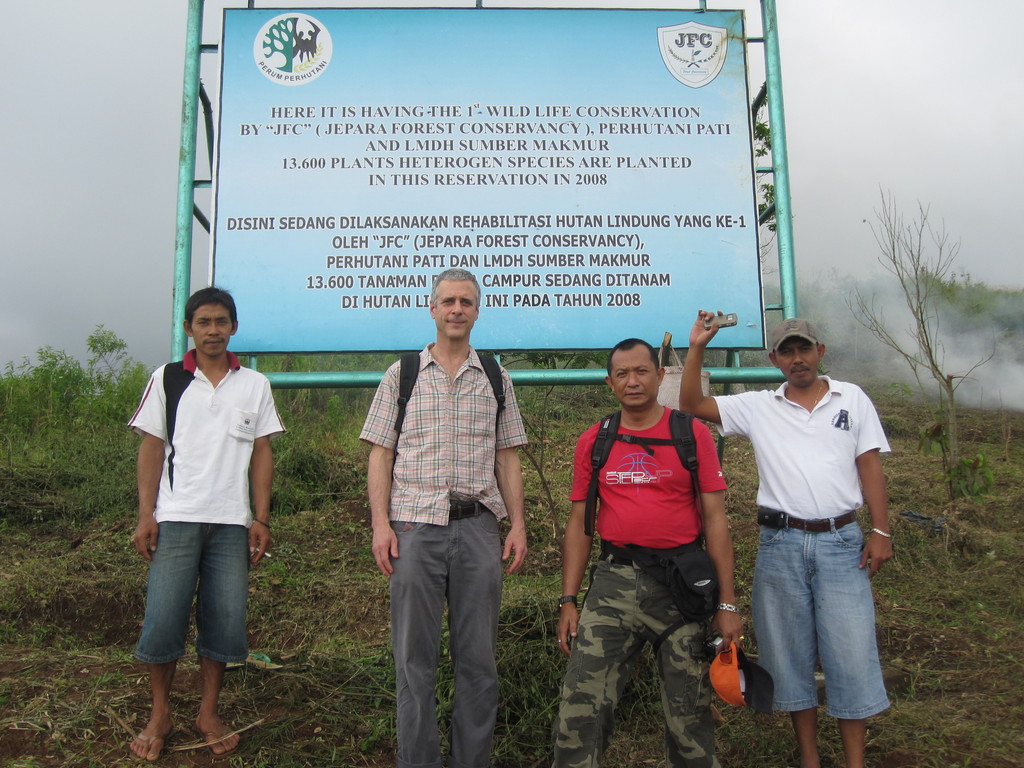
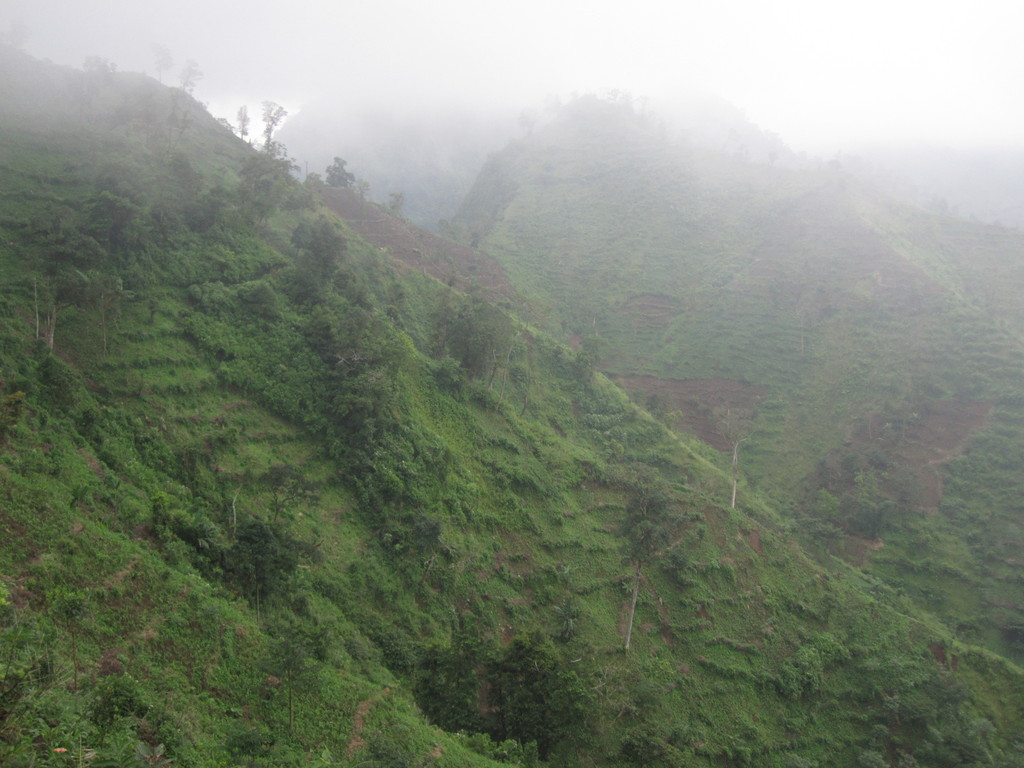
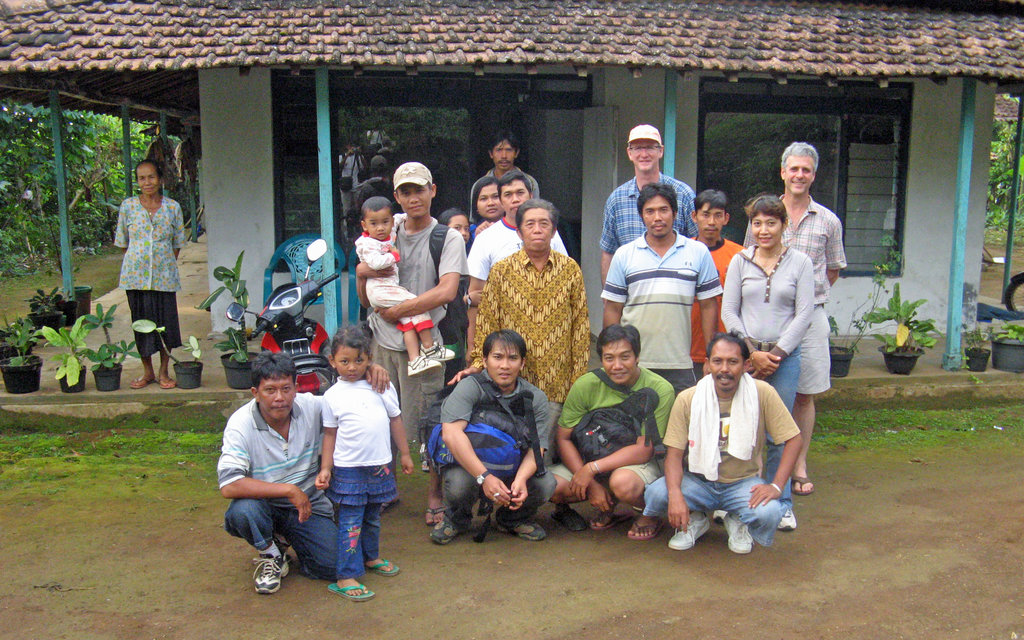
In Februry, 2010, the Institute For Culture and Ecology enlisted Dr. Iwan Tjitradjaja, chair of the anthropology department at the University of Indonesia, to conduct a social-cultural survey among the people who live in Kunir, a village located at the edge of the Jepara Forest Conservancy forest restoration project whose community the project is designed to directly benefit. The survey was structured to learn the community’s traditional practices and current needs and aspirations so that projects initiated by the Jepara Forest Conservancy might smoothly and efficiently engage and integrate with the community. Since the survey was initiated, Dr. Tjitradjaja has visited the JFC site several times and a colleague, Kartika Pamungkas (Tika), has spent nearly a month living in Kunir, getting to know its people and observing their routines. Through the survey, which is on-going, Dr. Tjitradjaja and Tika have learned a great deal about Kunir. They learned that a strong tradition of practicing gamelan music existed until recently, when challenging economic pressures forced most of the people who owned gamelan instruments to sell them. Traditions of Wayang kulit (shadow puppet) performances and studying and practicing pensilat (an Indonesian martial art) were strong until recent years – perhaps losing favor among a younger generation whose attention is increasingly drawn to the ever-multiplying attractions and distractions of a wired world. Additionally, Dr. Tjitradjaja and Tika have learned many details about how the community’s historically abundant forest resources became degraded. For generations, surrounding primary forests provided the community with important sustainable food and medicinal products, as well as sustainable raw materials for construction and fabrication purposes. Also importantly, for generations the forest’s biological diversity offered a rich tableau of experiences that nourished strong cultural identification. When former president Suharto lost power in 1998, many communities reacted to his thirty-two year iron-fisted reign with anarchic autonomy. One expression of this country-wide, social-economic convulsion was a sharp surge in theft of Indonesia’s mature forests to sell their wood, below established market values, for fast cash. Forests that were protected by legal mandate went up for grabs. Much of Mount Muria’s forestlands, including the area where the JFC site is located, were targets of this misguided exploitation. Today, then, the need among Mount Muria’s communities, and the guiding theme of the Jepara Forest Conservancy’s work, is market-oriented restoration, or restoration development. Dr. Tjitradjaja’s and Tika’s work has proved extremely important in clarifying and strengthening communication between the Jepara Forest Conservancy, the site community and Perum Perhutani, the state-owned forestry company of Indonesia. They have clearly communicated to the site community and Perum Perhutani details of on-going and planned JFC restoration development projects. As Perum Perhutani is a critically important partner in the project's development, Dr. T and Tika have opened the door widely to cooperation. JFC’s success will be Perum Perhutani’s success - adding positively to PP’s reputation and establishing sustainable, ecologically-viable tax revenue streams. Dr Tjitradjaja’s and Tika’s work has also been very effective in emphasizing to people living in Kunir that they are the paramount stakeholder in all JFC work, that their needs and aspirations are a principal driver and navigator in shaping JFC projects. Dr. Tjitradjaja and Tika have observed broad-based support and enthusiasm in the site community for the Jepara Forest Conservancy, as well as broad-based need for its projects. In fact, their survey work assesses it is very appropriate to expand the restoration project boundaries from 36 hectares to 700 hectares in order for the broader Mount Muria community to participate in and benefit from restoration development projects. Furthermore, expansion of forest restoration boundaries will allow the establishment of a Heritage Species Forest Park that is large enough to benefit from a set of government support mechanisms and funding streams accorded to Indonesian forest conservation and restoration sites whose size exceeds 200 hectares. JFC’s current site of 36 hectares is part of a larger 700 hectare area of officially recognized “Protected Forest.” The legal Protected Forest status of the land has not been rigorously supported and today government does not possess the financial capacity to restore the land. The logic of expanding the JFC site to 700 hectares derives from this circumstance and, also, from a belief that the way forward to restorative, sustainable and productive land-use is a collaborative one that combines the needs of a community with administrative support and policy guidance of government, scientific expertise sourced from academia, seed-funding from NGOs and market networks availed by business. In collaboration, then, Dr. Tjitradjaja, Dr. Greg Hill, Dr. Eric Jones and Tim O’Brien are in the process of creating a document that proposes this expansion. Dr. Tjitradjaja will present the proposal to the Director of the Indonesian Department of Forests. Current Status of On-going Jepara Forest Conservancy projects. 1) JFC will continue planting trees at the end of November, the beginning of Central Java’s rainy season. Plantings will coordinate with a map of the Heritage Species Forest Park. They will emphasize tree species native to Central Java, some of which yield products for traditional local use. Dr. Tjitradjaja suggested that the local school might participate in a heritage species seed-collection contest sponsored by JFC.
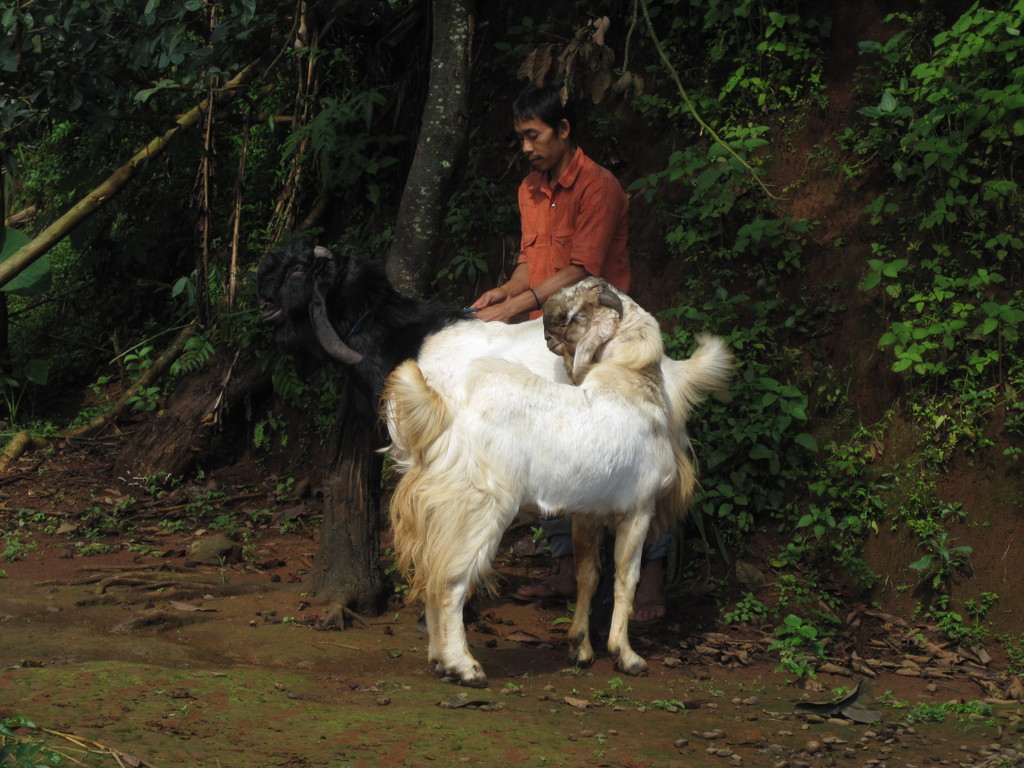
2) Kunir’s herd of etawah goats has increased, through successful breeding, to 52 – from an original herd of 32. (Two goats have died.) Their diet consists of leaves and grasses that grow naturally and are plentiful around the village. Agus Rofiqkoh, a JFC founder and administrator, has contracted two specialists in breeding and managing etawah goats, Pak Abdulah Piadi and Pak Mialah, to assist and advise goat-owners living in Kunir. Pak Dul and Pak Mialah visit Kunir once a month. Their work includes demonstrations on how to milk etawah goats and how to safely use and store their milk. Pak Agus projects that Kunir goat-owners will begin milking their herd in March or April, 2011. Presently, the price of etawah goat milk fetches a price in the marketplace nearly three times higher than the price of cow’s milk. JFC envisions increasing the goat herd, involving other villages in the project, and establishing a milk collection depot and cheese production facility.
3) Dr. Tjitradjaja and Tika continue their work surveying Kunir’s social and cultural profiles and providing a clear voice to the community for JFC’s project objectives. If the Heritage Species Forest Park receives permission to expand its size to 700 hectares, it will be extremely important that Dr. T’s and Tika’s survey work be expanded to include work in Sumanding, a village located at the edge of the proposed expanded Forest Park.
4) Assisted by Dr. Tjitradjaja and Tika, a biogas development project was initiated by Sabtono, the only teacher working in Kunir’s small grade school, and the Director of LMDH’s (Foundation for Forest Villages) chapter in Kunir. More than half of the 316 families living in Jian District, a part of Kunir where JFC’s work is currently focused, raise cows. The cows are commonly confined to pens in the owners’ yards. Use of cow manure for fertilizer is not common in the area, so cow waste accumulates and creates unsanitary conditions. However, cow manure can provide raw material for biogas production. Biogas technology will turn presently under-utilized cow manure into fuel for cooking stoves and electricity. Sabtono submitted a biogas development grant proposal to the Global Environment Facility Small Grant Program. He received $12,000.00 from GEF SGP.
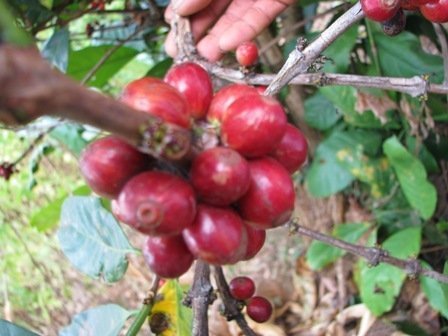
5) Dr. Greg Hill and Tim O’Brien are working to identify varieties of coffees and spices which are known to grow well in Central Java at elevations consistent with the JFC site and for which ready market demand exists in the U.S. Organic cultivation of coffee and spices is a planned part of the forest park’s understory.
6) JFC is working with Tropical Salvage to identify uses of kapok in products for export. Kapok is a fluffy cream-colored fiber found in seedpods of the randu tree (Ceiba pentandra) which grows commonly in and around the JFC site. The fiber is a mix of lignin and cellulose. It is commonly used in Indonesia as stuffing for pillows, cushions and mattresses. Tropical Salvage has used kapok to create seat cushions and occasional cushions. It plans to submit an order to cushion makers in Kunir after it has introduced product samples at The Las Vegas Market trade show in January, 2011.
7) The Institute for Culture and Ecology funded the acquisition of a solar oven and “Rocket Stove” to enable Kunir to experiment with their use. Tim O’Brien took them to Jepara during his visit to Indonesia in August, 2010. A Rocket Stove is an innovative, fuel-efficient stove design that significantly reduces smoke reduction, thereby reducing health hazards from smoke inhalation and reducing greenhouse gas emissions. Its fuel efficiency also reduces the frequency of firewood collection. Agus Rofiqkoh will discuss the stoves with Sabtono, Paisan and Perwanto, village leaders in Kunir who assess and guide JFC projects. If they judge a need and/or desire for the stoves exists among Kunir residents, then IFCAE will coordinate acquiring more of them - perhaps administering a trade of stoves for tree-plantings.
By Gregory Hill | Project Leader
By Bill Brower | GlobalGiving Field Program Officer
Project reports on GlobalGiving are posted directly to globalgiving.org by Project Leaders as they are completed, generally every 3-4 months. To protect the integrity of these documents, GlobalGiving does not alter them; therefore you may find some language or formatting issues.
If you donate to this project or have donated to this project, you can receive an email when this project posts a report. You can also subscribe for reports without donating.