Project Report
| Dec 17, 2015
News that Moves
![News that Moves]()
News that Moves
REFUGEES ON THE MOVE
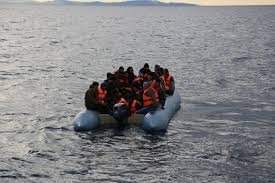
Hundreds of thousands of Syrian refugees are either already on the move or planning to leave camps in Turkey, Lebanon and Jordan; tens of thousands more are on the move from Afghanistan, Nigeria, Mali, Somalia, Libya, Iran, Iraq and other countries where war and violent extremism have killed and injured their families and destroyed their homes and livelihoods.
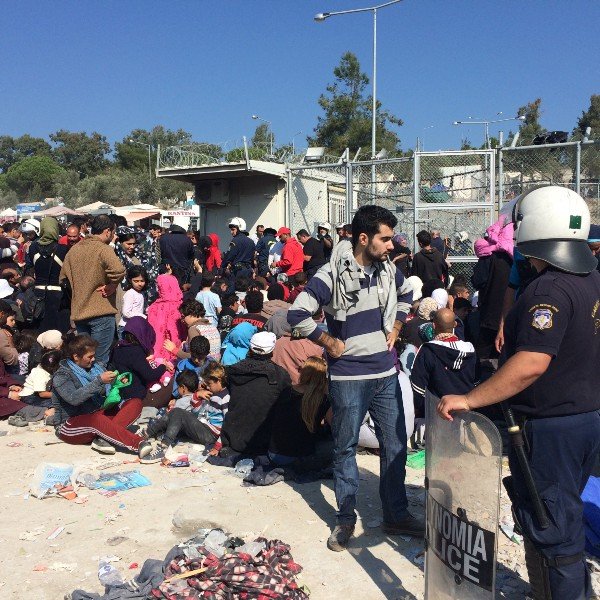
There is a clear recognition that migrant and refugee flows are now one of the defining and truly global humanitarian issues of the age. Regulation and management of human flow is enormously complicated by local, national, pan-regional political, policy and conflict dynamics.
The New Humanitarian Challenges
- Service Provision: scale, nature, location, effectiveness or sustainability of service provision cannot be easily planned or predicted for on-the-move populations
- Multiple language groups – including different host communities
- Fluctuating demographics (men, women, youth, children, LGBT and the elderly) that change according to factors as varied as the weather, policy changes or conflict dynamics theatres.
- Mobile populations are vulnerable to a huge range of protection threats and human rights abuses: human trafficking, kidnap, extortion, theft, rape and other abuses by smugglers, police, local authorities, criminal gangs and non-state actors.
- Communicating with beneficiaries is complicated by all of the above: this impacts negatively on trust relationships between humanitarians and the affected population.
- Data Gathering: as human flows are fragmented and deliberately shift over time to avoid border blockages and contact with authorities, many refugees fall through the cracks, or come into contact only with small local organizations and volunteer groups. Even where aid agencies meet refugees, many of the usual data-gathering exercises that are now standard tools and methodologies for humanitarians are being challenged to find new modes of analysis that can be meaningful for populations on the move.
Beyond Messaging - Humanitarian Information Services: Dialogue and Intelligence
There is a new and powerful factor contributing to and influencing the dynamics of this migrant crisis: The INFORMATION ECOSYSTEM.
- Information flows through new technologies and social media have a profound impact on the behaviour of people affected by crisis. This poses both challenges and opportunities for humanitarian responders.
- Quality of information that refugees receive and exchange at all stages of their journeyis playing an increasingly critical role in driving and shaping the complex humanitarian crisis
- Prevalence of mobile phones and widespread use of social media channels and apps amongst mobile populations suggests they are “well informed”. Evidence from the ground suggests otherwise: phones are being used for social but not information purposes
- Bad information circulates as swiftly as good information. Rumour, propaganda and misinformation can be powerful disruptive influences on behaviour and a threat to safety.
- Access to mobile/online is patchy: many refugees, especially those in vulnerable and marginalized groups still rely on word of mouth that can further degrade the quality of information they use to make decisions
- New technologies enable malevolent actors to engage with and refugees, increasing vulnerability to physical threat and extremist narratives – including after they arrive in Europe to find expectations not met or reality a challenge.
- New technology and social media enable nimble response from volunteers and local organizations: the humanitarian sector lags behind in this style of engagement.
Impact of information technologies on refugee flows has the potential to increase human vulnerability and disrupt the humanitarian response. Current approaches to “beneficiary communication” fall short of comprehensive information services that engage in real time information-rich dialogue with refugees.
Without new information-based tools and design models, the humanitarian sector risks being excluded from the information ecosystems that inform and drive refugee flows, and provide vital crowdsourced intelligence that can shape nimble and appropriate response, inform policy and mitigate risk.
Humanitarian Information Services for Refugees
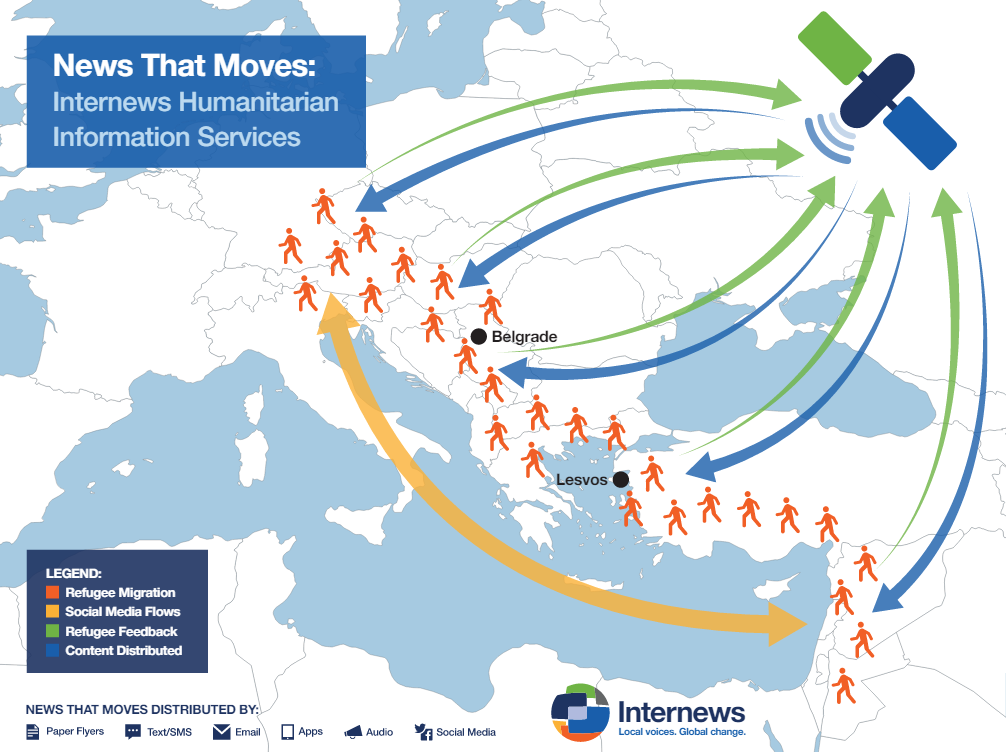
www.newsthatmoves.org is a news website updated several times a day, produced in Farsi, Arabic, English and Greek that offers detailed, verified information for Syrian refugees in camps and on the move.
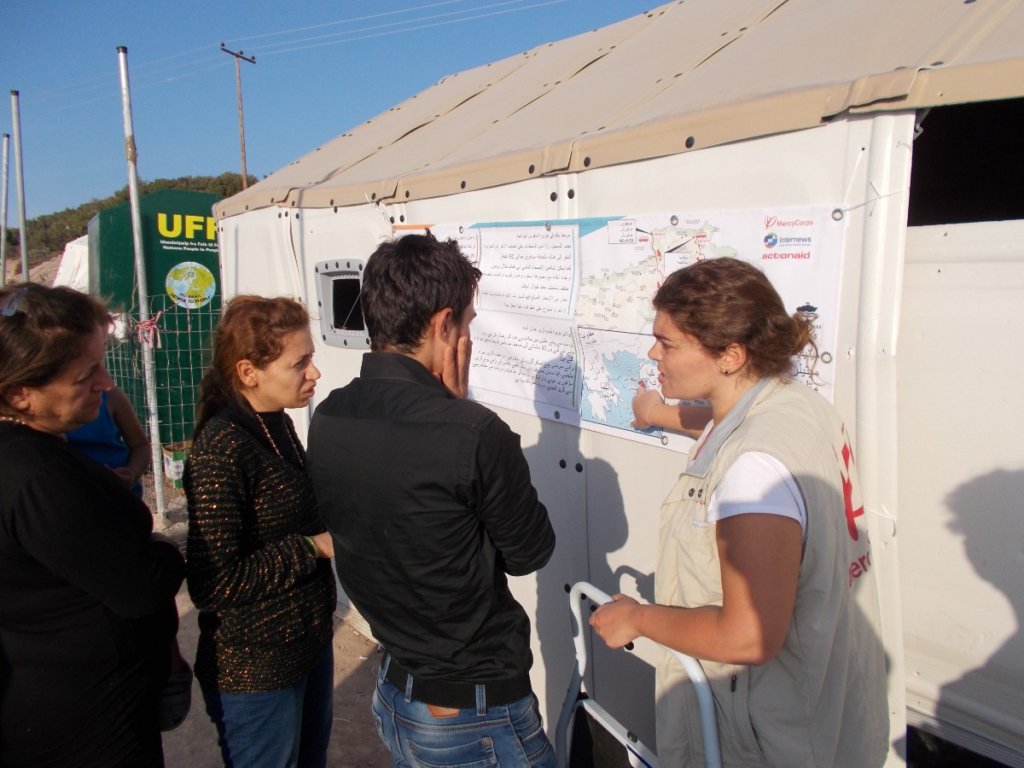
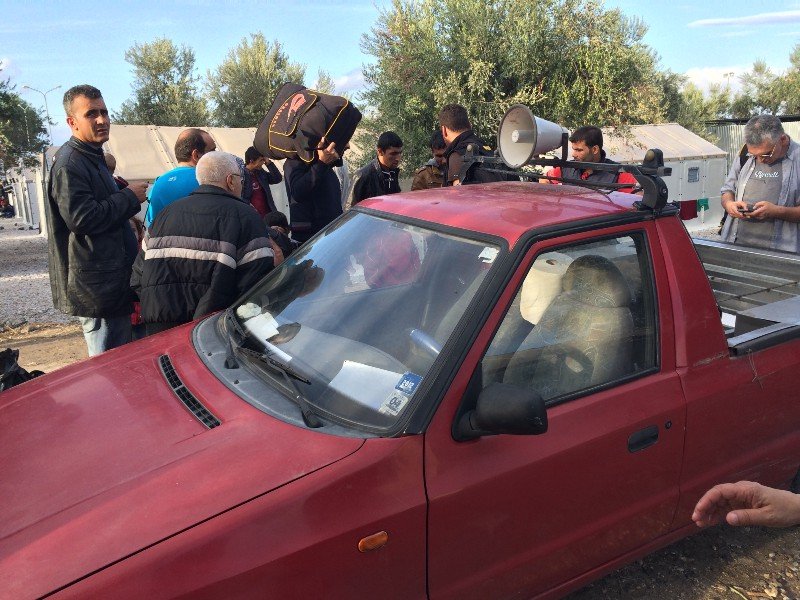
News that Moves is available online to Syrians everywhere and is pushed out widely to volunteer Facebook sites, the Google/IRC InfoAid App, cross-posted to refugee Facebook pages (tens of thousands of likes), and shared via e-newsletters to more than 100 humanitarian organizations and others serving Syrian refugees in camps and along the migration route. Links to the site, audio and print are provided at many points of contact with refugees, including transportation hubs and registration centres.
The website includes feedback mechanisms that receive refugee questions in all languages, for both fine-grained human review and larger-scale natural language processing that will allow us to identify and respond to trends and needs.
Humanitarian Information Services for Refugees
OUTCOMES AND IMPACT
- Humanitarian Impact: two-way communication with refugees enables agencies to regulate and plan service delivery more effectively and connect refugees to services, management of human flows, understanding where refugees are, where they are going and what they need, communicating to them about what is available where and what is NOT available, and managing expectations.
- Countering Narratives of Violent Extremism: trust relationships and dialogue are a powerful tool to counter extremism. NewsThatMoves can manage expectations, sustain gratitude and optimism amongst refugees, promote positive engagement with host populations and counter the disorientation and frustration that feeds extremism.
- Protection Impact: two-way communication flows empower refugees with real-time information: to plan routes, mitigate risk (extortion, trafficking, rape, gangs, smugglers, riots), and avoid bottlenecks and border standoffs.
- Human Rights Impact: NewsThatMoves informs refugees of their rights, and also has the potential to integrate secure rights reporting tools that can receive and track violations, and crowd-source trends and specific cases for closer investigation by advocates or specialists.
- Conflict Mitigation/Host Population Impact: NewsThatMoves supports connection and dialogue between refugees and host populations, both while in transit and upon final arrival
![Share on Twitter]()
![Share on Facebook]()