By Meredith Landis | GlobalGiving Volunteer
When Sethu Narayanan, project leader of CDDP, is asked about the leading principles of CDDP, he immediately references Gandhi. As a student of the Gandhi Gramin University, the only agricultural school in Chennai, Sethu learned the practices of rural development based on Gandhi’s philosophy. Simple teachings such as, “I’m not against machines, I’m against machines becoming masters,” and “I don’t want mass production, I want production by the masses,” guide Sethu’s work at CDDP. According to Sethu, a country can only develop at the rate that their villages develop. Critical to Indian development since 80% of Indians live in villages based on agricultural production.
CDDP’s mission is to identify problems facing a certain village and develop unique solutions to address those problems. CDDP had no preconceived notion of how to “fix” a village; they evaluate each village based on their specific circumstances. Evaluations are based on an integrative approach that addresses interconnectedness of health, education and economic development. Throughout the process, CDDP follows certain steps:
1) Identify health issues 2) Introduce advice 3) Educate the children 4) Educate the adults
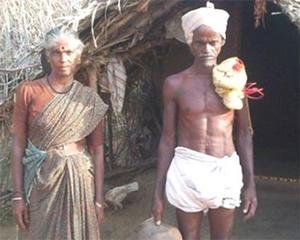
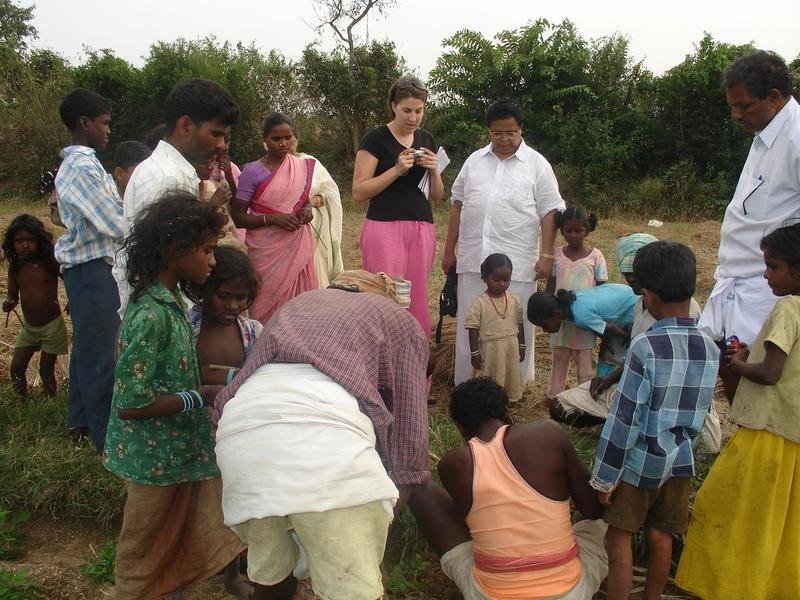
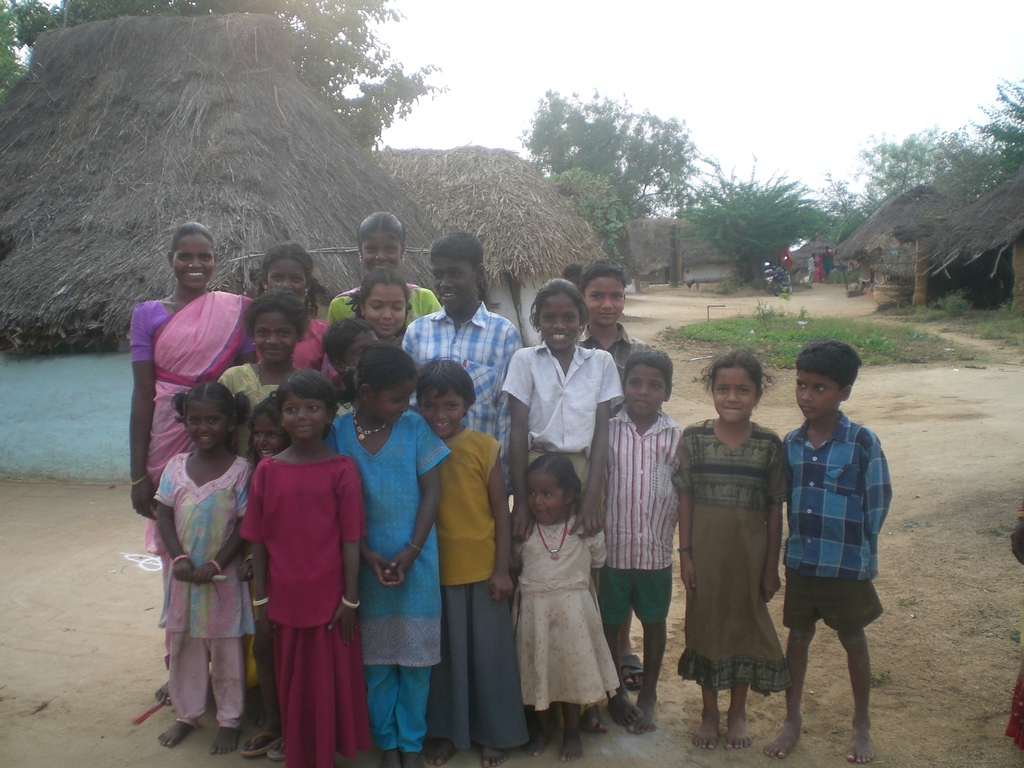
Four years ago, Sethu visited a village of 40 families where the closest water source was 45 km away. The project – building wells to ensure a close and safe water source – began with construction of a road to the village in order to bring in the big rigs. During a break, Sethu sat down to rest under a tree where he had a good view of all of the houses in the village and he noticed that each house had a clay pot out front.
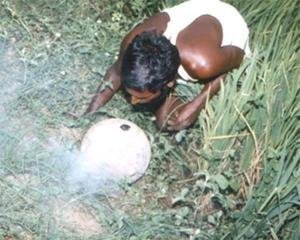
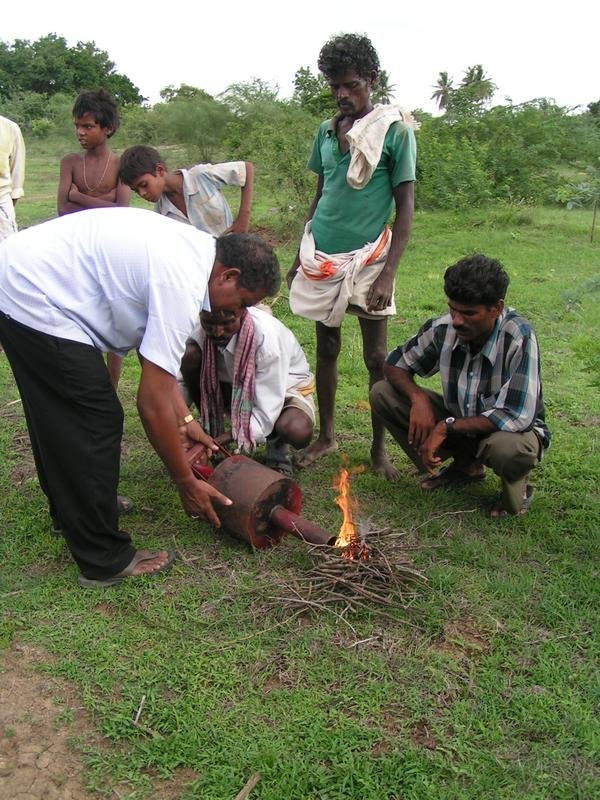
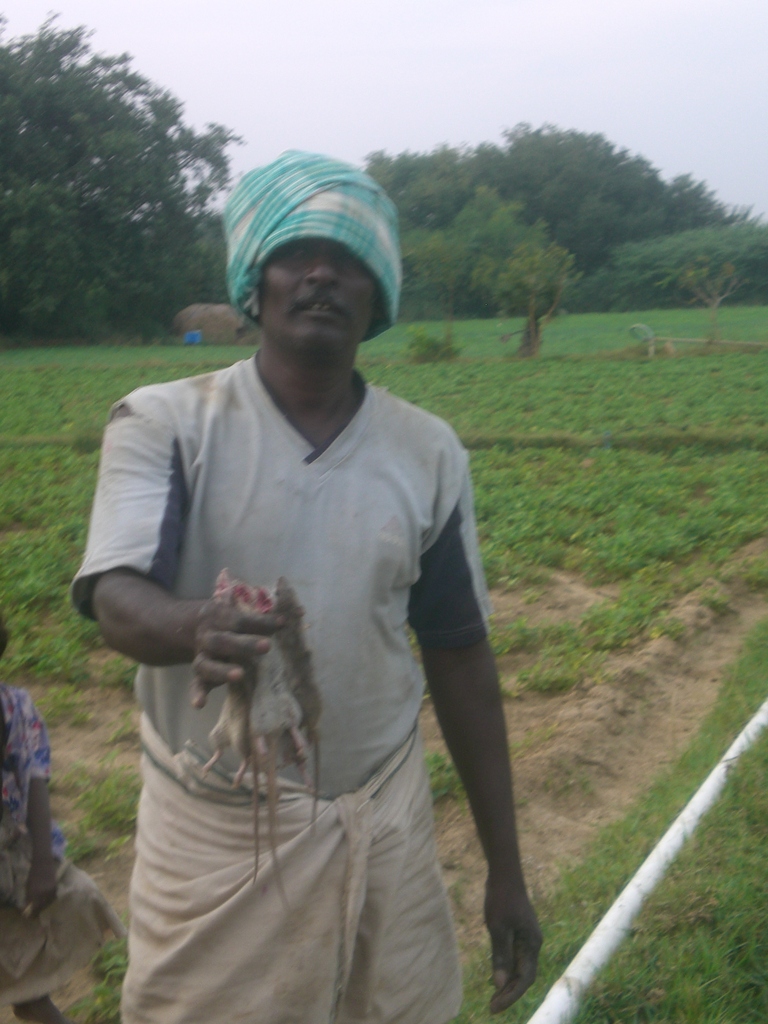
At first he assumed that the pots were used for carrying water, but then he noticed that there was a hole in the bottom of the pots. What good is a pot with a hole in the bottom, he asked himself. When asked, he was told that they were used to catch rats that ate the crops in the fields. People lit a fire in the pot by burning grass or leaves and then they blew the smoke into the rat burrows (by mouth) until the smoke suffocated the rats.
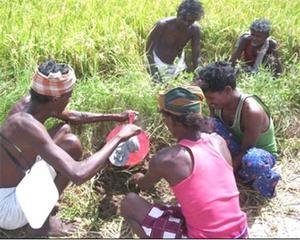
This set up was a win-win situation – the farmer whose land was cleared of the rats regained the 20-25% of land otherwise destroyed by the small rodents. Plus, these rats became an important source of income for the villagers who were paid 1-2 rupees for each captured rat. Plus, the villagers kept the captured rats for food (high in protein).
The only downside to this system are the high health risks for the rat-catchers themselves. Burns on lips, fingers and faces are common. Respiratory problems from smoke inhalation and eye problems from direct exposure to the smoke are also a big threat.
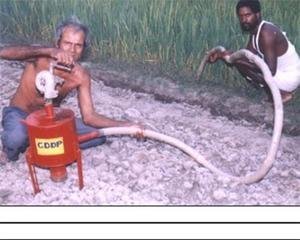
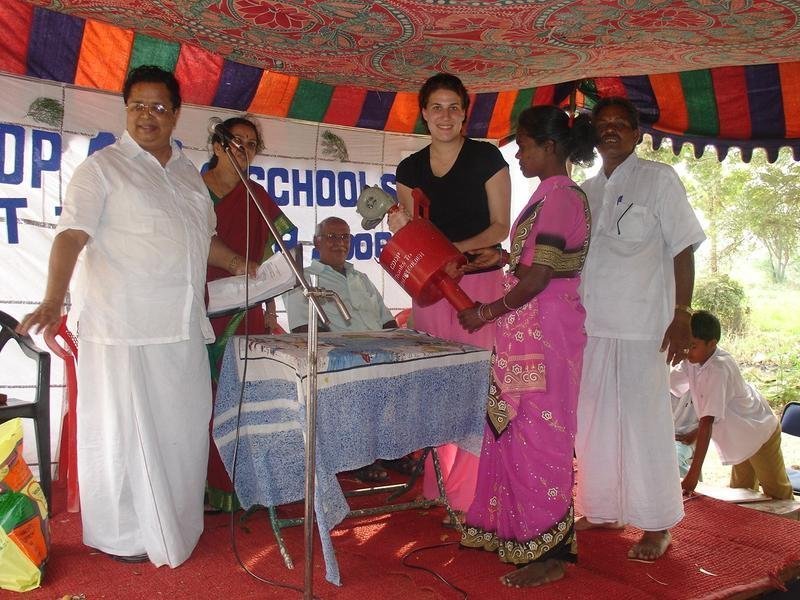
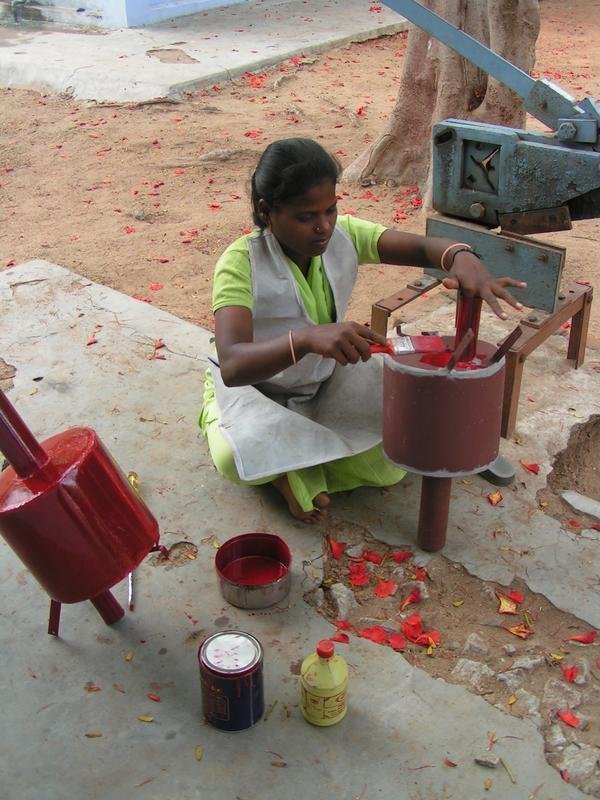
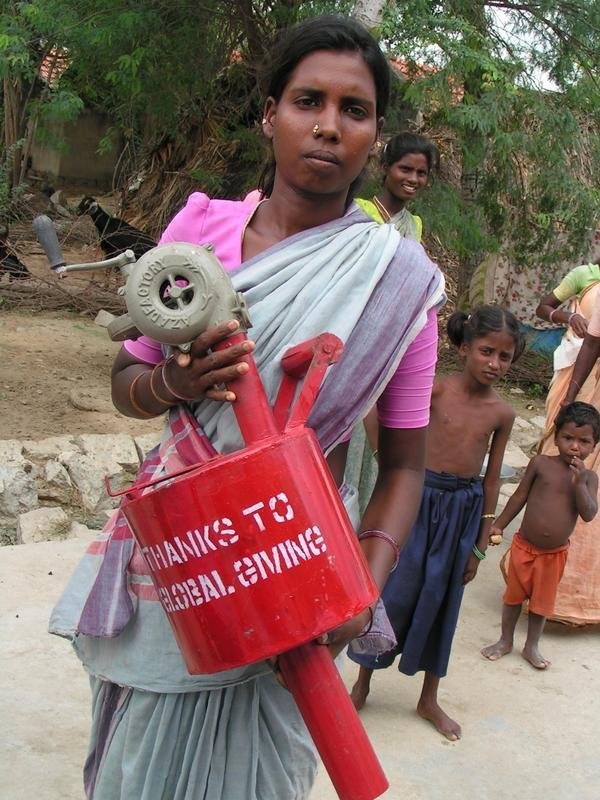
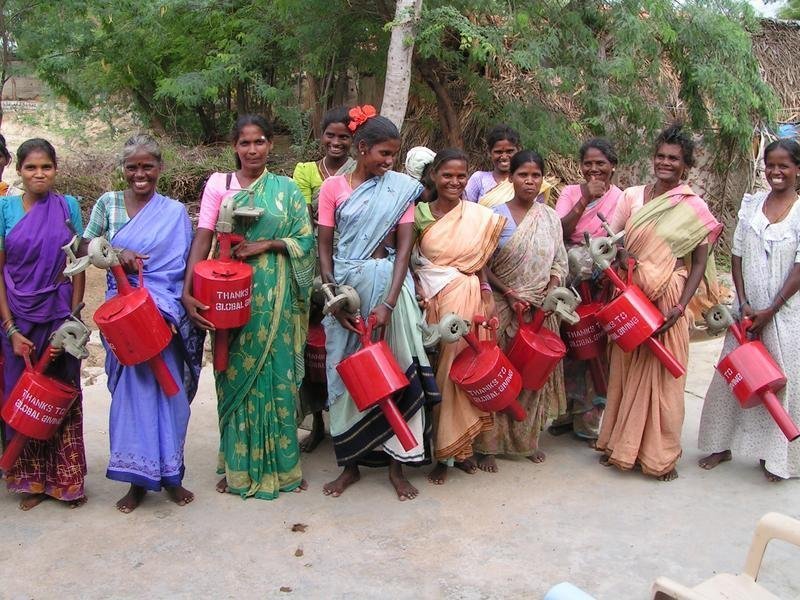
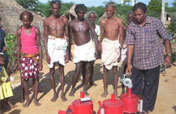
CDDP’s solution to the rat-catching problem was to replace the clay pots with handheld steel pumps. The pumps are operated with a small hand crank. The design for the pumps relied on direct feedback from the rat catchers.
As a World Bank Development Marketplace winner, CDDP used the winnings to build a factory for manufacturing the device and initially distributing it for free. Eventually, they began to charge 1500 rupees (roughly $35) for the pump after noticing the “give-away” was devalued and the Development Marketplace funds ran out.
A more long-term goal of this project is to develop “self-help” groups for women in these villages. “Self-help” groups are groups of 70-110 women who became a banking system for themselves. Each group elects three leaders who are trained by CDDP in reporting on funds spent and other banking basics. Each woman is then loaned 500 rupees (which the group must match from the funds they earn in the rat catching machine factory). Loans are then re-paid with interest. Returns on these loans are much higher than any standard bank because all of the lenders and loan recipients rely on each other. They are all apart of the social system and when one does not pay her loan, the others pressure her.
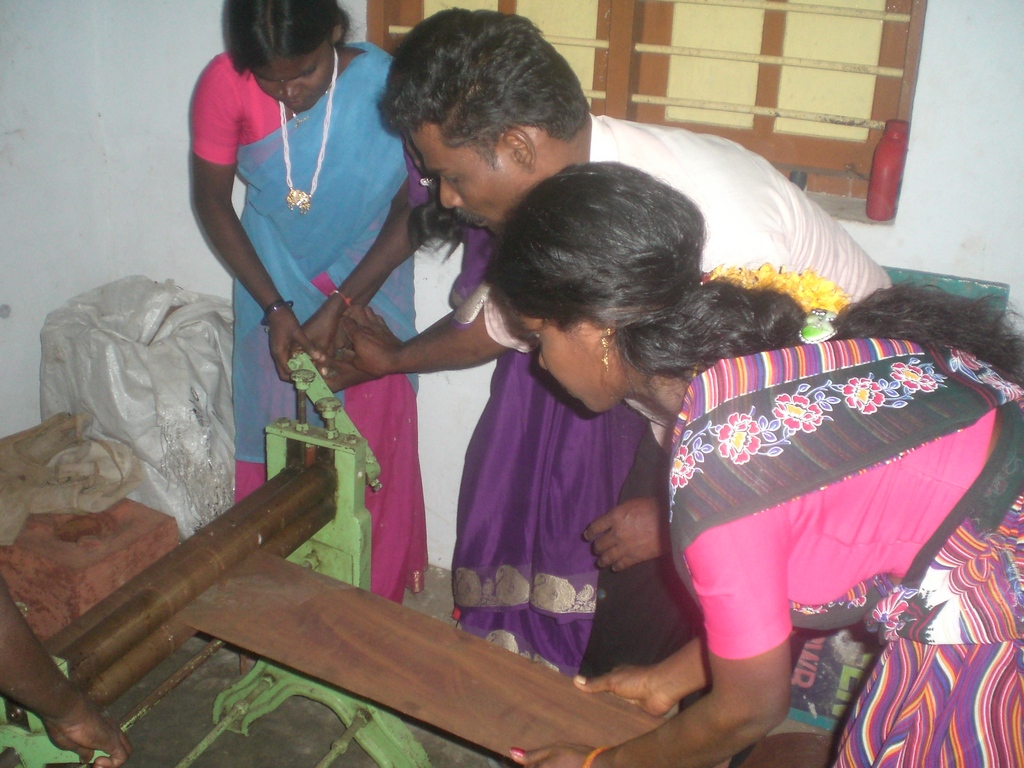
As the women begin to manufacture the handheld rat catching machines, they keep the earnings from the sales. Initially, a group of women was trained with funds from the DM earnings, but now one group of women trains the next.
The results for this project are astounding. Of 300-400,000 rat-catching families in the state of Tamil Nadu, 4,000 families have the hand-pump. The hand-pump increases production five-fold, which means that the rat catchers can send their children to school instead pf needing them in the fields to help increase rat catching productivity. Also, in order to accommodate this new need for education, CDDPcreated schools in seven centrally located villages.
Project reports on GlobalGiving are posted directly to globalgiving.org by Project Leaders as they are completed, generally every 3-4 months. To protect the integrity of these documents, GlobalGiving does not alter them; therefore you may find some language or formatting issues.
If you donate to this project or have donated to this project, you can receive an email when this project posts a report. You can also subscribe for reports without donating.