By Chukwumuanya Igboekwu | Project Manager
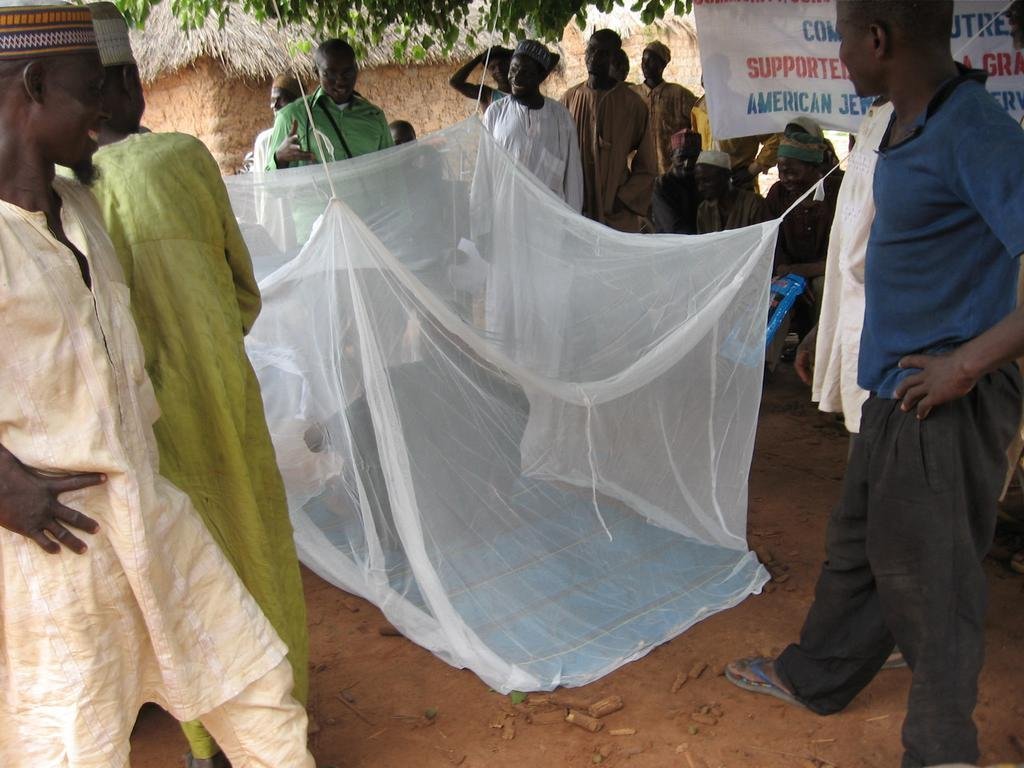
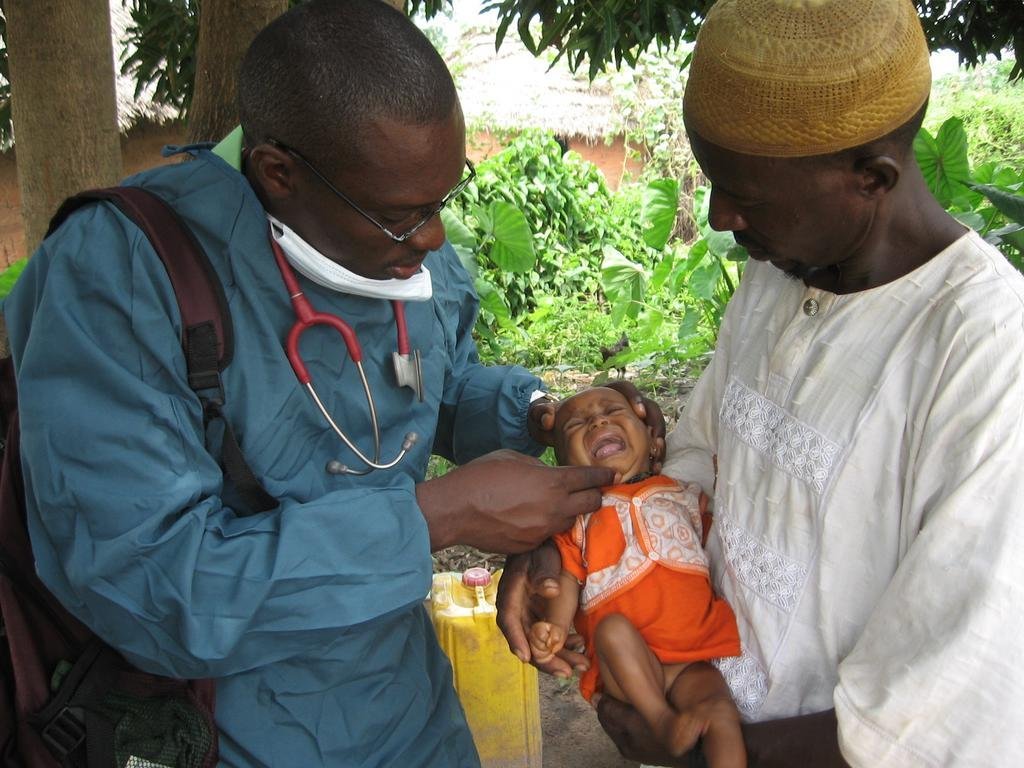
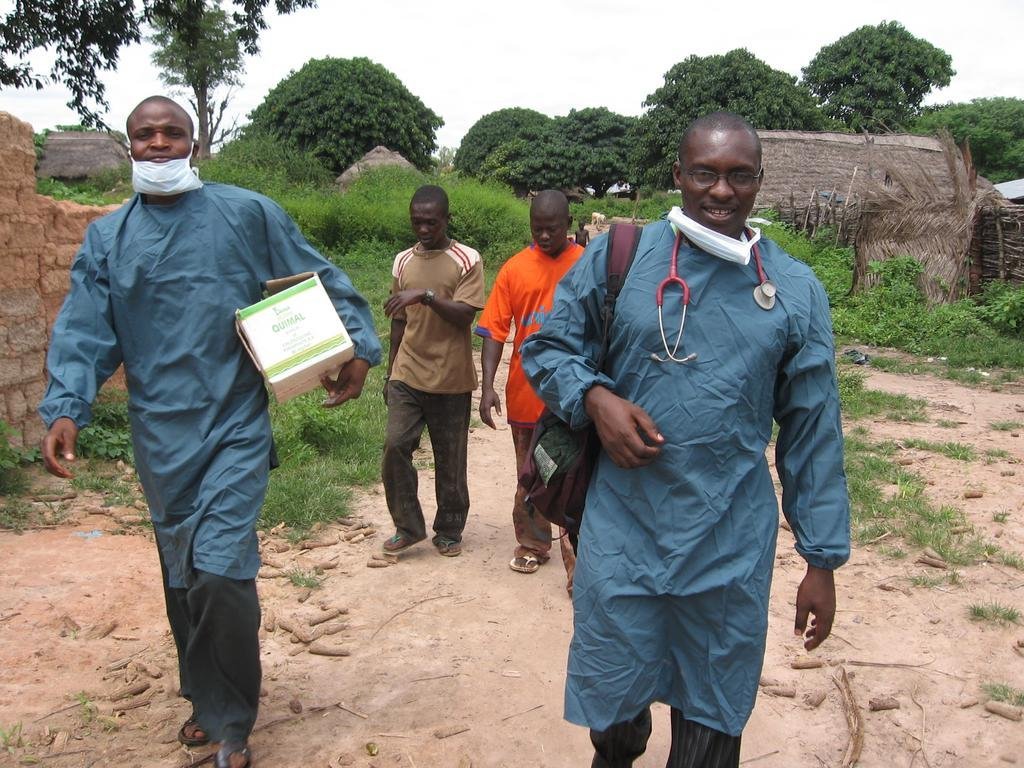
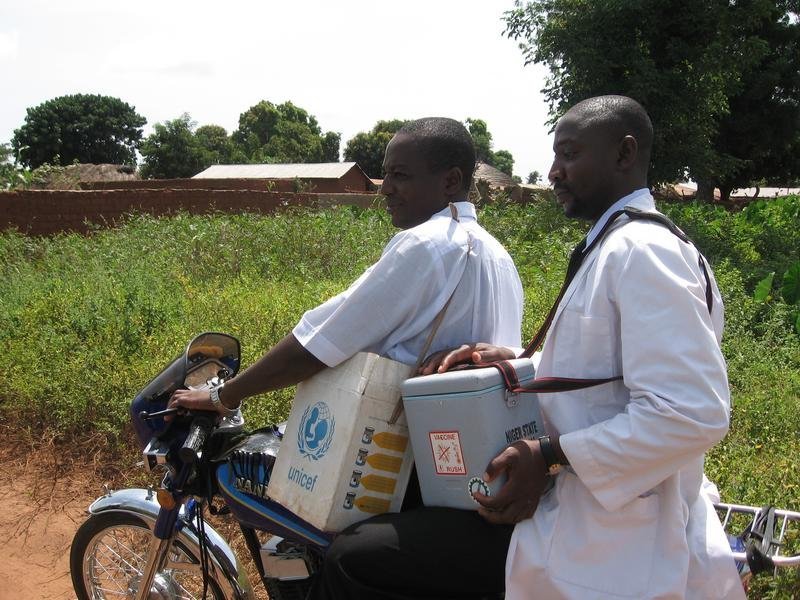
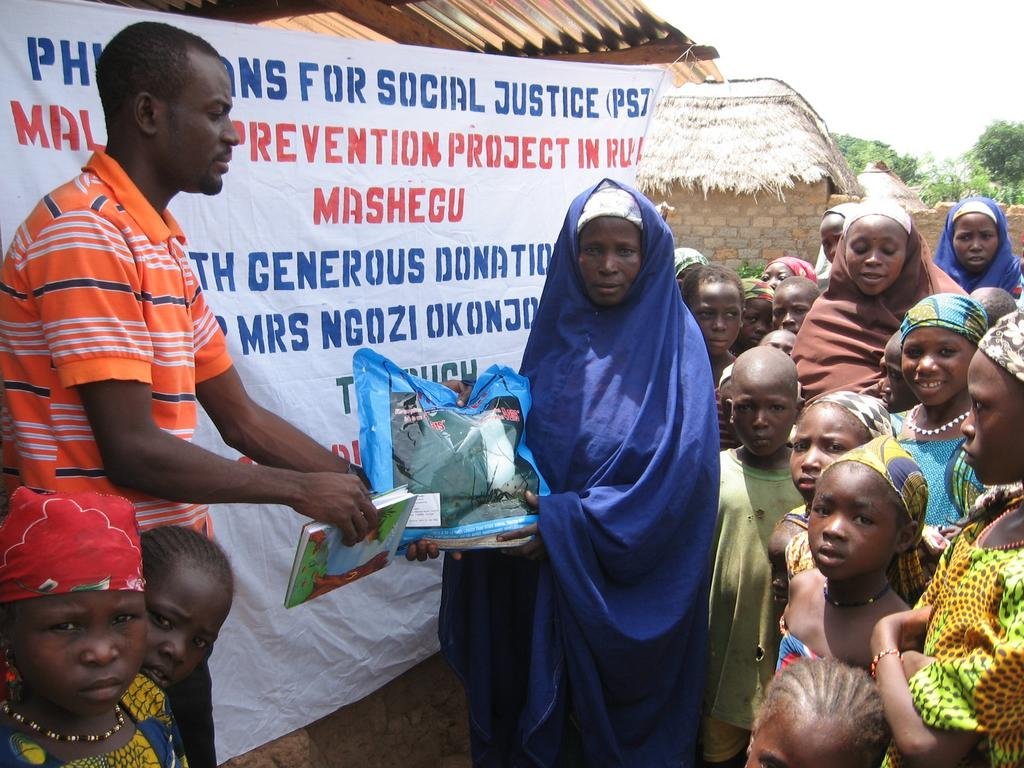
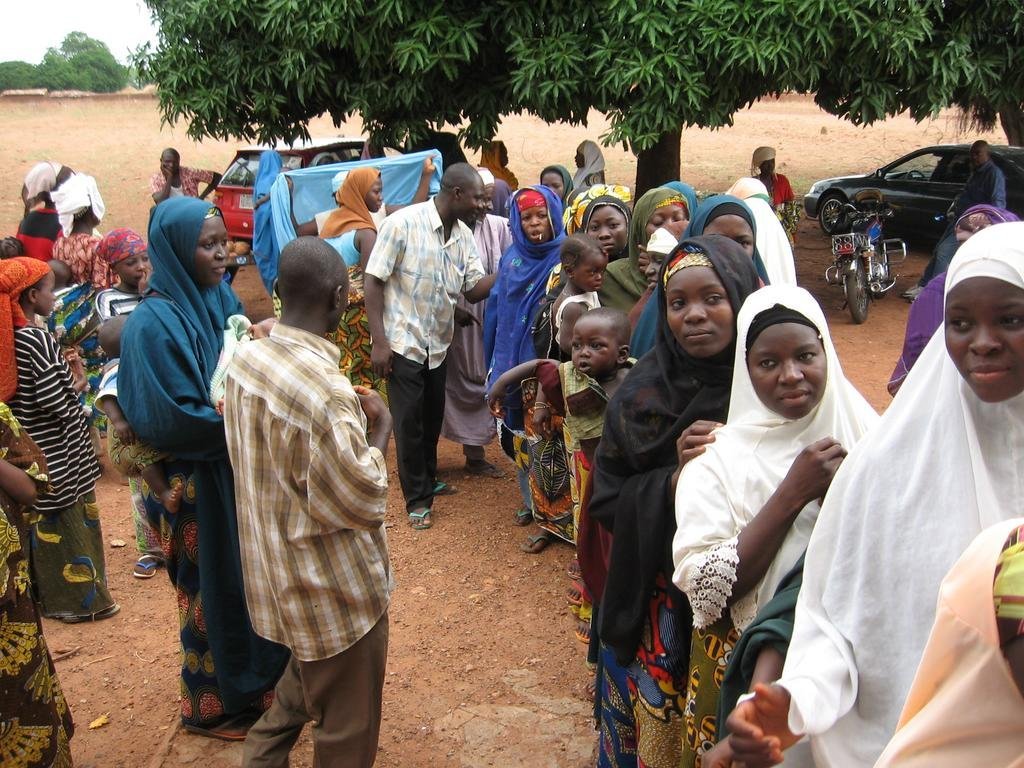
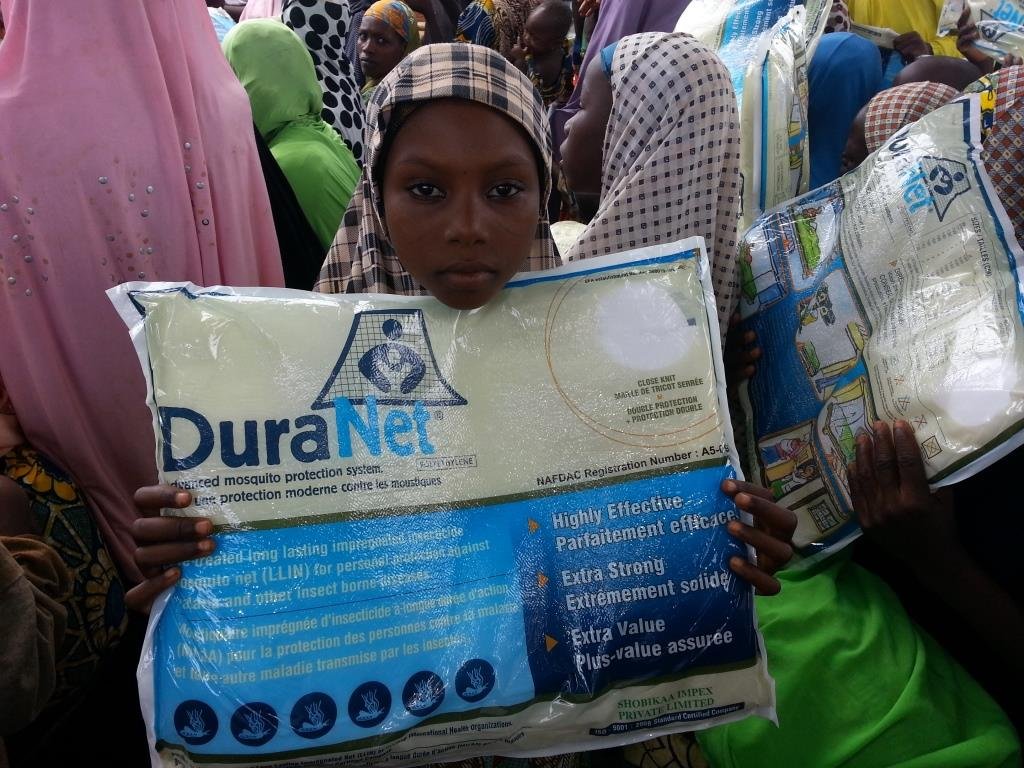
Faje, one of the first remote villages to benefit from ‘Preventing Childhood Malaria Deaths in rural Mashegu’ hosted our mobile clinic and malaria prevention outreach team in February and March 2014.
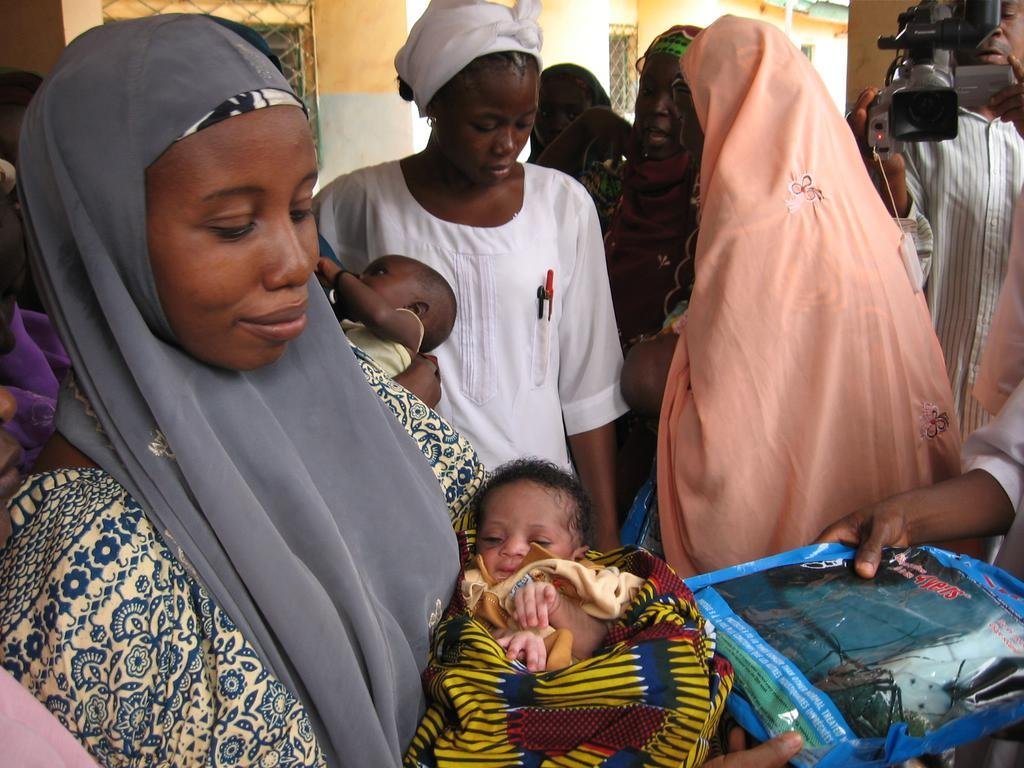
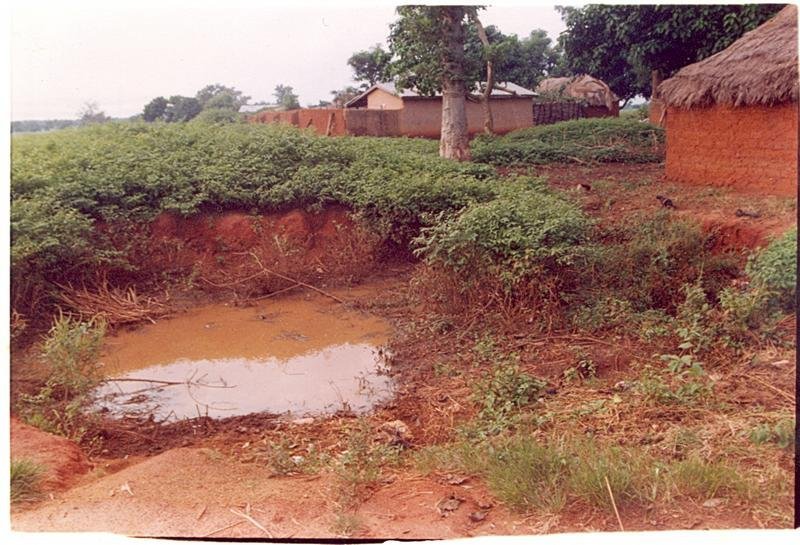
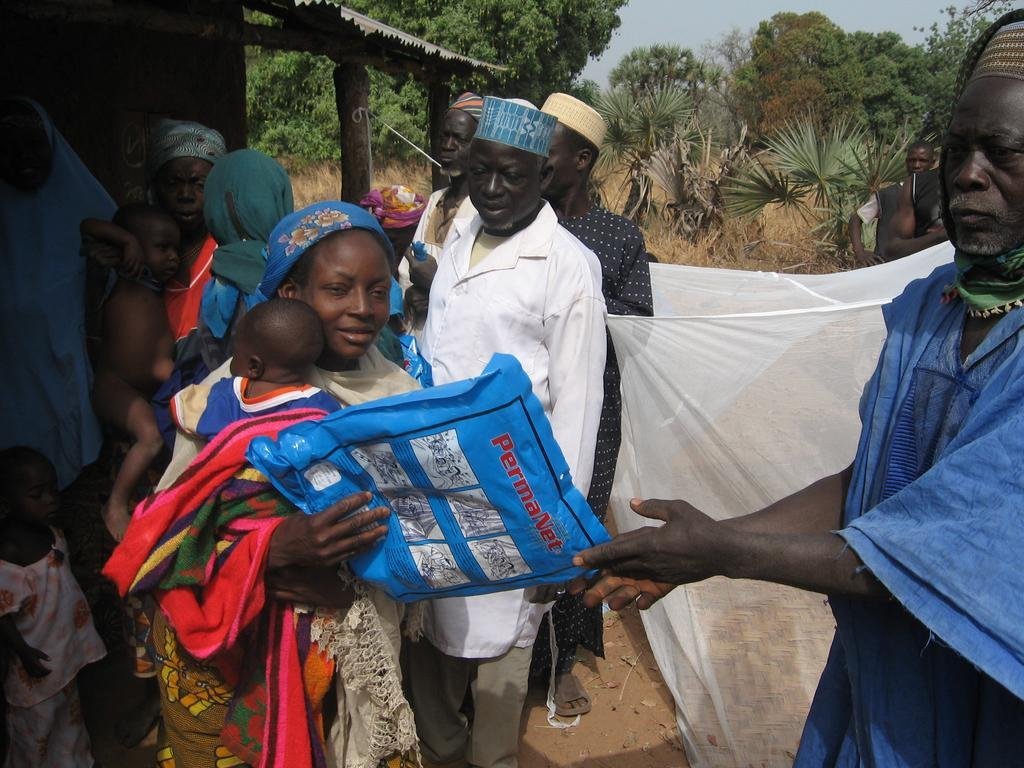
As part of the outreach activities, malaria prevention education was provided to nursing mothers and pregnant women with the aim of boosting malaria prevention health behaviours among this group. The group health education on environmental sanitation provided a unique opportunity for the malaria team to educate families about malaria prevention. In particular, elimination of mosquito breeding sites was emphasized as we approach the onset of rainy season from May to October when malaria transmission and mortality is highest. Our malaria team continued to emphasize and educate families especially mothers on how to recognize early symptoms and signs of malaria and on the need for sick children to receive prompt medical attention. This is particularly important because most of the deaths due to malaria among infants is due to delays in instituting treatment for such children.
Children under-5 and pregnant women are the most vulnerable groups to malaria attacks and deaths in this region. National statistics shows that more than 50percent of pregnant women from rural villages such as Faje will experience at least one episode of malaria during pregnancy. And this often contributes to severe anaemia (shortage of blood in the body) in the pregnant mother, resulting in increased risk of maternal and child deaths, and low birth weight.
The malaria team provided every pregnant woman in the village with intermittent preventive treatment, and sensitized them on the absolute need to seek early treatment from health workers at the earliest suspicion of malaria (whenever they develop fever or generalized body weakness or feel generally unwell as these are often the first symptoms of malaria). All pregnant mothers and children had the opportunity to get tested; thanks to the Rapid Malaria Diagnostic Test Kit that is now available at no cost. Eighty seven children and pregnant mothers were diagnosed and received malaria treatment using the Artesunate-Combination Therapy (ACT) as recommended by the Ministry of Health (FMOH) and the WHO.
Our outreach to remote villages such as Faje would not have been possible without the support of our donors whose financial donations made it possible for us to procure medical supplies such as the malaria medicines and pay for transport costs to visit these communities. Your donations have made such a huge difference in the lives of dozens of these poor rural mothers and children. Donations like yours have added up to save the lives of dozens of children, pregnant mothers and their babies in these communities we serve. We are very grateful to you our donors who support the work we do. Your relentless support to our work has been our biggest strength. On behalf of the communities we serve, we say thank you for making it possible for us to reach remote communities like Faje on continuous basis.
Project reports on GlobalGiving are posted directly to globalgiving.org by Project Leaders as they are completed, generally every 3-4 months. To protect the integrity of these documents, GlobalGiving does not alter them; therefore you may find some language or formatting issues.
If you donate to this project or have donated to this project, you can receive an email when this project posts a report. You can also subscribe for reports without donating.