By Patricia Morales and Manja de Graaff | Project leaders
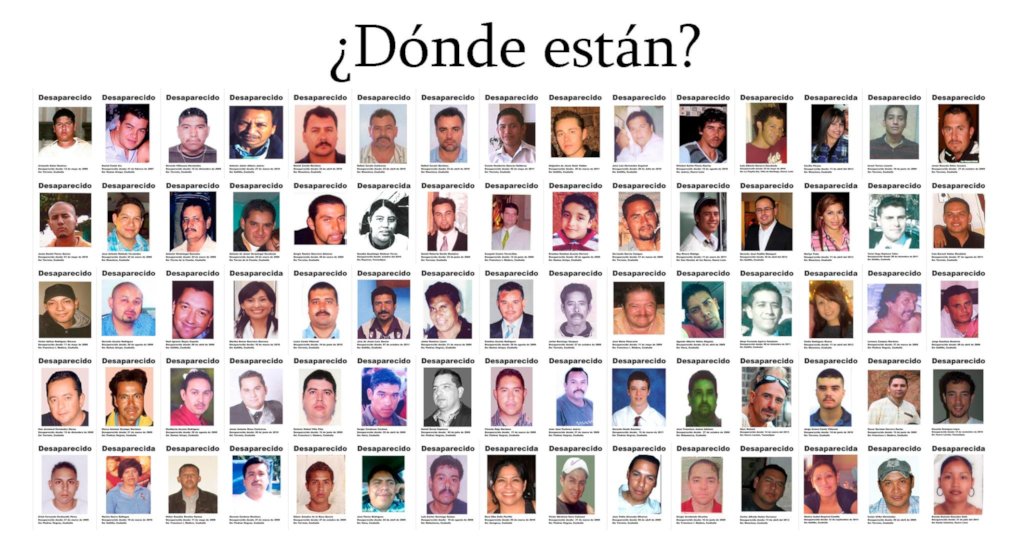
Between 1964 and 2021 more than 90,000 people have disappeared in Mexico. “A person does not disappear just like that” is a phrase we have heard from many different relatives that are in search of their missing loved ones. People are being taken from the streets, public places, and even from their parent´s arms. The thousands of disappearances are the sign of a much bigger problem. A problem that has grown fast since the so-called “war on drugs” was declared in 2006. Sadly, the number of disappearances is growing every year and Mexican authorities have not managed to prevent and successfully prosecute these crimes, let alone finding the tens of thousands of disappeared people.
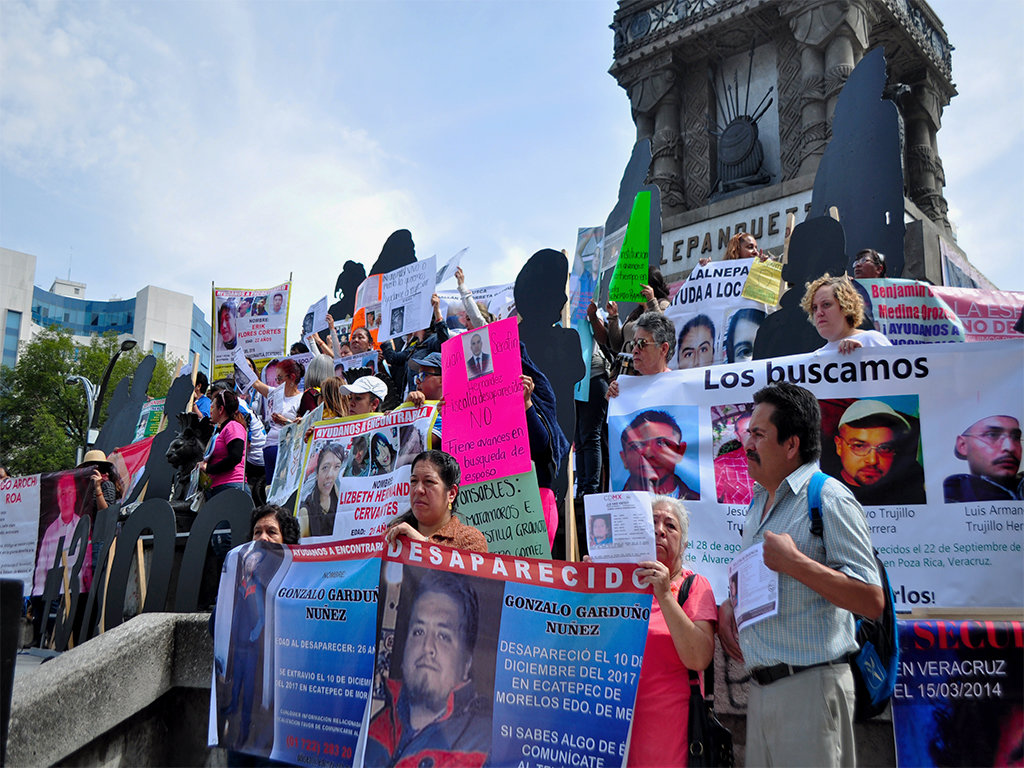
This is why relatives of disappeared people have decided to take action in their own hands. They demand answers for both federal and local authorities, in addition to going on, often dangerous, search missions. During their journey, they face many challenges, but won’t let them get in their way. Amongst these obstacles are: organized crime, the lack of empathy of authorities and even the indifference to the disappearances, and in some cases the complicity of the government in these crimes. For these reasons, many relatives of disappeared people have formed or joined collectives of relatives of disappeared people throughout Mexico to support each other in the search for remains or tracks that could lead them to locate their children.
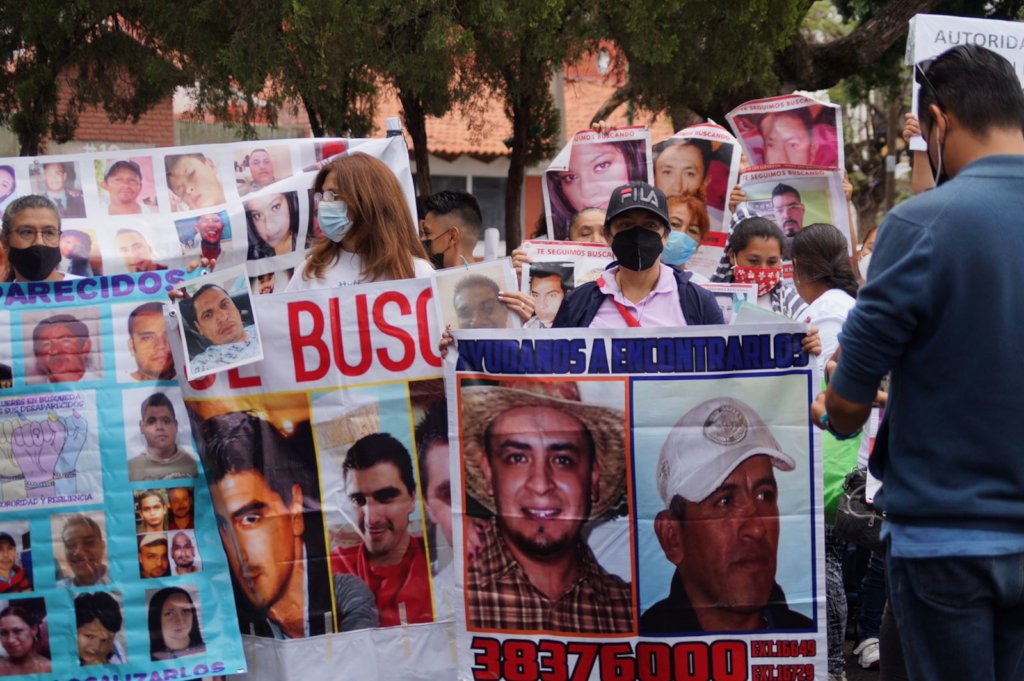
The force of united families of disappeared people, who join efforts to find their disappeared loved ones was very visible during a search initiative in the state of Guanajuato. For the seventh time in a row, the so-called caravana de búsqueda en Vida- an initiative of different collectives of relatives of disappeared people from different Mexican states to collectively search for, and locate, the disappeared in a certain state- was held. The past caravanas took place in Guerrero, Michoacán, Veracruz, Oaxaca, Coahuila, Morelos and Jalisco. In May 2021, Guanajuato was the state selected to continue with the localization of hundreds of disappeared people. Families from 22 different collectives from all over Mexico arrived in the city of Guanajuato on the afternoon of May 9th. Every May 10th, Mexico celebrated Mother’s Day, a very difficult day for mothers trying to locate their missing loved ones. A common saying amongst mothers of the disappeared is: “we don´t have anything to celebrate because our children are not with us”. For this reason, mothers organized protest marches in the whole country.
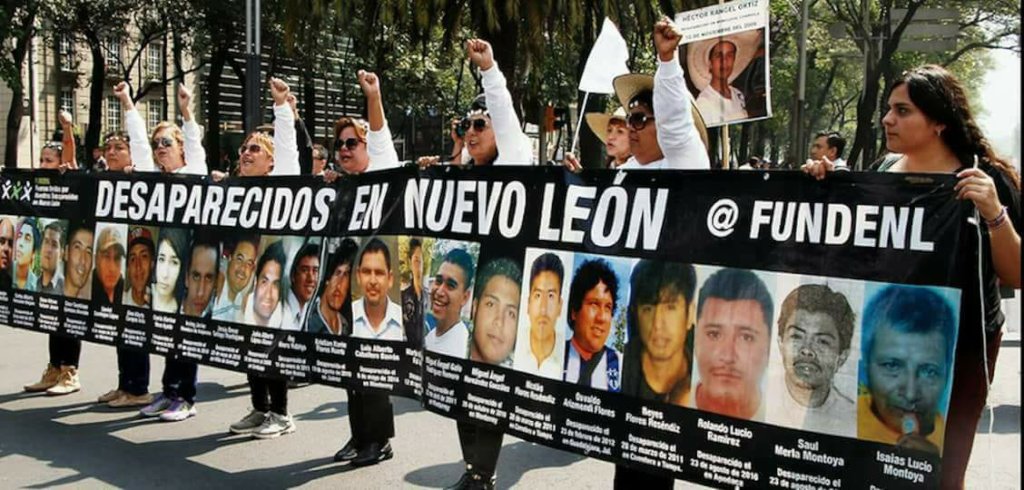
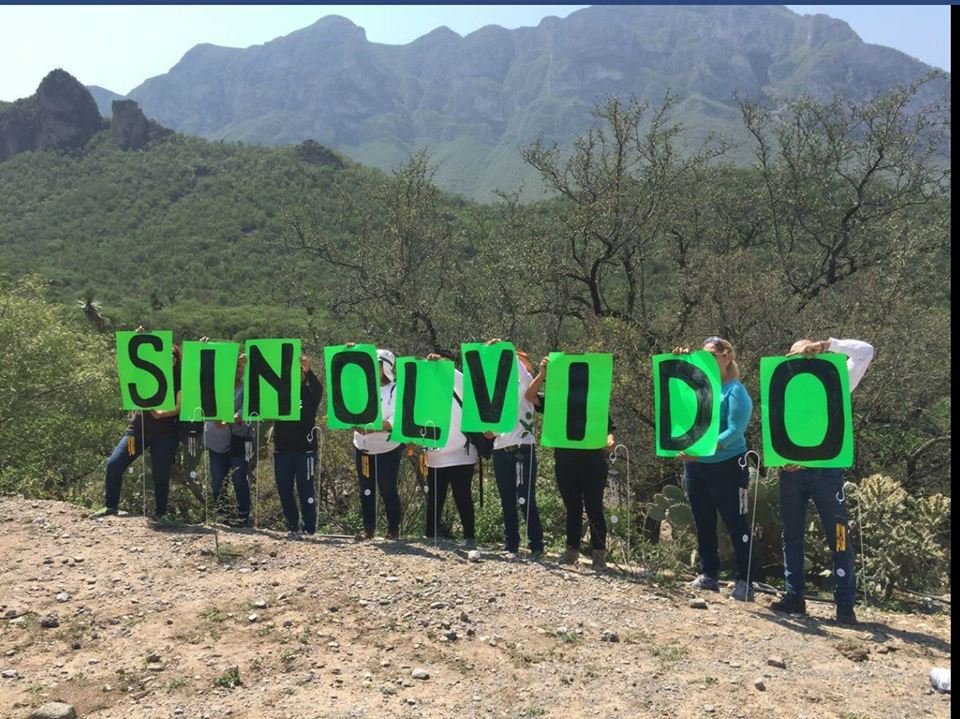
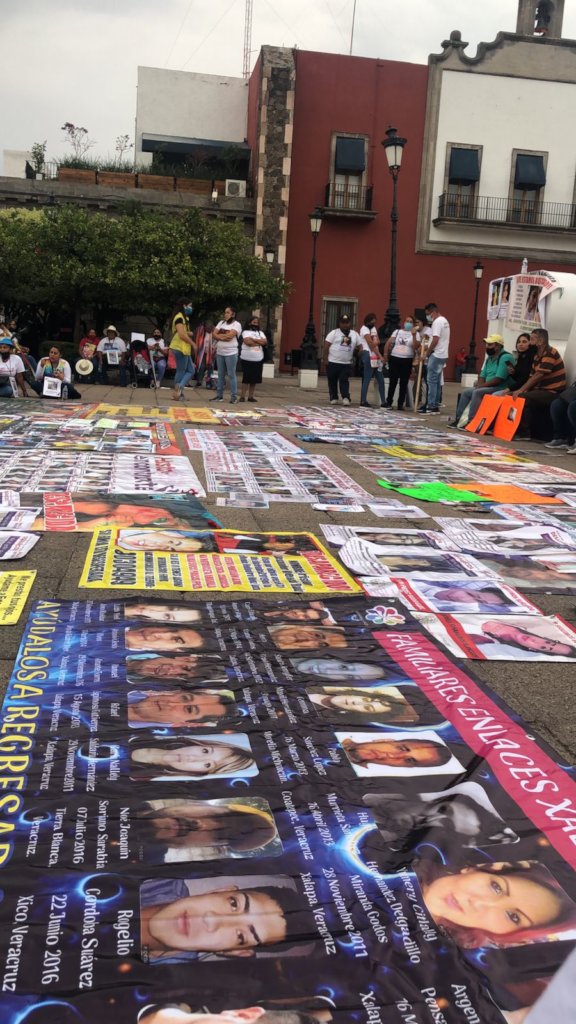
The Caravana took place from May 10th till May 14th. Collectives from different regions of Mexico together with the collectives from Guanajuato went to various cities where they visited different prisons and federal social readaptation centers to inquire about their disappeared relatives. It is important to say that this search group is trying to locate people alive, different from other search missions conducted by collectives in which they search for mass graves. In some cases, people have been located in prison. The arrival of mothers searching their missing children represents hope, not only for other families, but also for many prisoners. In other cases, families received information regarding their cases. Another activity was the visit to the Forensic Medical Service, in which the authorities displayed a group of dozens of pictures with human remains. Unfortunately, and according to experts, the pictures and the reports were not good. The lack of a correct method of investigation was clear. At the end of every day, the families were protesting in the cities they visited, showing the pictures of the disappeared. The purpose of the protests was, to raise awareness for the disappeared loved ones of the protesters, but also to raise awareness regarding the phenomenon of (enforced) disappearances in Mexico.
In representation of the Instituto Mexicano de Derechos Humanos y Democracia A.C. (IMDHD) two of our members were accompanying the Caravana to provide different participants with legal information regarding their cases. Additionally, experts in forensics, investigators, lawyers, psychologists from other organizations, as well as journalists joined. Being there helped us identify the difficulties families are facing in the investigation and search processes. Difficulties we will address in our future capacity-building workshops. This experience has showed us that we should focus our efforts on not only searching Mexico’s many disappeared, but also undertake action to prevent disappearances in the future.
Project reports on GlobalGiving are posted directly to globalgiving.org by Project Leaders as they are completed, generally every 3-4 months. To protect the integrity of these documents, GlobalGiving does not alter them; therefore you may find some language or formatting issues.
If you donate to this project or have donated to this project, you can receive an email when this project posts a report. You can also subscribe for reports without donating.