By Joachim Ezeji | Team Leader/CEO
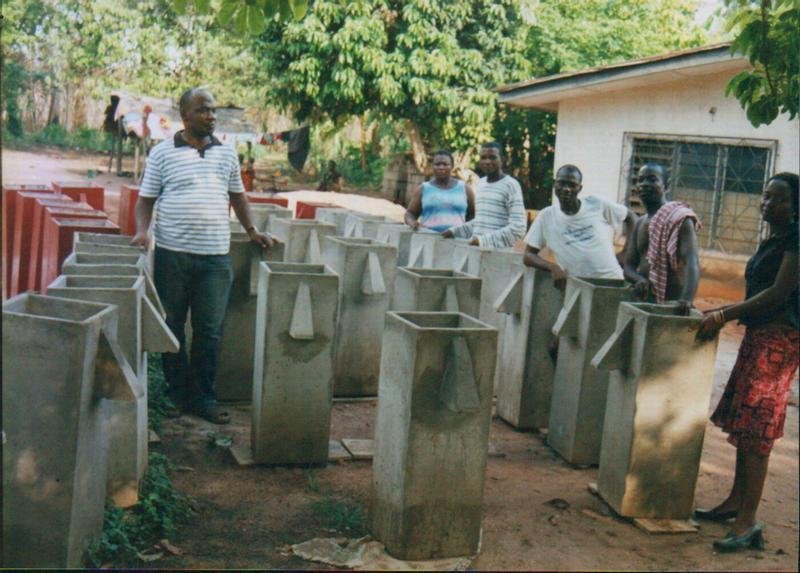
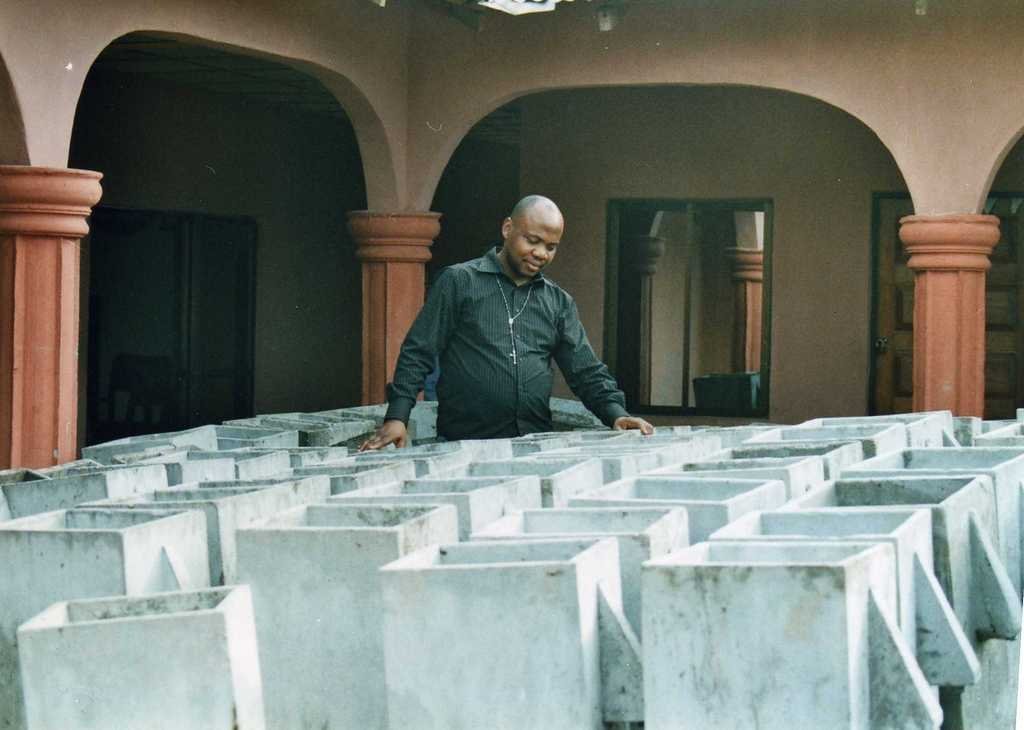
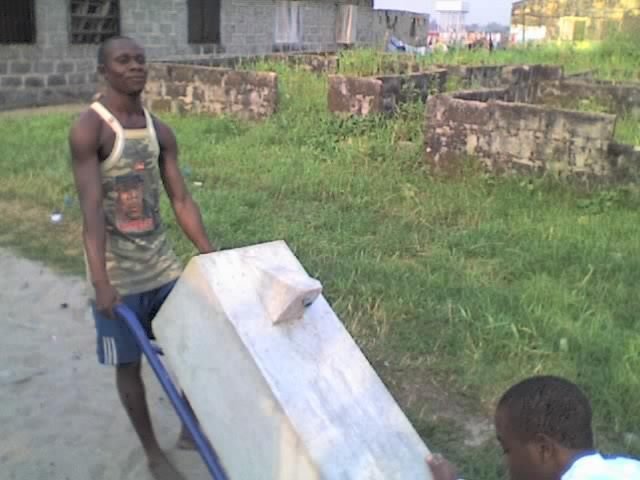
Beyond household gains, and the allied opportunities being appropriated by micro-entrepreneurs as filter artisans and technicians etc are those of market groups emerging as filter distributors in the Niger Delta.
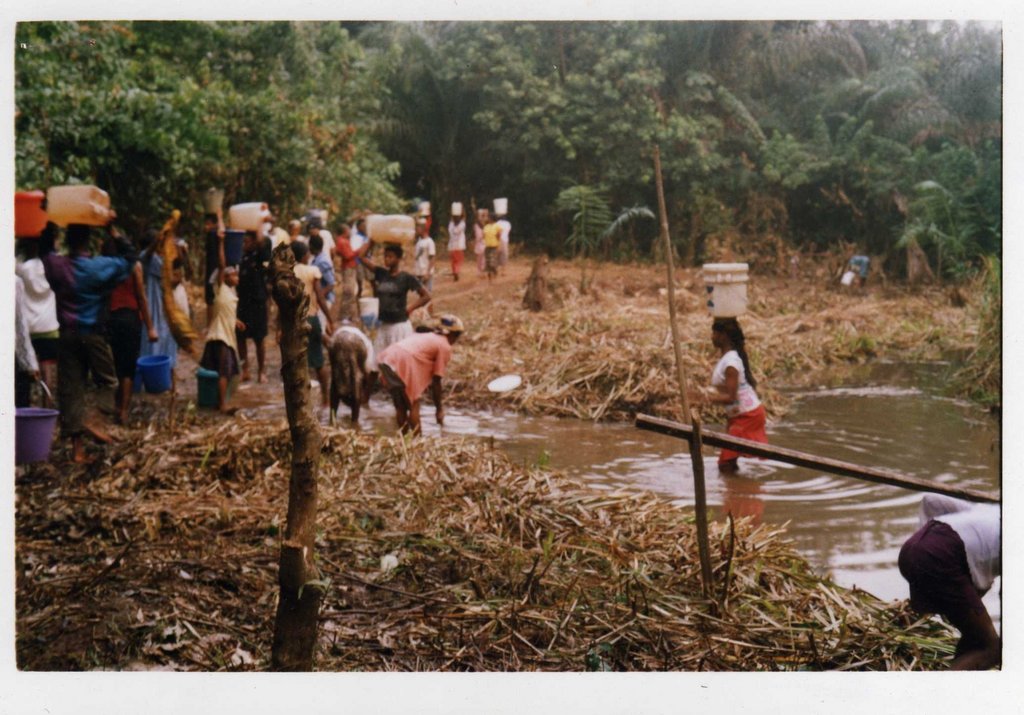
Rural markets represent a critical segment of rural life in Nigeria. Asides providing commercial outlets for rural goods vital in fighting rural poverty, they provide rural folks a place for social networking and meetings. However, these markets receive limited priorities by government especially in the provision of basic amenities like safe water supplies and clean communal or shared toilets.
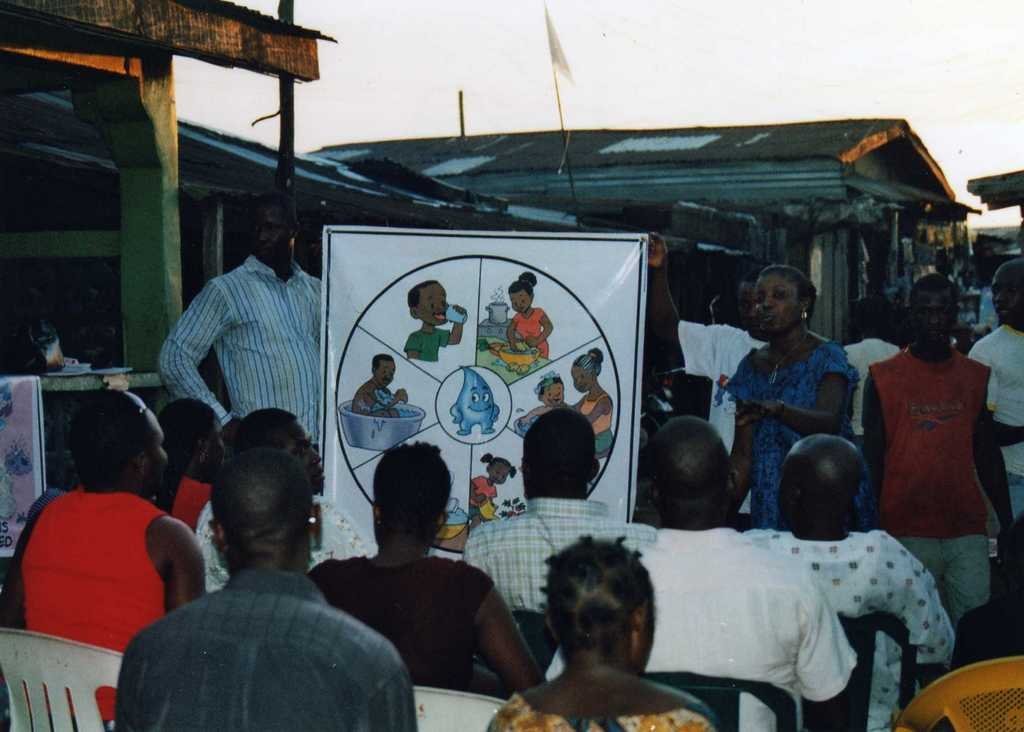
This approach mobilizes and motivates traders to invest in their own WASH infrastructure in a manner devoid of external hardware subsidy. The promotion of self-sufficiency rather than dependency is a key component of the approach as it focuses on the development of sustainable services rather than the external provision of infrastructure. Also, as a decision-support action-based tool our current initiative primarily uses a combination of participatory rural appraisal (PRA) techniques and related seven- step participatory approach similar to those used in Participatory Hygiene and Sanitation Transformation (PHAST) to facilitate community planning and action.
The seven steps are: Problem identification, problem analysis, planning for solutions, selecting options, planning for new facilities and behaviour change, planning for monitoring and evaluation and participatory evaluation. It works on the premise that as traders gain awareness of their water , sanitation and hygiene situations through participatory activities, they are empowered to develop and carry out their own plans to improve this situation within a timeline. The plans adopted may include construction or purchase and management of new physical facilities over the long term as well as safer individual and collective hygiene behaviours. Our initiative utilises specifically designed tools comprising of a series of photographs that depicts disgusting local market situations; connecting it with optimistic scenarios of healthier people, cleaner environments and adequate water supplies and wealth creation for all in the markets.
By focusing on providing traders and buyers with an effective and healthy buying and selling environment and changing the hygiene behaviour of market people, this initiative mainstreams the ability of a coterie of people – adults, children, girls, boys, men and women who come to the market to act as change agents within a community or conduits for carrying those messages far beyond the market walls, bringing lasting improvements not only to their personal well-being, but also to that of the family and the wider community.
Project reports on GlobalGiving are posted directly to globalgiving.org by Project Leaders as they are completed, generally every 3-4 months. To protect the integrity of these documents, GlobalGiving does not alter them; therefore you may find some language or formatting issues.
If you donate to this project or have donated to this project, you can receive an email when this project posts a report. You can also subscribe for reports without donating.