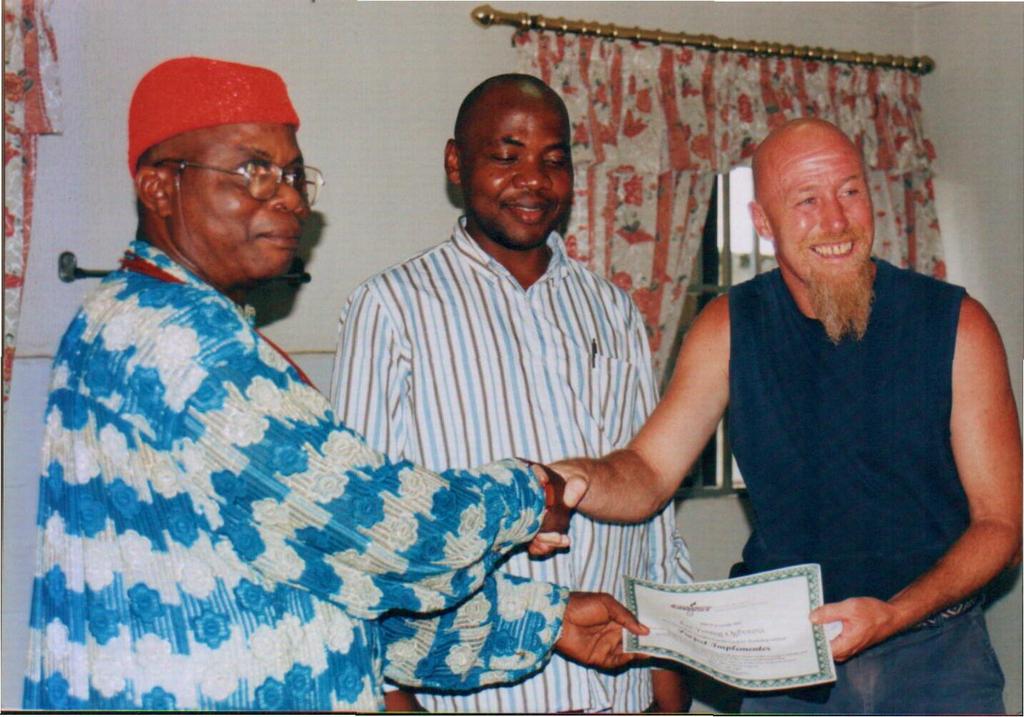
![Ipu West Community ruler and us]()
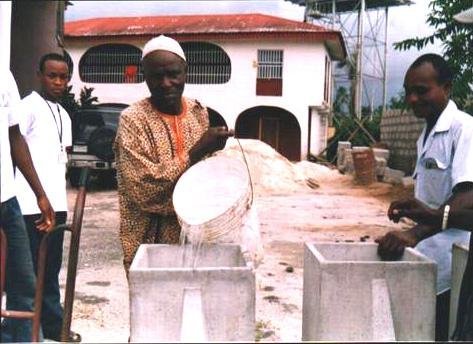
Ipu West Community ruler and us
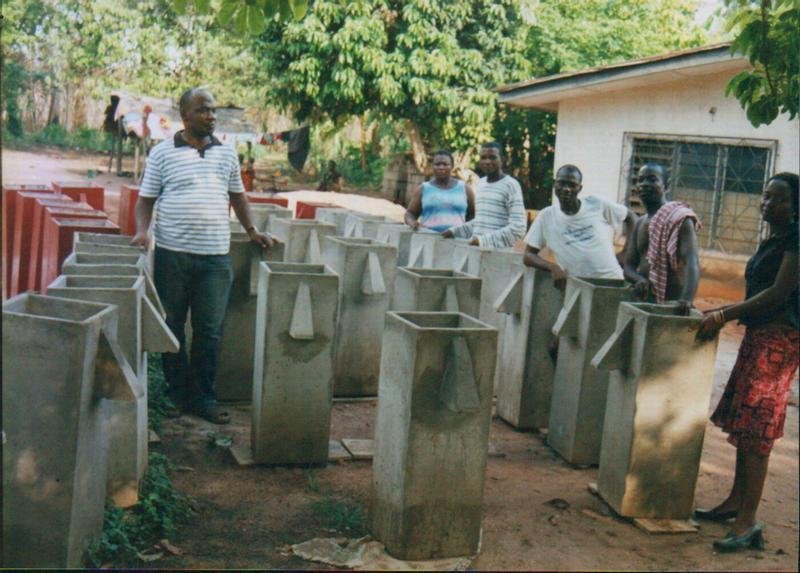
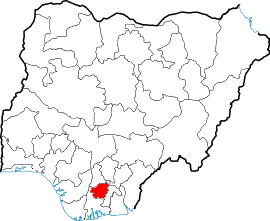
An independent evaluation of the adoption rate of the Mor-sand filter and other water treatment options in selected communities in the oil rich Niger Delta region of Nigeria has been commissioned by Rural Africa Water Development Project (RAWDP). One of the communities is Ipu west, in Owaza town of Abia State Nigeria. The Community was selected for the evaluation because unlike most communities in the region, it is relatively more peaceful. The town is made up of 4 Autonomous Communities with Ipu west as one of them. Ipu west is made up of 7 Villages headed by 7 Chiefs. The community is located 7 kilometers away from the busy Enugu-Aba-Port Harcourt Express road. The population of the Ipu west community is estimated at 45,000. A random population of 190 people was sampled during the evaluation.
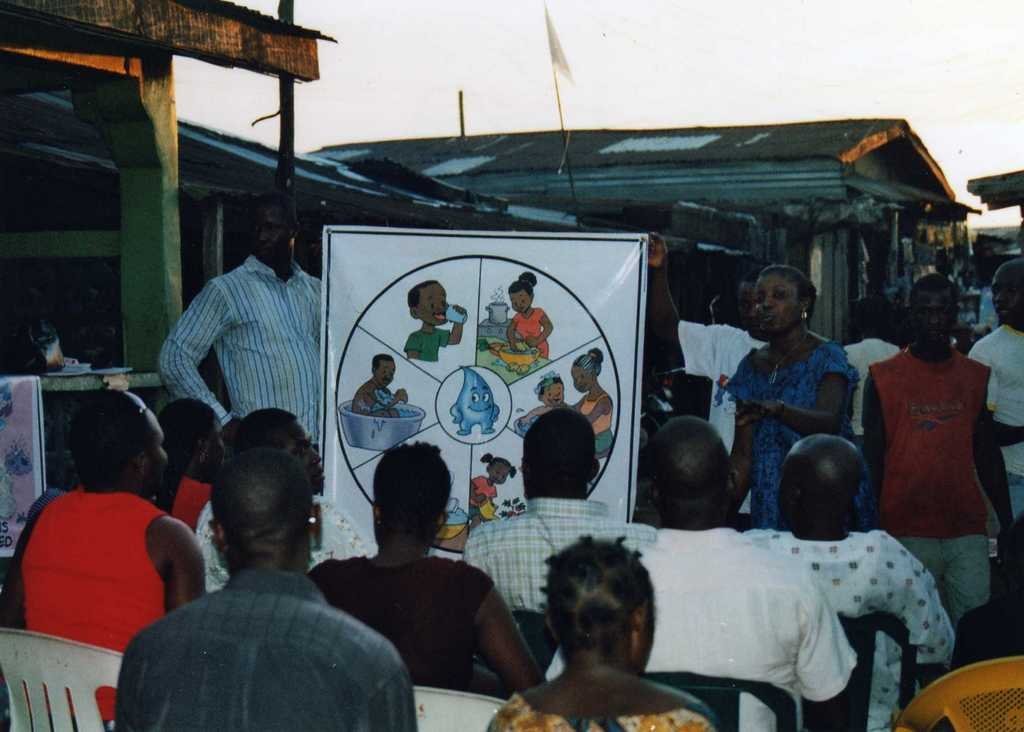
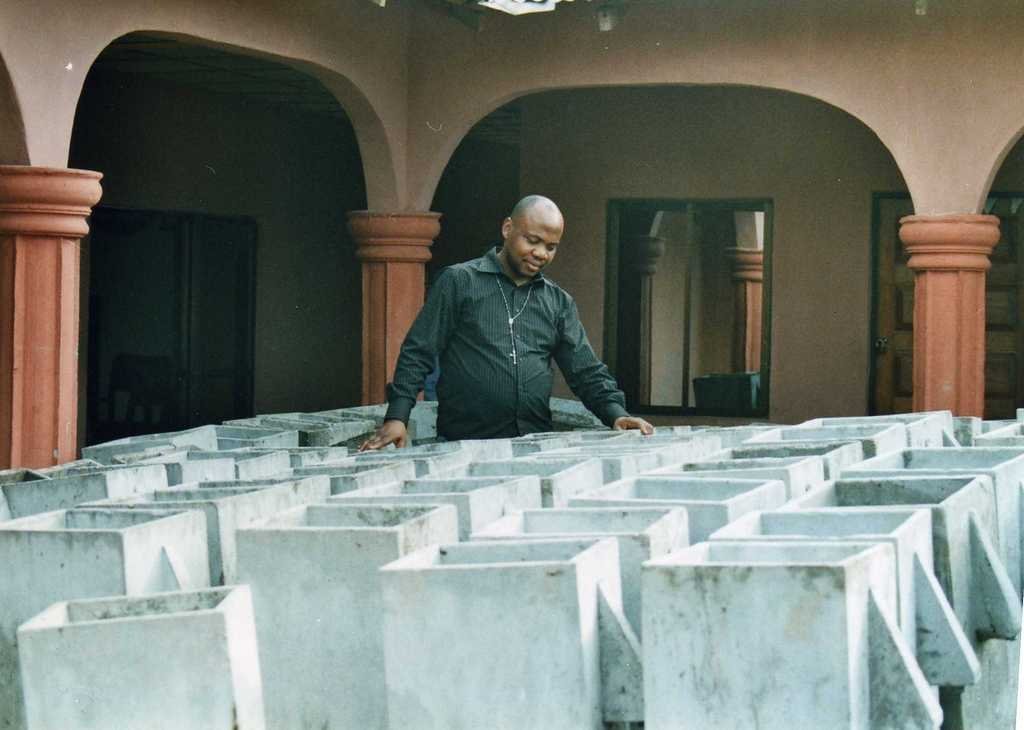
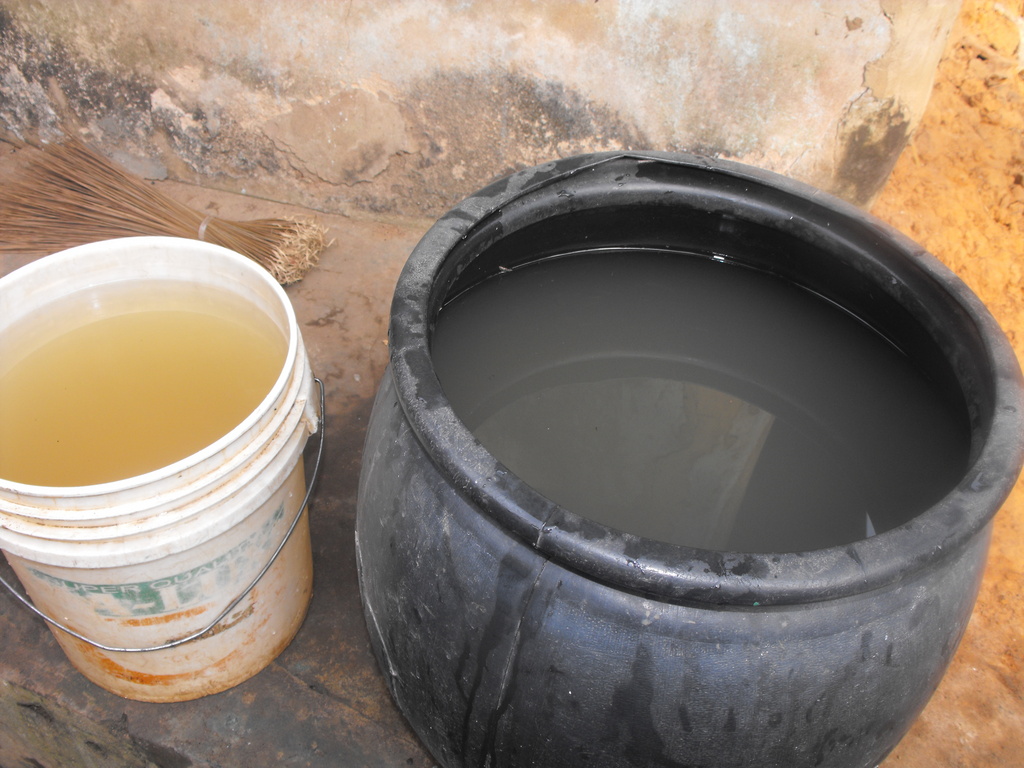
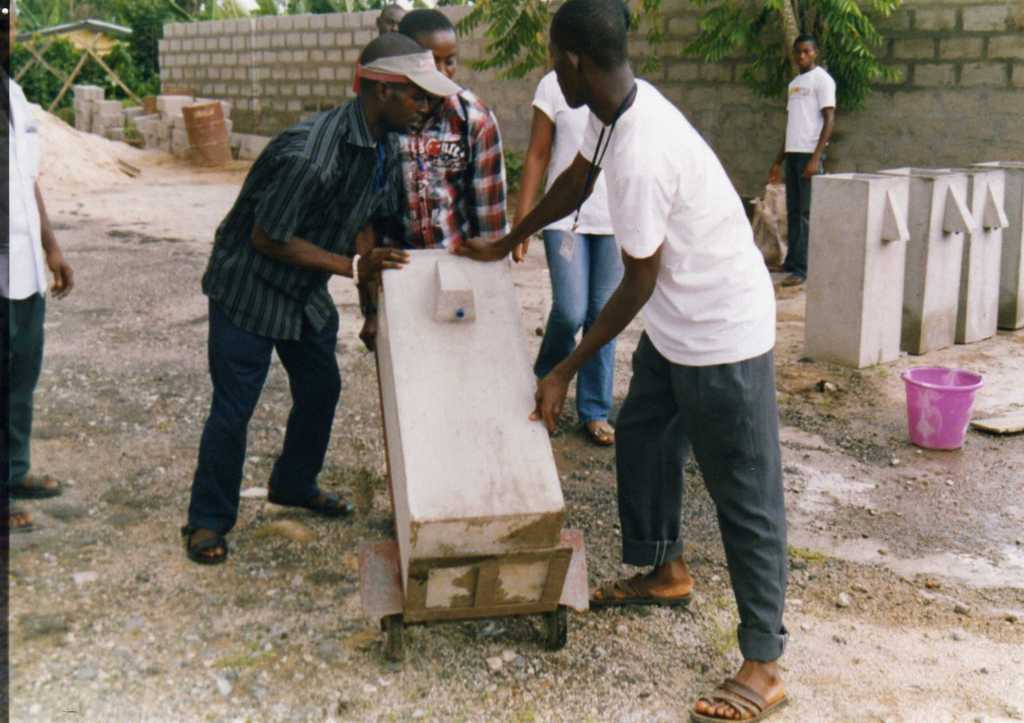
The objective of the on-going evaluation was to access gaps in adoption and relating it to findings from other project areas with the aim of understanding how to bridge the gap at minimal cost. The evaluation amongst other things looked at water storage and treatment/filtration. The survey’s initial findings revealed that over 30% of the locals now treat their drinking water before use, unlike the previous 90% who were not treating their drinking water before the debut of the project in 2006. The percentage of those using Mor-sand filter rose from 0% in 2006 to 12% in 2009. About 15% of those treating their water were using treatment chemicals while less than 3% were using storage as treatment. Recorded factors against adoption in the community were ignorance (21%); indifference (32%); Cost (19%); poverty (25%) and others (3%). The finding also indicates a recorded rise of 13% over the initial 43% in 2006 that were using Jerry-Cans to store their drinking water. Other storage devices were open Buckets (now 12% from the previous 17%); Covered Drums (still unchanged from the initial 15%); Plastic Tanks (now 5%); and others (less than 20%).
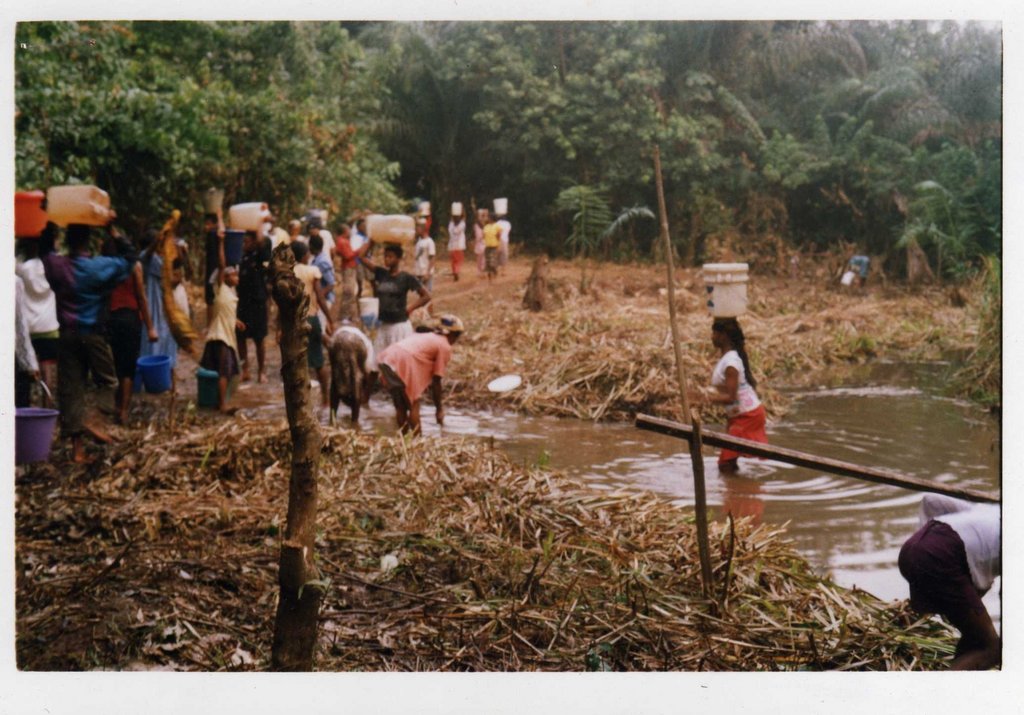
Compared with earlier evaluations carried out in December 2006, access to water in the community has not advanced beyond what it used to be. The study revealed that in the community, Commercial private commercial boreholes still dominate (40%), while the percentage of those sourcing water from River and Stream sources was 17%, and the conjunctive use of rainwater from rainwater harvesting was 5%. It was also revealed that Jerry-Can containers were the major and commonly used water storing material. Generally, the distance covered and time spent by the inhabitants of the community to get their drinking water was between 0.5-1km, and often takes more than one hour. The consequence was that about 59% of the people do not get enough drinking water for their household. However, 93% of the locals agreed that water filtration/treatment enables healthier living while 7% were indifferent. There was also a consensus by the locals that improving and expanding their water sources was a pressing need and concern; though they still agreed water treatment is an expedient intervention in the community at the moment.
A community leader, Chief Ogbonna thanked the assessors for coming to his community for the assessment. According to him “It is good that you are here to do what the oil companies are not doing, please always find time to visit us because clean water is life”.
RAWDP is grateful to all supporters who provided funds that are enabling this work. Your feedback and questions about what we are doing is desired in order to better guide this process as the evaluation continues in other communities in the region. The final report will be published as one single document in January 2010.
Links:
Attachments:
![Share on Twitter]()
![Share on Facebook]()