![]()
Children who a severely ill are often left feeling discouraged, frightened, emotionally drained, stressed and depressed. In some cases, even uninspired to continue living when suffering from a terminal illness in hospital.
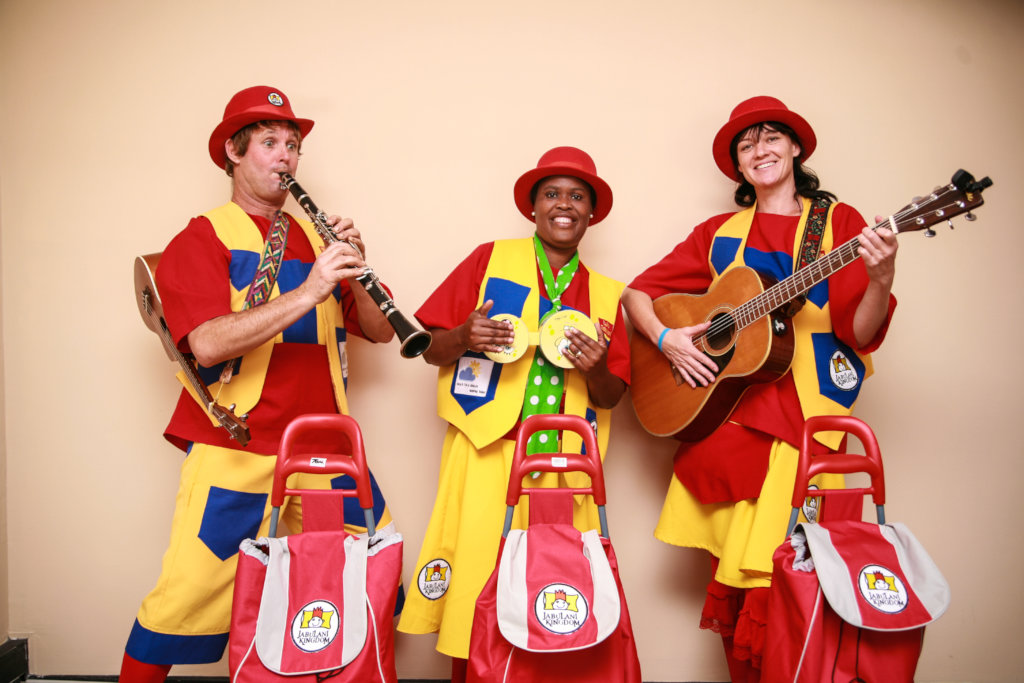
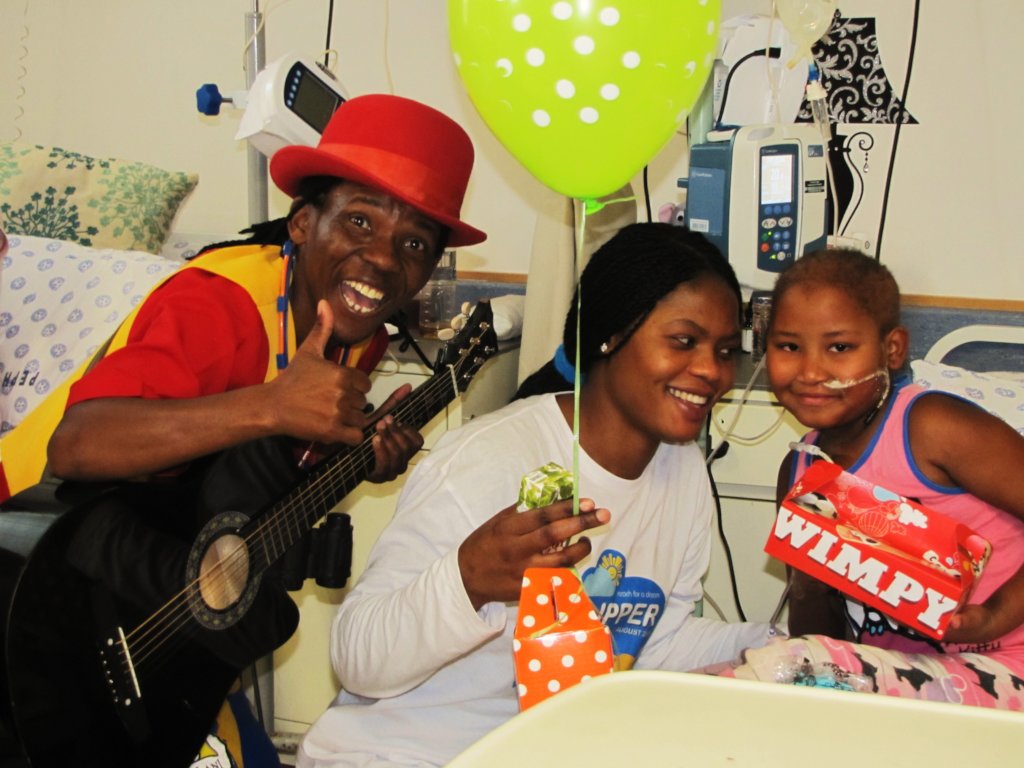
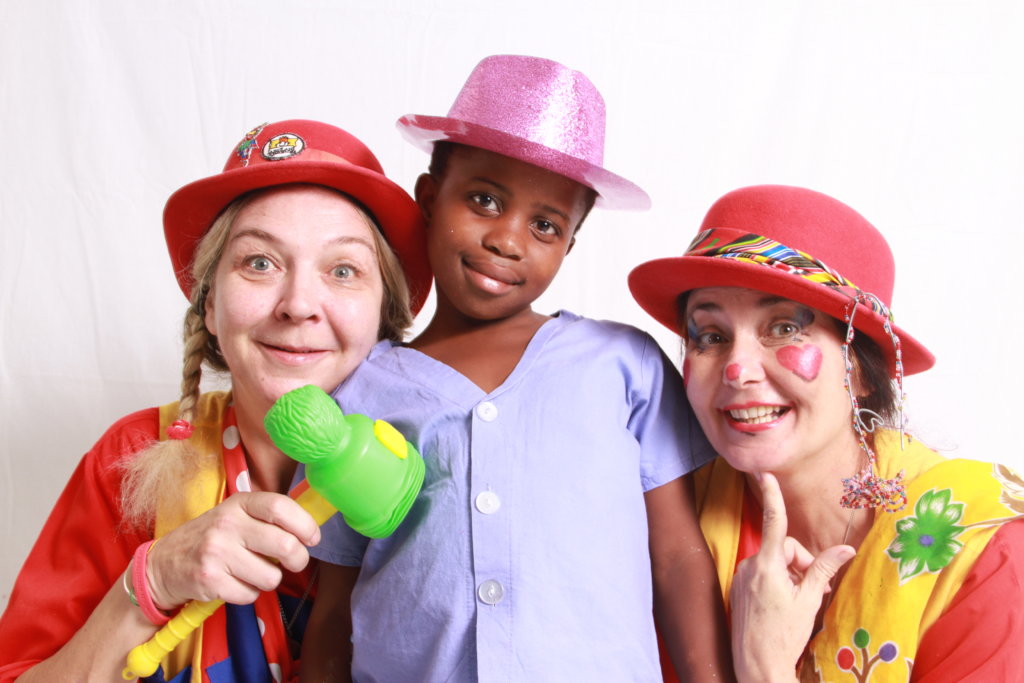
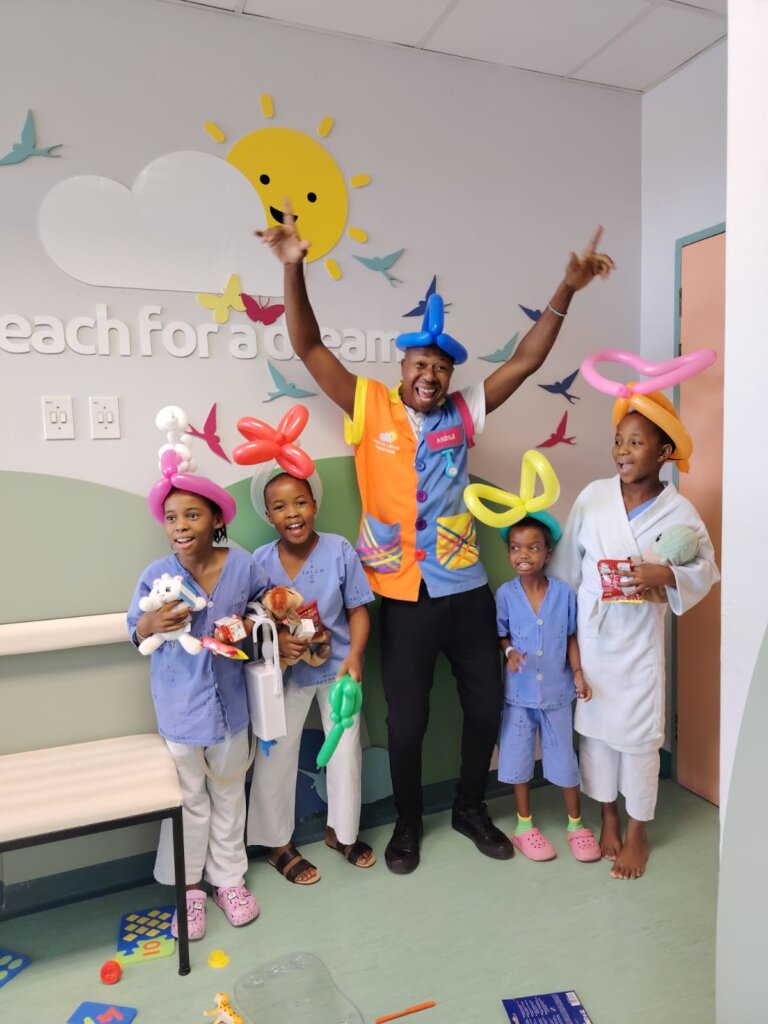
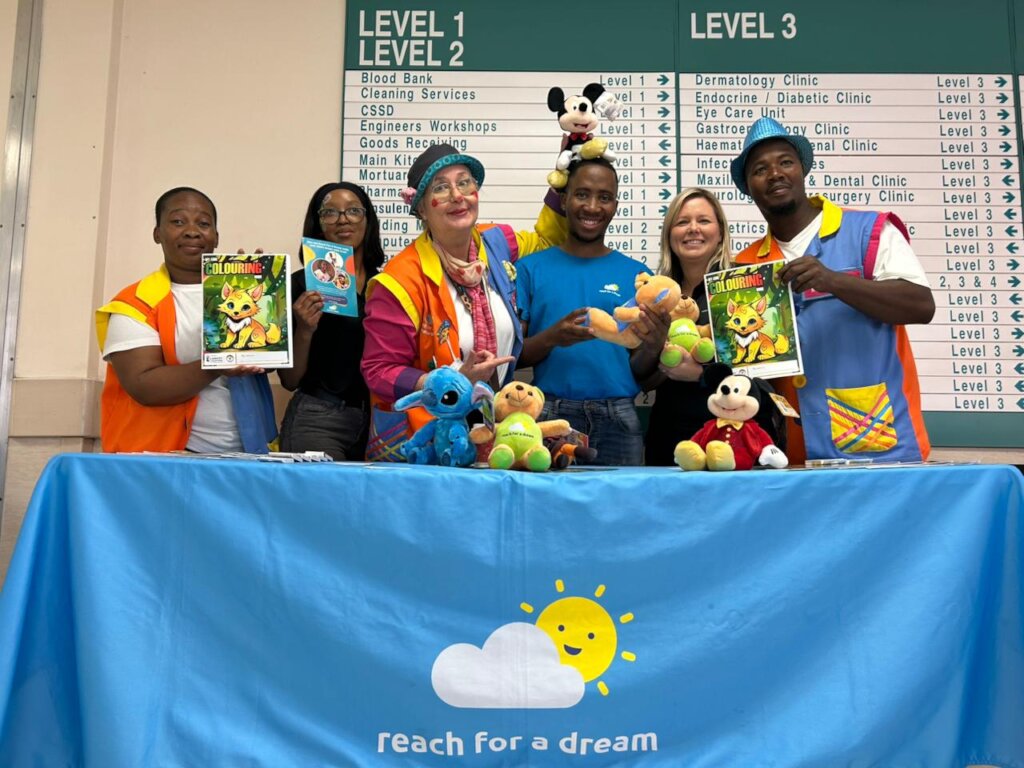
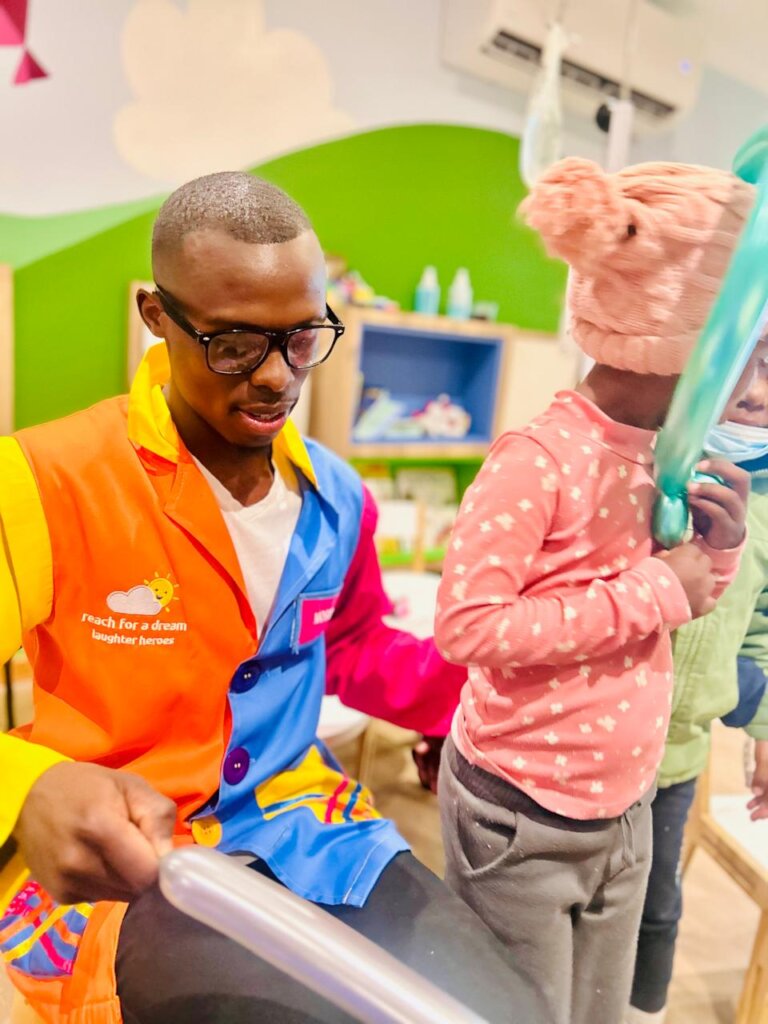
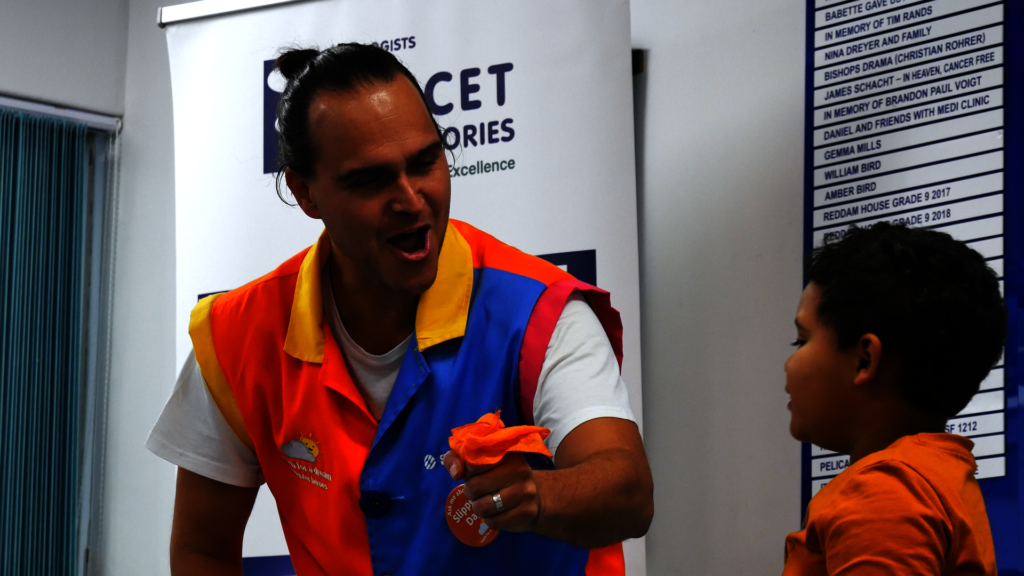
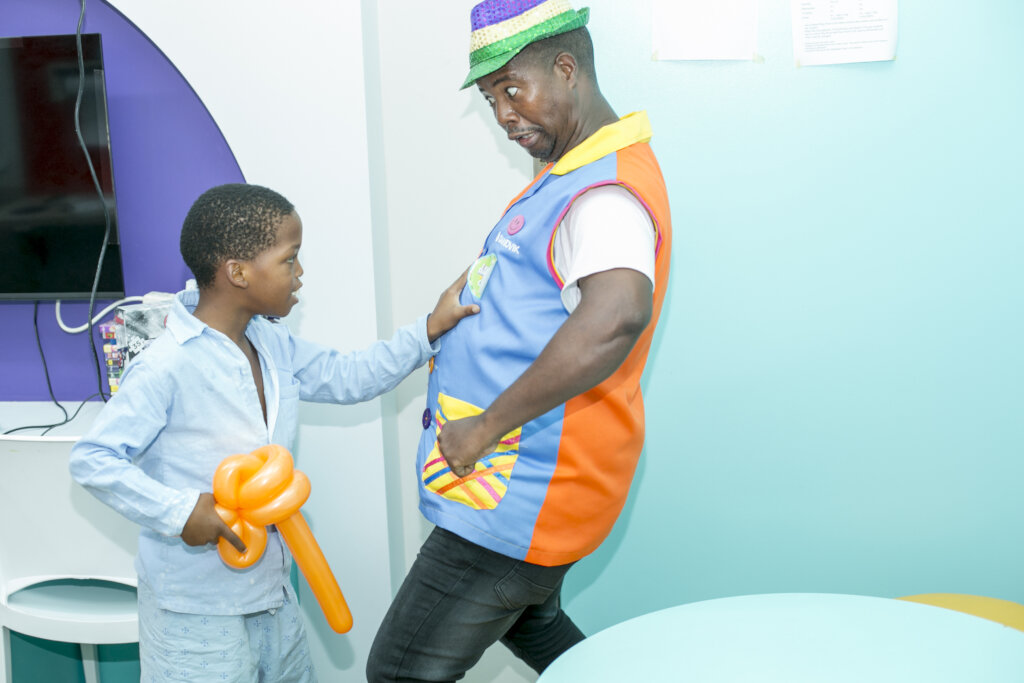
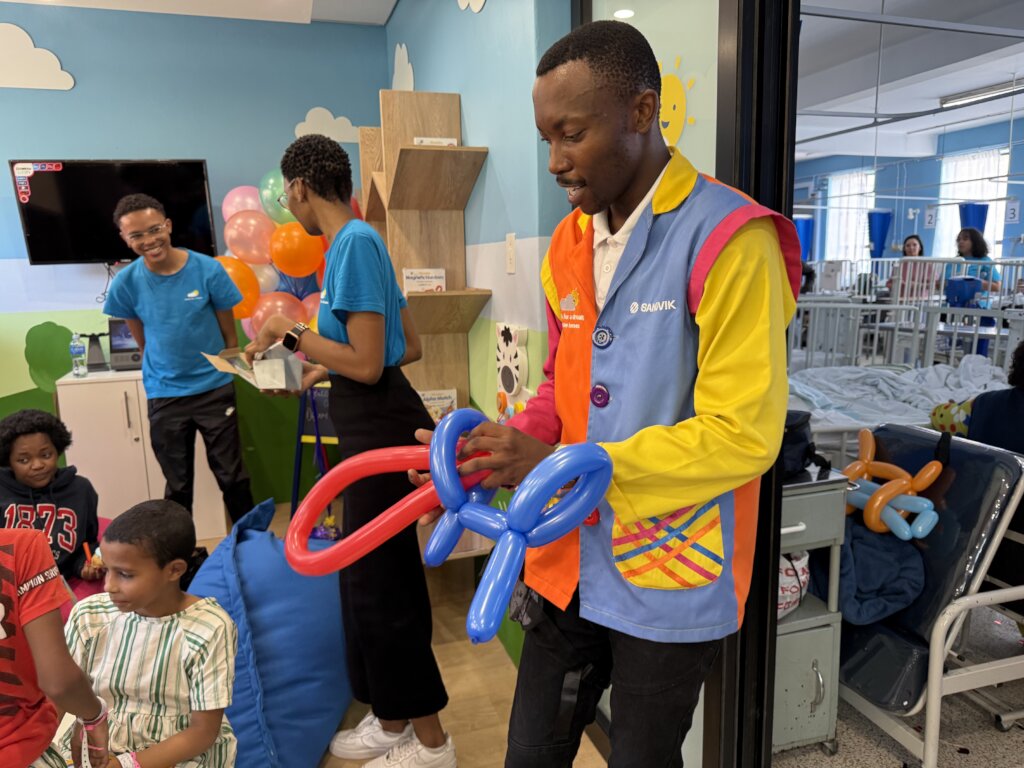
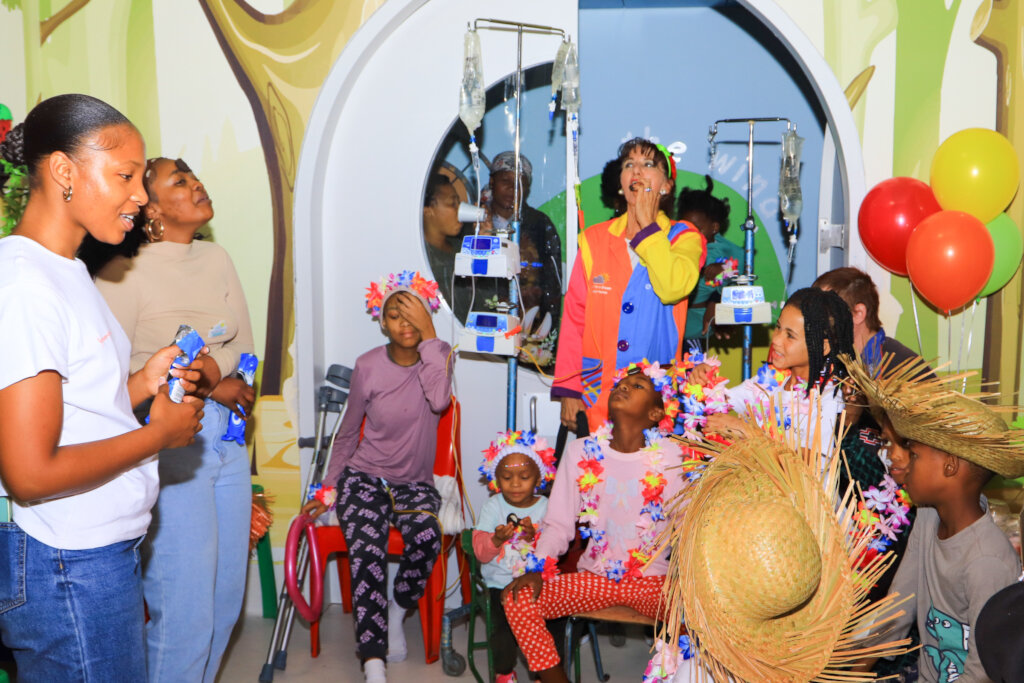
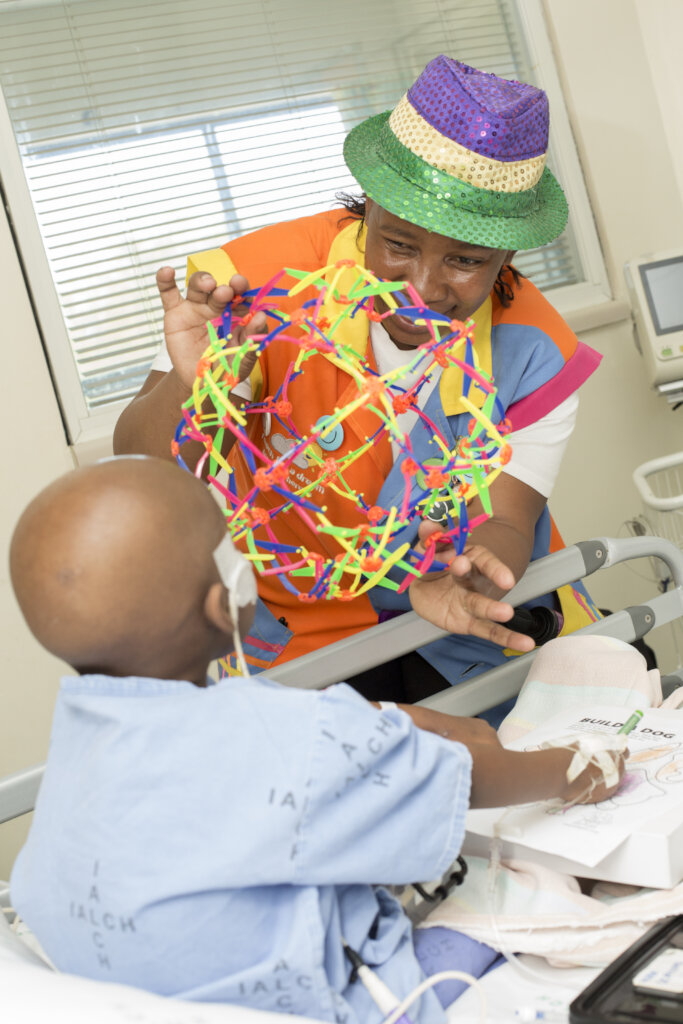
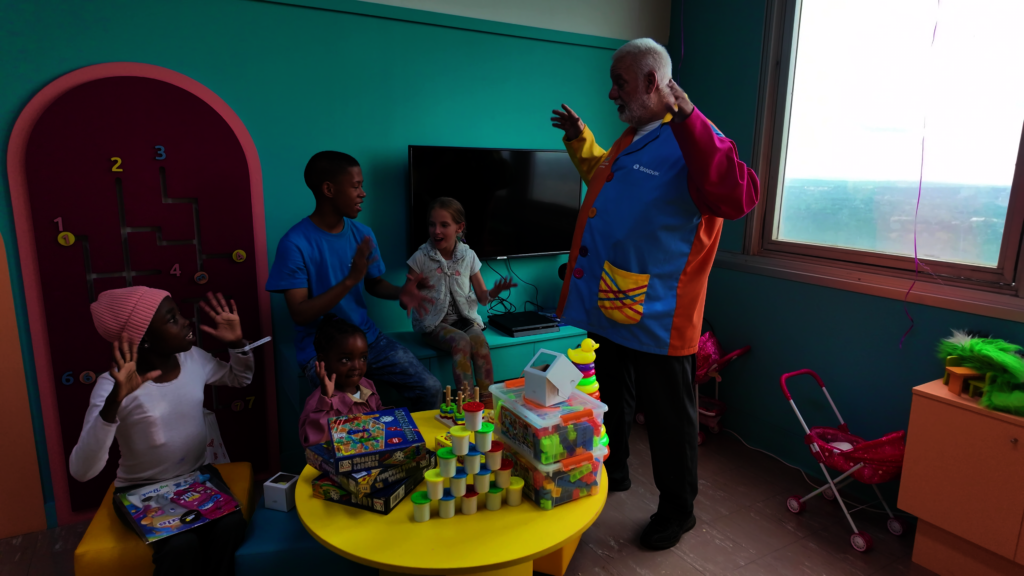
When looking at children admitted into hospital, being in hospital for long periods of time prohibits children from having “normal” experiences that contribute to their social and emotional development. There is currently one government employed doctor for every 2,457 people not covered by medical aid. In private care, one medical aid-registered doctor sees between 429 and 571 people.Given the strain on the South African healthcare system, life-threatened children in hospital are left feeling anxious, depressed and hopeless. Our Jabulani Kingdom therapeutic clowns ensure that more than 40,000 children in hospital receive the physical and emotional healing to support their treatment.
Being in and out of hospital can be a taxing experience as children are often surrounded by other sick children and have limited access to society at large. Moreover, most hospitalized children cannot be anywhere at any time. Because there are many mobility limitations placed on a hospitalized child, society at large does not have the necessary facilities to always include vulnerable, sick and disabled children. Given that most hospitalized children are also economically disadvantaged the need to include and facilitate activities for these children is high. When looking at the material state of government hospitals across South Africa it is clear that there is a need for more funds. The indirect consequence of the poor conditions in government hospitals is that hospitalized children are forced to spend long periods of time in conditions that are not always child friendly.
When a child becomes ill there is a significant amount of financial strain placed on children and their families as medical costs are often ongoing and expensive. Furthermore, access to adequate and all-encompassing healthcare is not a guarantee, particularly in the more rural areas of South Africa. This means that in most cases hospitalized children have limited access to basic necessities and opportunities to enrich themselves. Severely ill as well as sick children loose access to many privileges that healthy children have, simply because of the financial strain placed on the caregivers of these children. Many of the government run hospital across South Africa are under enormous financial and material strain meaning that children’s care has also become strained. Many large government hospitals do not have the time or resources to create an all-encompassing health care.
Objectives of Therapeutic Clowning through Jabulani Kingdom
2.1 We aim to achieve the below through Jabulani Kingdom
To alleviate the negative psychological, socioeconomic, and environmental impacts of an terminal illness on hospitalized children.
Uplift vulnerable communities, health service providers and individuals caring for hospitalized children.
To improve the quality of life for hospitalized children.
Empower our society by encouraging community participation and awareness around hospitalized children
Positively contribute to the healing and recovery of hospitalized children while complementing the current health care systems in South Africa
Jabulani Kingdom has impacted 234,955 lives over 10 years.