By Jessica Mayberry | Founding Director
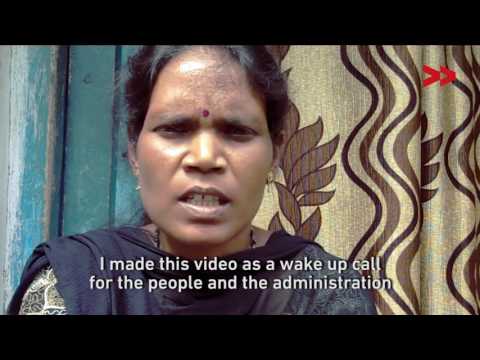
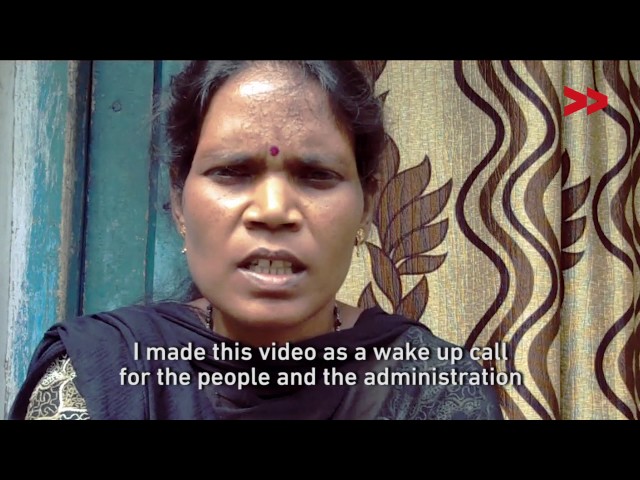
Two years ago, a young girl in the East Indian state of Jharkhand lost her mother, who was brutally killed, along with four other women, for being branded a ‘witch’. ‘Witch-hunting’, deeply rooted in patriarchy, continues to cast a dark spell in parts of India, even today. The case immediately caught the attention of VV Community Correspondent, Nirmala Ekka, who joined forces with a legal aid organisation. It resulted in a two-year long fight to ensure monetary compensation and a fear-free environment for the victims’ families. Today, more than a dozen people are in jail for the killings.
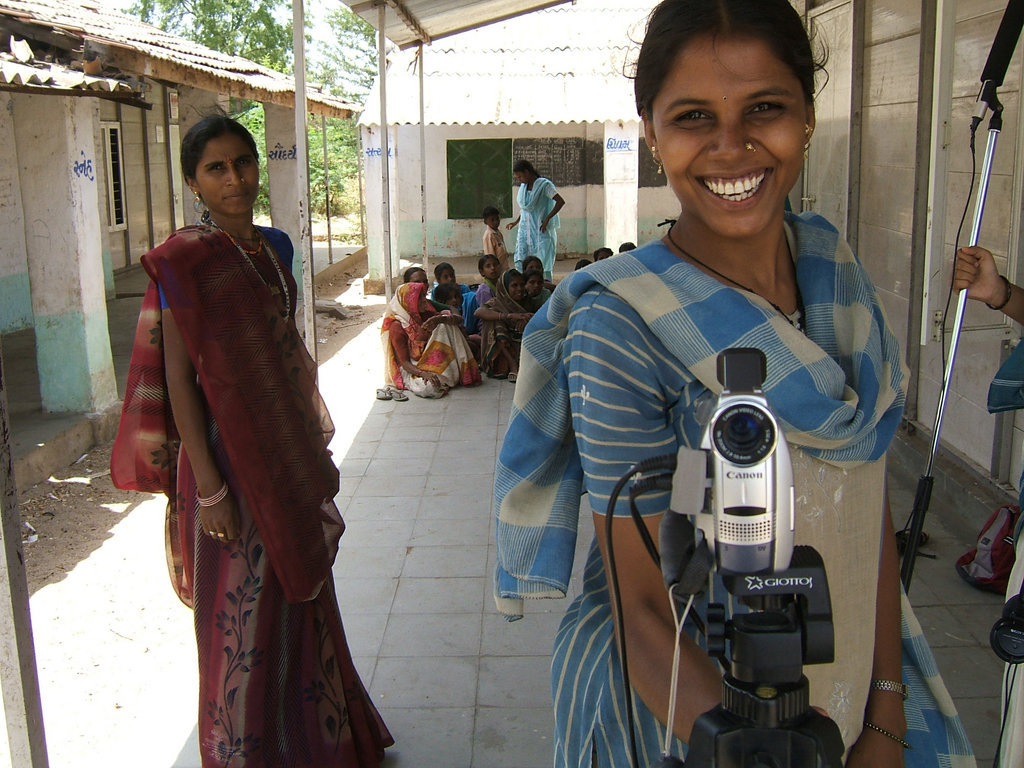
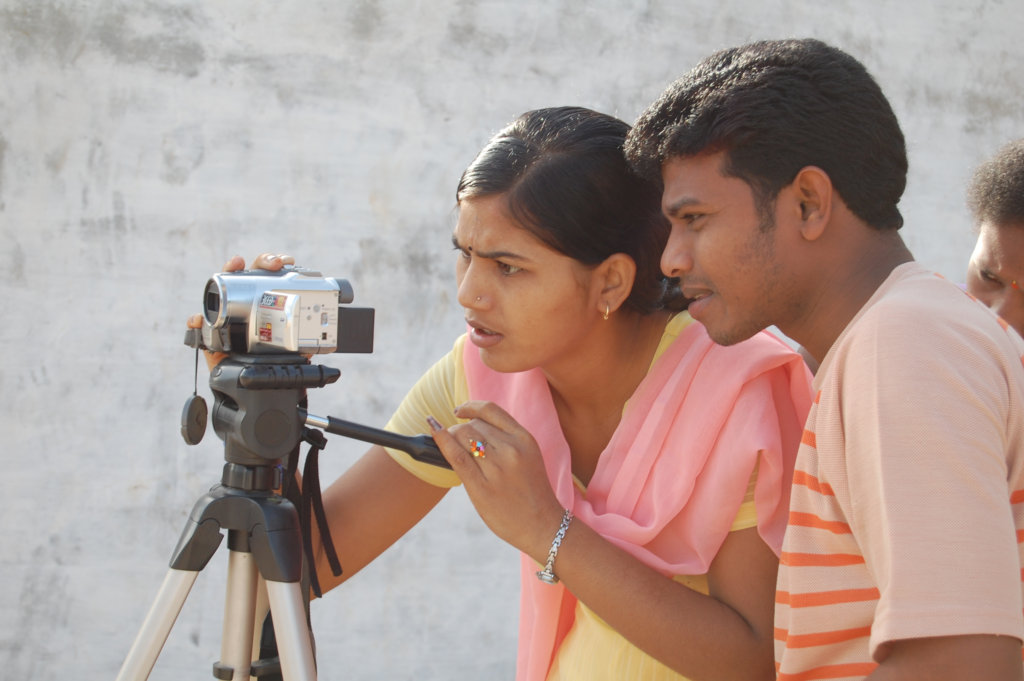
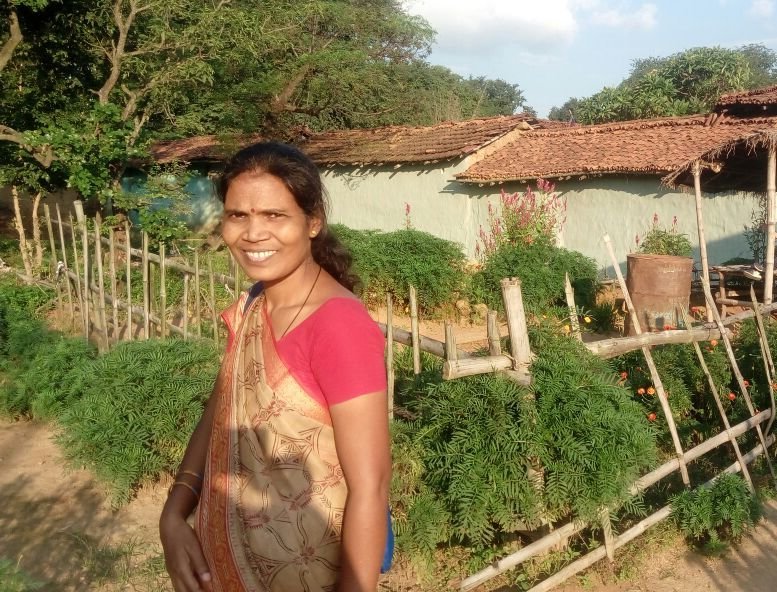
At VV, patriarchy is something we actively seek to document and dismantle through our stories. In August, we got together for our biennial jamboree to recognise and celebrate the amazing work that Nirmala and our countrywide network of 248 Community Correspondents do, everyday, in addressing patriarchy, caste-discrimination, corruption and more.
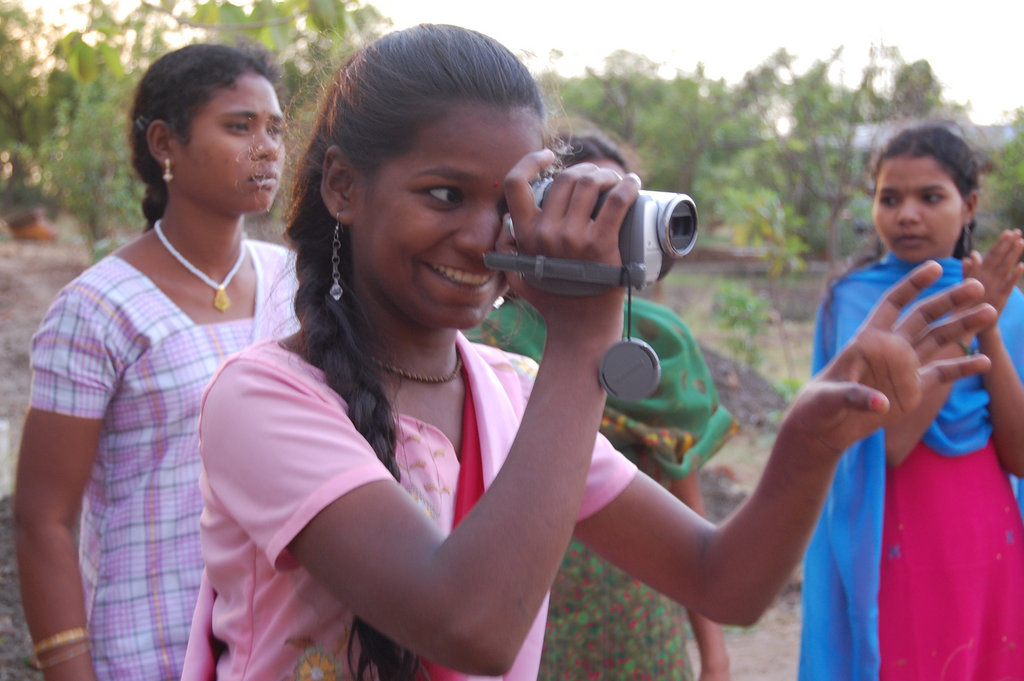
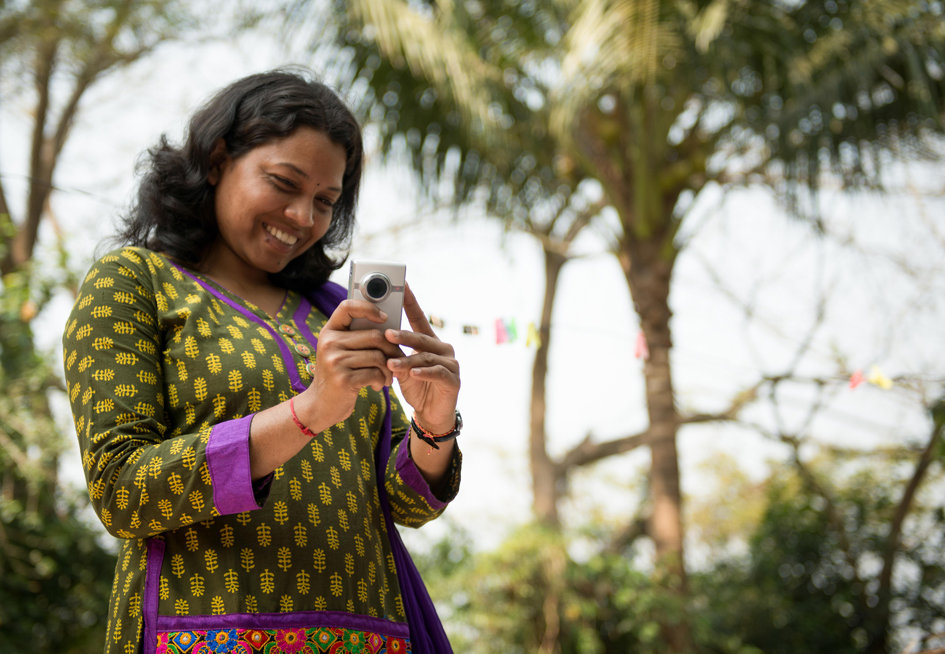
At the gathering, we ideated and rolled out new ways of expanding our grassroots and digital activism, especially around violence against women and patriarchy. Mobile journalism, a medium that all our Community Correspondents are being trained in, was identified as one of the best ways to strengthen citizen engagement. With the arrival of the internet in villages, correspondents can use their phones to shoot and edit short videos and get onto Facebook and WhatsApp to build communities and get their rural neighbours to take action.
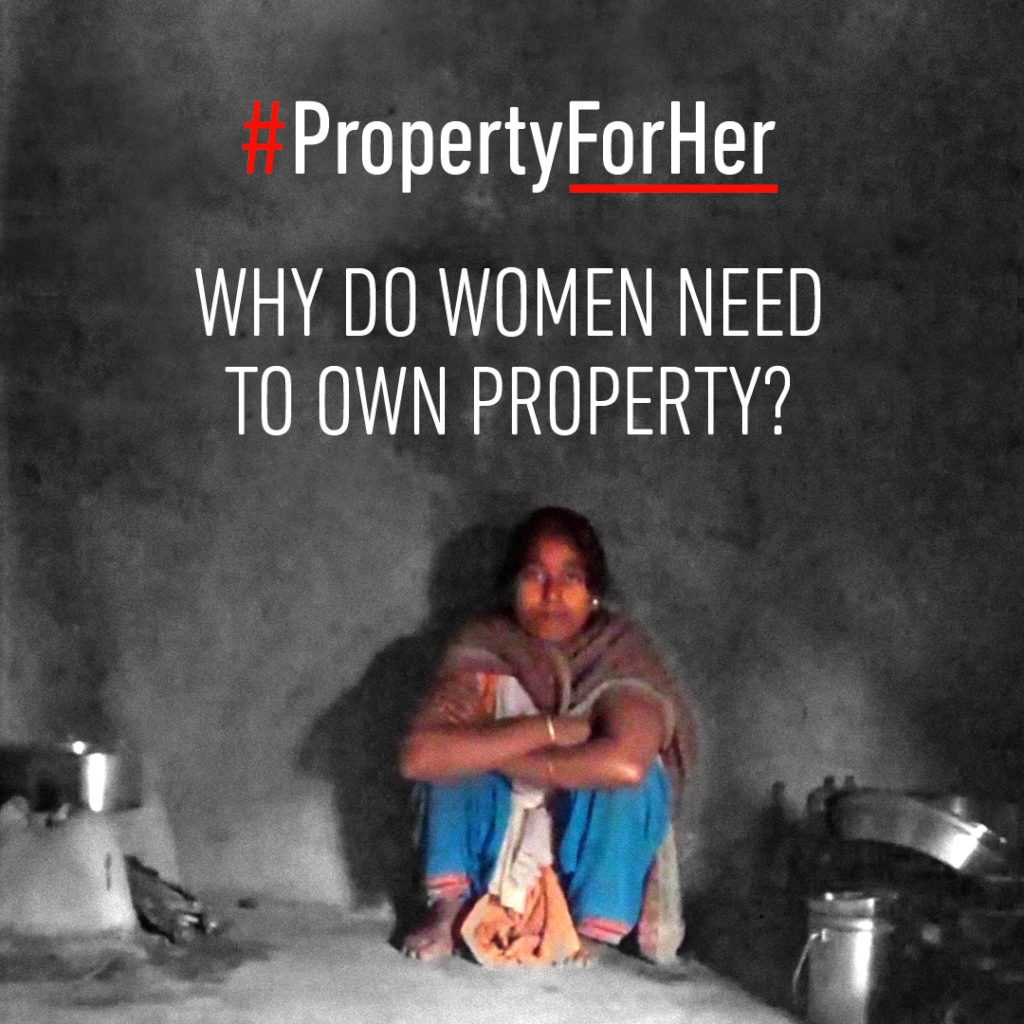
While women in rural India continue talking about issues like property rights, gender mannerisms and patriarchy in religion in our village-level discussion clubs, we’ve also been engaging our urban, digital audiences through Facebook and Twitter. Leading South Asian feminist organisations have participated in our regular online engagements which have culminated in a wealth of opinions and insights on inheritance laws, women’s labour and inequality in marriage. With our Twitter Chats and other online engagements, we’re connecting our grassroots work to global conversations on gender, patriarchy and rights.
This year, we have also recruited 21 new correspondents from the northern states of Jammu & Kashmir, Himachal Pradesh and Uttarakhand. These states, nestled in the Himalayas, are major biodiversity hubs and were chosen because of the adverse effects of climate change on the indigenous, minority communities living there.
With 248 Community Correspondents in such critically important areas on board, we will be going where no newsroom has ever gone before.
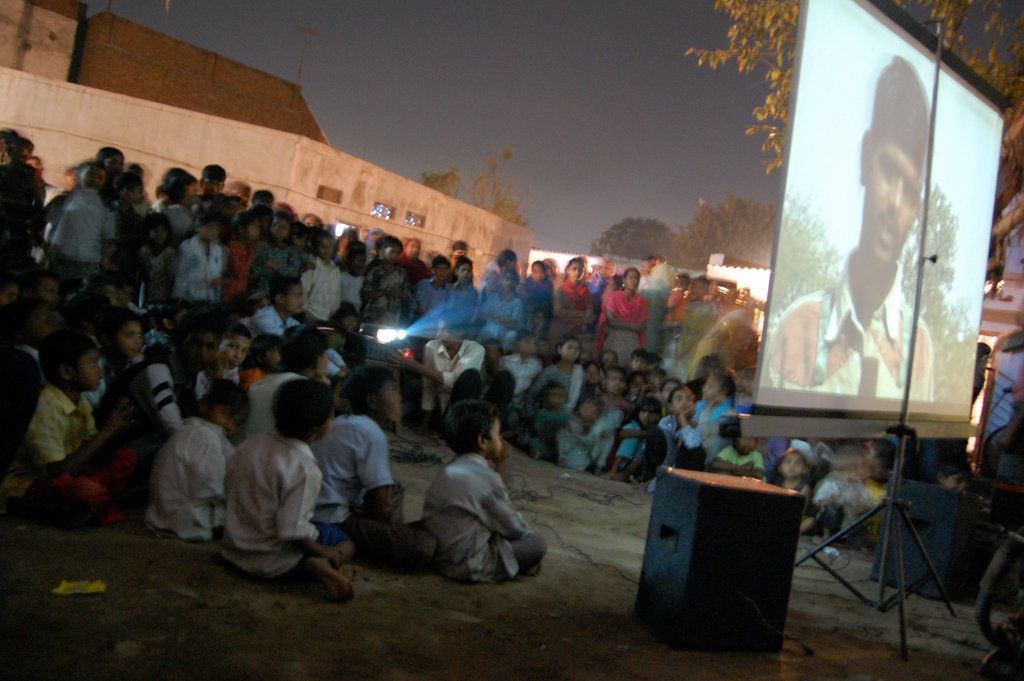
With more and more mobile journalism videos coming in from the vast network each day, we hope to bring out stories from the most media-dark regions of the country, and to better lives by empowering people to tell their own stories. Re-energised after the biennial meet, some of our Correspondents have begun to train other members of their communities in video activism as well!
Our correspondents draw their support from their peers, their communities and from global audiences and donors like you. As the year-end fundraising season begins, especially with #GivingTuesday round the corner, help VV get a strong start by sponsoring our upcoming mobile journalism training for women Community Correspondents. Donate today!
Project reports on GlobalGiving are posted directly to globalgiving.org by Project Leaders as they are completed, generally every 3-4 months. To protect the integrity of these documents, GlobalGiving does not alter them; therefore you may find some language or formatting issues.
If you donate to this project or have donated to this project, you can receive an email when this project posts a report. You can also subscribe for reports without donating.