By Pueblo a Pueblo | Pueblo a Pueblo
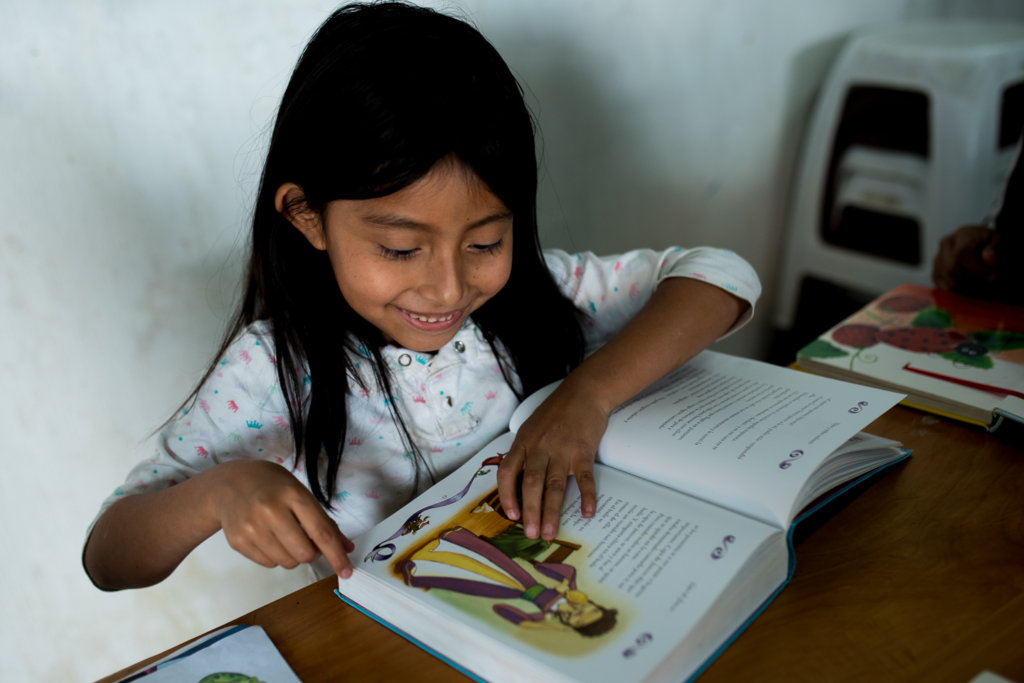
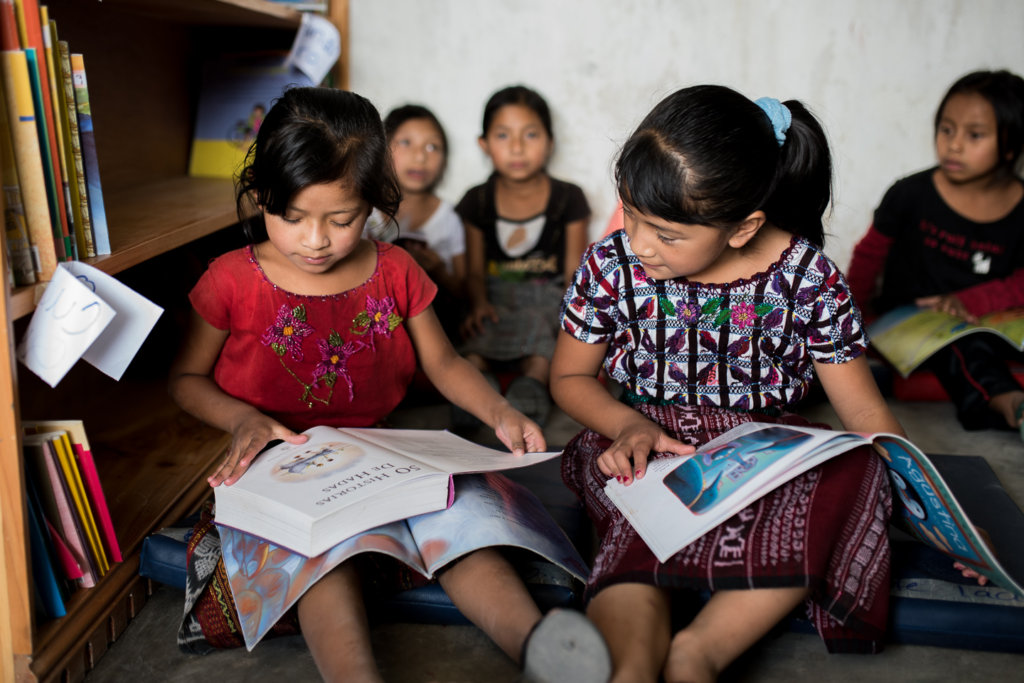
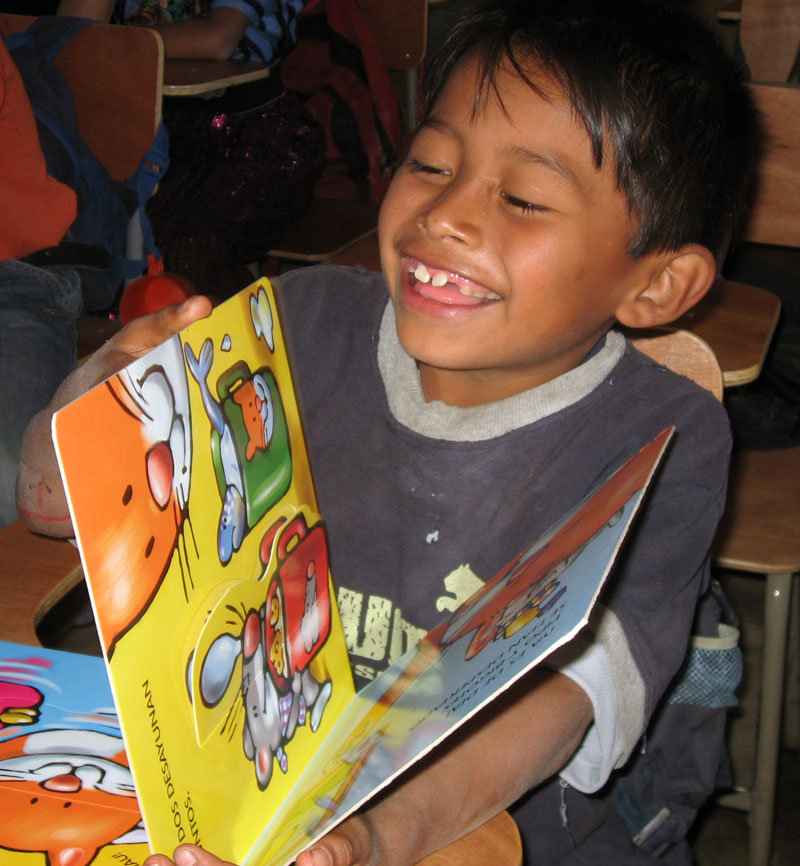
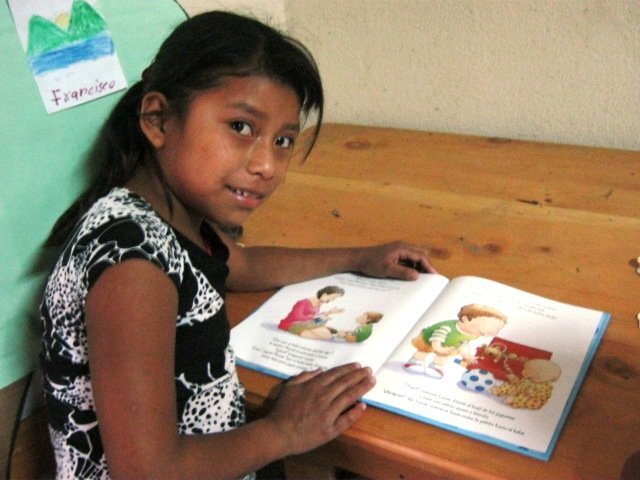
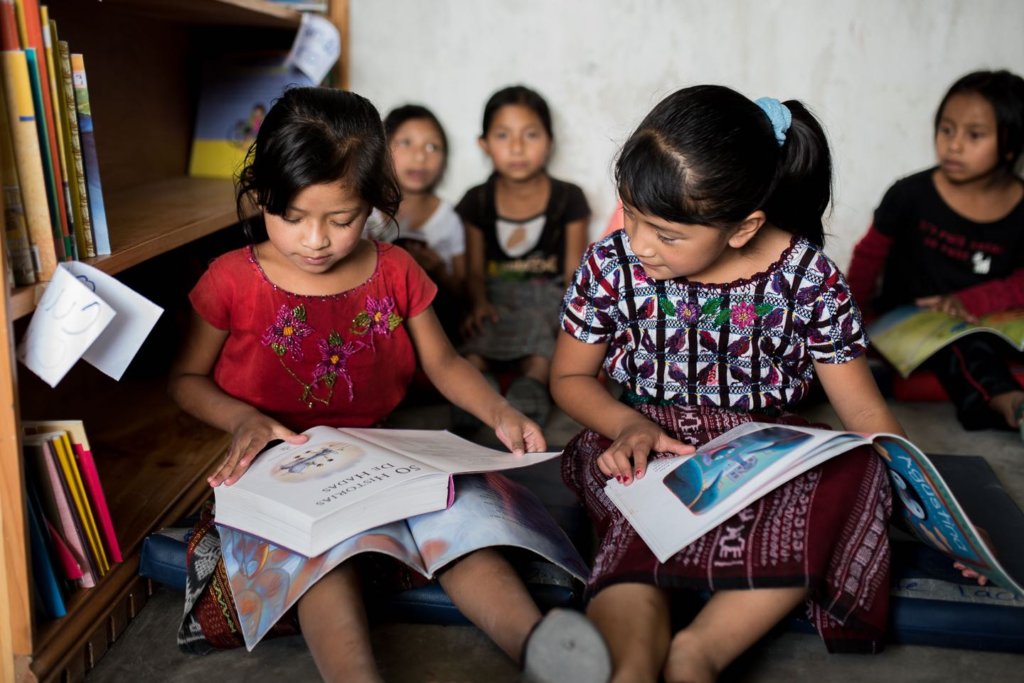
At Pueblo a Pueblo, we believe in the power of stories, our libraries hum with excitement. We believe that imagined adventures, meeting “new” characters and learning how to face adversity in stories are fundamental skills children need for their social and psychological development.
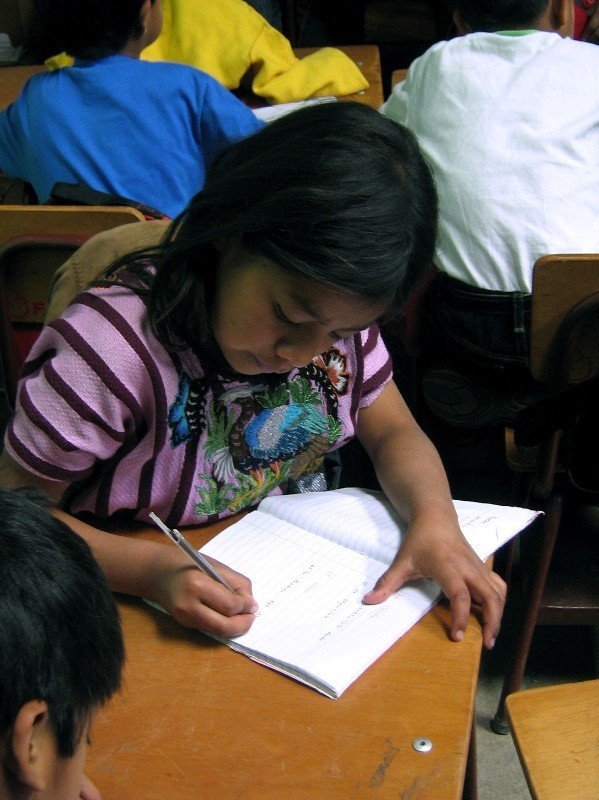
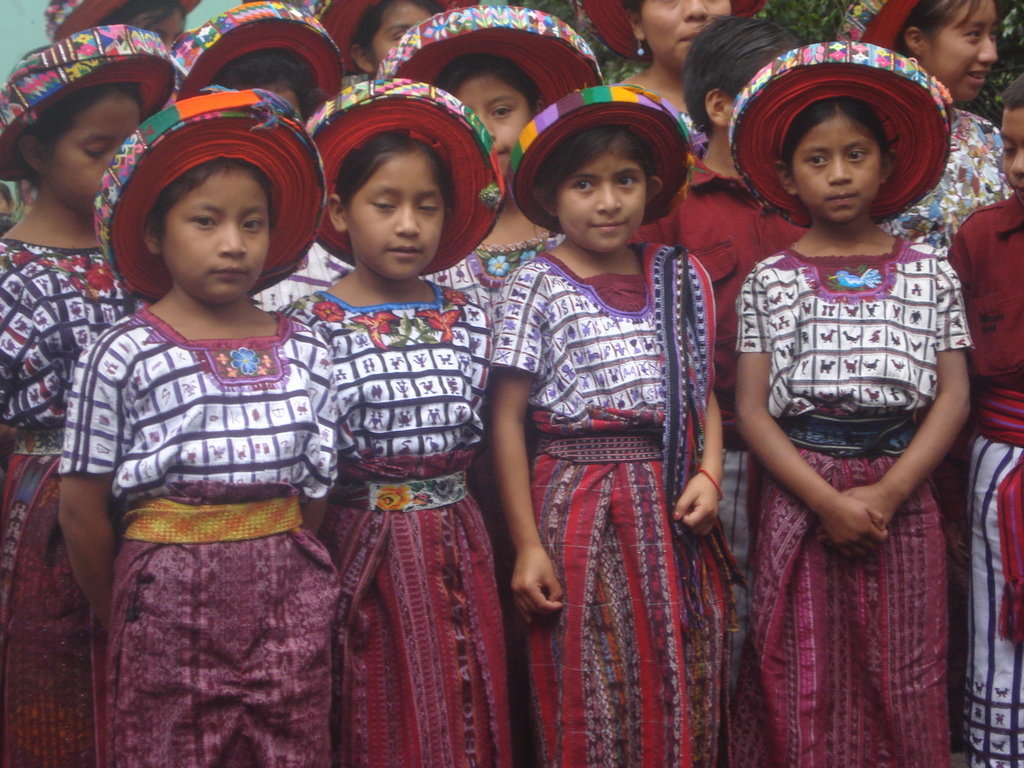
The children at our beneficiary schools face many obstacles, including malnutrition, poverty and generational illiteracy. Families trying to support their children through school have little time to foster the imagination and creativity of their children. One of the biggest goals when working towards literacy, and one we try to foster with our literacy programs, is to enable comprehension and critical thinking skills necessary to become empowered members of society.
Guatemalan writer Julio Serrano Echeverría also believes in the power of stories. He translates ancient Maya oral stories he collects from elders throughout Guatemala. He claims to be the author, but not the writer” because no one is the owner of oral stories.
Julio caught our attention through his stories. When choosing books for our libraries, we often search for works that our young readers will be able to identify with. His collection of Maya folktales are stories that children from our beneficiary schools enjoy because they can relate to them. Many of the stories take place in indigenous communities like their own and are similar to the stories their grandparents have told them.Julio’s books are very popular in our lending libraries.
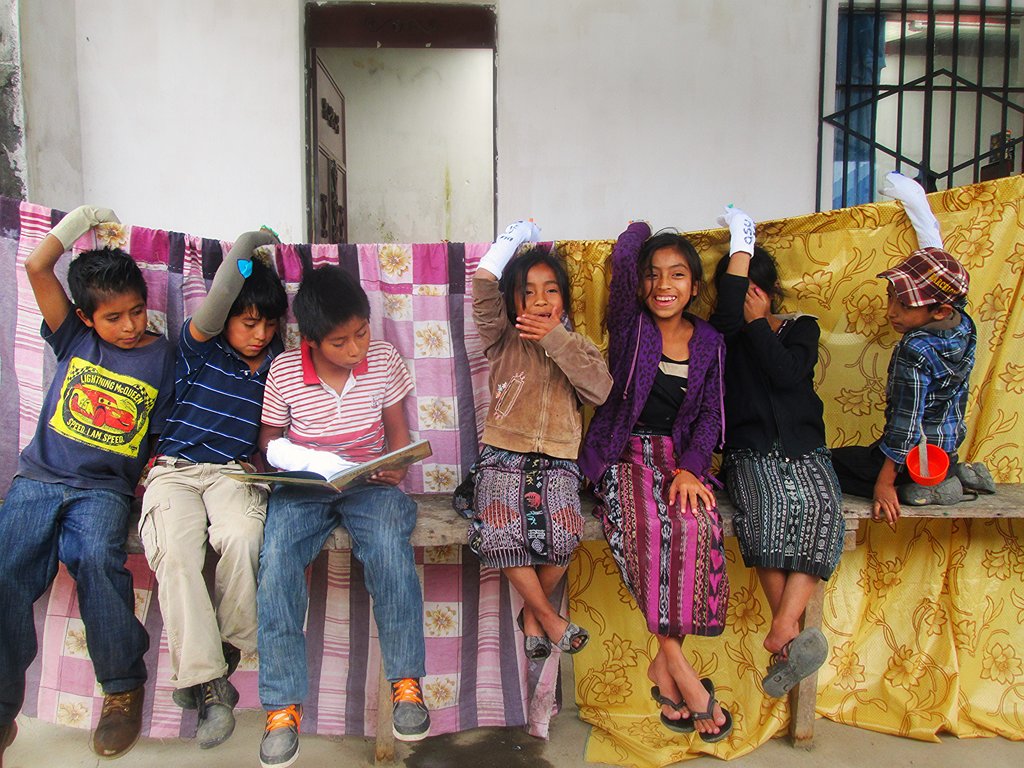
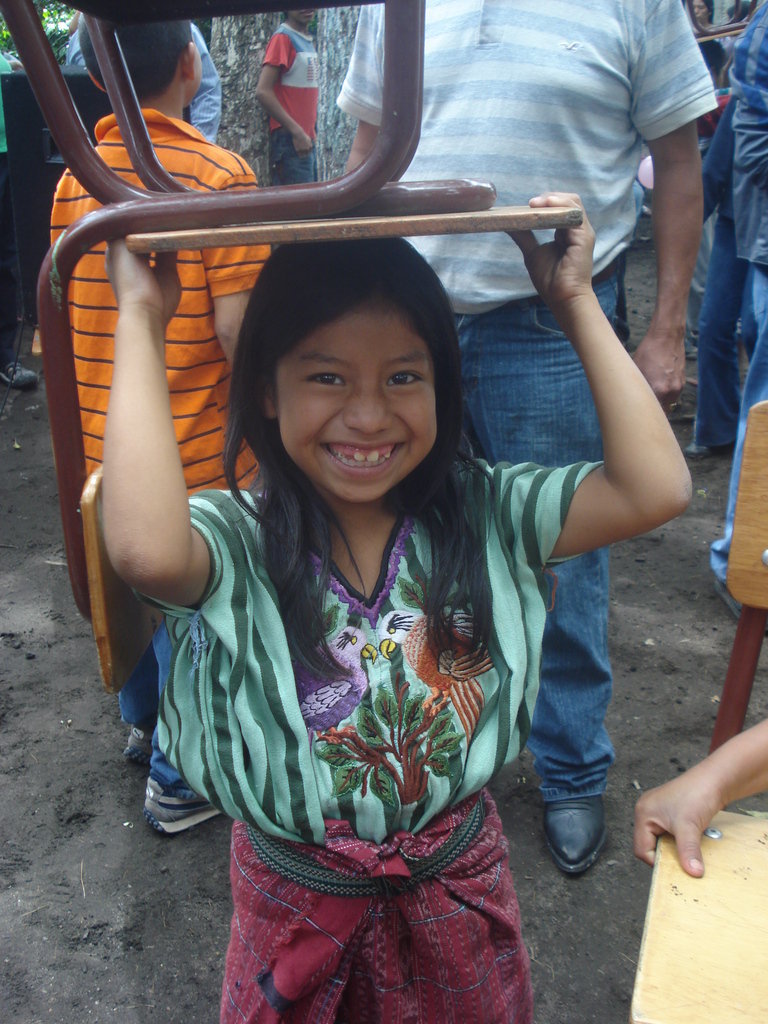
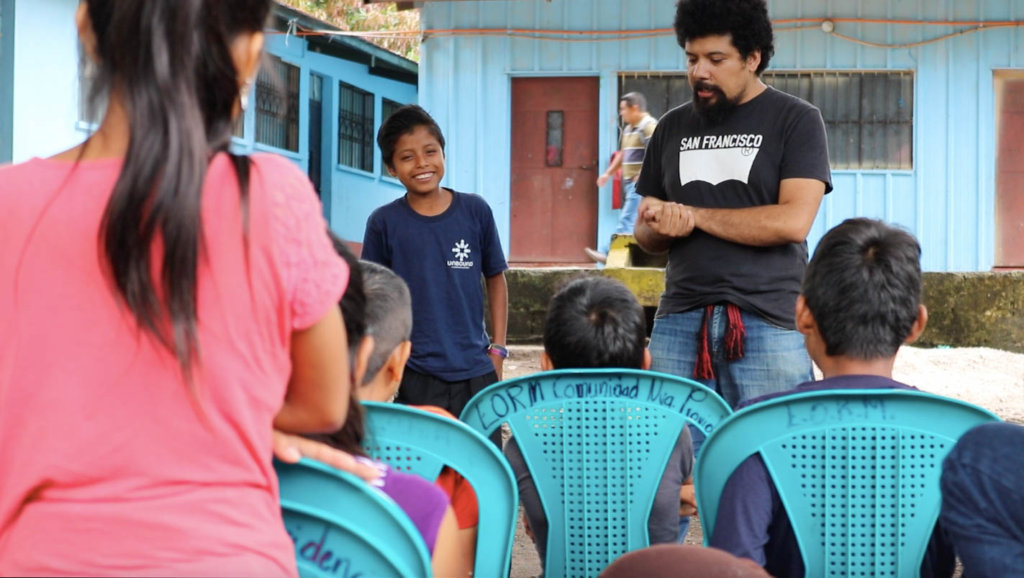
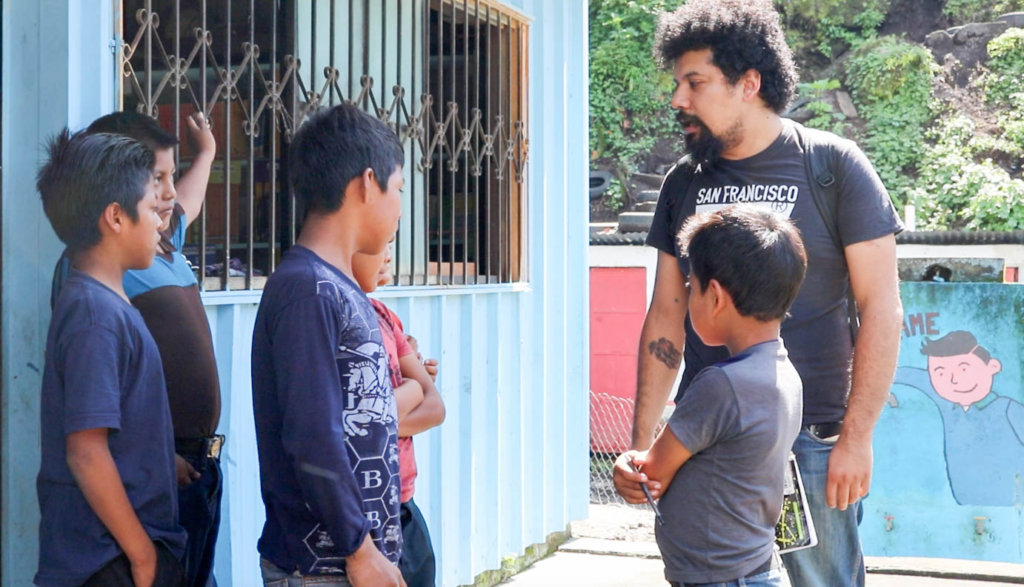
Pueblo a Pueblo and Julio teamed up to show the students at the Nueva Providencia Primary beneficiary school, in San Lucas Toliman, how they also have the power to be storytellers and to teach them how to translate their unique experiences into creative narratives.
“It’s important to empower kids, to show them they can be in control of their own stories and their own lives, to use their creativity to understand the world around them and to create their dreams for the future,” explained Juan. This is especially important for kids in underserved populations, which the world has told do not have a significant role in the larger social narrative,” he added.
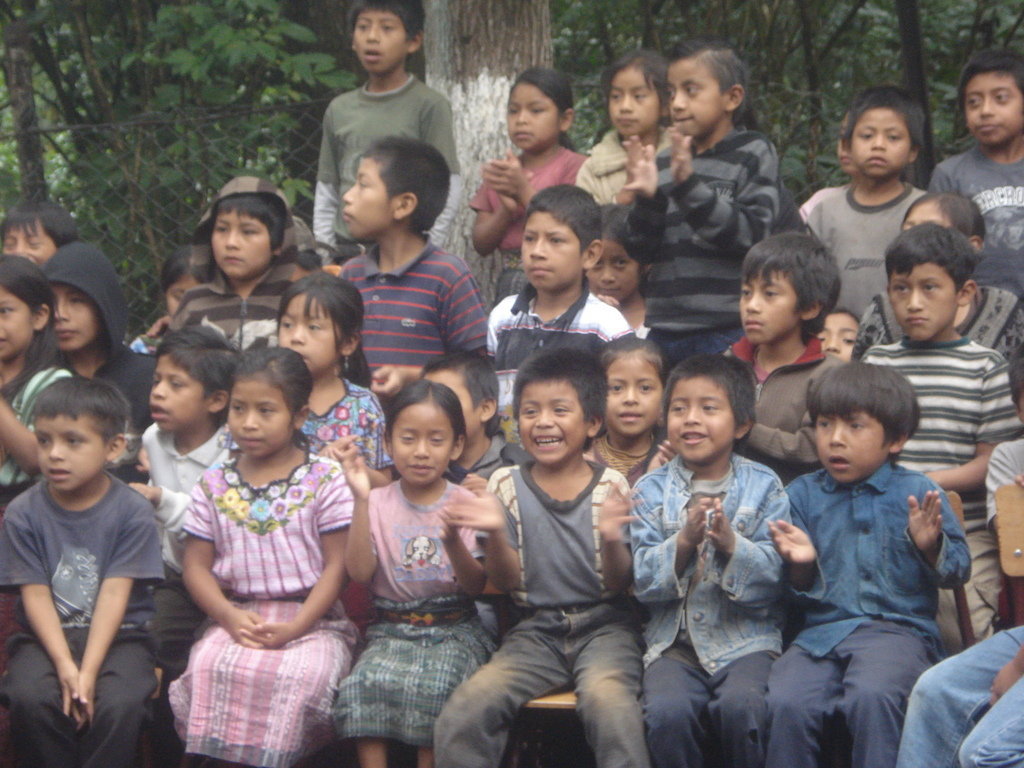
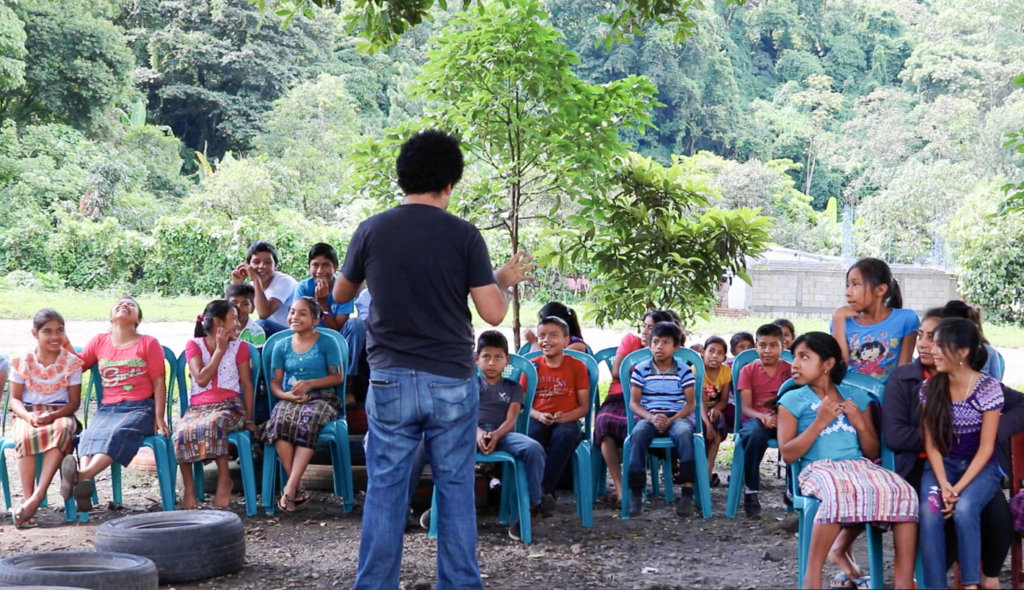
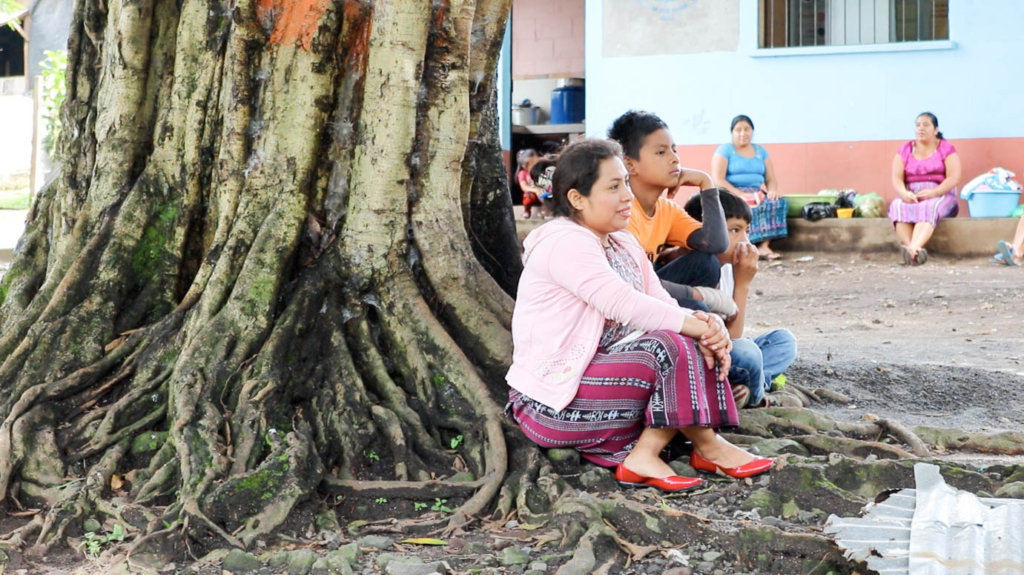
About 30 students huddled under a giant tree in front of the 4 room school building.
“What can you tell me about this tree?” Julio asked the eager but shy students.
The giggling children responded:
“It’s really old.”
“It has spiders on it.”
“It used to have a branch but too many kids swung on it and it broke off.”
“It used to be where kids would go to school before the school was built.”
“So the tree is a big part of your lives. Does the tree have a name?,” asked Julio, hoping to develop a character for their collective story. After careful deliberation, the children decided to name the ancient tree “Mrs. Juana.”
By the end of the activity, the children had added details to their beloved new character who now permanently resides outside their classroom. Together they created a story explaining how “Mrs. Juana” - settled her roots in this very spot. One by one they said goodbye to “Mrs. Juana,” by patting her trunk as they headed back to their classrooms.
It only took an hour for these students to reconnect with the ancient art of storytelling and use their imaginations to create a new world. We hope they continue to nurture their imaginations through storytelling as part of their classroom activities. Your GlobalGiving support creates oportunities to nurture the imagination of our students through workshops and access to stories. Thank You!
Project reports on GlobalGiving are posted directly to globalgiving.org by Project Leaders as they are completed, generally every 3-4 months. To protect the integrity of these documents, GlobalGiving does not alter them; therefore you may find some language or formatting issues.
If you donate to this project or have donated to this project, you can receive an email when this project posts a report. You can also subscribe for reports without donating.