By Richard Margoluis | Vice-President
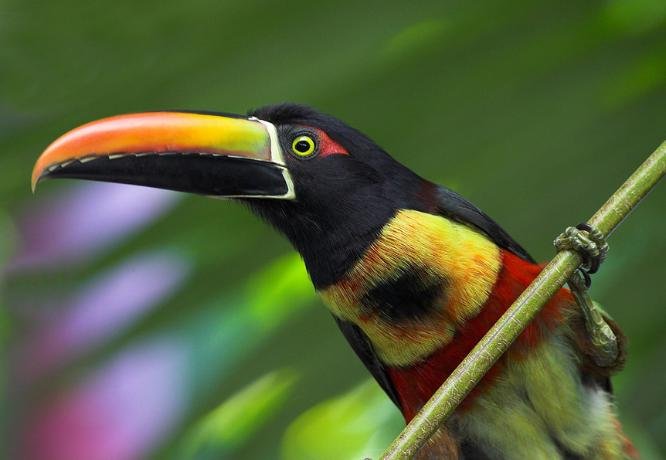
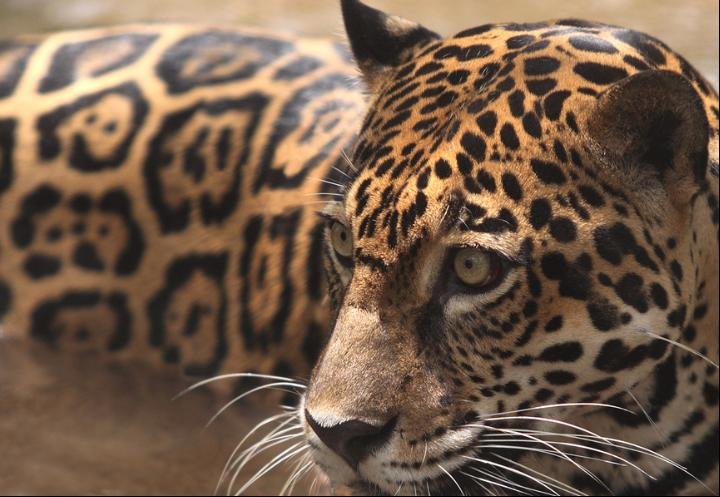
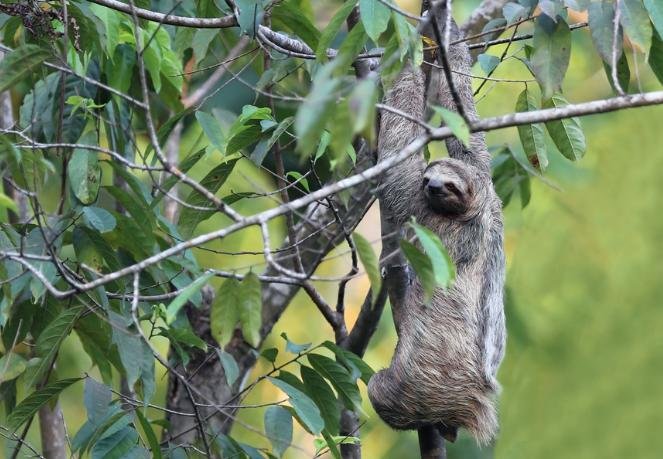
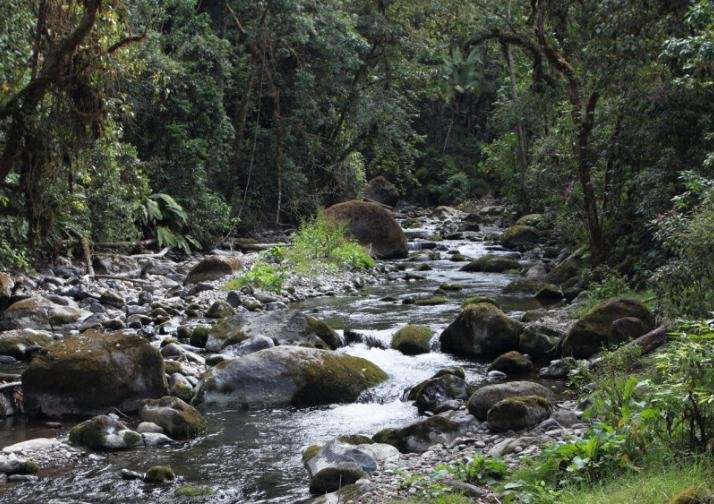
Our community-based local council continues to gain momentum as the administrator of the biological corridor. It recently established a monitoring system throughout the corridor that includes 12 camera “traps” – automatic wildlife cameras that are tripped by an invisible infrared beam when an animal passes by. (We are looking to place more camera traps at strategic points throughout the corridor and so if you can help us purchase more cameras, we’d appreciate it! They cost about $400 each…) More recently we reinitiated our environmental education efforts in primary schools with a program that includes six schools in the corridor. During our many visits to the communities, we learned of a new and emerging challenge to conservation efforts in the corridor. After fighting for so long to create the conditions to have habitat and major species of wildlife return, we are seeing a strange measure of success: predation of domestic livestock by wild cats, mostly puma and ocelot. While it is great to see major predator numbers rebounding, we need to work with our community partners to figure out a way to minimize or otherwise offset the loss of domestic animals.
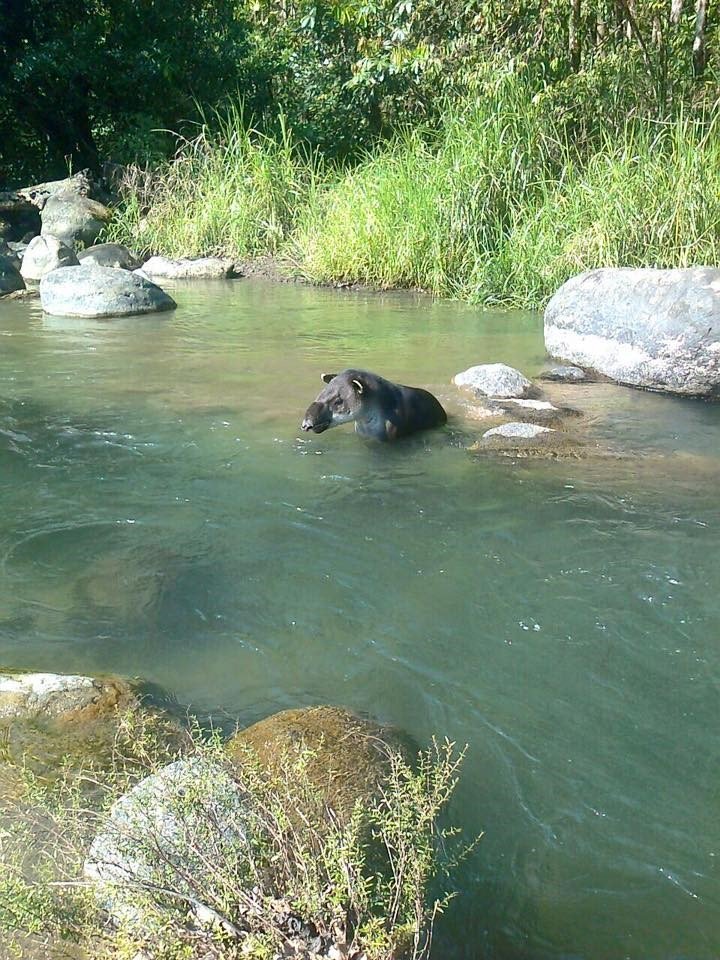
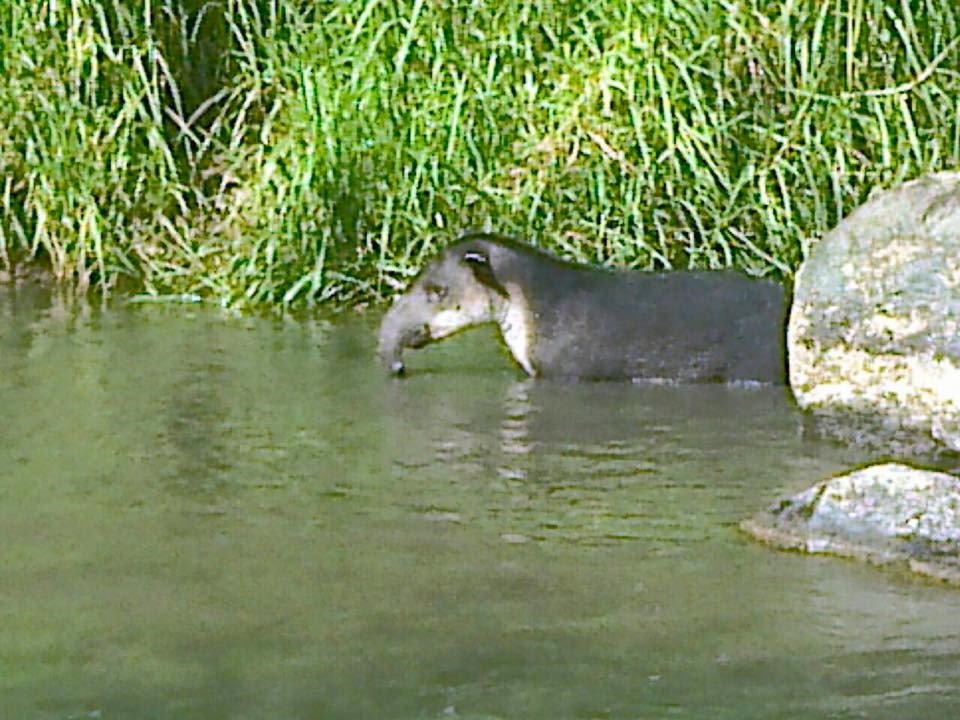
One very exciting piece of news we’d like to share with you! A tapir was spotted (and photographed) in the area of the corridor that joins the Savegre Watershed. Check it out (photos attached). Yea!!!
Project reports on GlobalGiving are posted directly to globalgiving.org by Project Leaders as they are completed, generally every 3-4 months. To protect the integrity of these documents, GlobalGiving does not alter them; therefore you may find some language or formatting issues.
If you donate to this project or have donated to this project, you can receive an email when this project posts a report. You can also subscribe for reports without donating.