By Heidi Reed | Edesia's Communications Manager
The following is a first-hand account of how Ekitobeero is impacting the mothers and children in the Ruhiira region of Uganda. Written by Praneetha Vissapragada, an intern, it was just received today, along with some photos she took with her phone, which I also wanted to share.
“Do you like Ekitobeero?” I asked the quietly attentive room.
“Yes” they said in unison, the word ringing in the air.
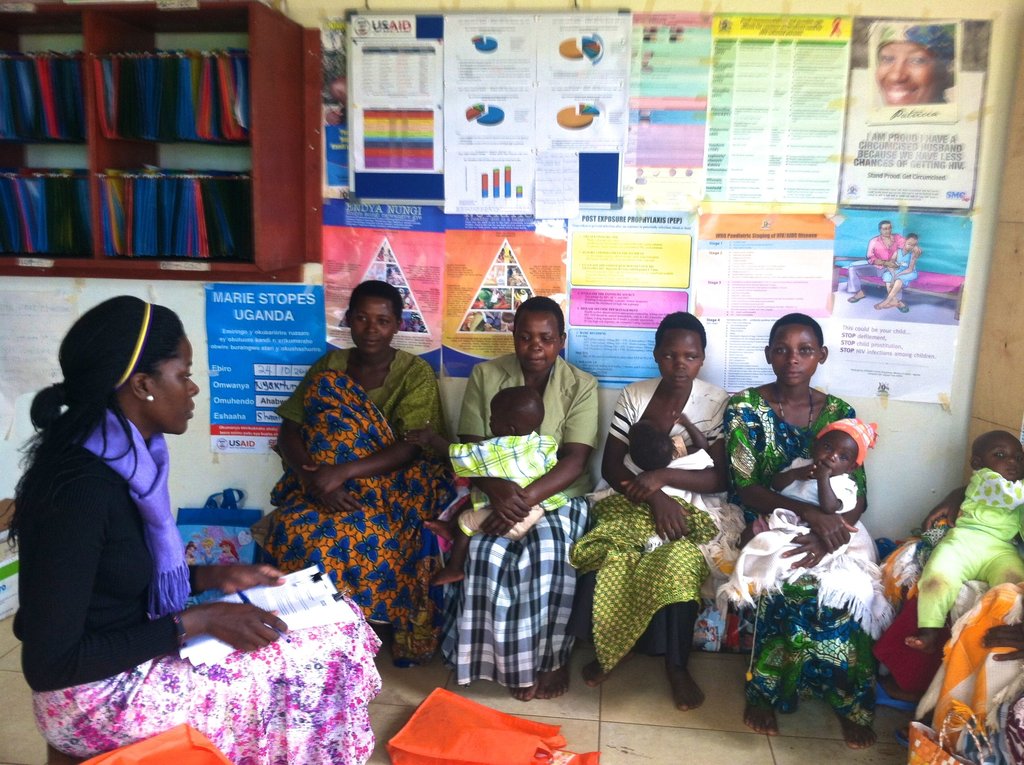
This happened yesterday in Nyakitunda health center during a focus group on Ekitobeero I conducted with 15 mothers receiving Ekitobeero. The mothers arrived in the small room of cement walls; the room damp from the rain outside amplifying the smell of the wooden benches and dirt on the floor.
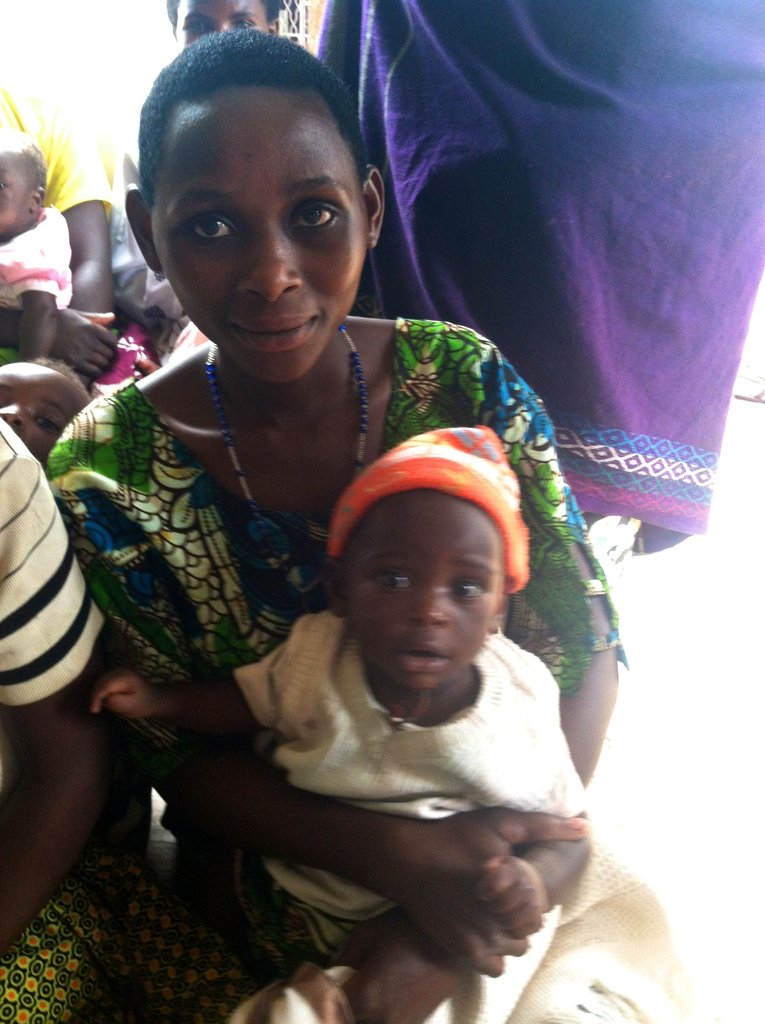
The 15 mothers were of varying age; the youngest in her early 20s and the oldest in her 40s. Some of the mothers had their babies with them cradled in their arms and cooed into being quiet during the hour-long focus group.
All of these women work on small farms and spend most of their day hurrying to plant matoke, or green bananas, during the short rainy season.
Most of them walk from these fields or their houses, sometimes an hour away, on muddy roads winding across hills to make it to Ekitobeero distribution.
When I asked what challenges these mothers faced, one mother, rocking her child in her lap, said in the local language, “The challenge is having enough food to feed your child. Sometimes even when there is food, there is no firewood to cook the food. When it rains at night, the wood is too wet to use for cooking so at times we cannot cook until dinner.”
This happens once or twice a week.
For me, it makes me question how much we take for granted. Having grown up in the States, depending on rain and wood for meals everyday seems like a reality that would not exist in 2014. It strikes me that this not a page out of a history book but is daily life in Nyakitunda.
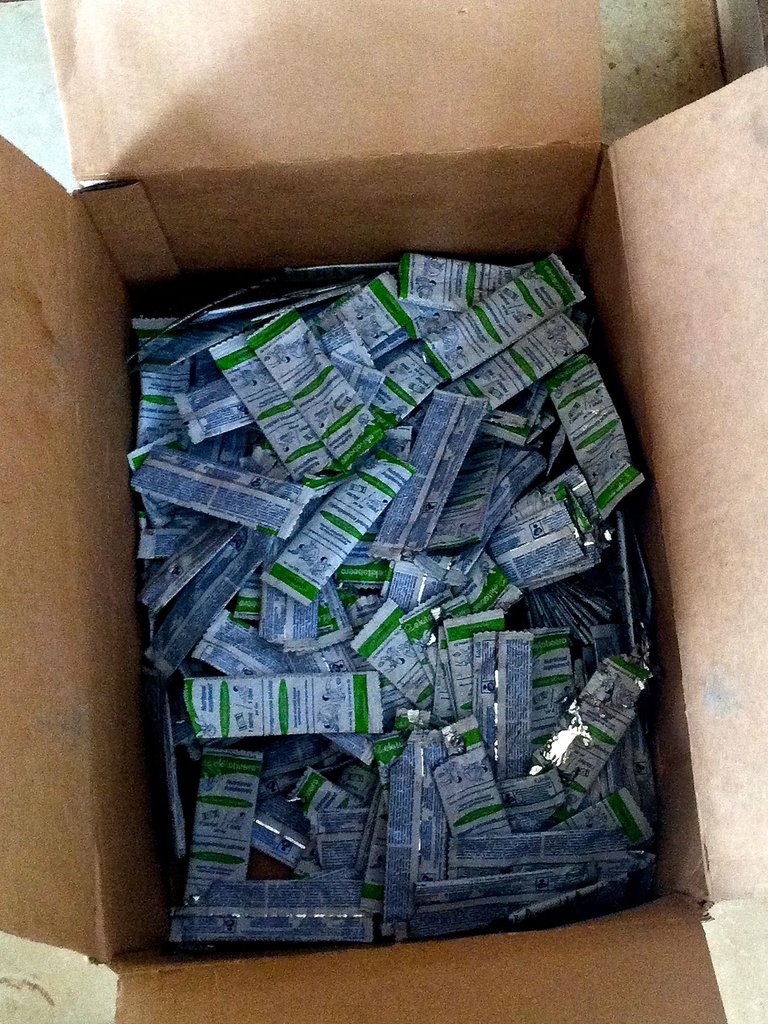
In this context where meals are uncertain, Ekitobeero serves as more than a supplement. It represents a guarantee that her 6-month child will have at least something to eat when the mother cannot provide food on her own.
This is the reality in the Nyakitunda and the many other villages in Ishingiro South District, where Ekitobeero serves as security against the rains and the harvest.
The resounding “yes” in that health center room now is much more understandable.
Project reports on GlobalGiving are posted directly to globalgiving.org by Project Leaders as they are completed, generally every 3-4 months. To protect the integrity of these documents, GlobalGiving does not alter them; therefore you may find some language or formatting issues.
If you donate to this project or have donated to this project, you can receive an email when this project posts a report. You can also subscribe for reports without donating.