By Cecilia Gathoni | Project Leader, KAWE
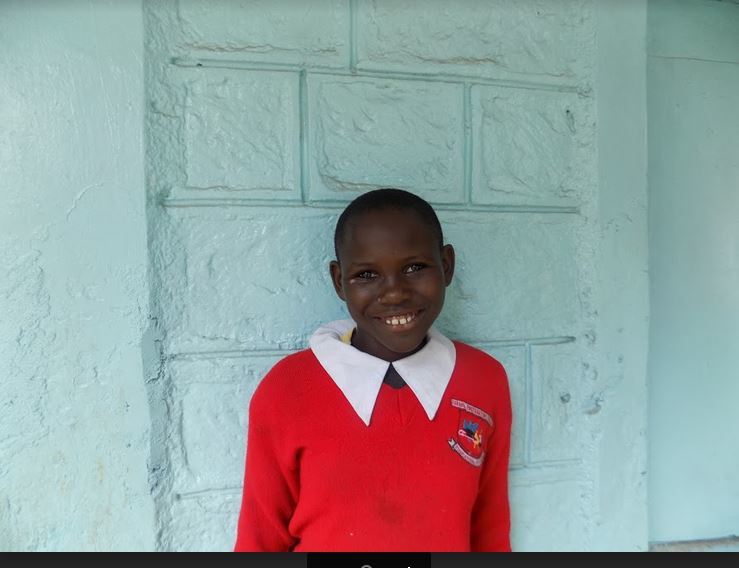
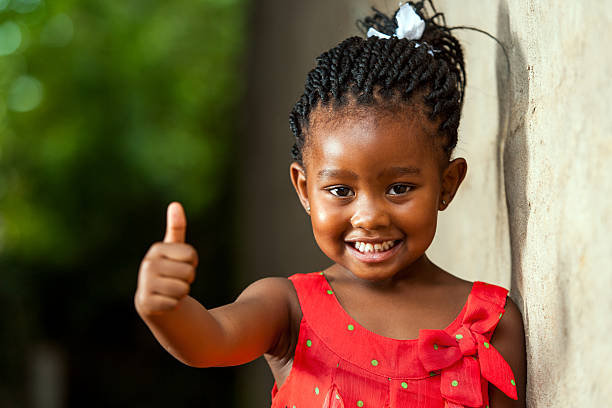
They have nicknamed her the expensive child. It might sound a bit unfair at first, until the details are explained to you. When her brother introduces me to her as auntie, Yna breaks into a smile, comes forward and gives me a big hug.
I’ve been talking to her brother Collins for the last half hour and I’m eager to meet this expensive child, so we walked the winding paths of Huruma Estate, bypassing boiling pots of cow meat cooking over huge orange fires and young men pulling carts filled with jerry cans of water for sale.
“Which class are you in?” I ask her.
She frowns and tells me the teacher has made her repeat class five. There’s a girl looking over at our small meeting so I ask who she is.
She brightens and tells me,’ That was my friend, we used to be in class five together, now she is in class six.”
“Don’t worry, you can still be friends and meet at break time.” I reassure her.
Collins asks her to tell me about her medication.
“I take Rivotril half a tablet, Epilim, two tablets and Tegretol two tablets, morning and evening.”
You would think she was talking about her favourite TV shows as she cheerfully rotes out the information. Clearly, this is a girl who doesn’t think Epilepsy should cause her to have a negative attitude towards things. At times Epilepsy patients are discouraged when faced with the fact that one might be on medication for a long time, so they give up and discontinue medication. Earlier on Collins had mentioned that his small sister can be completely relied on to regularly take her medication.
“Sometimes we ask her if she has swallowed her medication and she is surprised that we think she would forget.”
Yna’s epilepsy started when she was two years old. It started as mild convulsions that left her unconscious for one week. The family had no clue what was going on, so they turned to traditional medicine, which Collins dismisses as to not have helped at all. A friend of the family told them about KAWE so they brought to her to the KAWE Mathare Huruma Lions Epilepsy clinic.
The regular medication took a chunk out of the family finances.
“We had to have 500 Shillings every Friday for the drugs.”
Sometimes when money was scarce, she wouldn’t have her medication, so the seizures would return. She had to change schools to a school near her house, just in case she had a seizure on the way to school.
“We really thanked God when we were told a donor had volunteered to help us pay Yna’s medication.” Collins says he could not believe his eyes when he was handed a package containing three month’s medication to last them the holidays. Because of that, the family was even able to go to their village home for two months in 2017.
Having continuous drugs meant there would be no breaks in medication and the result was for three months the girl has been seizure free. Now that she is back in school, she can concentrate on her lessons without the fear of an impromptu seizure.
“To know there are people out there who don’t even know us but are willing to help warms my heart.” Collins says he hopes the donors will continue in the same heart so that they can help even a larger number.
And to KAWE, he exhorted us to create even greater awareness, noting that there are kids who don’t go to school because of frequent seizures, caused by absence of treatment coupled with stigma.
“People need to know that epilepsy can happen to anyone, and thus seek treatment.”
Yna has been selected as a beneficiary of the -Keep a child with epilepsy in school project-
Links:
Project reports on GlobalGiving are posted directly to globalgiving.org by Project Leaders as they are completed, generally every 3-4 months. To protect the integrity of these documents, GlobalGiving does not alter them; therefore you may find some language or formatting issues.
If you donate to this project or have donated to this project, you can receive an email when this project posts a report. You can also subscribe for reports without donating.