By Maritoni Saberon | Project Leader
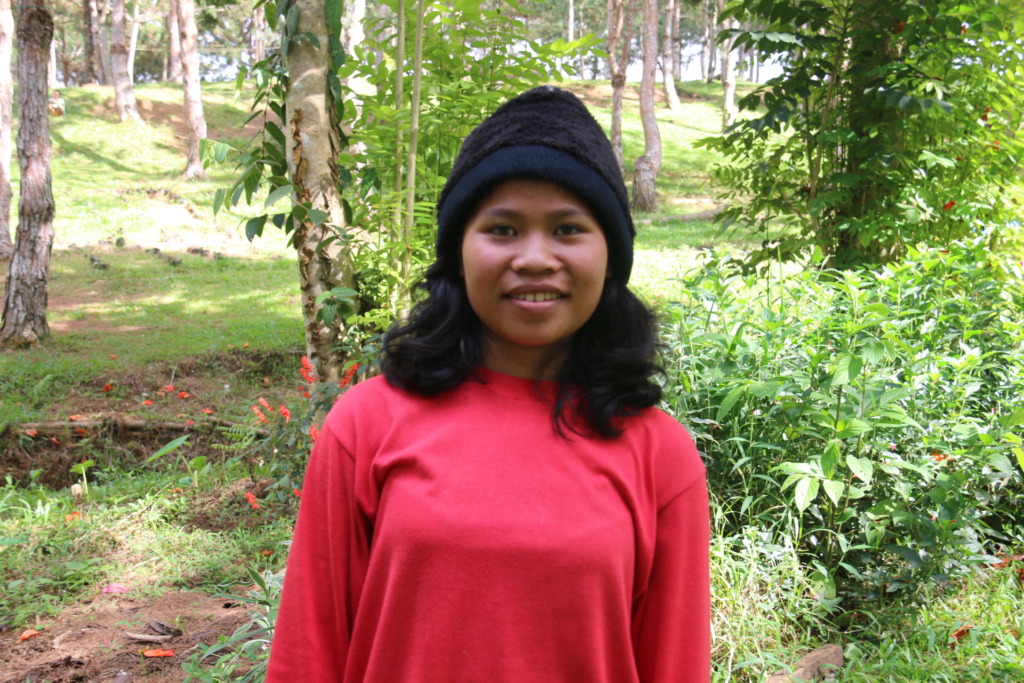
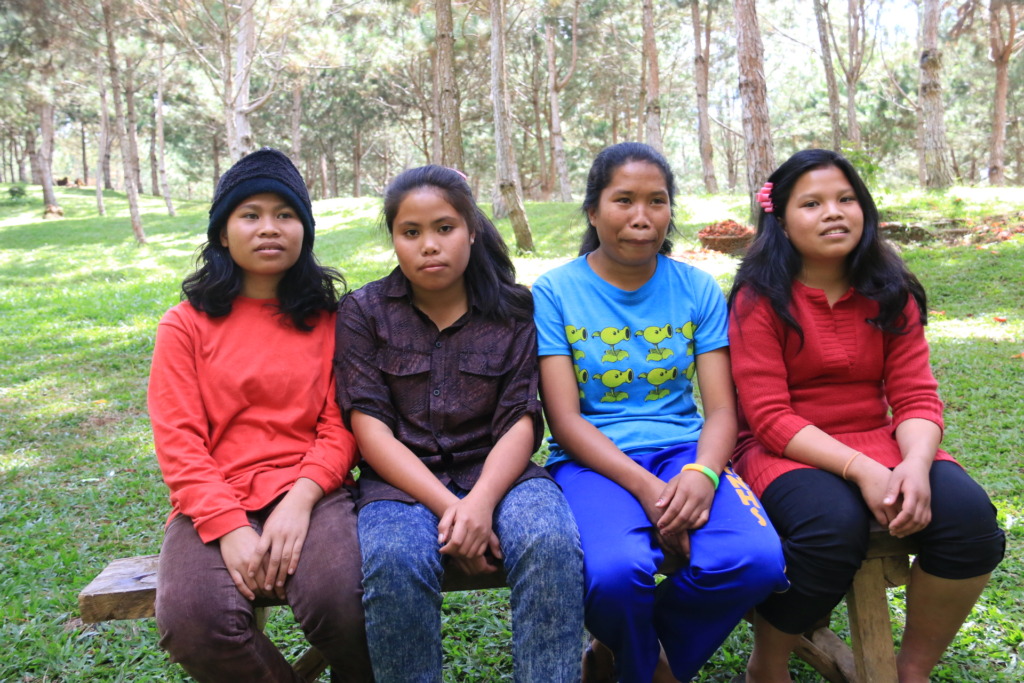
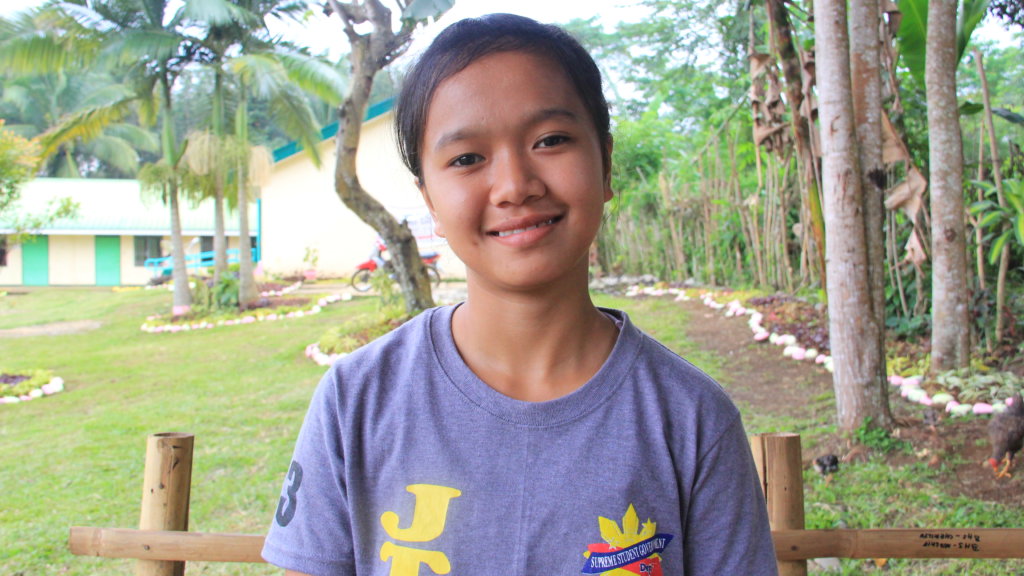
Gender equality among some aboriginal Filipinos is unpopular. Girls like Ailyn, 18, grew up believing that women could not pursue a career and should only take care of their husbands at home.
Seeing that her own family struggles to live, she prays to be given the opportunity to complete her studies. She believes that education will give her the chance to put an end to poverty once she will finish school and have a decent job. Her outlook in life is a far cry from the conventional wisdom shared by her tribesmen in their village.
Her father, Rene, earns a meager amount of $33 a month as a farmer which is not enough for a big family with nine children. Sometimes they eat only twice a day because there is not enough rice.
This financial difficulty also extends in school. They cannot afford to buy their basic requirements such as notebooks and pens. “Usahay para makapalit lang ko sa akong kinahanglan sa school naga tabang ko ug limpisa sa akong Mama. Sa usa kaadlaw kay maka income pud ko ug 50 pesos pero kulang pa gihapon. (Sometimes, I help my mother cut grasses and earn less than two dollars a day so that I can buy my school needs but it is still not enough.)
Taking her studies seriously, she shared that her academic difficulties include the lack of reading materials in their library. “Pobre pud ang eskwelahan dadtu-a. Ang mga libro kay gamay ra kaayo na dili pa-igo sa mga estudyante kay daghan man pud estudyante didtua. Wala pud computers sa among eskwelahan. Wala gyud ko kagunit ug computer sukad. (Our school is poor. The available books are not enough because there are so many students who are enrolled there. It does not have computers, too. I haven’t used a computer ever since.)”
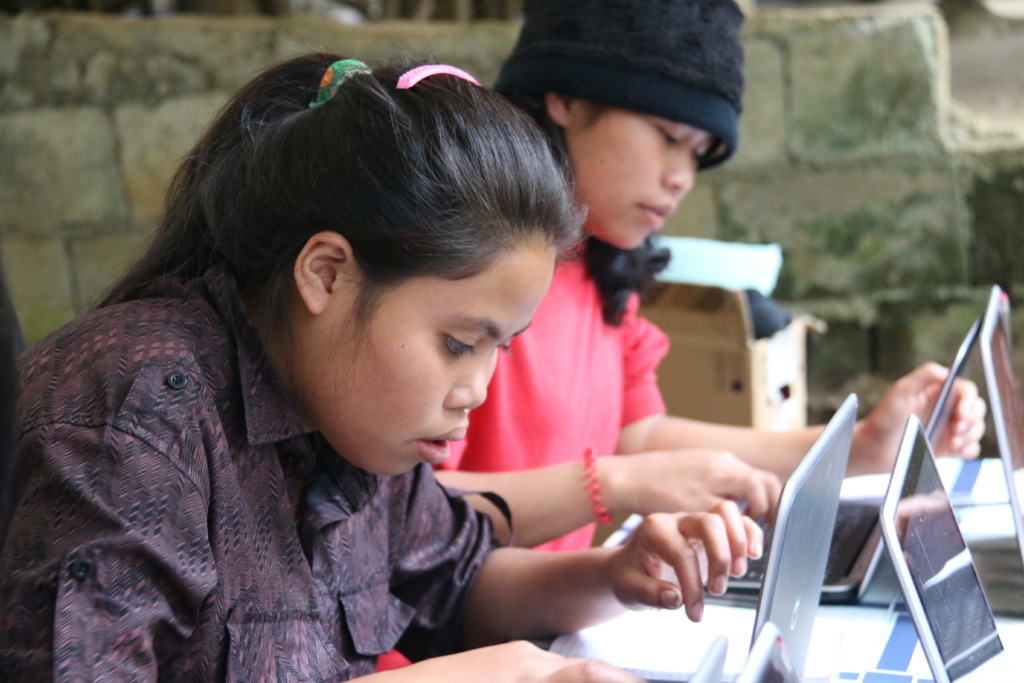
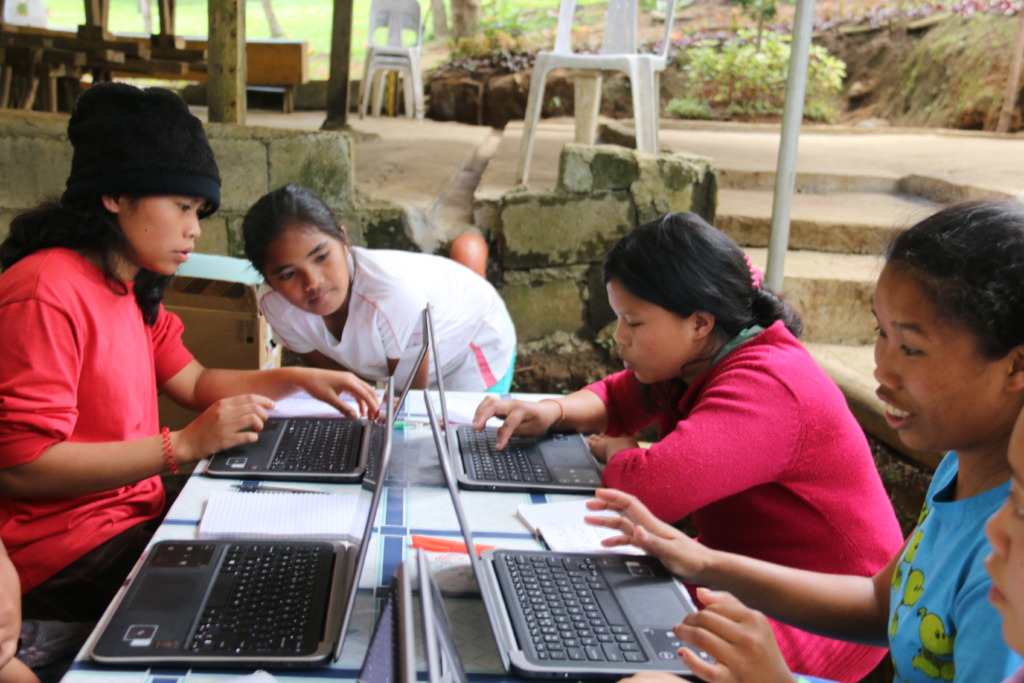
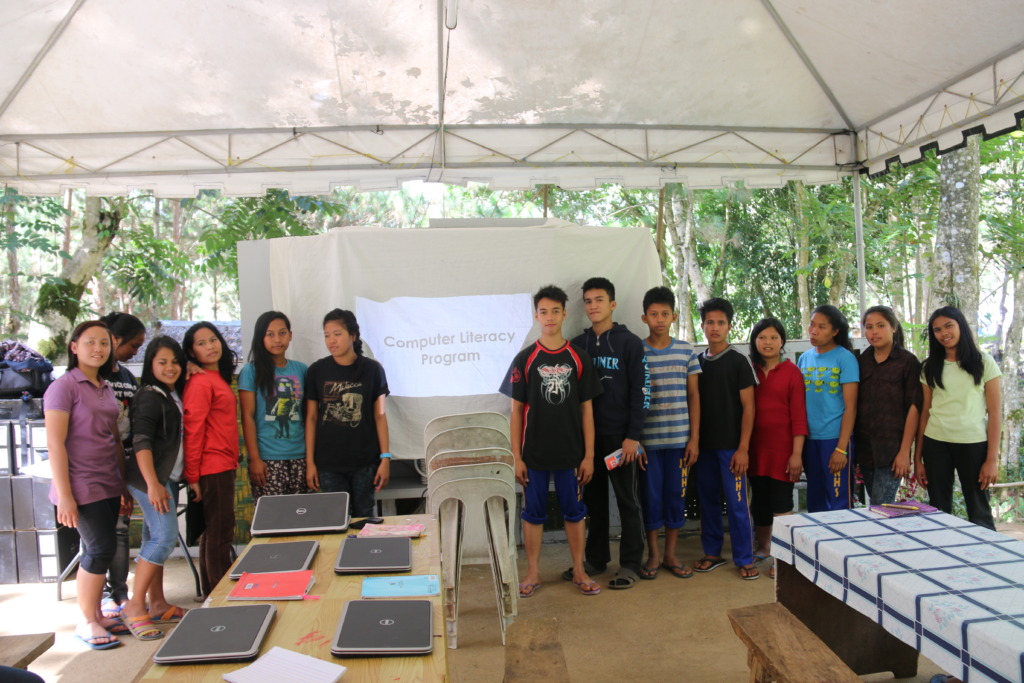
Ailyn was delighted to have joined the free computer literacy program in their village. “Nalipay jud ko na karon naa nay nagatudlo diri sa among barangay ug libre sa computer kay waay gastos. Karon kabalo nako unsaon pag-encode ug pag-save ug files. Nakat-unan pud nako kung unsa ang mga parte sa computer. Sa mga sunod na session, makabalo na gyud ko ug gamit sa computer labi na sa sunod sa school year. (I am really very happy that now there is someone who teaches us free computer lessons here in our village. I have learned how to encode information and save files. I also learned the different parts of the computer. I will be able to master it with the remaining sessions hopefully by next school year.”
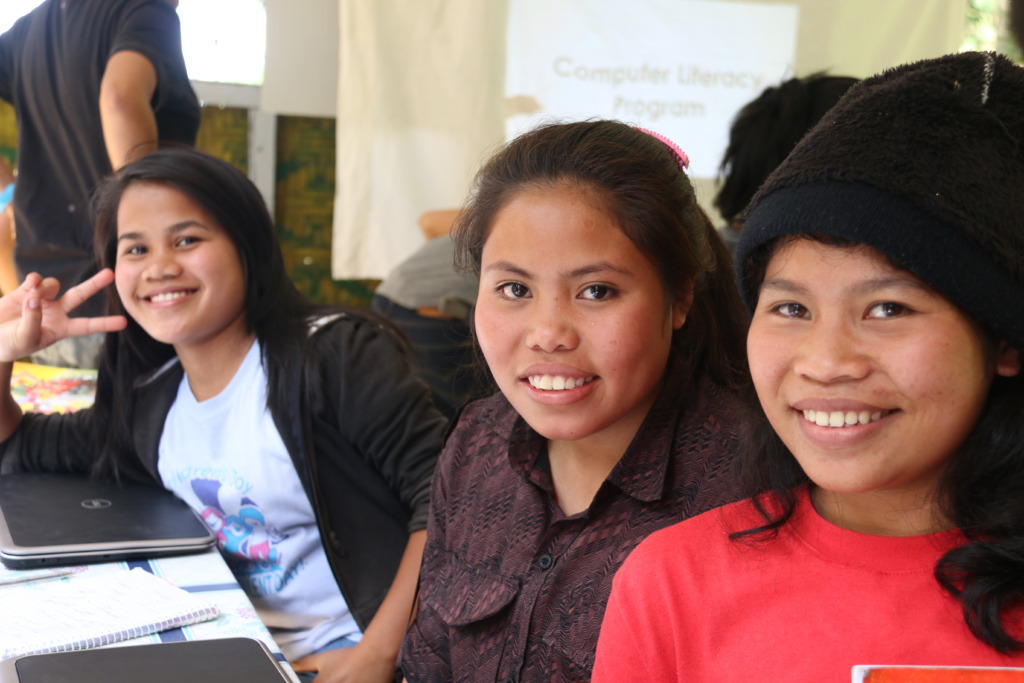
She thanks all of you, GlobalGivers, for your support to this program. “Dugay na namo ning panganduy na tana kaming mga lumad hatagaan pud ug chance na makakat-on bahin sa computer, kay tong saunang panahon matud pa sa akong mga ginikinan kung usa ka babae, igo lang jud ka muatiman sa imung bana. Karun pantay-pantay na. Salamat kayo. (We have waited for this project for so long that we, Lumads, would also be given a chance. According to my parents, if you are a girl you just have to take care of your husband. Now, with this computer literacy program, we are equal. Thank you so much.)”
Ailyn hopes that this rare opportunity will also reach her fellow Manobos. She believes that if girls can be educated and have jobs, they can help their families uplift their standard of living.
Project reports on GlobalGiving are posted directly to globalgiving.org by Project Leaders as they are completed, generally every 3-4 months. To protect the integrity of these documents, GlobalGiving does not alter them; therefore you may find some language or formatting issues.
If you donate to this project or have donated to this project, you can receive an email when this project posts a report. You can also subscribe for reports without donating.