By Riene L. Tagupa | Team Leader
Bringing computer education to grassroots and countryside is CJFI’s slogan of this project. In its own way, aims to contribute in reducing the gap of computer literacy among Filipino students in public schools and private schools. In the Philippines as a third world country, it is a reality that students in private schools have advance computer literacy compared to their counterparts of students in public schools.
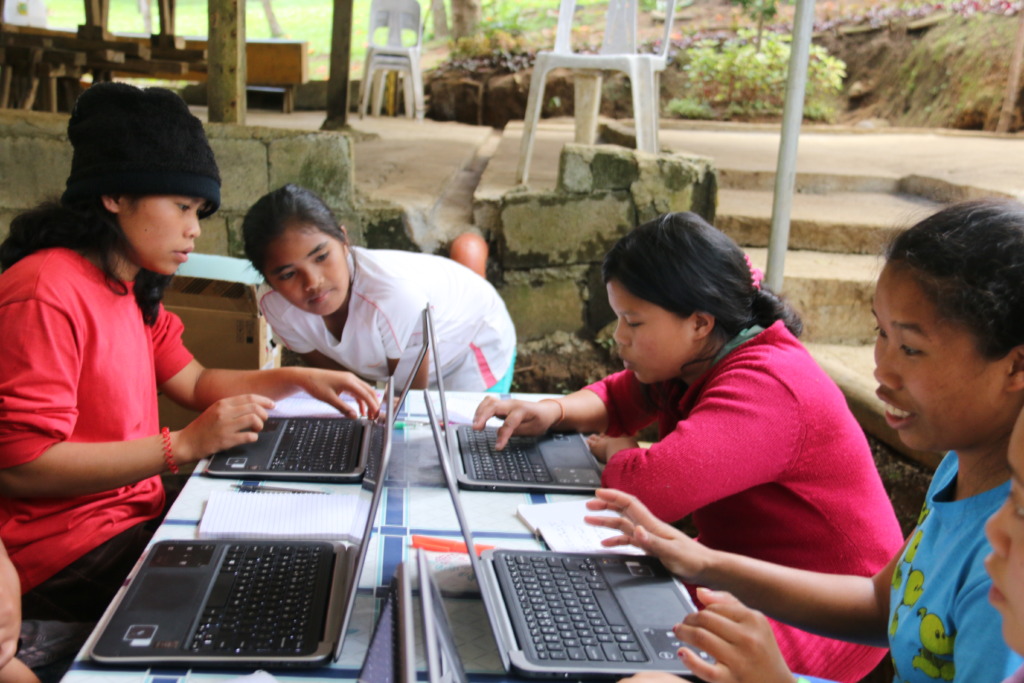
Meanwhile while waiting for the completion of mobile computer van, CJFI’s IT Volunteer Teachers went to Tamayong IP community and conducted the community-based computer learning session. Instead of a mobile computer laboratory, the IT Teachers had with them several units of laptops for them to be able to conduct the computer learning session.
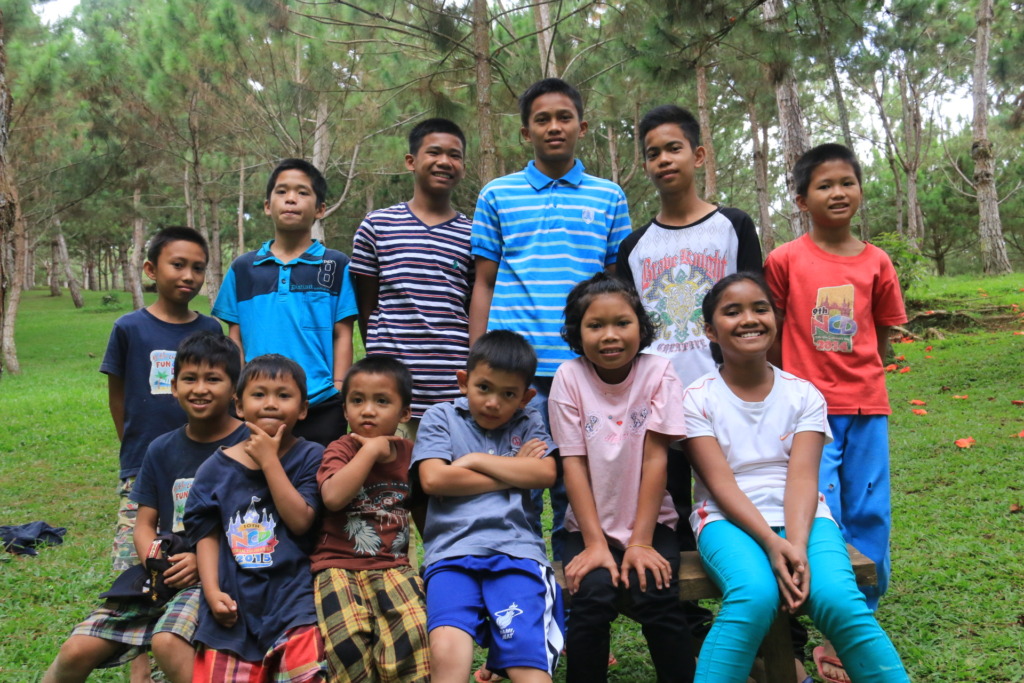
It was indeed, a long awaited activity by the recipient-IP children in Barangay Tamayong who are part of the large segment of Filipino students studying in public schools with no computer unit. Based on data, 60% of Philippine public schools have at least one computer unit. The remaining 40% have no single computer.
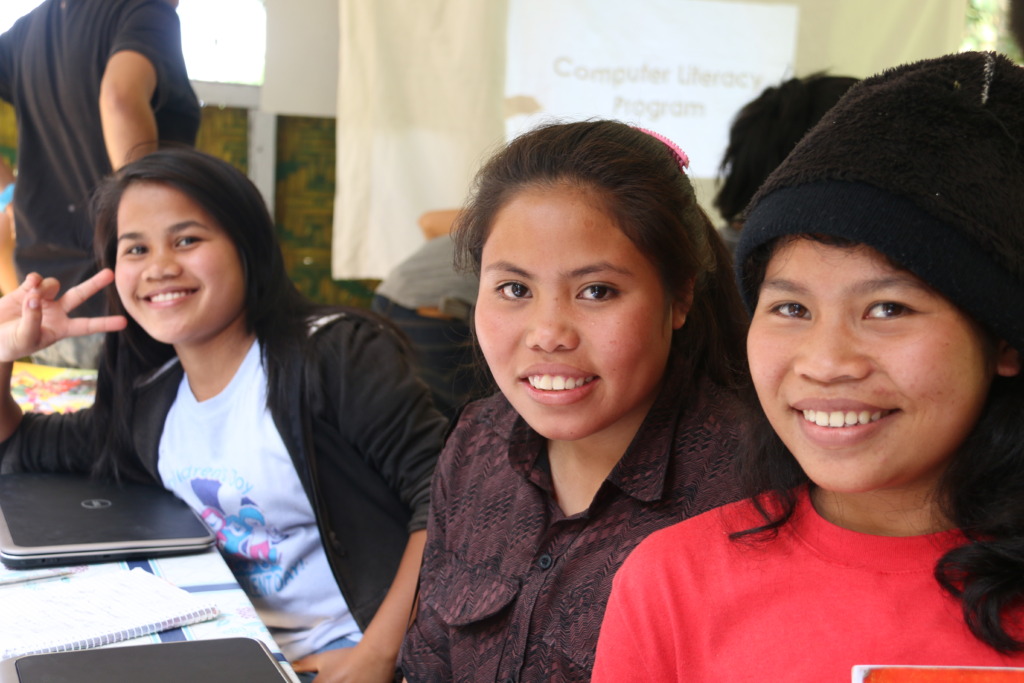
The session ran for a couple of hours. The progress was slow as most of the students are first time users of computer. The IT Teachers had to start from the basics of a computer education. But it was a great success. The students were so happy who showed their eagerness to learn the basics of computer.
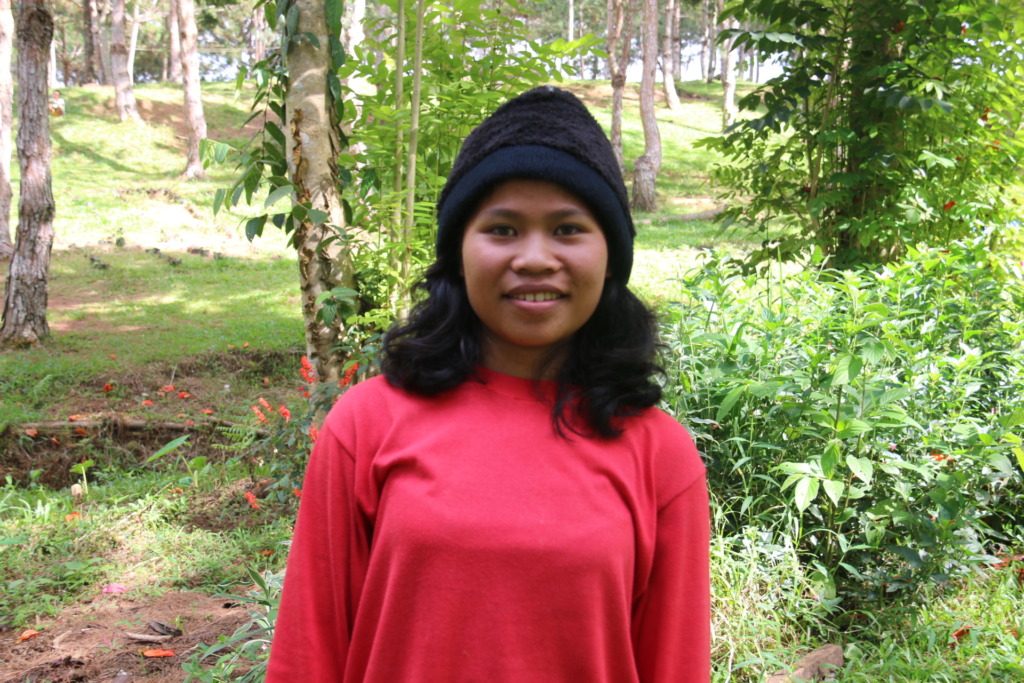
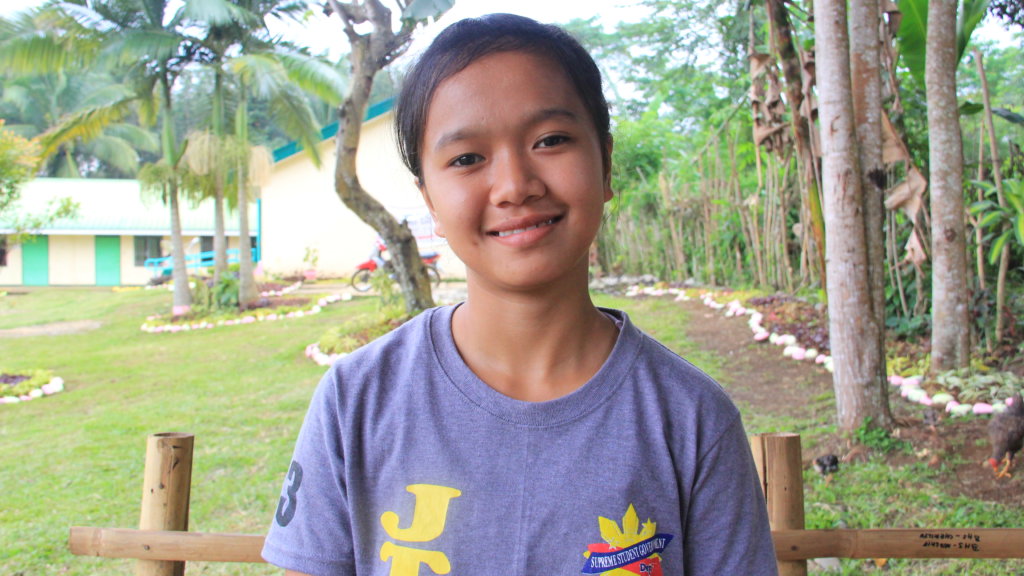
“Nalipay jud ko na karun naa nay naga tudlo diri sa among Barangay ug libre sa computer kay way gastos. Karun kabalo nako unsaon pag encode, mag open og files. Nakat-onan pud nako kung unsa ang parte sa computer.” (I am very happy that now someone is teaching computer here in our barangay free and without cost. Now I knew how to encode, and open files. I learned also the parts of the computer.), said an eighteen year old Ailen, a Grade 8 student from a public school in the barangay.
Aileen’s school is among the many public schools in the Philippines with poor facilities. She narrated that her school lacks also reference and reading materials aside that it has no computer. “Pobre man pud ang eskwelahan dadtu-a, ang libro kay gamay ra kaayo na dili pa igo sa mga estudyante kay daghan man pud estudyante didtua.” (The school there is poor, the books are very few not enough for students because there are many students also.) Aileen described her school condition.
Our dear GlobalGiving donors and supporters we’d like to tell you that this project is unique. Why? Because what it does is exactly opposite to the traditional way of getting computer education. It is not the students who will go to the computer school to learn computer but it is the mobile computer laboratory in a vehicle van manned by an IT teacher and a driver that will penetrate to interior barangays to bring the computer education to students right there at their community. And it is entirely free for them.
So we’d like to touch your generous hearts once more to keep on supporting this project to allow us to do more of providing free computer education to 500 IP students. Our success is your success too as you are part of our team.
Thank you.
Links:
Project reports on GlobalGiving are posted directly to globalgiving.org by Project Leaders as they are completed, generally every 3-4 months. To protect the integrity of these documents, GlobalGiving does not alter them; therefore you may find some language or formatting issues.
If you donate to this project or have donated to this project, you can receive an email when this project posts a report. You can also subscribe for reports without donating.