By Thelmah Nyirongo | Program Assistant
Despite having failed to raise enough funds on the Global Giving platform for the project, HOCIC continued to partner with Fountain of Hope Foundation during the quarter under review conducted another visit to Chimanimani. The objectives of the visit were to increase access to sanitary ware that is safe for the adolescent girls and young women affected by Cyclone Idai, to ensure sustainable menstrual hygiene through the provision of training on the production and management of reusable sanitary pads to adolescent girls and young women and to improve uptake of education through the provision of stationery to children affected by Cyclone Idai.
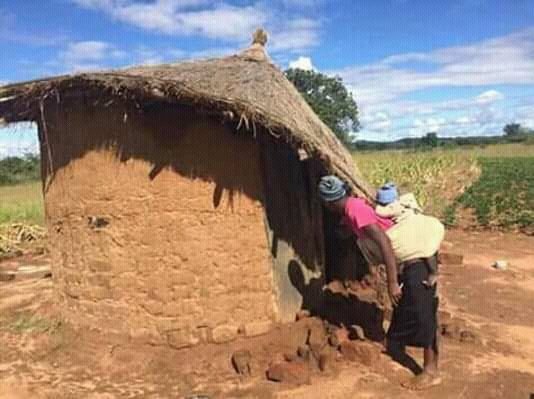
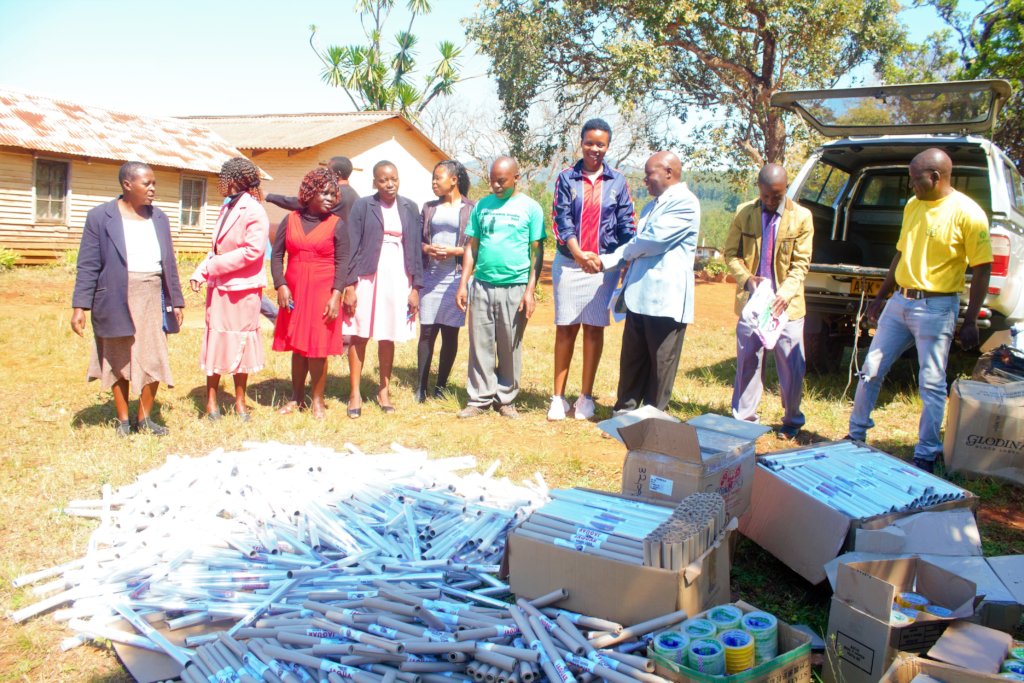
The HOCIC team managed to distribute one thousand (1500) 32-page exercise books, 1200 pens, 750 book covers, 750 plastic book covers and 600 sellotapes to 292 children at Tilbury Primary school in ward 12 of Chimanimani district. Tilbury Primary school is situated in an area on the border of Zimbabwe and Mozambique. Many of the parents of the children at the school have no formal employment and reply on carpentry and short-term contracts on the timber estate close by. However, due to the country’s economic state the estate has significantly cut down production hence it hires less workers and this leaves the unemployment rate in the area very high. The Cyclone also washed away most of their belongings including tools that could be used for income generation. These two factors have made it difficult for parents in the area to pay school fees and also provide necessities such as stationery to their children.
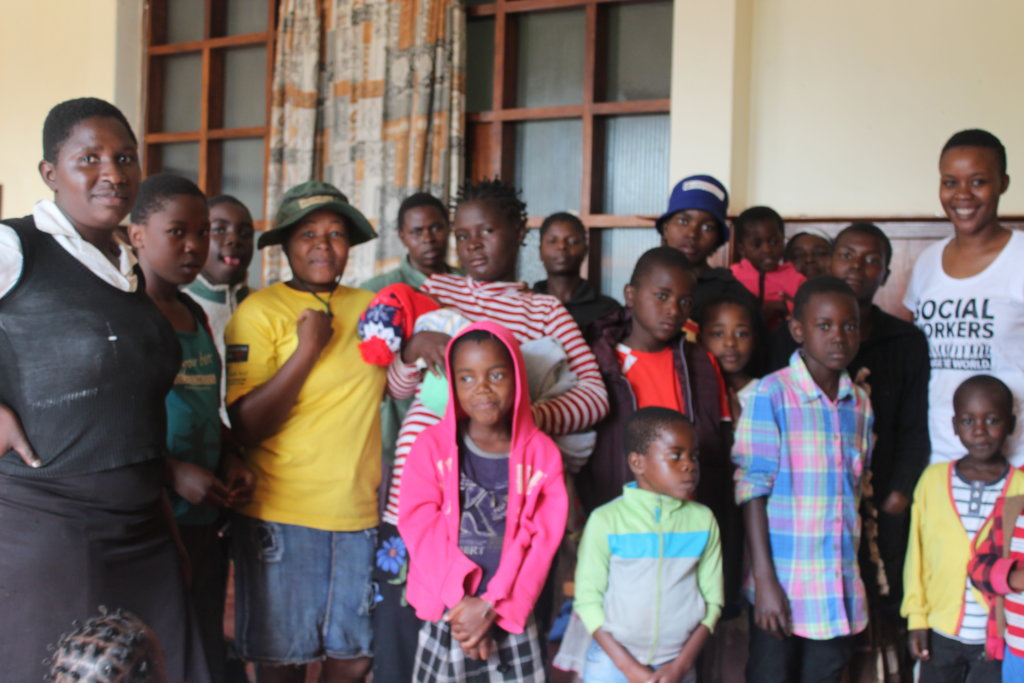
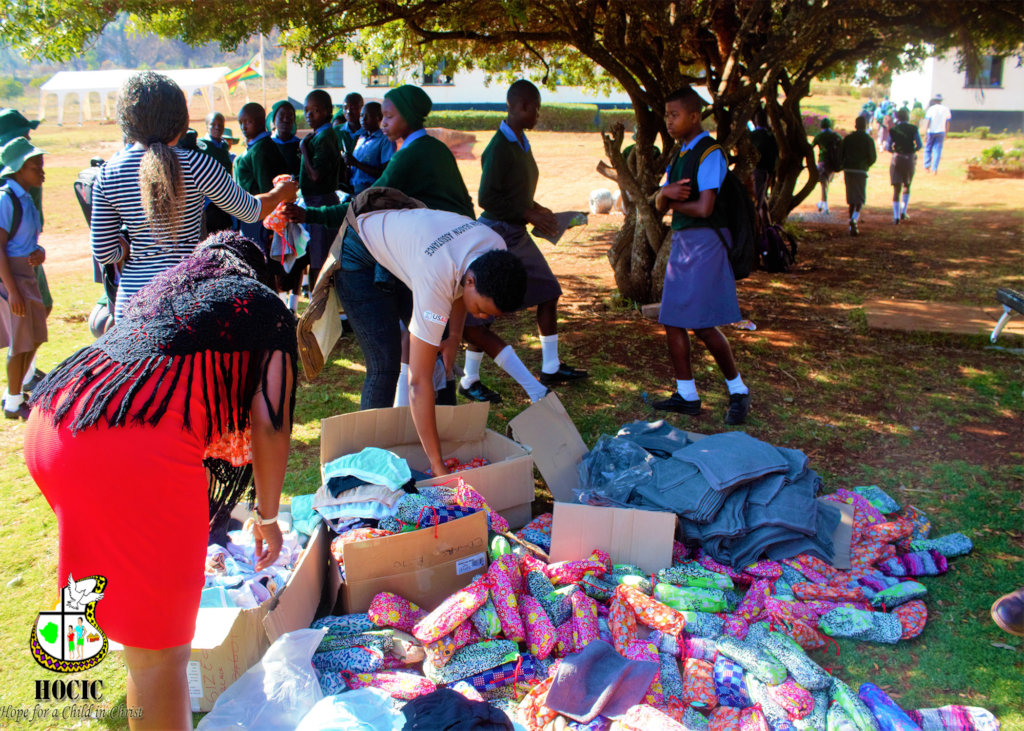
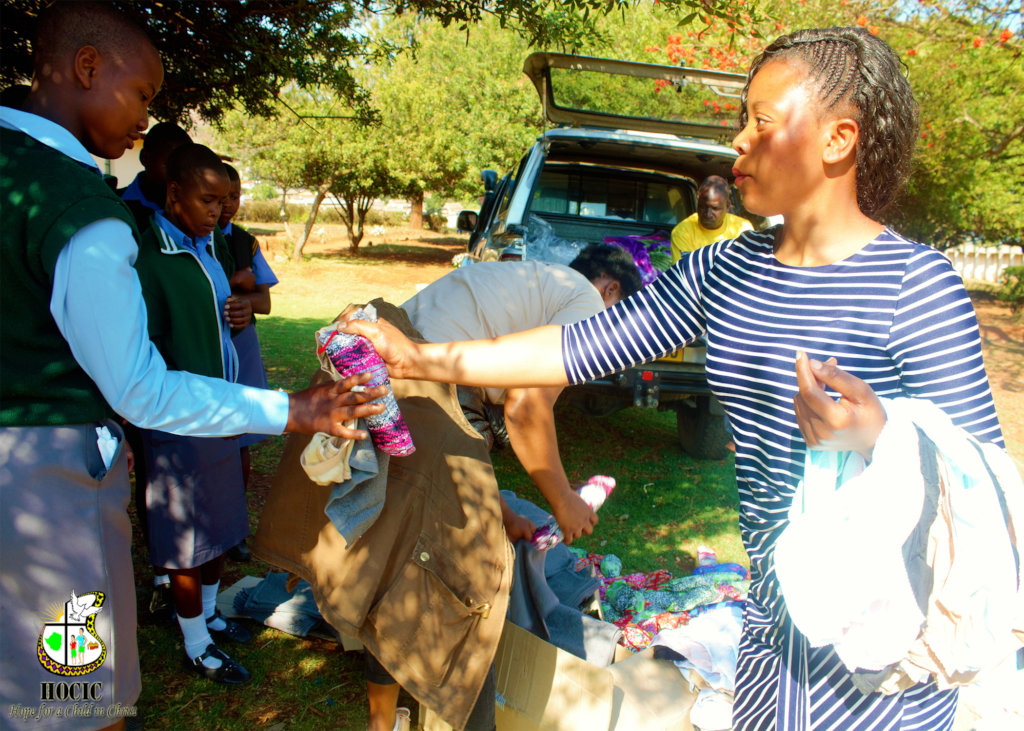
The HOCIC team also managed to distribute 400 dignity packs to girls at Chimanimani High school. The dignity packs consist of a packet of 4 reusable sanitary pads, one cotton panty and one face towel. The girls were also trained on menstrual hygiene and how to take care of the reusable sanitary pads. Chimanimani high school is situated in ward 15 of the district which was also hit hard by the Cyclone and the community is still struggling to recover.
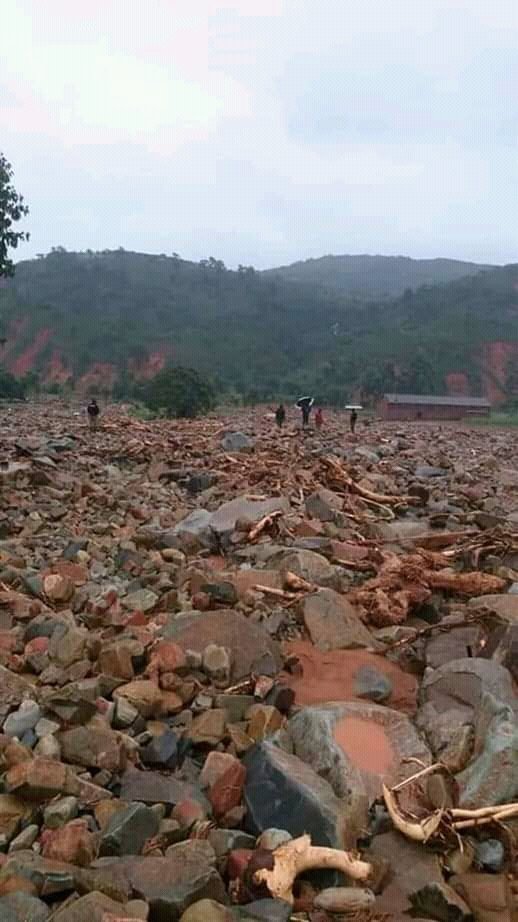
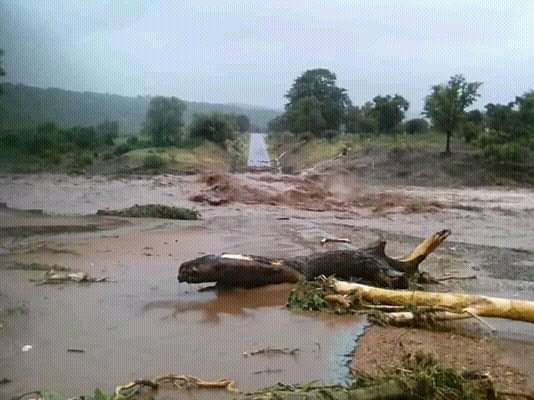
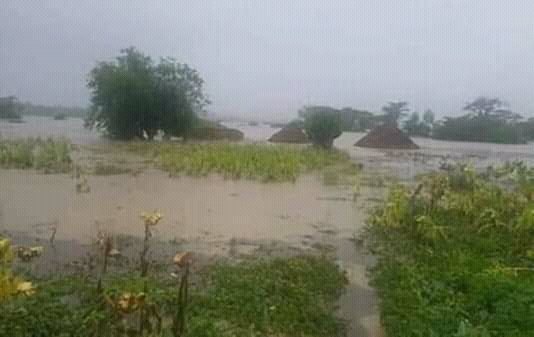
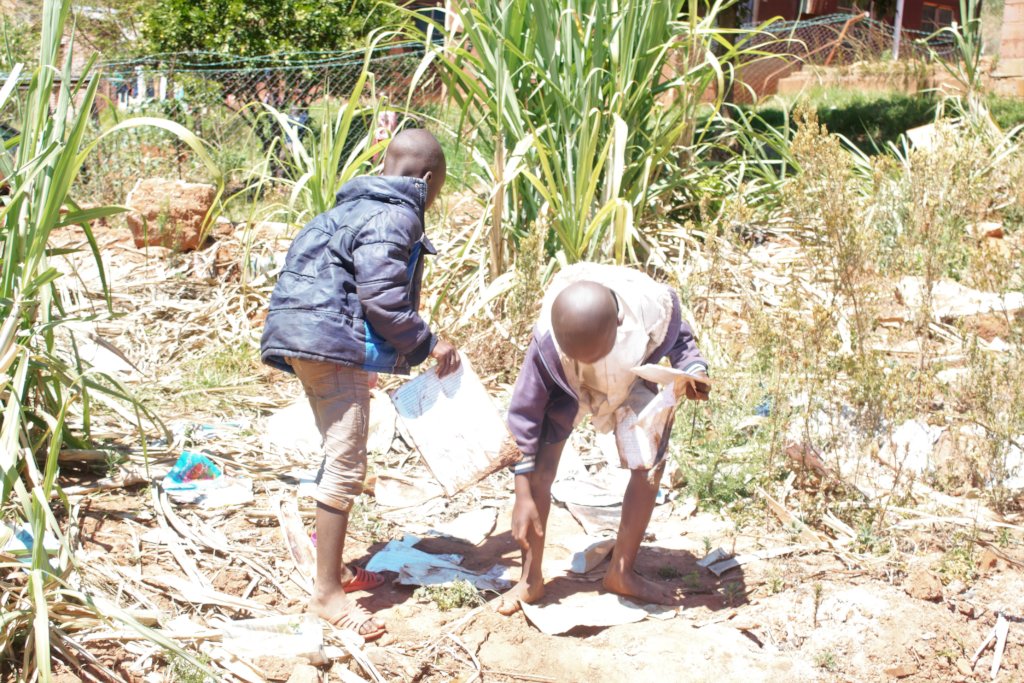
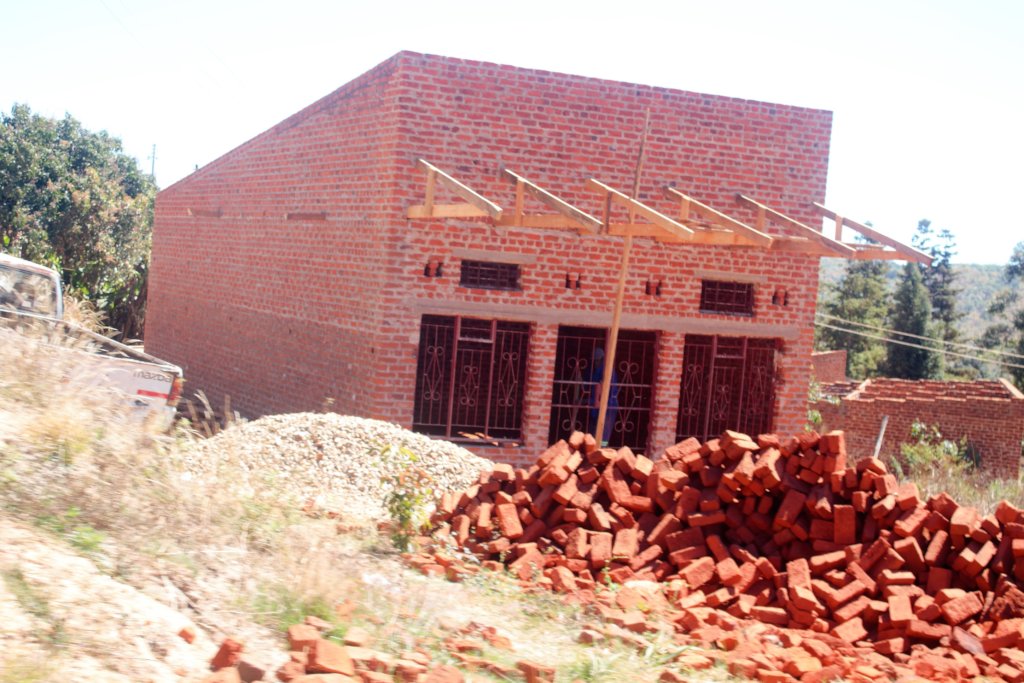
The team also went on a tour of Ngangu area, which is one of the areas that was hit the hardest by the Cyclone and where many people lost their homes and lives. The area is where the HOCIC team helped with rehabilitation of roads during the April 2019 visit. There has been also of change in the area, some people have started rebuilding their homes from the foundation and some have completed them. Some of the people whose houses were partially destroyed have moved back to those homes and have covered the destroyed parts with plastics and zinc sheets. However, most of the people who lost their homes and livelihoods have not managed to rebuild their homes and are living in tents in the camps set up by the United Nations High Commission for Refugees (UNHRC).
The district is still in recovery and due to economic challenges in the country the survivors of the disaster are still finding it difficult to put their lives together. Hence HOCIC would like to continue with the initiative to support families on their recovery.
By Thelmah Nyirongo | Program Assistant
Project reports on GlobalGiving are posted directly to globalgiving.org by Project Leaders as they are completed, generally every 3-4 months. To protect the integrity of these documents, GlobalGiving does not alter them; therefore you may find some language or formatting issues.
If you donate to this project or have donated to this project, you can receive an email when this project posts a report. You can also subscribe for reports without donating.