By Iain Guest | Project Coordinator
This email is going to 237 friends who have donated to our fellowship program (Fellows for Peace) through GlobalGiving since 2016. We have raised $48,221 and are closing in on our target of $55,000, much helped by $12,955 donated recently on Giving Tuesday. We are so grateful to you all!
The purpose of this email is to bring you up to speed and share ideas for the future. In terms of numbers, we have deployed 313 Fellows since the program started in 2003 and recruited another 16 this year. Our year was overshadowed by the pandemic, but we have made adjustments and feel the program is richer for them. Necessity is the mother of invention!
The main question is whether we can deploy Peace Fellows abroad. Travel opened up this year and allowed us to send three students to Africa. They did excellent work, but it was difficult. One – who was fully vaccinated – came down with the virus. Another had to evacuated because of a sudden lockdown.
More uncertainty lies ahead in 2022, particularly as Africa is scandalously behind on administering vaccines and a dangerous new variant of the coronavirus may be on the horizon.
Recruitment
We launched Fellows for Peace in 2003 partly to provide students with a unique experience. With this in mind, we have cast the net as wide as possible over the years and drawn students from over 70 academic programs in North America and Europe.
This has changed with the pandemic. Instead of recruiting far and wide, we drew graduates from schools we know well and looked for undergraduates in universities that normally offer a semester in Washington to students with an interest in international affairs. These excellent programs have been hard hit by the pandemic, and we wanted to offer a good substitute.
This year we recruited from the University of Illinois; Illinois University; Pomona College (California); Albertus Magnus College (New Haven); Concordia College (Moorhead, Minnesota); and the University of California (Riverside). We also attracted our first-ever High School Fellows from the Walt Whitman school in Washington DC, and the South Forsyth High School in Georgia.
This has given us a great mix of Fellows from all regions, nationalities and different ages. It worked so well that we plan to repeat in 2022, pandemic or not.
Supporting Partners and Start-ups
The main task of Peace Fellows is to support community-based advocates and the need has never been greater. All of our partners in the Global South work for marginalized communities that were vulnerable even before the pandemic. COVID-19 has added a whole new layer of misery, isolation and poverty. Several of our associates have died from the virus.
Our job has been to provide money, technical advice - and friendship.
We began by offering to fund start-ups that addressed the COVID-19 emergency while strengthening the partner organization and laying the foundation for a sustainable program. Every start-up has begun with story-telling through embroidery, at the request of partners, because it offers women in particular a creative outlet for frustration and an opportunity to socialize. All of the start-ups then moved past embroidery to set up small businesses or undertake social justice campaigns.
Recognizing the extreme need, our 2021 donors - including perhaps yourselves - have been generous. This allowed us to transfer $50,569 to the 27 projects listed here. They have ranged from a soap business in Zimbabwe run by girls to the purchase of a fishing boat for River Gypsies in Bangladesh. One of our most successful projects Be Brave – Get Vaccinated! has mobilized women in Nairobi to get almost 1,000 vulnerable people vaccinated in 6 weeks. This approach began with an embroidered design and is being followed by partners in Uganda, Zimbabwe, and Bangladesh.
The upshot is that we will go into 2022 with a rich portfolio of projects led by close friends who have been tested by the crisis and emerged as true leaders.
Much of this is due to our 2021 Peace Fellows.
In-person Fellows
After agonizing over whether to send Fellows abroad, we took our cue from university partners and deployed three graduate students from the Fletcher School, Tufts University, to Africa. As we reported in June, this decision was not taken lightly and the Fellows reviewed some of the ethical dilemmas in their blogs.
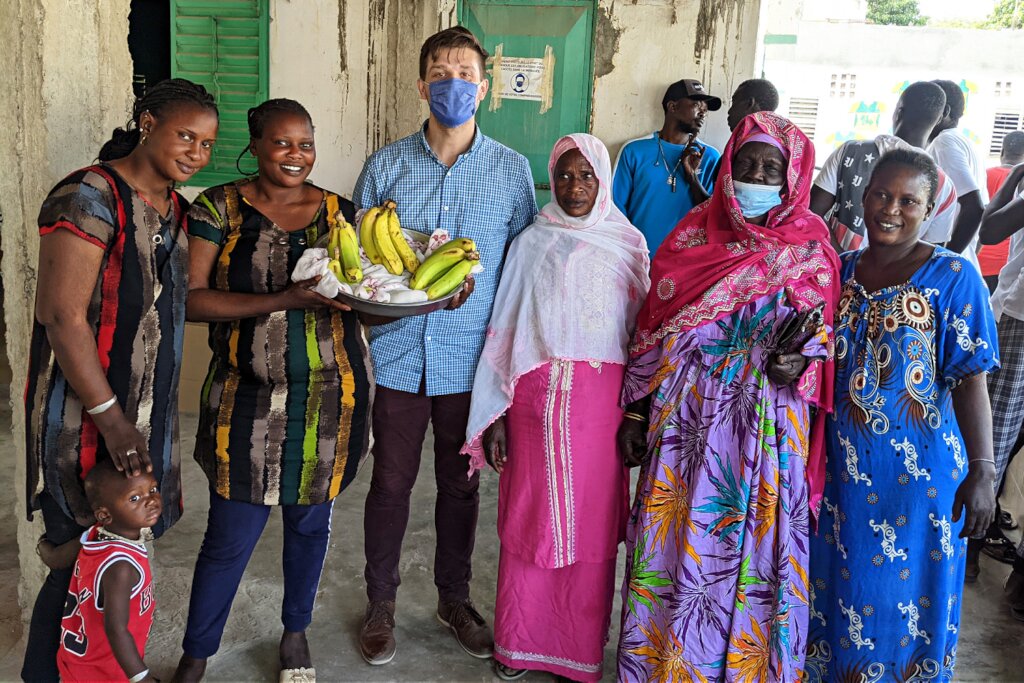
In the event, they did a fine job and introduced us to three compelling new issues. Jeremiah worked with migrants from Senegal who risked their lives to reach Europe but were forced to return. He analyzed their plight through insightful blogs and produced a brilliant video from footage shot by the migrants themselves. Jeremiah also organized embroidery training for grieving mothers whose sons drowned trying to leave. His fine work has exposed the human cost of irregular migration and given us a point of entry for further action.
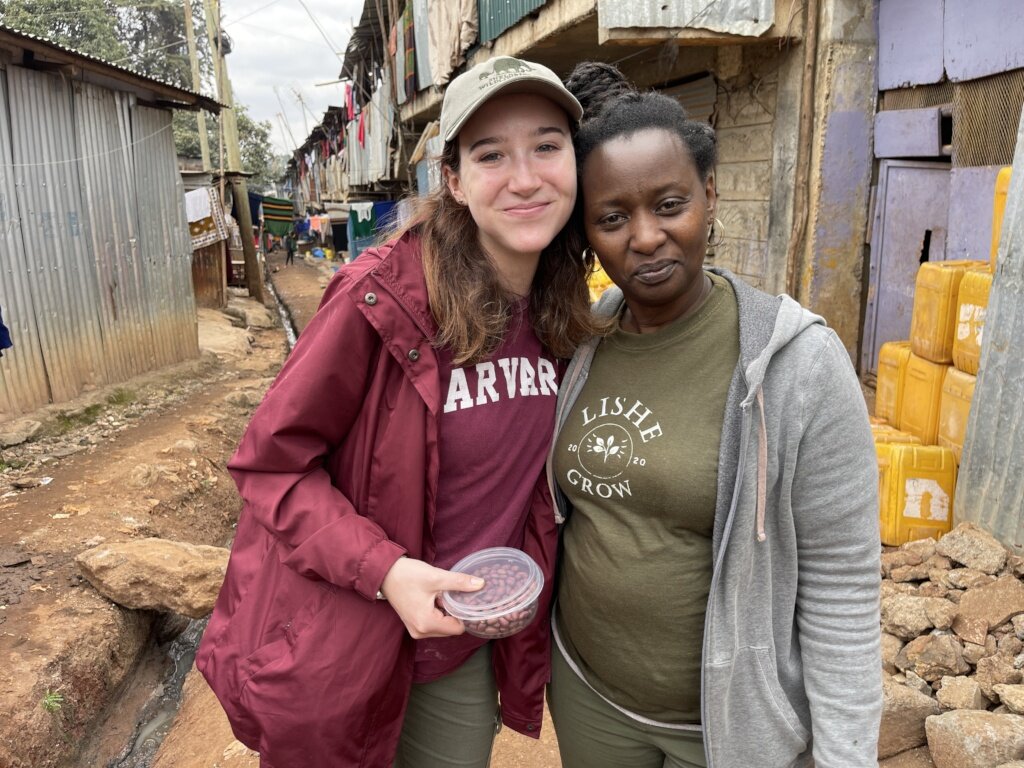
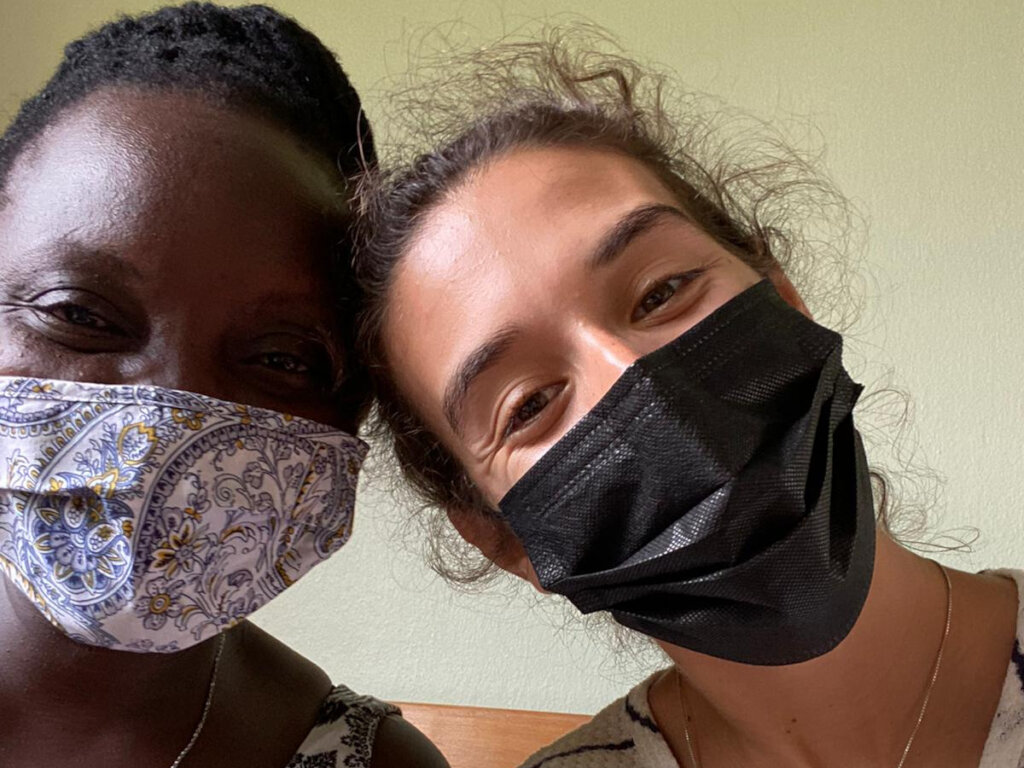
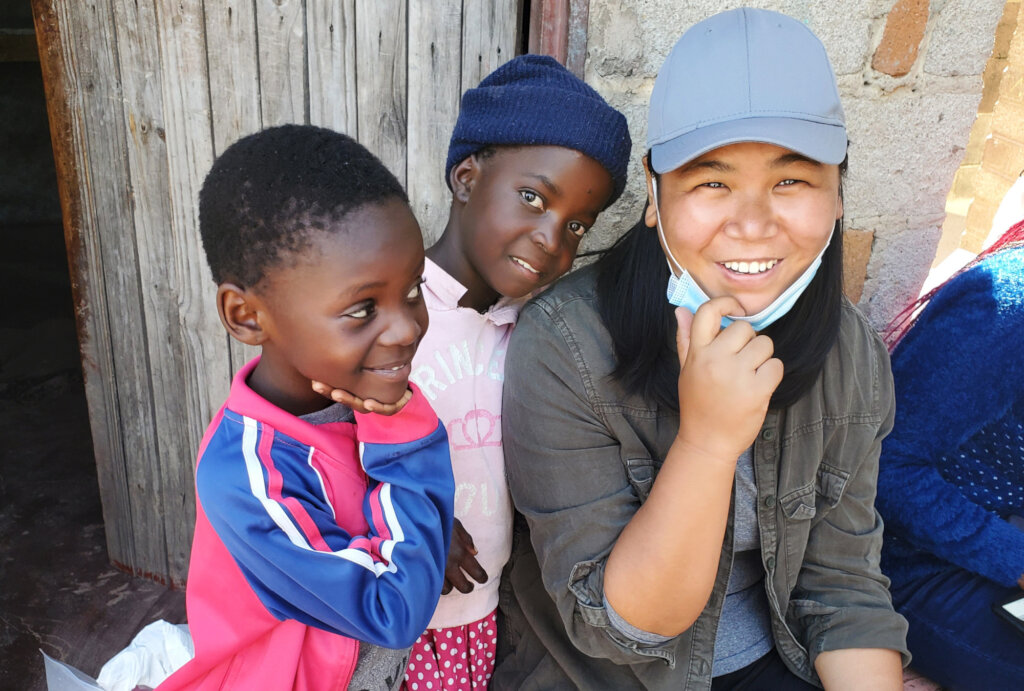
We are equally grateful to Anna from the Fletcher School, who supported survivors of sexual slavery in northern Uganda. She is seen in the top photo with Victoria, the group's leader, and the two have become close personal friends. Anna stayed in touch with Victoria's group after returning to the US and steered them through three ambitious embroidery start-ups.
Anna also built a strong friendship with the Gulu Disabled Persons Union (GDPU) an AP partner for ten years. Unfortunately, the closure of schools in Uganda prevented her from actively working on promising projects to install toilets in schools and produce face-masks and soap. We hope to pick these up again in 2022.
Anna’s other main achievement was to describe the impact of the pandemic through powerful blogs. These were well researched and written, as one would expect of a top Masters student. One blog recalled the life of Dolly, an inspiring school principal who passed away from COVID-19. Anna also described how the shortage of vaccines in Uganda was causing a surge in dangerous home-made solutions. We drew on Anna’s blogs for several news bulletins which were widely read.
We were also grateful to our third Africa Fellow, Matthew, who revisiited the devastating outbreak of Ebola that swept his home country of Liberia between 2014 and 2015.
We asked Matthew to assess the impact on Ebola survivors, and tell us what might lie ahead for survivors of COVID-19. He responded with blogs that showed his writing and investigative skills. We learned that Ebola survivors were being blamed for spreading the coronavirus and accused of having “small brains." In another blog Matthew traced the Ground Zero of Ebola to a false rumor that a government clinic was selling kidneys – an eery precursor of today’s vaccine misinformation. Matthew scored one final coup by securing an interview with Ellen Sirleaf Johnson, the much-admired former President of Liberia who used the interview to criticize the West’s slow vaccine response.
We drew several conclusions from the fine work of Jeremiah, Anna and Matthew. We will continue to rely on experienced graduate students to work in the field and introduce us to hot-button new issues – as Jeremiah did with undocumented migration from West Africa. Fellows can also coordinate several start-ups in the same country, as Anna did in Uganda, and provide us with photos and video footage that is hard to come with remotely.
Most important, they will need the ability to make friends.
Remote Fellowships
Sixteen fellows have worked for AP remotely this year. Once again they were a marvel of diversity.
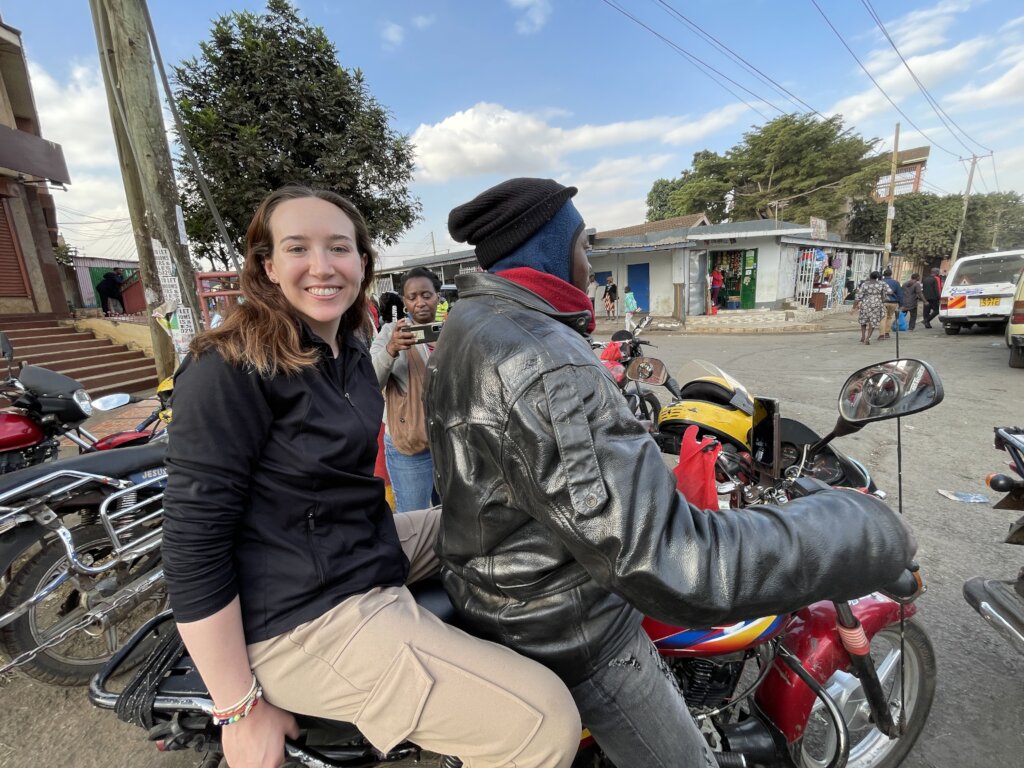
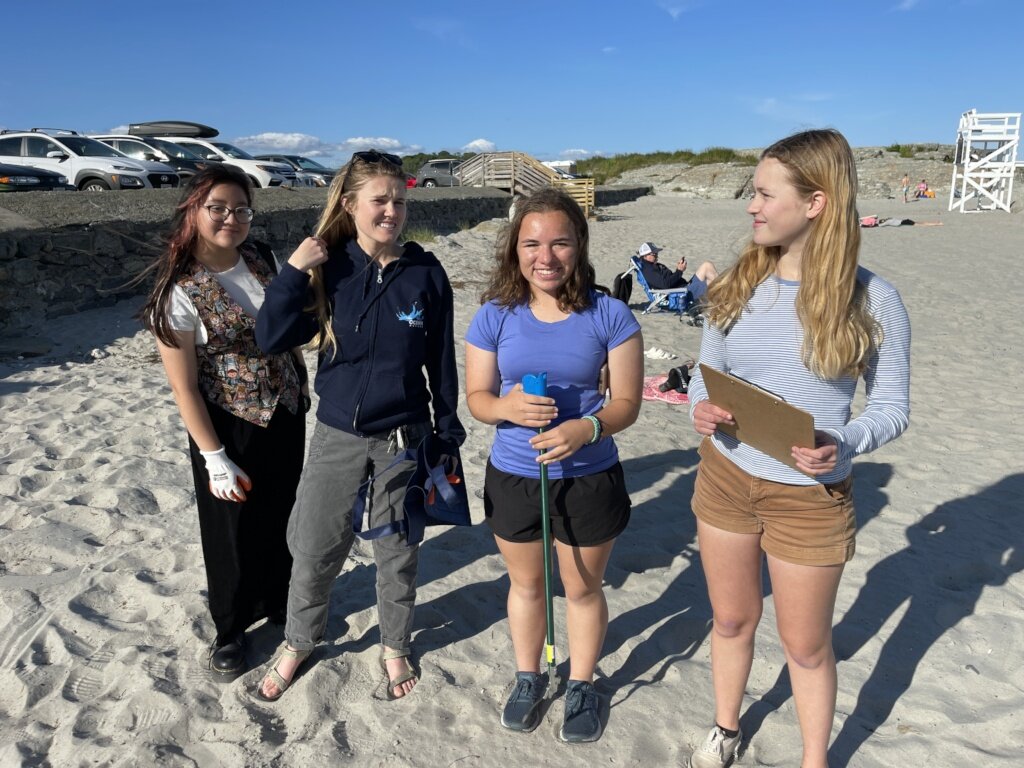
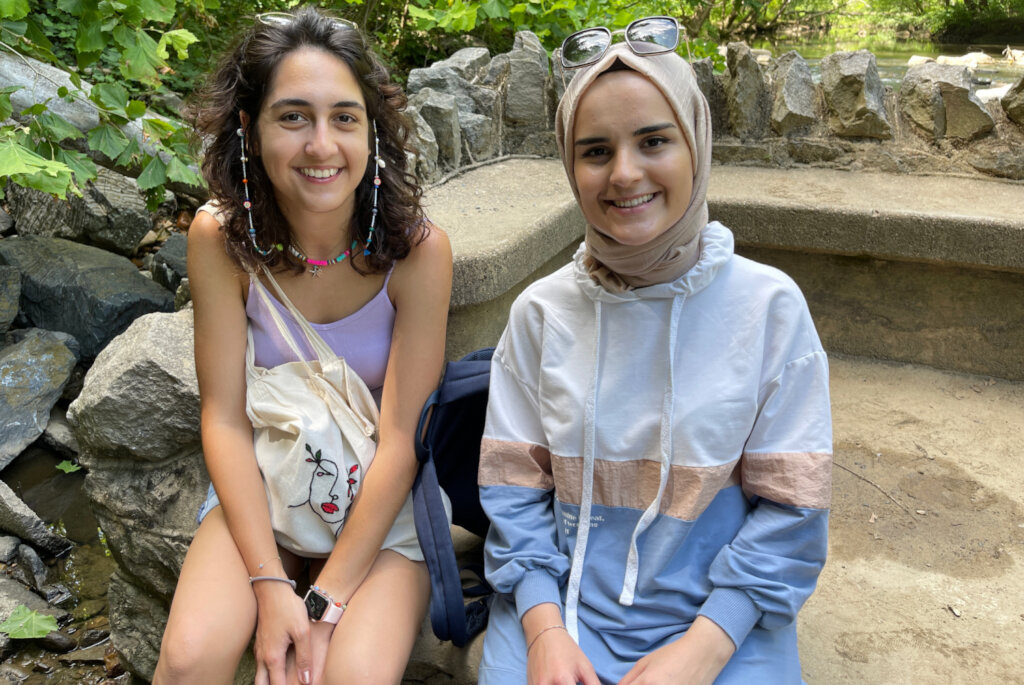
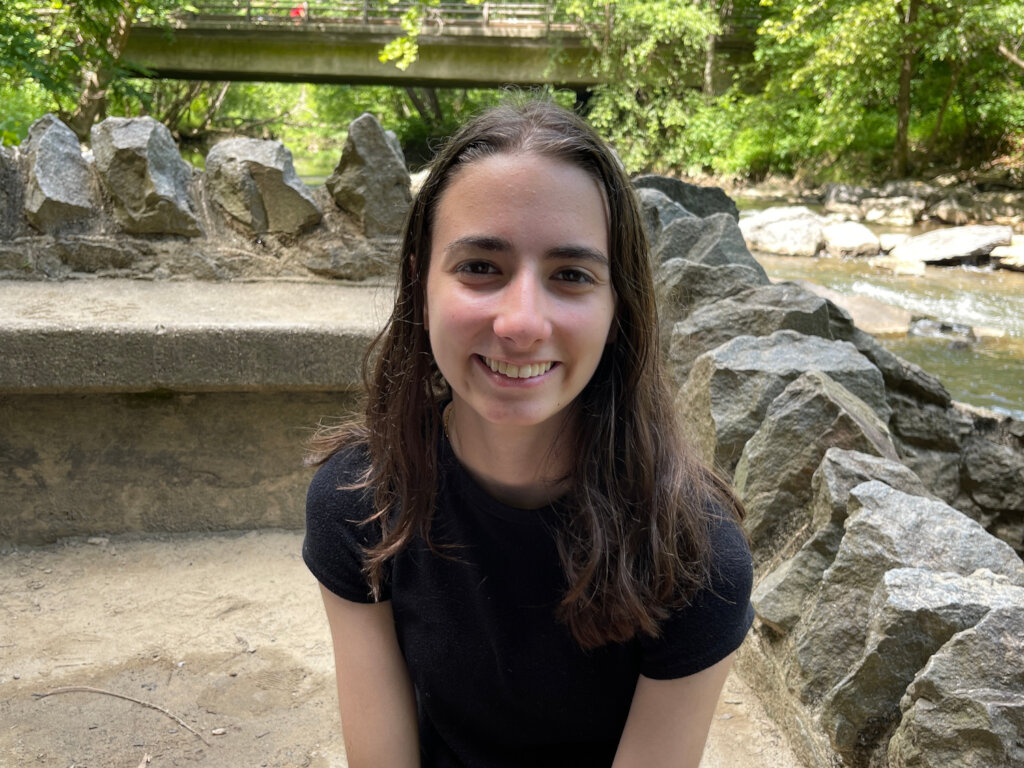
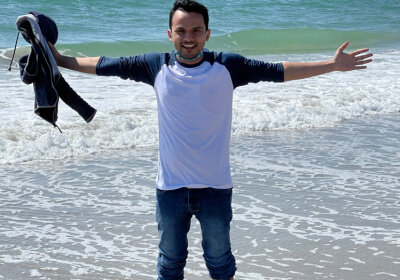
The team included our first-ever Fellows from High School (Grace and Nina); undergraduates from Turkey, Iraq, Nepal, Liberia, India; and first-generation Americans from Vietnam, Cape Verde, India, and Ukraine. Prabal, a long-time friend from Nepal who was stranded in the US by the lockdown also came on board to provide remote support to a partner in Nepal that was battling the pandemic. Prabal took advantage of his enforced stay in the US to visit the ocean for the first time (photo).
Several of those who worked remotely provided back-up to the three Fellows in Africa and all produced quality blogs. Beliz (Pomona College) drew on her weekly remote meetings with Matthew in Liberia to write a powerful blog comparing the stigma caused by HIV-AIDS, COVID-19 and Ebola. Avyan, who backed up Jeremiah in Senegal, wrote a searing blog about her personal experience of being forced into marriage in Kurdistan.
Each remote Fellow was also assigned to a start-up. This meant a weekly Zoom with the partner to monitor progress, advise and encourage. It worked well with the exception of northern Uganda, where the closure of primary schools left us scrambling to find a slot for an accomplished Fellow back home. Two Fellows have stayed on to support their partners, showing their interest and dedication.
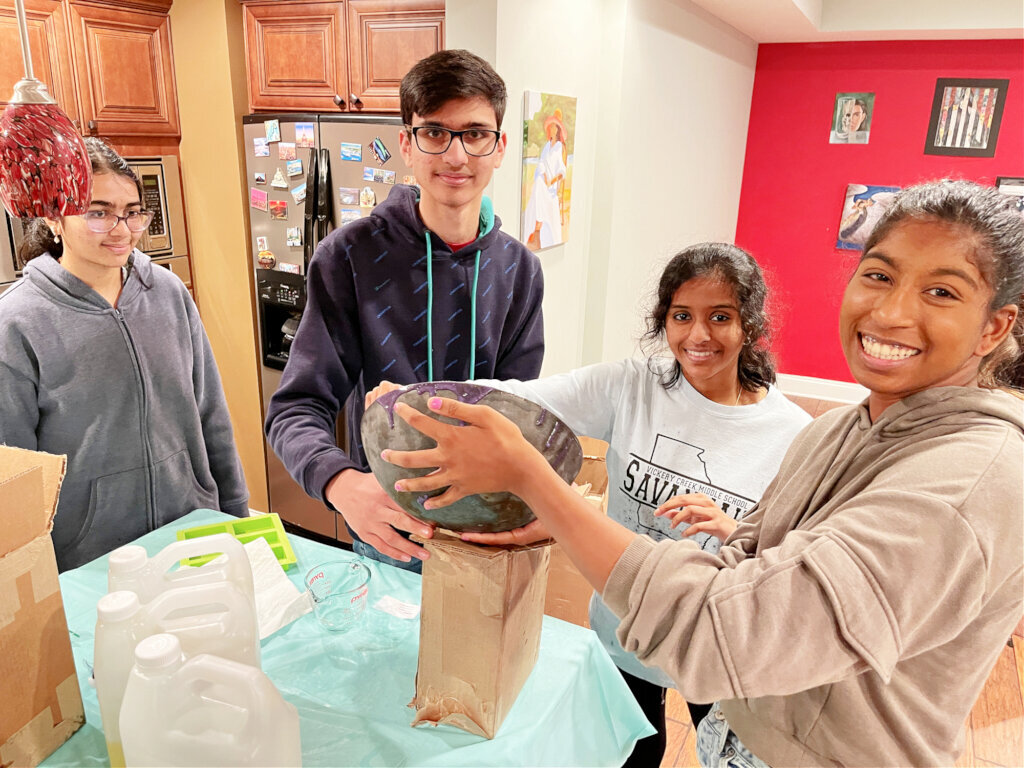
Reviewing this experimental year, it is clear that working remotely carries as much responsibility as serving in the field. We also understand that the qualities we need most in Fellows - creativity, adaptability, perseverance – apply equally to remote or in-person fellowships. Take Nina, 17, who organized her High School friends to make soap on behalf of girls in Zimbabwe. Nina’s team raised over $600 in a weekend and showed - like Grace - that High School students can be very effective. It all comes down to skill, character and commitment.
AP has certainly been the beneficiary. Several key posts at AP are now filled by former interns or Fellows who did outstanding work for us in the past. Jonathan (University of Maryland) designs our quilt catalogues. Gio (George Washington) edits our videos. Delaney (UC San Diego) coordinates all of our projects. Abby (University of Illinois) manages our website and coordinates quilt exhibits. Three former Fellows – Devin, Talley and Colleen – sit on our Board, as does our former fellowship coordinator Karen.
In short, our fellowship program remains a central part of our history and organizational culture, in spite of the pandemic.
Looking Ahead
Perhaps the single most important take-away from 2022 is that personal friendships matter more to our partners than technical assistance. This is because they face discrimination and poverty every day of their lives - COVID-19 is simply one more challenge to be overcome. Ram, our partner in Nepal who heads a network of families that lost relatives to the disappearances, put it like this in a podcast: “Families of the disappeared have been living through a pandemic for the last twenty years.”
As a result, we will continue to place the highest premium on friendship. Yes, these partners will need technical support to tell their stories, form an association, develop budgets, set goals and eventually manage projects. But this can also happen remotely. Zoom provides us with the tool and Fellows do not need to be present in person to supply a creative spark, give advice or offer friendship.
This ensures a rich experience for the Fellows themselves. As Beliz wrote in her farewell appreciation: “(This fellowship) has allowed me to meet amazing people around the world this summer!” We will be looking for more standouts like Beliz as we recruit for 2022 and beyond.
Let us end by thanking you again for supporting our amazing Fellows! We wish you a wonderful holiday and a productive new year.
The AP team.
Project reports on GlobalGiving are posted directly to globalgiving.org by Project Leaders as they are completed, generally every 3-4 months. To protect the integrity of these documents, GlobalGiving does not alter them; therefore you may find some language or formatting issues.
If you donate to this project or have donated to this project, you can receive an email when this project posts a report. You can also subscribe for reports without donating.



Support this important cause by creating a personalized fundraising page.
Start a Fundraiser