Project Name: Help 300 Flood-Affected Vulnerable Children in Namibia
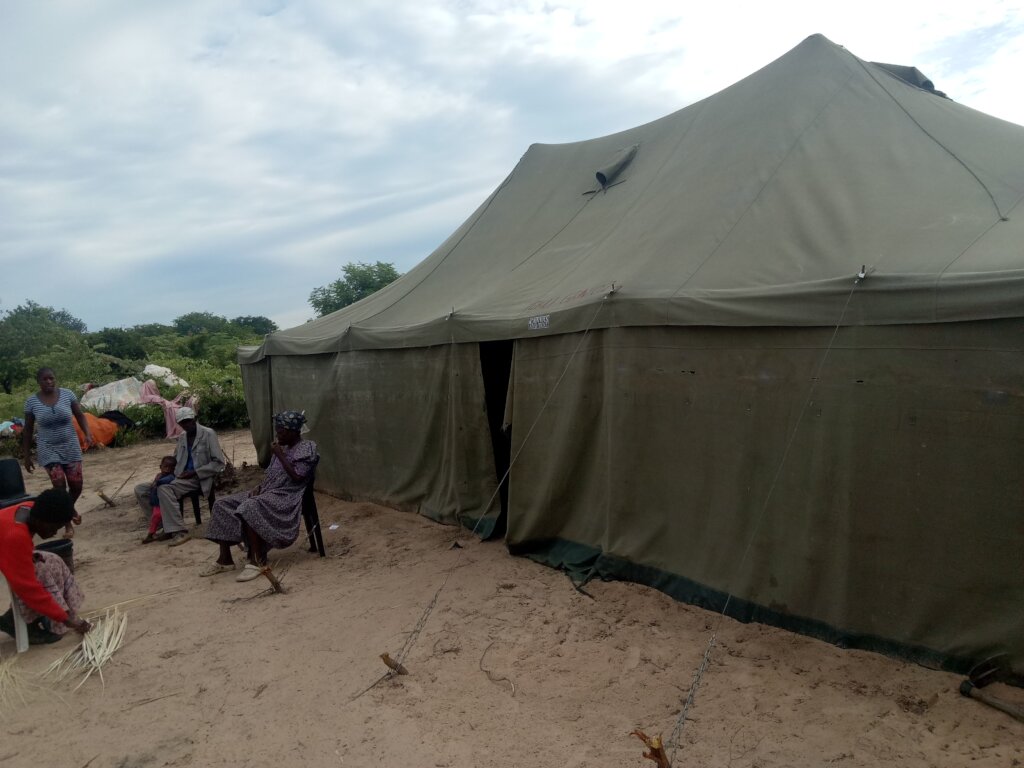
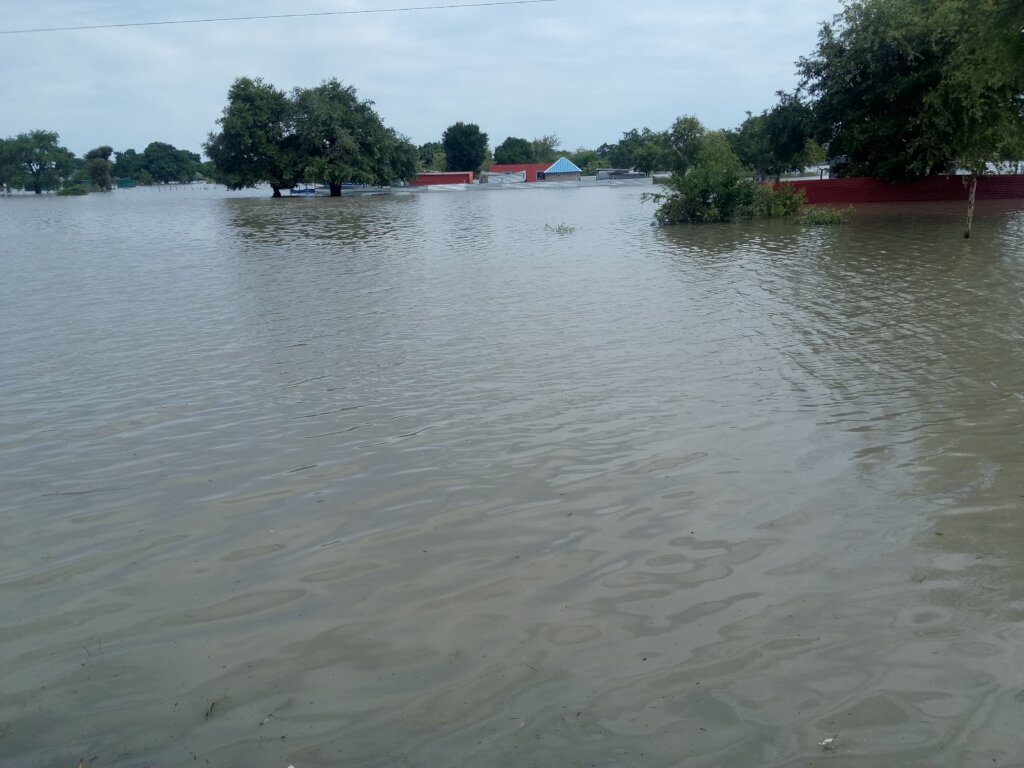
During the three months period under review, the project continued to provide emergency support and psychosocial assistance to flood-affected children and vulnerable families in northern Namibia. Heavy rainfall experienced in both Angola and northern Namibia resulted in rising water levels that affected several households and disrupted normal community life, including access to schools, healthcare services, and safe drinking water.
Certain schools in the flooded areas were temporarily closed due to flooding, making it difficult for many children to continue with their normal learning activities. As a result, many children remained in relocation camps and households without access to formal education during this period.
The project managed to reach vulnerable households through community outreach and awareness campaigns on flood preparedness, hygiene practices, child protection, and disease prevention. Community education remained an important tool in helping affected families understand safety measures during the flooding period and how to protect children from waterborne diseases and other health risks.
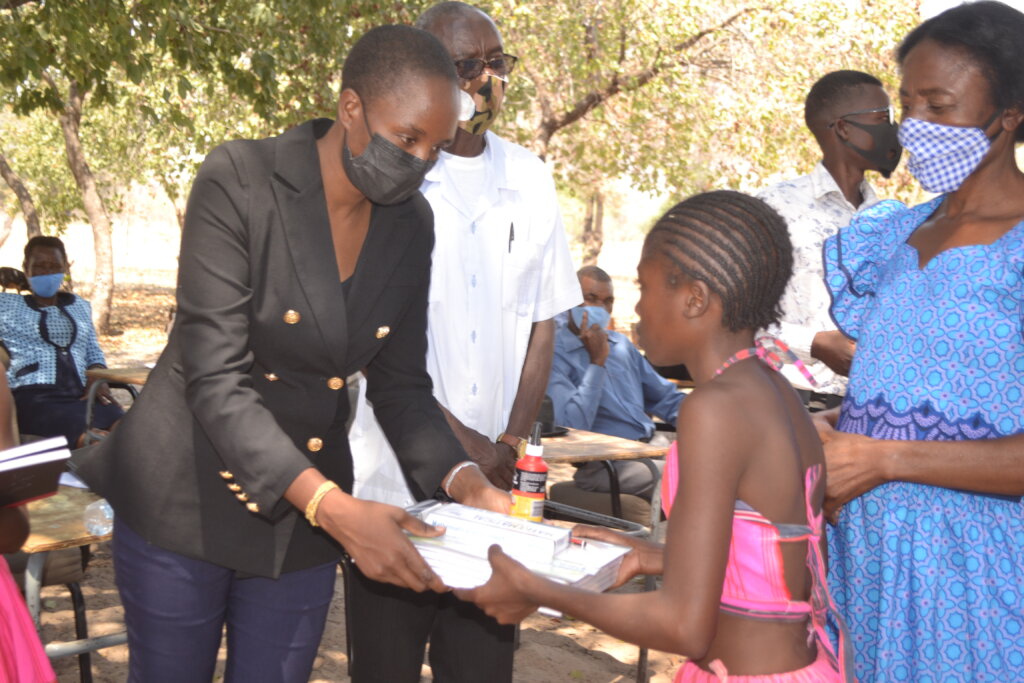
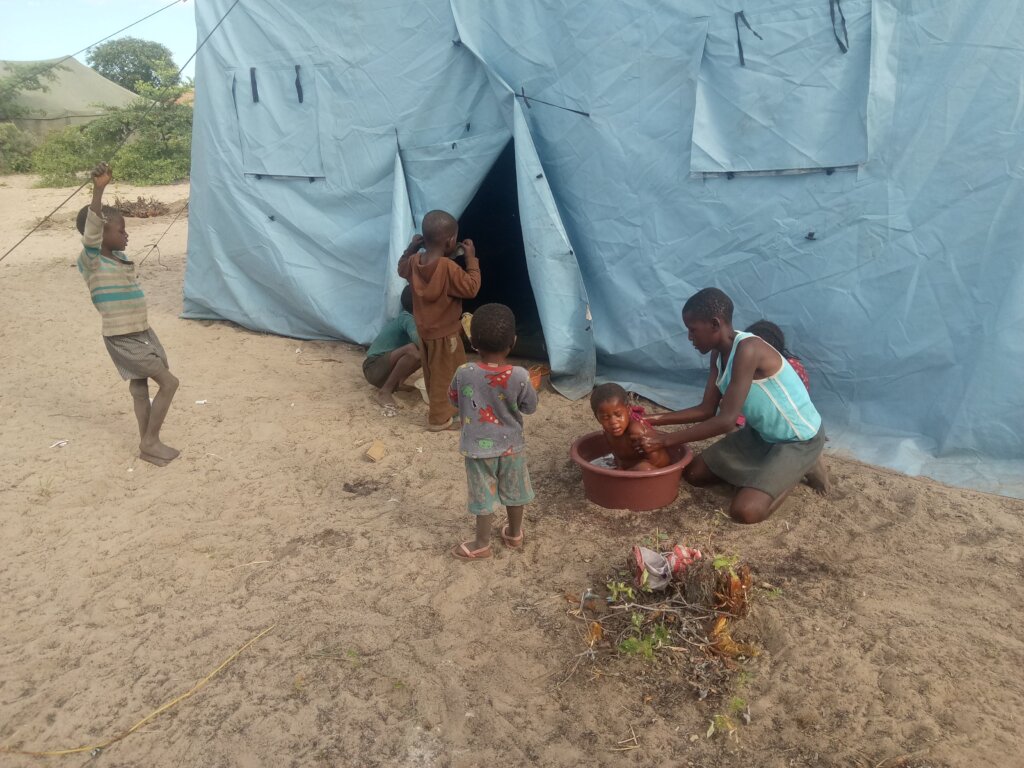
During this reporting period, the project supported flood-affected families with essential humanitarian assistance, including food parcels, sanitation materials, mosquito nets, and clean water support. Special attention was given to children, pregnant women, elderly people, and persons with disabilities who were identified as highly vulnerable during the emergency situation.
The project also assisted school-going children with lesson backup support in relocation camps to help them continue learning while schools remained temporarily closed. Volunteer teachers and team members helped children with basic learning activities, reading sessions, and educational support to reduce learning disruptions caused by the floods.
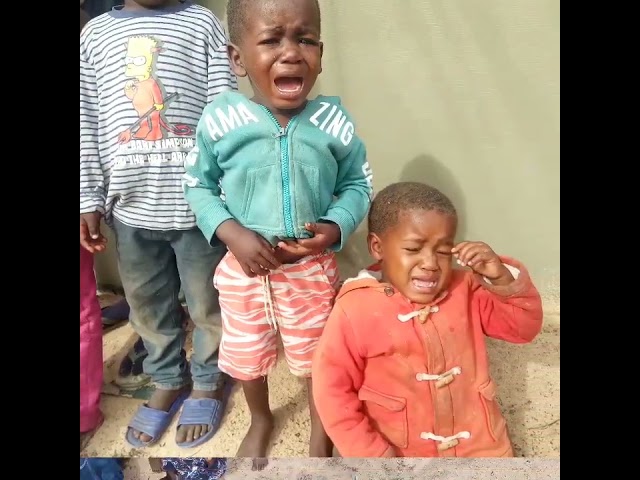
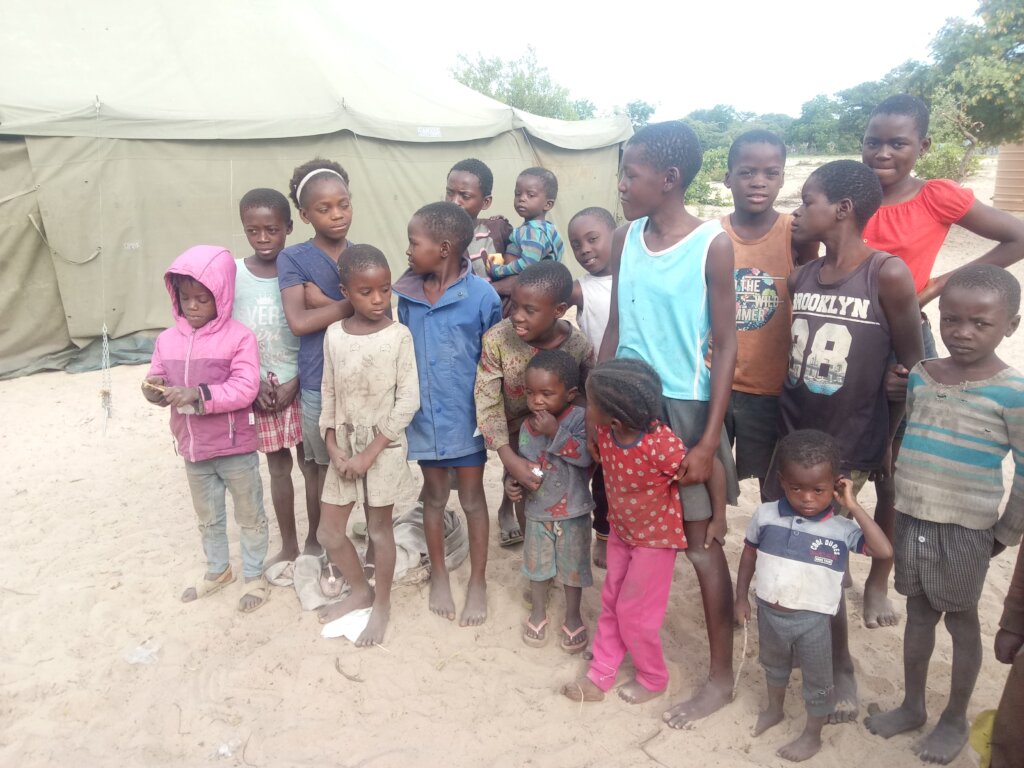
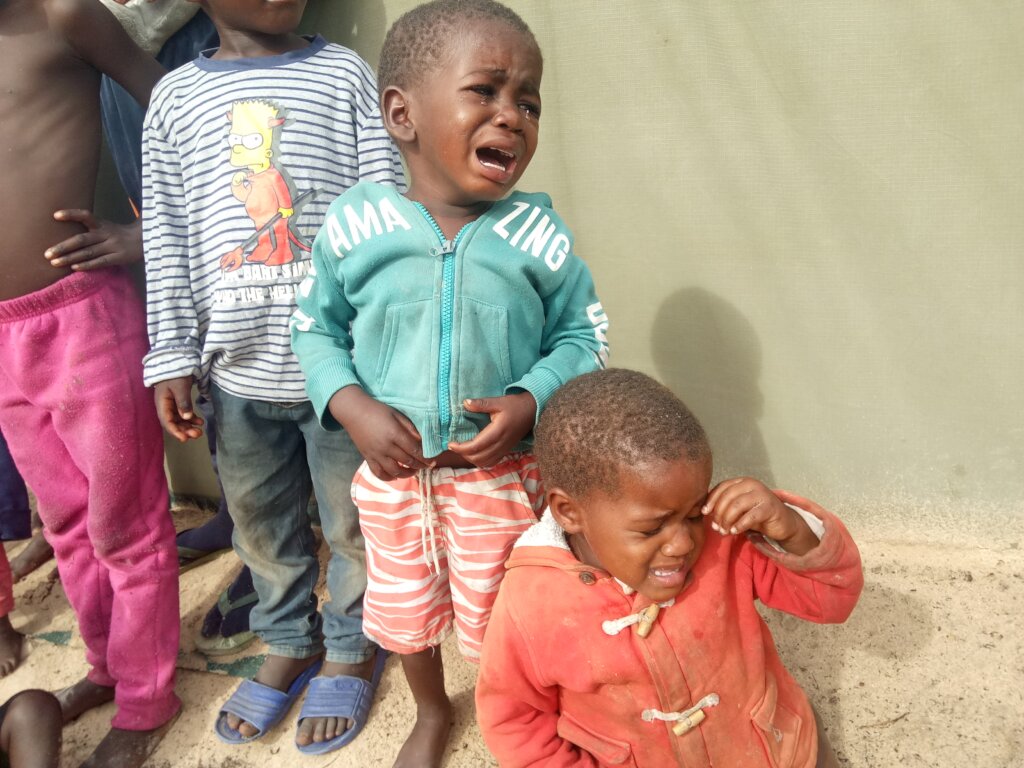
In addition, the project established child-friendly spaces in relocation areas where children could safely gather, play, and participate in educational and psychosocial activities. These activities helped children cope with stress, fear, and trauma caused by displacement and loss of property.
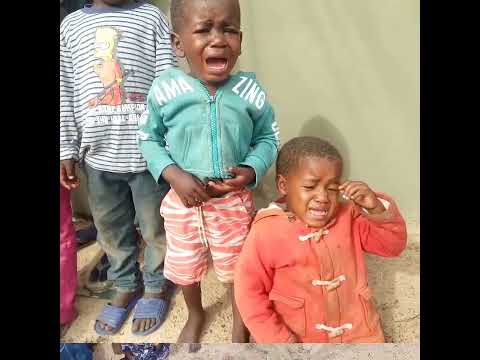
In collaboration with local leaders, volunteers, and community stakeholders, psychosocial support and counseling sessions were conducted to assist affected community members dealing with anxiety, emotional distress, and uncertainty caused by the floods. Referral pathways for medical care and additional social support services were also strengthened during the reporting period.
Despite transportation challenges and limited resources caused by inaccessible roads and flooded areas, the project team remained active on the ground and continued to monitor the situation closely. Community participation and cooperation from local authorities contributed positively toward the implementation of project activities.
However, financial challenges continued to affect the full implementation of some project activities during the reporting period. Limited resources made it difficult for the project team to reach all targeted beneficiaries and fully implement planned programs and interventions. If additional financial support is not secured, this may become a stumbling block for the sustainability and effectiveness of the project activities in the near future.
Going forward, the project aims to expand humanitarian assistance to reach more vulnerable children and households, strengthen psychosocial support services, and continue promoting community awareness and resilience during the remaining flooding season.