By Alexis Coppola | Senior Program Officer
Dear Lifeline Supporters,
Lifeline is excited to update you on its activities over the last three months!
Stove Program
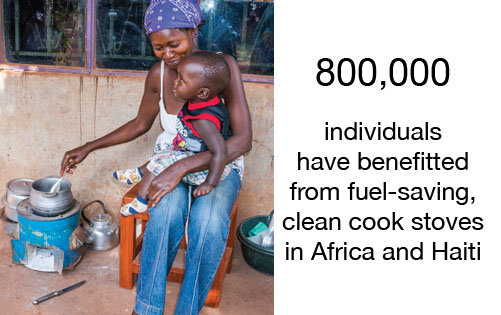
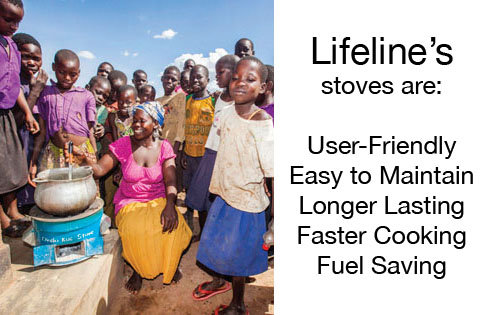
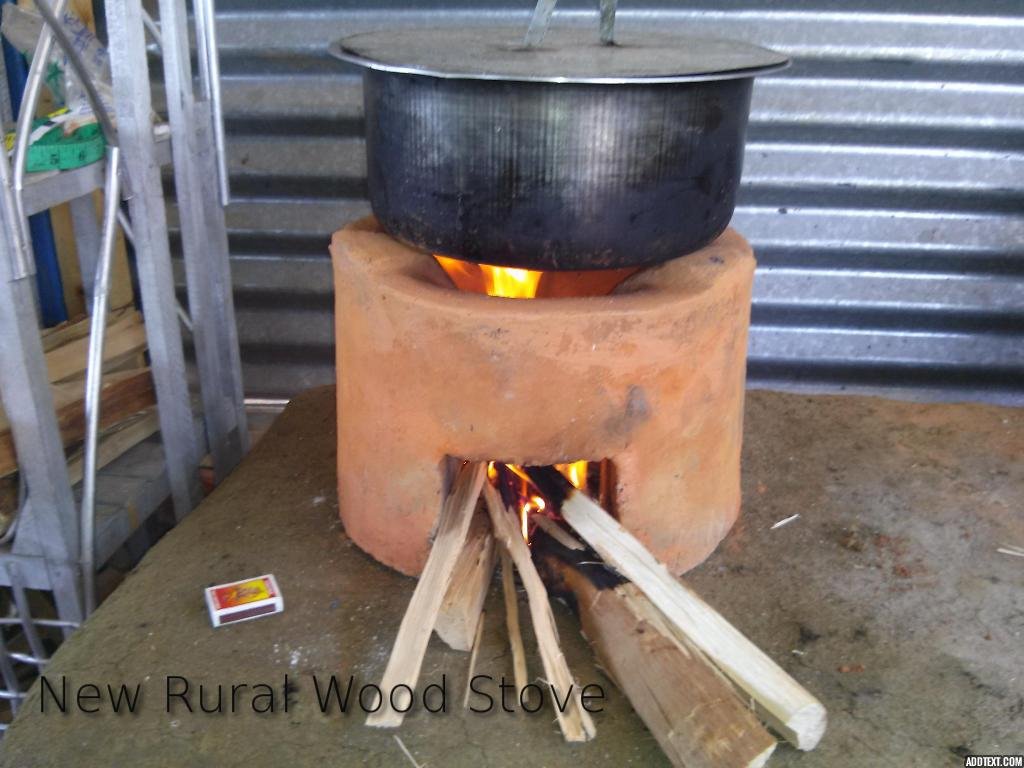
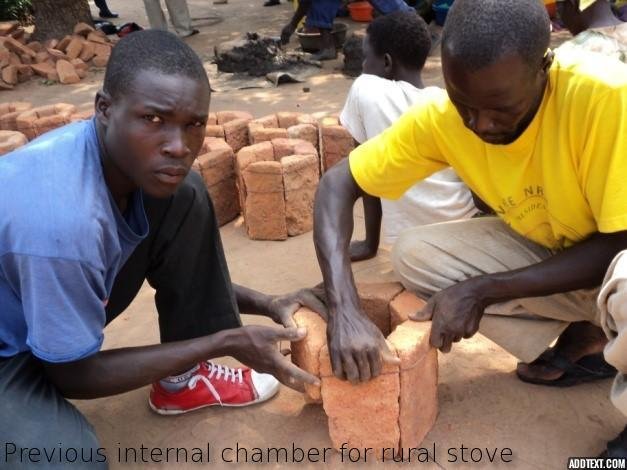
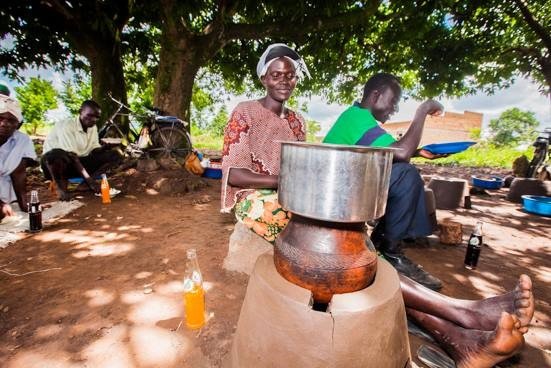
After conducting extensive R&D, Lifeline is proud to announce the recent sale of its new rural wood-burning stove (RWS) model. The key difference between this new model and Lifeline’s older version is that it will replace the six-brick combustion chamber with a single-piece liner. This replacement eliminates the need for after-purchase assembly and provides greater efficiency and durability. Third party testing by the Centre for Research in Energy and Energy Conservation (CREEC) shows that the new stove model uses 48% less fuel and has a thermal efficiency rating of 25%, which translates into a reduction of about 1.66 tons of CO2 emissions, as compared to about 1 ton in the case of Lifeline’s previous model. At a production cost of approximately $2.50 per stove, the new model is still affordable for Lifeline’s bottom-of-the-pyramid customer base.
Working in partnership with GIZ, Lifeline is also in the process of building a new environmentally-friendly kiln that will facilitate the production of its new RWS. This kiln will allow Lifeline to fire the liners at a higher heat, thereby improving the quality and durability of the stove. Further, the kiln will enable Lifeline to increase its production capacity from 500 stoves per month to 3,600 stoves per month.
Over the last three months, Lifeline delivered 2,336 new RWS to 35 communities using its Community Health Clubs (CHCs) as a vehicle for distribution and educating CHC members on the various benefits of stoves. For each community in which stoves are sold, Lifeline provides extensive training on stove usage and maintenance to ensure the greatest possible impact.
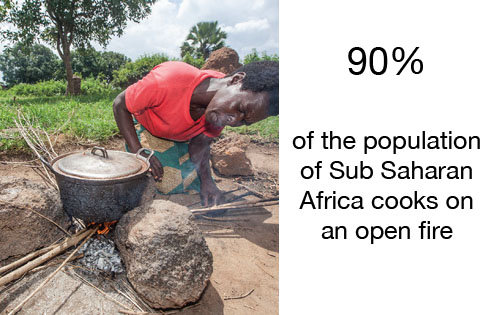
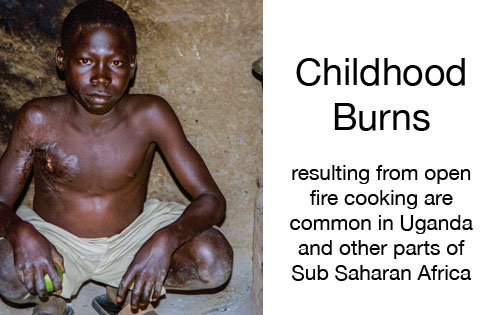
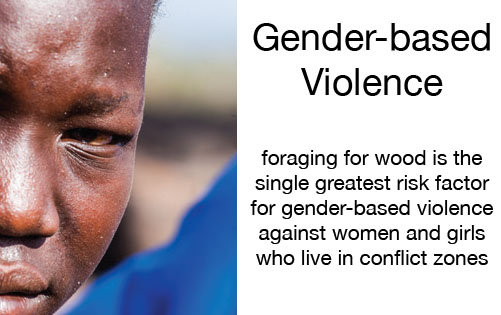
The RWS are sold for UGX 8,000 (approximately $2.50). Each CHC makes a profit of UGX 2,000 per stove, half of which is invested in the CHC’s revolving fund and the other of half of which goes to the CHC’s executive operations. In addition to generating revenue for CHCs, about 11,500 community members will benefit from a safer, cleaner cooking technology that will save over 11,500 trees per year, reduce C02 emissions by more than 3,800 tons per year and save women and girls about 2,000,000 hours per year that they would have otherwise spent cooking and collecting firewood, and can now dedicate to other activities such as education, income generation and civic participation. [1]
Agnes lives in the village of Alaibung. Having just received one of Lifeline’s RWS, she states: “I had the three-stone fire and then tried the local mud stove, but so far the one we got from Lifeline is the best. It was easy to install, I use small pieces of wood to cook, it is hot and I can cook all types of food on it!”
WASH Program
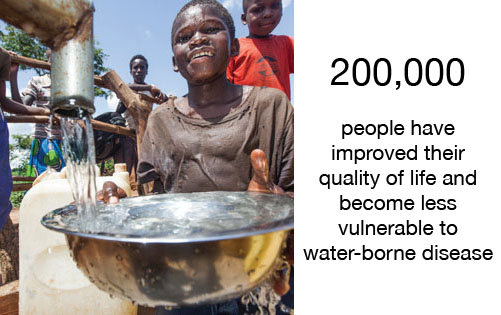
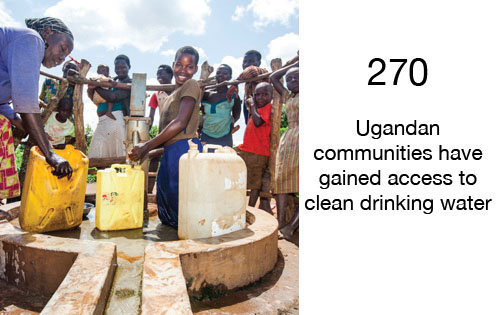
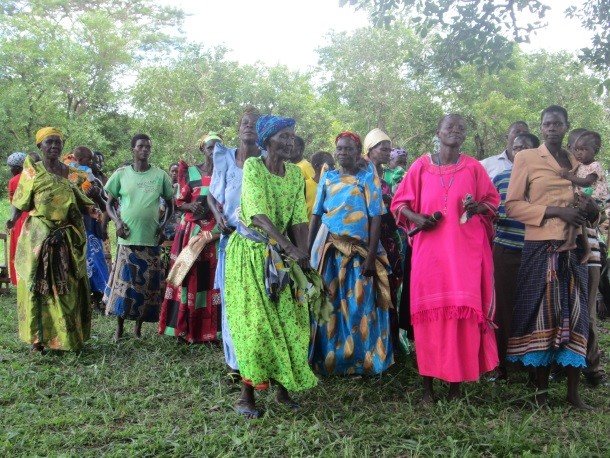
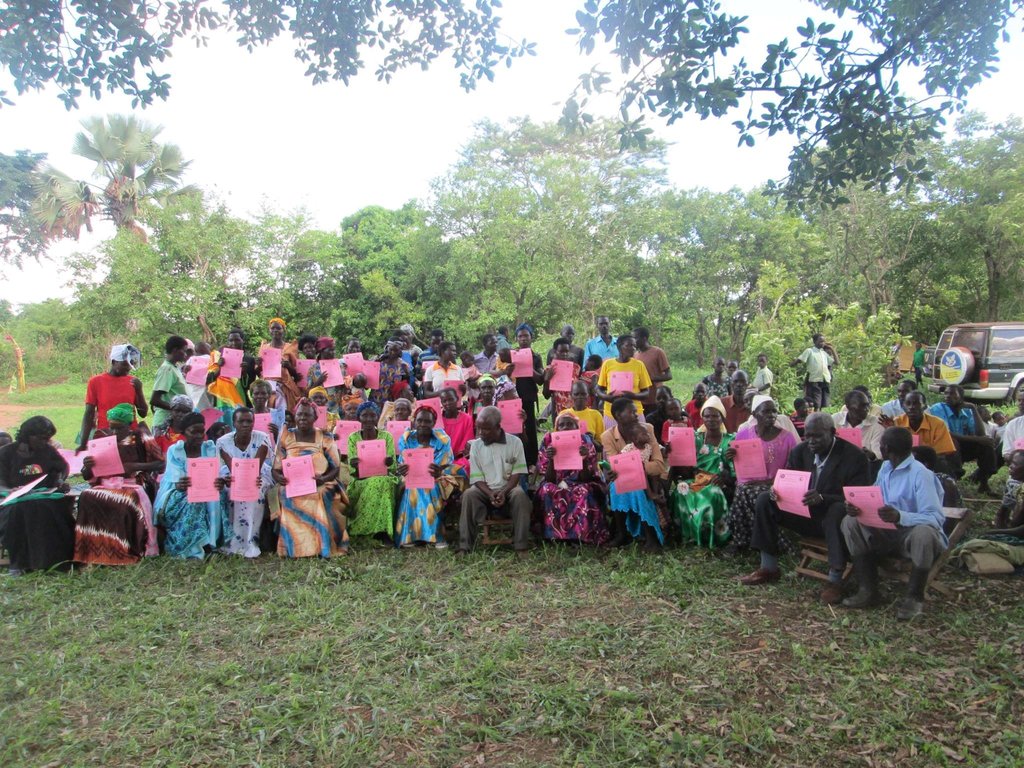
During this time period, Lifeline also made progress on programs beyond the scope of its Global Giving Campaign. As mentioned in the last report, Lifeline is in the process of completing 75 community health clubs (CHCs) through which 70%+ of a community’s households receive intensive training on proper hygiene/sanitation practices. Over the last 3 months, 11 of the CHCs have completed their health sessions and celebrated with a CHC Graduation Ceremony. Lifeline looks forward to spending the next 5 months helping 10 of these CHCs transition to income-generating groups.
Imat, a CHC member in Toopeyero Village, states: “Music, dance and drama are good communication avenues that allow CHCs to learn about safe water, sanitation and hygiene. These avenues are fun and leave a lasting impression so that CHC members become custodians of safe water, sanitation and good hygiene practices.”
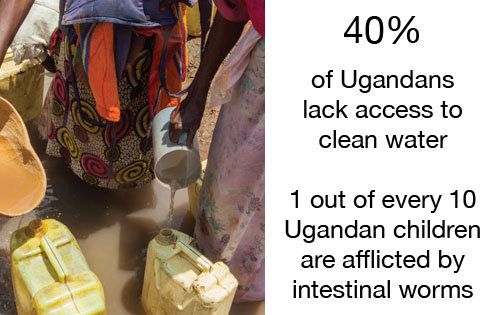
Lucy, a CHC member from Inyer Village further notes that: “Before the CHCs and the training we have had, we used to suffer from many common illnesses such as diarrhea, but now with the training, improved water and use of latrines and clean utensils, there is reduced diarrhea especially in children.”
[1] Lifeline’s RWS have a lifespan of 3 years.
Project reports on GlobalGiving are posted directly to globalgiving.org by Project Leaders as they are completed, generally every 3-4 months. To protect the integrity of these documents, GlobalGiving does not alter them; therefore you may find some language or formatting issues.
If you donate to this project or have donated to this project, you can receive an email when this project posts a report. You can also subscribe for reports without donating.