By Rosa Ammon-Ciaglo | Program & Outreach Manager
The results are in! Two program evaluations, conducted by NYU Wanger School of Public Service and the Icahn School of Medicine at Mount Sinai, have shown us the positive impacts of Teens for Food Justice in at-risk school communities.
We would first like to thank Jacqueline Spinner, MPH, from the Icahn School of Medicine at Mount Sinai, for dedicating her Master's thesis to developing and assessing the Teens for Food Justice after-school curriculum.
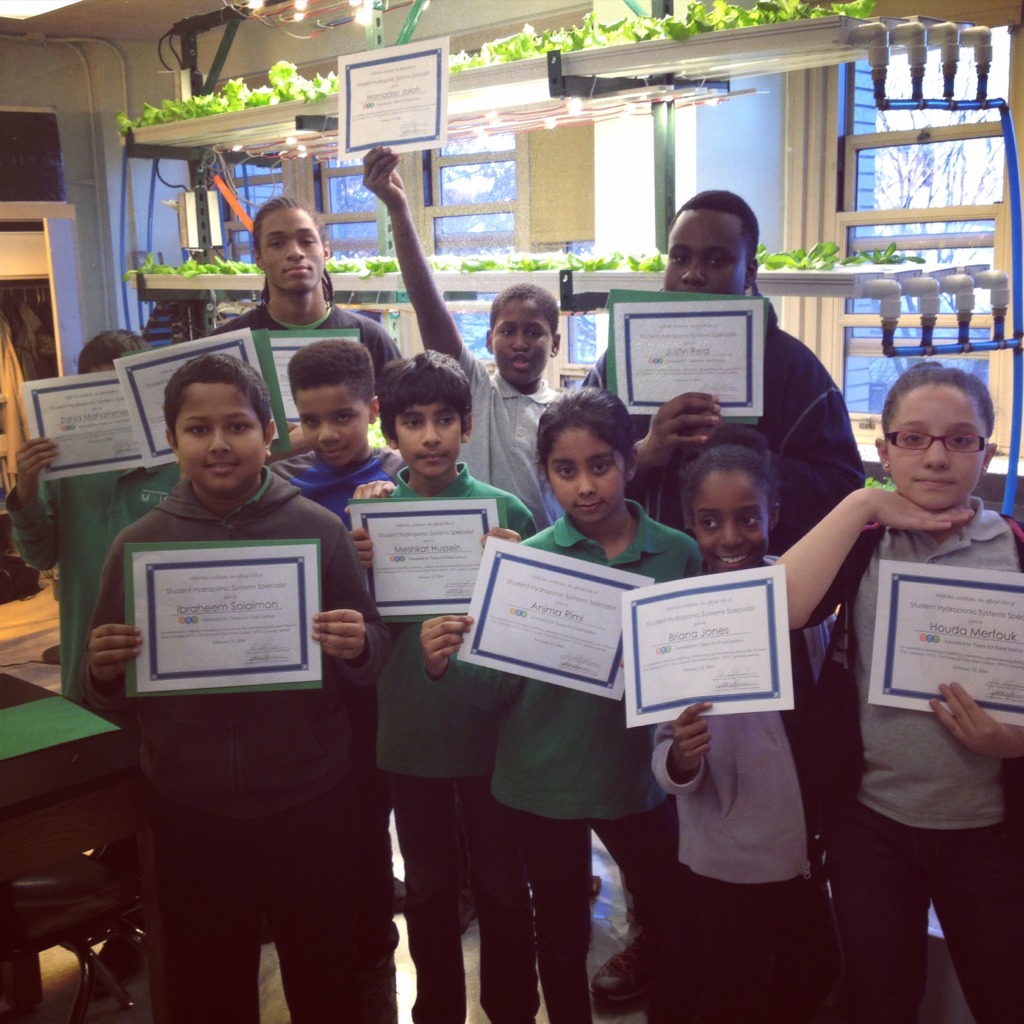
Her study shows that after their first five months in the TFFJ afterschool program, students demonstrated concrete knowledge of healthy eating practices, increased consumption of fruits and vegetables, and self-reported gains in confidence and desire to help others and teach their community what they have learned throughout the program.
Here are some examples of key takeaways our students have expressed about their experience at TFFJ:
"I think I’m helping my community by finding another way of producing food than buying it at the store."
"I’m proud of actually taking care of these plants and being able to support them."
“When I came to this program, they taught me about healthy food and MyPlate, and I talked to my parents about how I can be healthier. For example, I tell my mom not too much salt.”
"We are teaching our families about healthy eating and why it's important."
"I didn’t like cooking before, but now I want to cook every day."
Children Hold the Keys to Family Food Choices
The second program evaluation, performed by a consulting team from the NYU Wagner School of Public Service, gave us important insights into how parents in the UA Unison community make decisions about food. Most parents surveyed indicated that they would incorporate more fresh produce into their family meals if the produce was more readily available, if they had access to simpler recipes, and if their children liked the food.
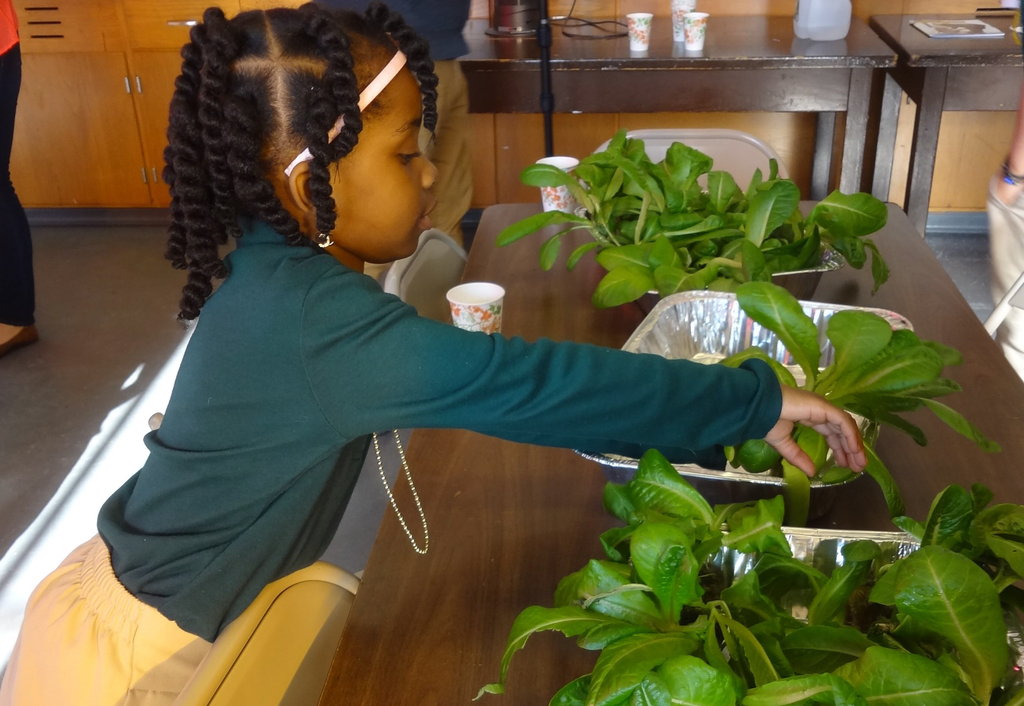
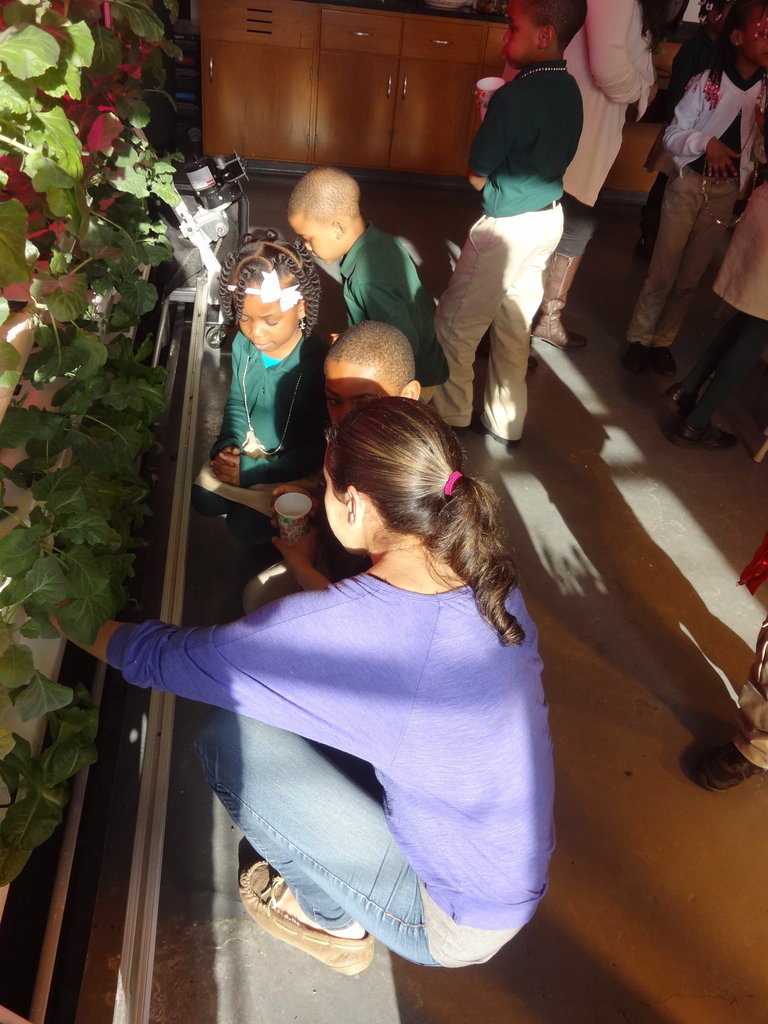
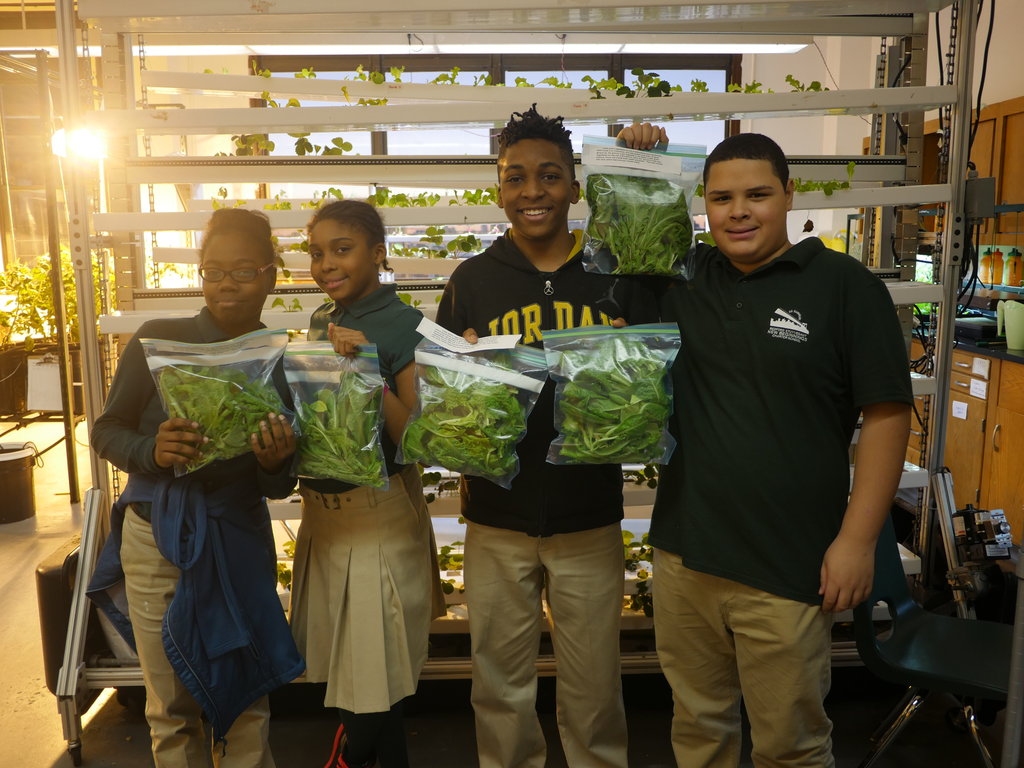
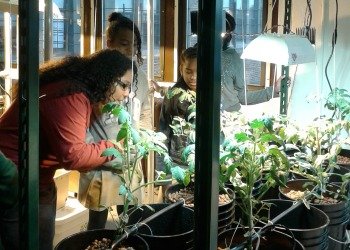
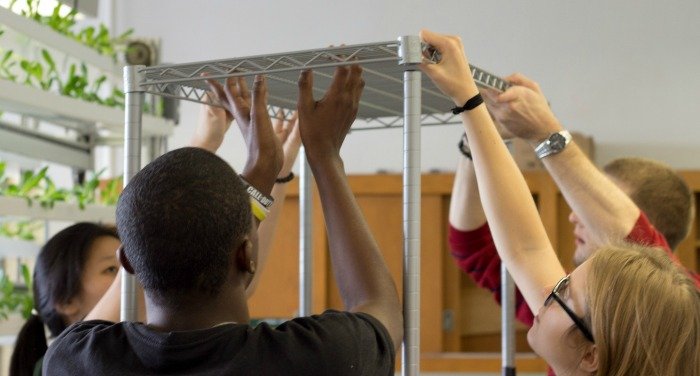
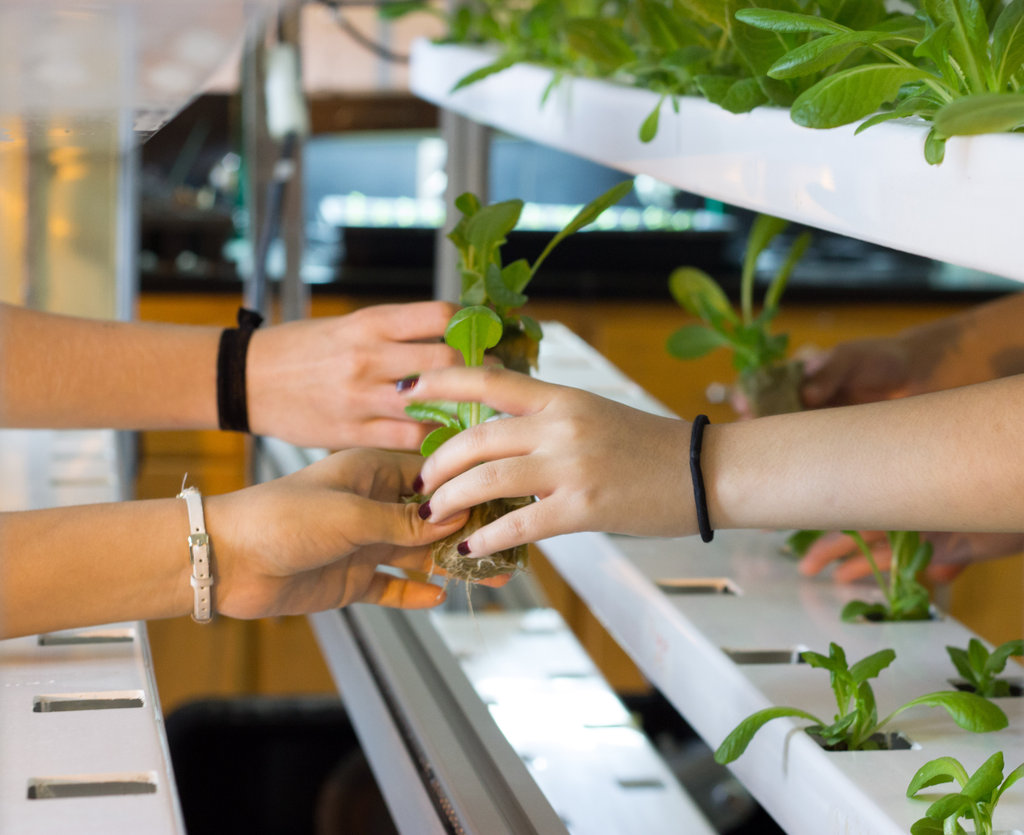
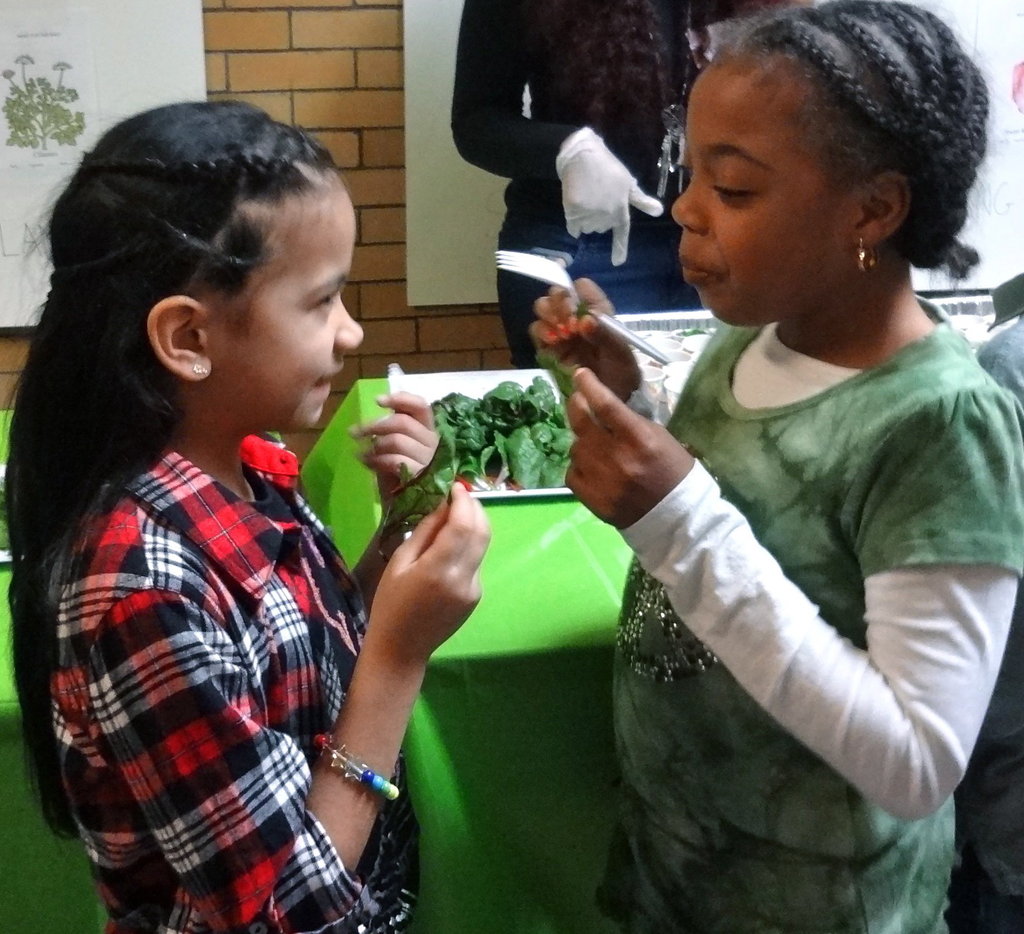
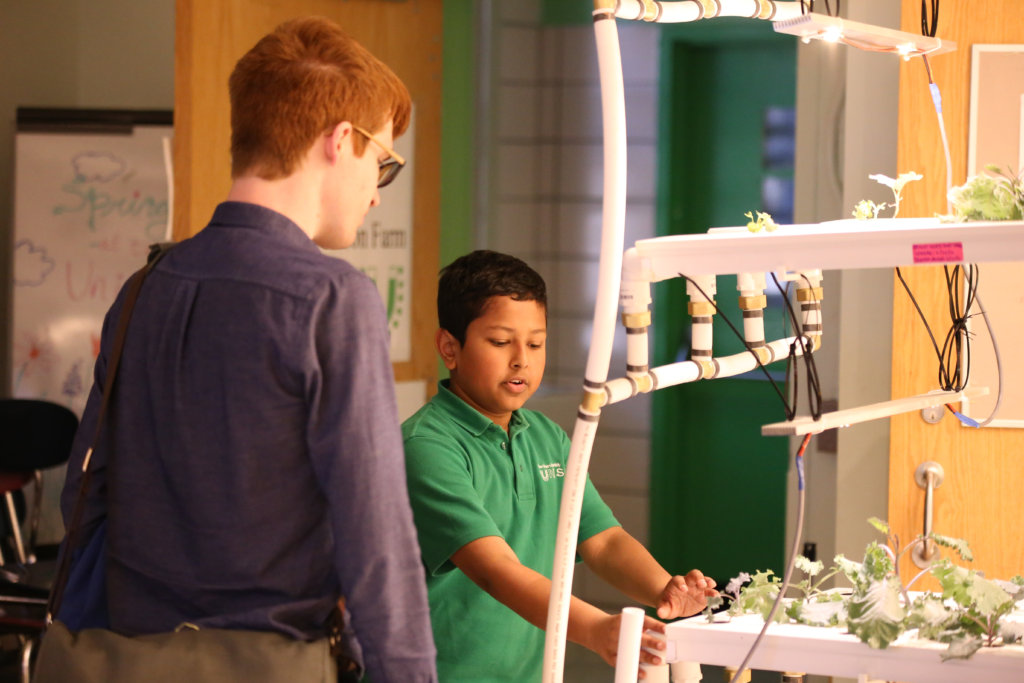
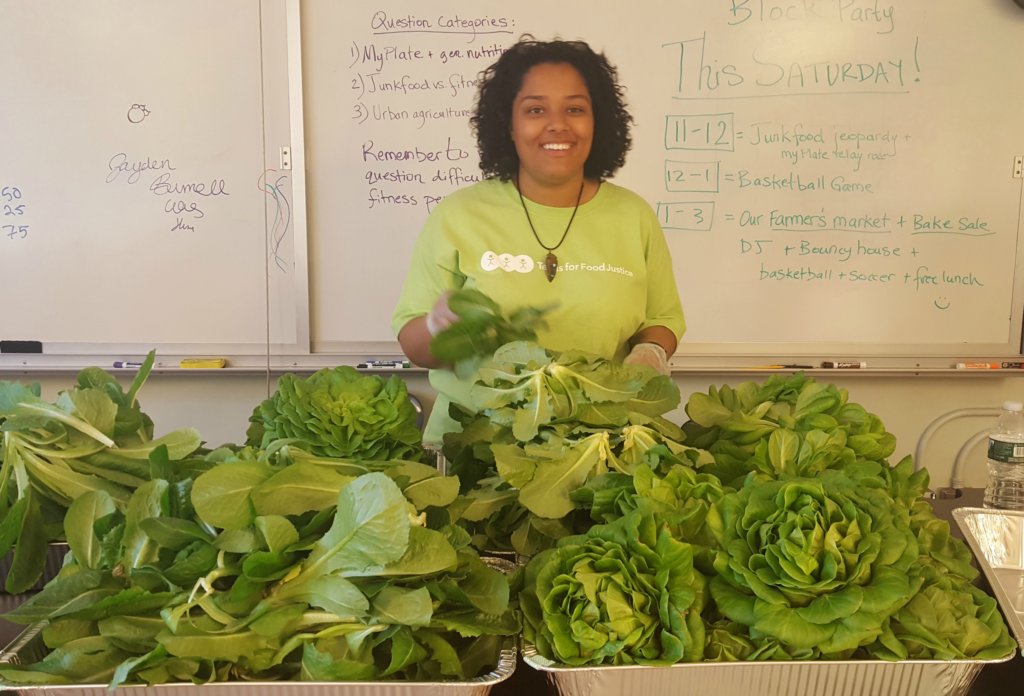
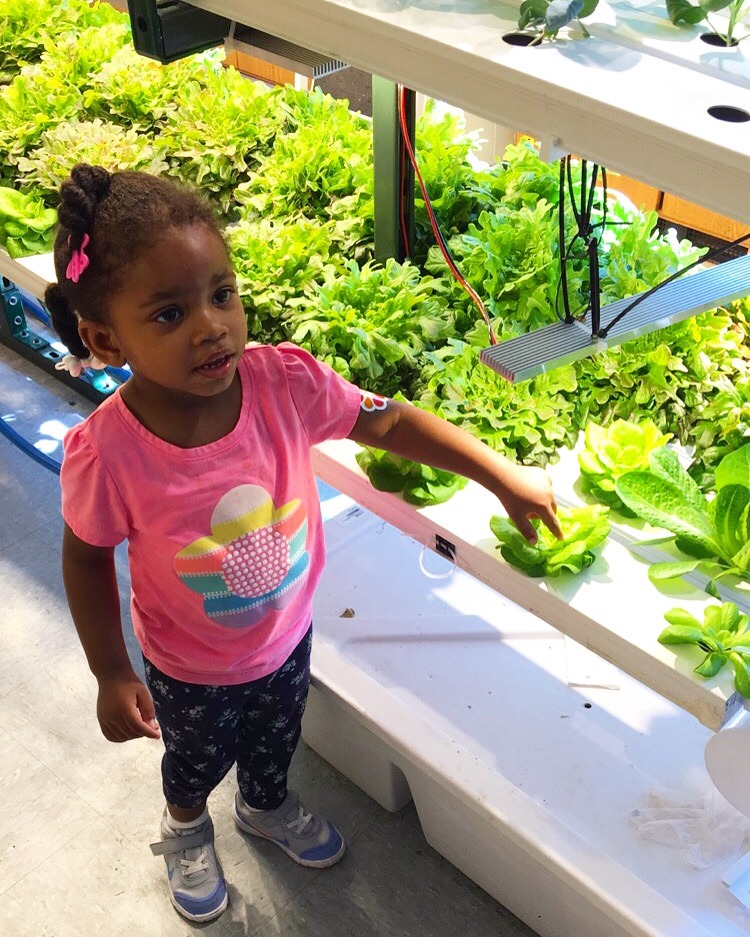
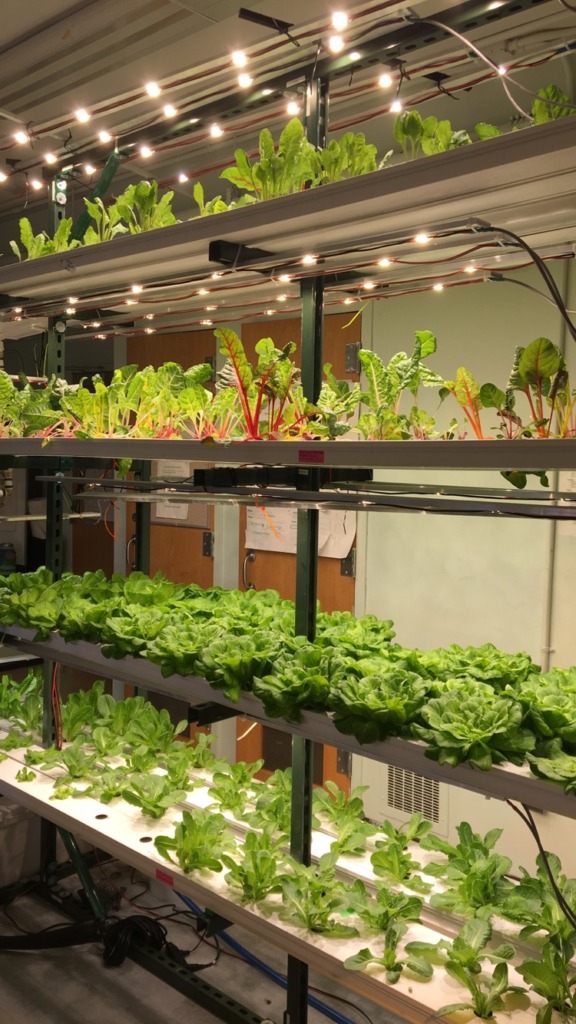
The Teens for Food Justice program makes all three of these things possible: students provide a source of fresh produce to their community by building and maintaining their classroom farm; they develop a taste for fresh fruits and vegetables, starting with the greens they grew with their own hands at the TFFJ farm; they learn how to cook the produce using simple recipes and affordable ingredients; and they develop the confidence and expertise to share their new knowledge with their families.
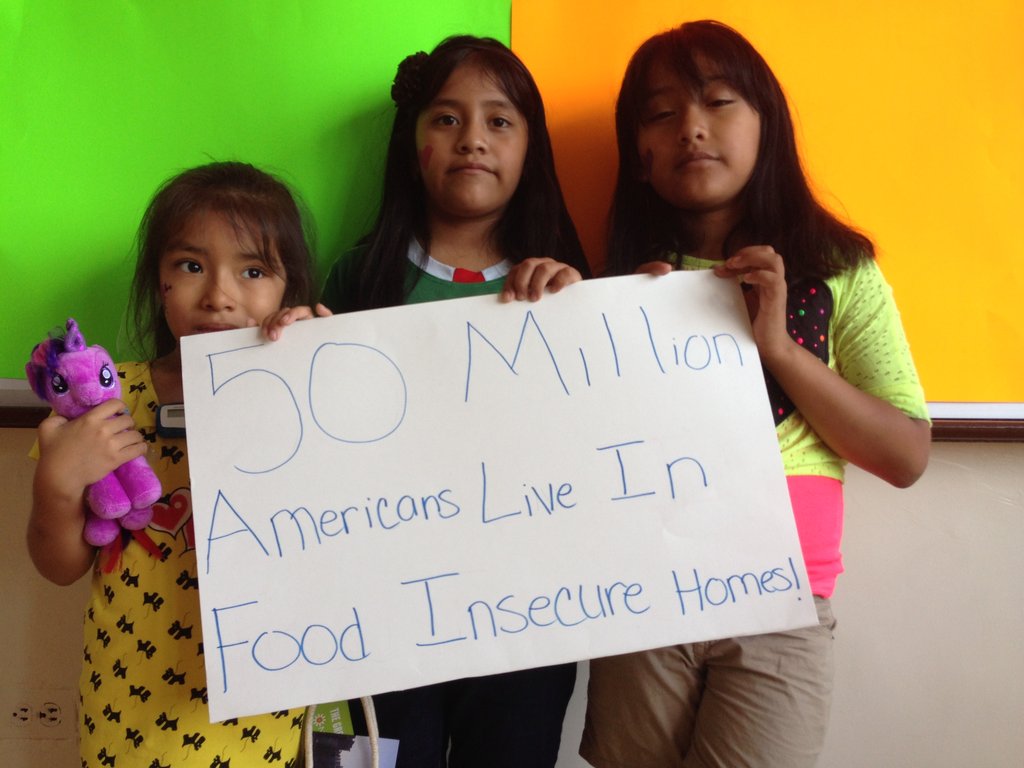
As we prepare to enter our second year of programming at Urban Assembly Unison school this fall, the new team of students will focus on engaging their parents and peers to build food justice and nutrition awareness for a healthier community in the long-run.
A Video is Worth a Thousand Words
https://www.youtube.com/watch?v=S-jfGbG10QQ&feature=youtu.be
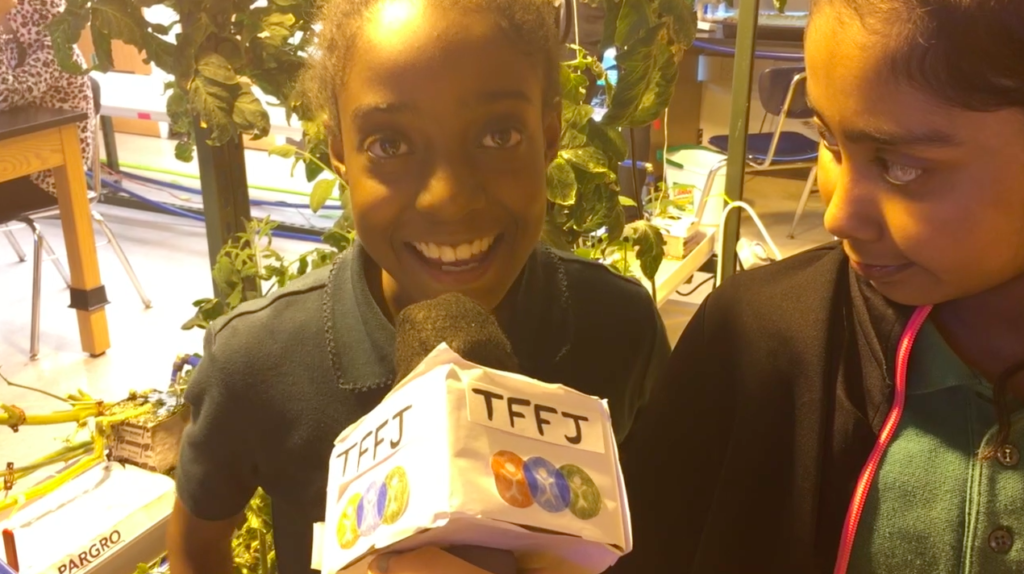
Click to watch a fun (and adorable!) video summary of the student team’s accomplishments this year, featuring creative interviews, footage of our community events and a lot of smiles. This video was filmed and edited by one of our young adult mentors in collaboration with the TFFJ middle-school students to present their outstanding accomplishments to their peers.
As always, we extend our sincere thanks to you and our team of supporters who, with generous minds and open hearts continue to grant us the means to cultivate healthier, more sustainable communities in our city.
Project reports on GlobalGiving are posted directly to globalgiving.org by Project Leaders as they are completed, generally every 3-4 months. To protect the integrity of these documents, GlobalGiving does not alter them; therefore you may find some language or formatting issues.
If you donate to this project or have donated to this project, you can receive an email when this project posts a report. You can also subscribe for reports without donating.