By Hope Okeny | Project Leader
Dear friends,
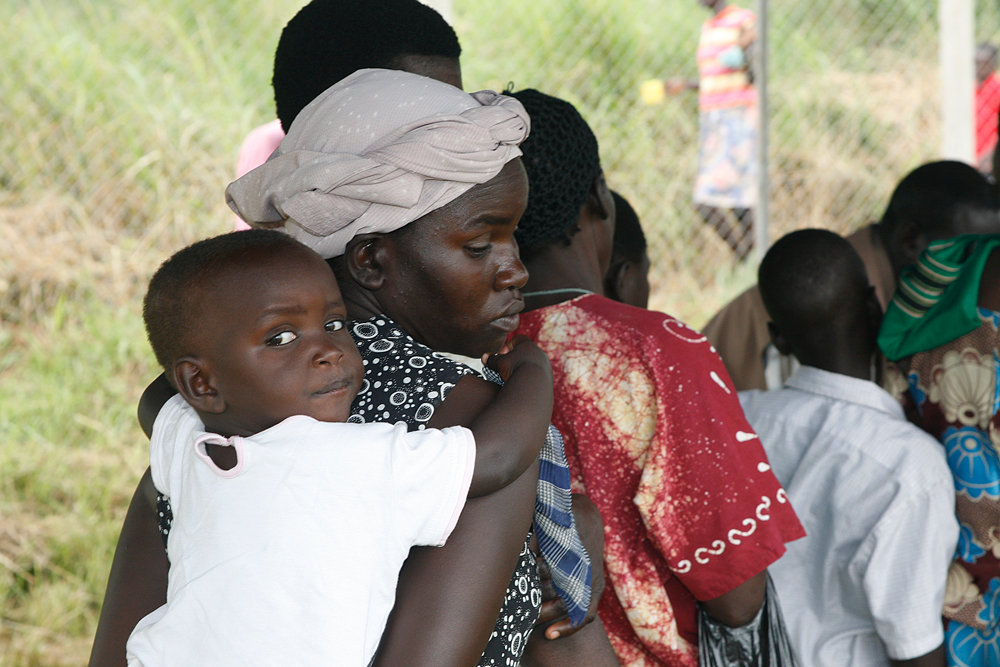
Family planning is hailed as one of the great public health achievements of the last century, and yet over 200 million women worldwide who want to use contraceptives don’t have access to them. In the poor and rural communities women and men are not empowered to decide the number of children and timing of their births, despite the fact that complications during pregnancy and childbirth are a leading cause of death for women in Africa.
Voluntary family planning empowers women and men to decide when to have a child and to avoid unintended pregnancies and abortions. This results in healthier families, communities, and nations. In addition, some methods of family planning prevent both pregnancy and sexually transmitted infections, including HIV.
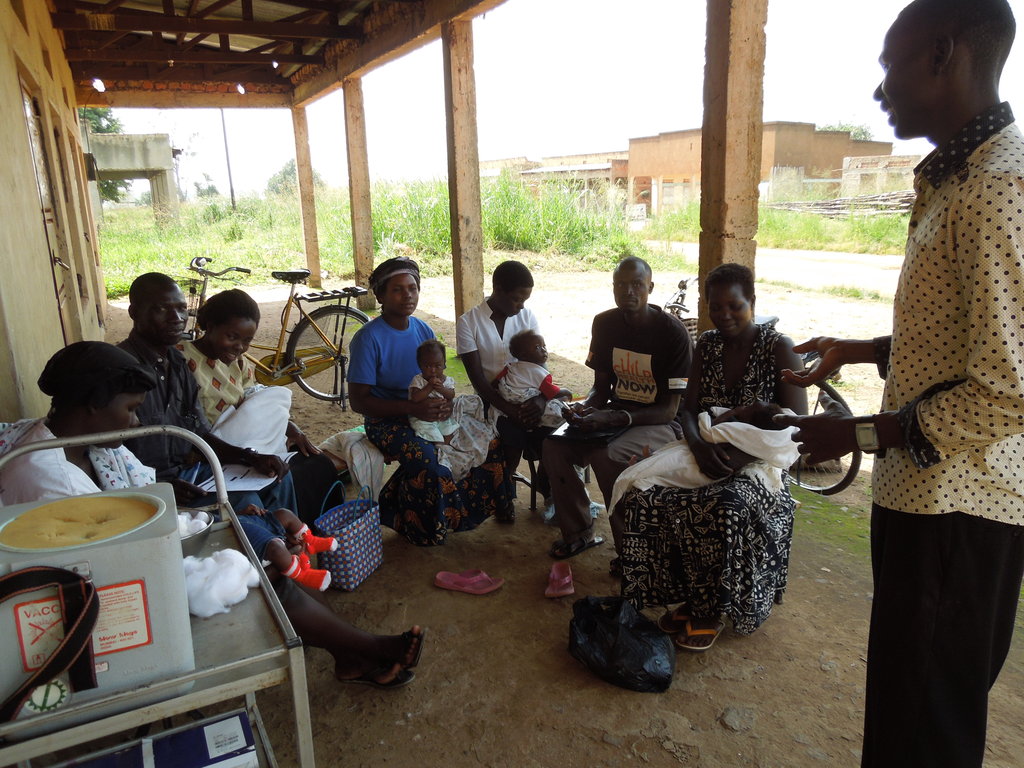
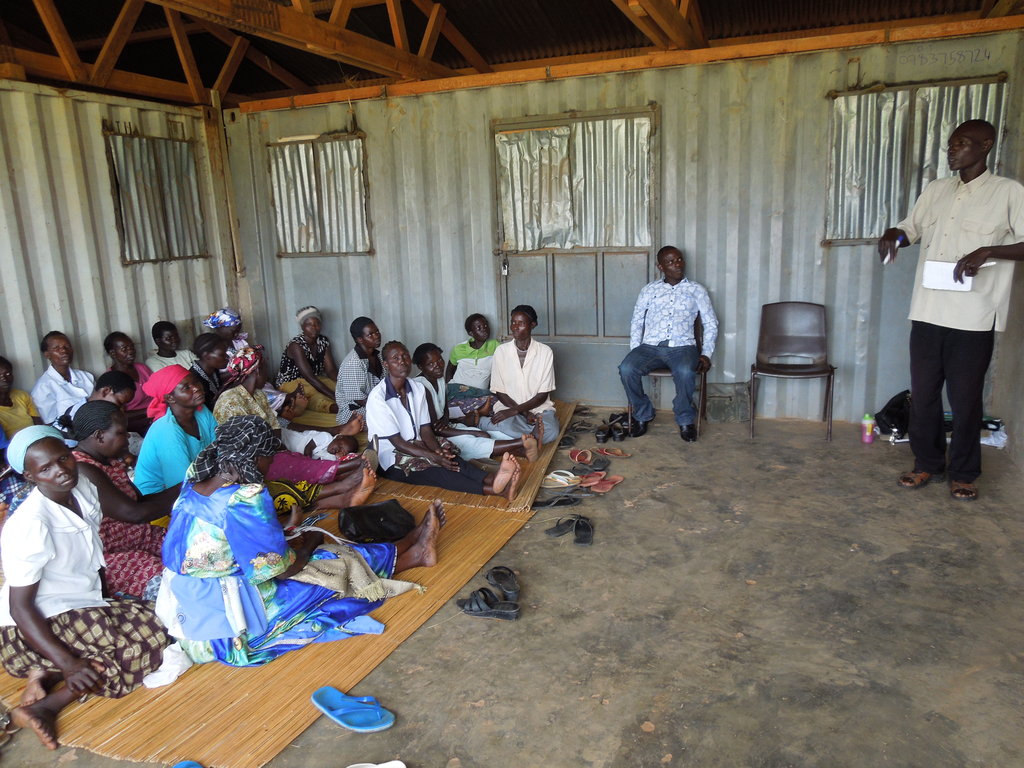
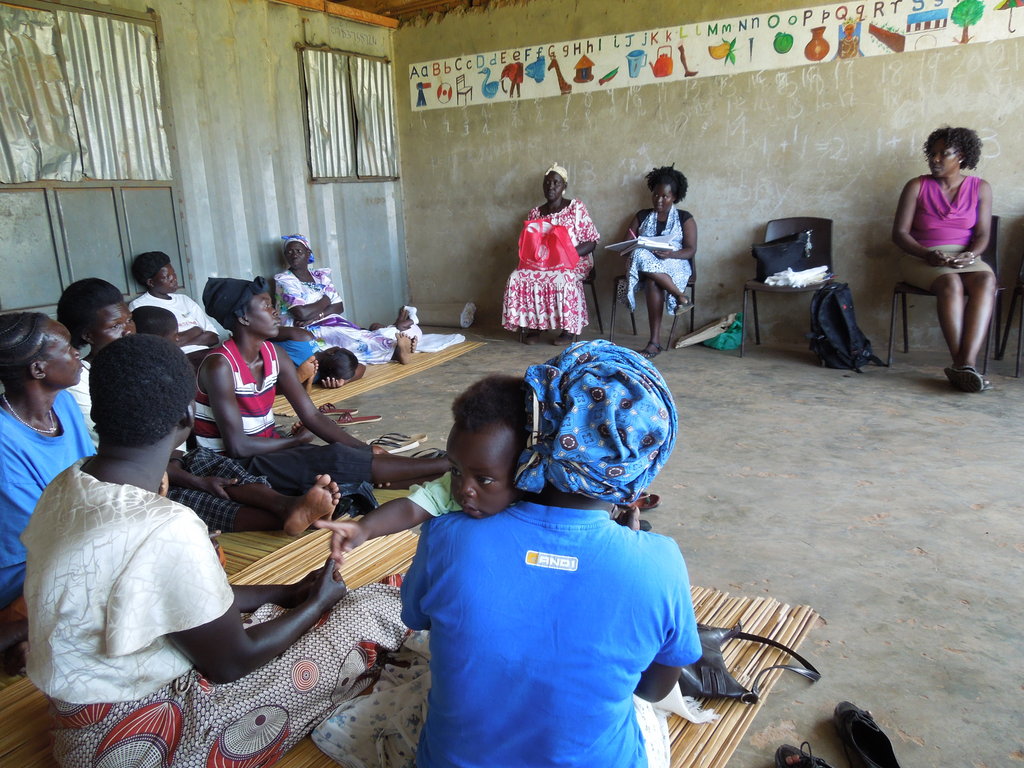
But despite this, many times medics are faced with the situation where the community has not yet understood the need for family planning and spacing of their children.
I found them in the waiting room, she looked frightened and disturbed. Her husband was ready to pounce on me as soon as I walked out of the doctors room.
I quickly sensed trouble and greeted him.
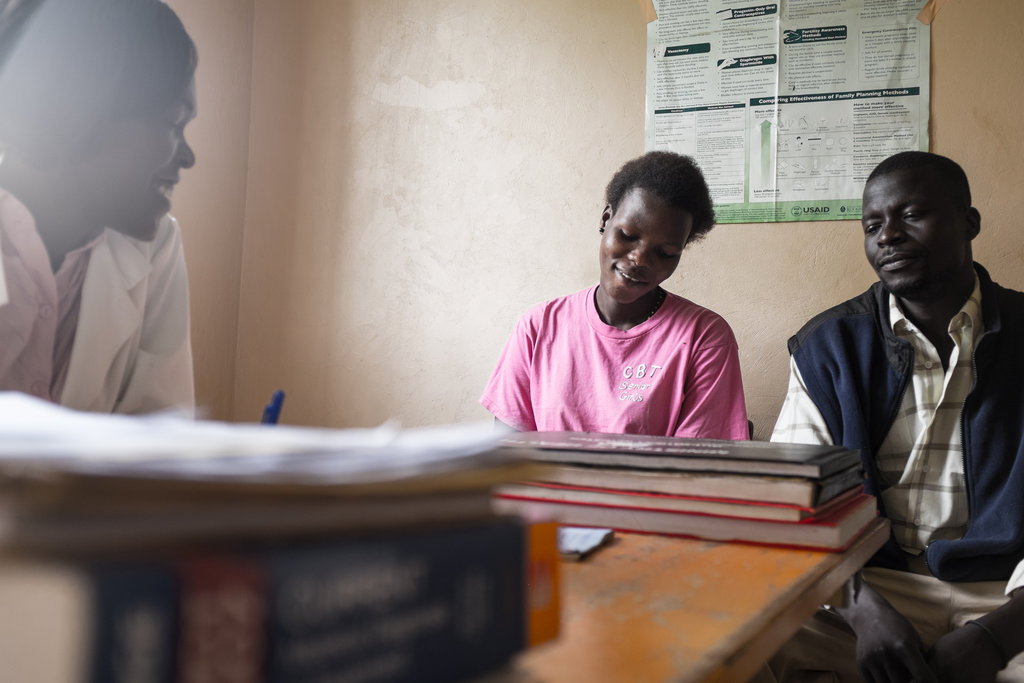
"Daktar!, he shouted out loudly". I want you to remove this “thing” off my wife’s arm. Grabbing her arm! Now he had attracted some attention from the rest of the patients. So I invited him to my office. I did not want him to cause any more unnecessary noise
When they sat down, he again sternly spoke. “I never asked you to put this “thing” on my wife. I decide the number of my children so do need any interference with my family matters.” He emphasised.
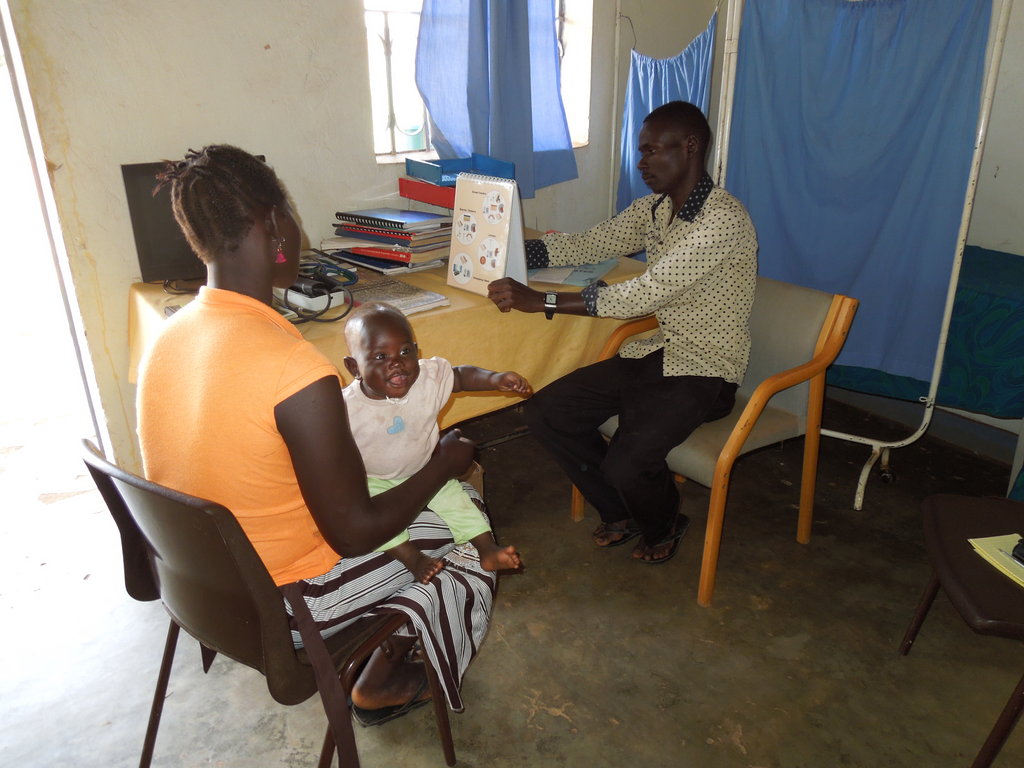
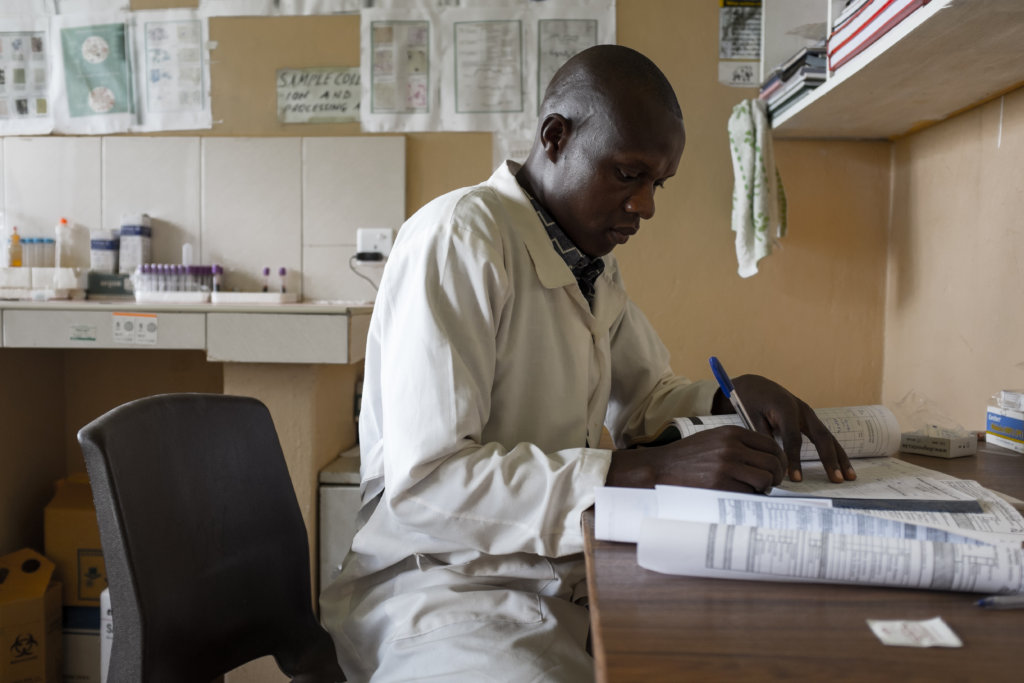
As a medic, I experience this kind of emotions many times and now I know how to handle such cases. I am trained to counsel such patients. But this outburst was different, he was almost becoming violent towards me. If this is his reaction towards me, how has he reacted towards his wife. I wondered! She obviously looked very scared, because she never spoke a word even when in the room.
I noticed that he was not going to leave the room until I did what he wanted. So, I called out the nurse and asked her to take the women to the treatment room.
Its only in the treatment room that she started speaking. She said that she did not want to remove the implant that was inserted on her arm. She said that she already had five children. We respected her desires as an adult. I quietly prayed at this moment. I counselled them, and asked them to return the following day for more counselling. They needed to be counselled, but how do you handle such an angry man?
The number of women who do not have access to an effective method of family planning remains unacceptably high. Less than 20 percent of women in sub-Saharan Africa and 34 percent of women in South Asia use modern contraceptives. As a result, each year, there are 75 million women in developing countries who experience unintended pregnancies; 20 million of whom resort to unsafe abortions.
It is estimated that providing these women with access to modern contraceptives would reduce maternal deaths by 25 percent, newborn deaths by 18 percent, and unintended pregnancies by 73 percent.
By 2050, the global population is expected to grow to over 9 billion people, an increase of more than 50 percent over 2005 levels.
This growth will only exacerbate the current health inequities for women and children, put pressure on social services and resources, and contribute significantly to the global burden of disease, environmental degradation, poverty, and conflict.
Family planning is one of the best investments a country can make in its future.
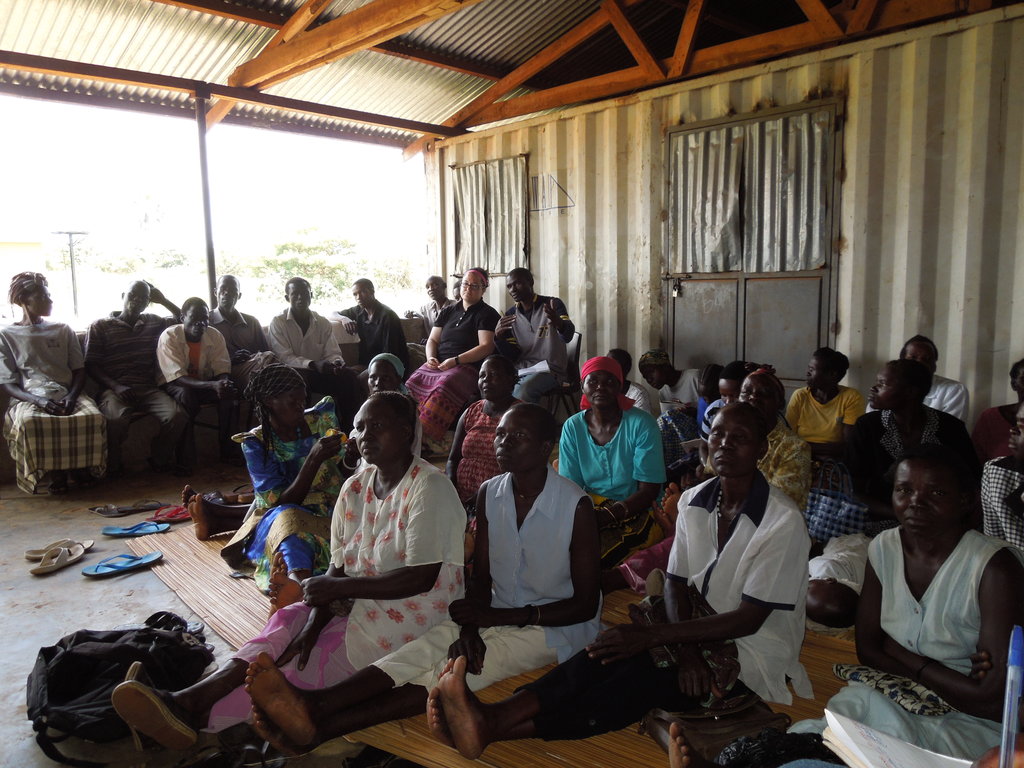
Dear friends the challenges still remain with the increased shortages of contraceptives that undermine our programs’ ability to achieve results. Another challenge is that some current contraceptives remain too costly for procurement groups and in some cases, for the women who use them. Another challenge is the lack of funding to hold trainings in the community to educate them on family planning practices.
We trust that you will continue to support us in these services so that we reduce the unmet need in this community. Share our stories and links with your friends. Like us on our facebook Karin Community Initiative Uganda.
Can you do more? Consider signing up for a monthly recurring donation today. Thank you for your support!
Links:
Project reports on GlobalGiving are posted directly to globalgiving.org by Project Leaders as they are completed, generally every 3-4 months. To protect the integrity of these documents, GlobalGiving does not alter them; therefore you may find some language or formatting issues.
If you donate to this project or have donated to this project, you can receive an email when this project posts a report. You can also subscribe for reports without donating.